Telling a Black Bear From a Grizzly
Visual identification differences between black bears and grizzlies help Alberta hunters avoid severe legal penalties and ensure safety.
Know what you’re after.
Big game, small game, upland birds, and waterfowl — identification, behavior, rut and migration timing, and how each species moves through the season.
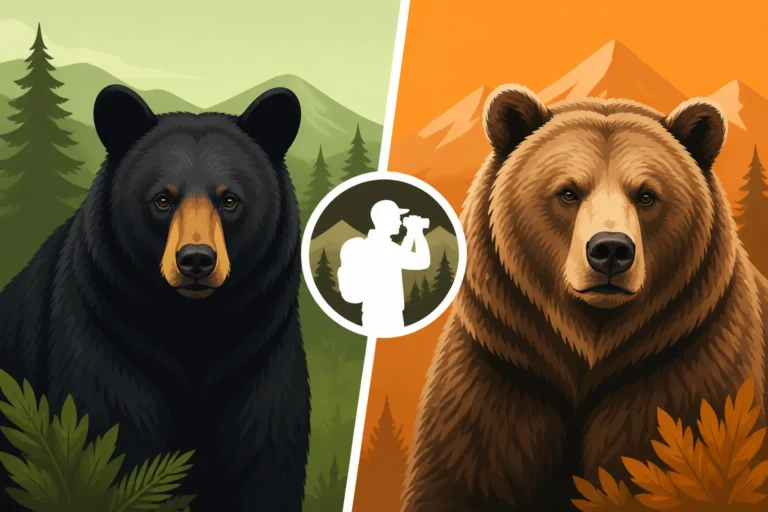
Visual identification differences between black bears and grizzlies help Alberta hunters avoid severe legal penalties and ensure safety.
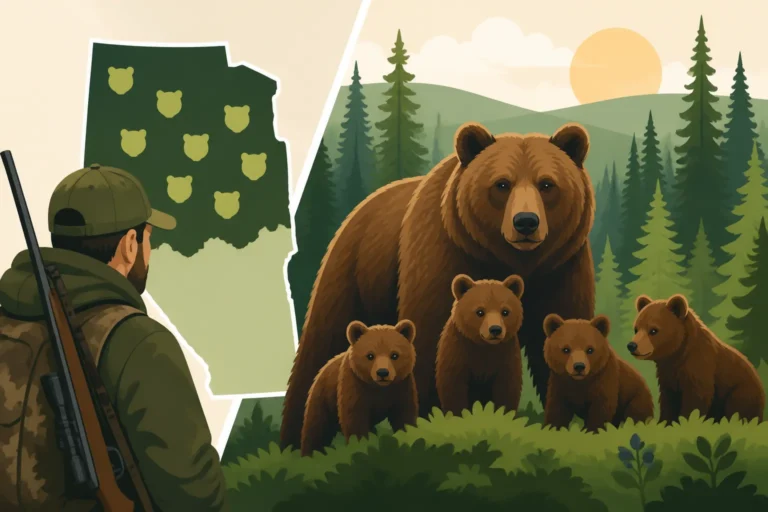
Alberta black bear populations thrive because vast boreal forests provide abundant foods like berries and insects and low human pressure.
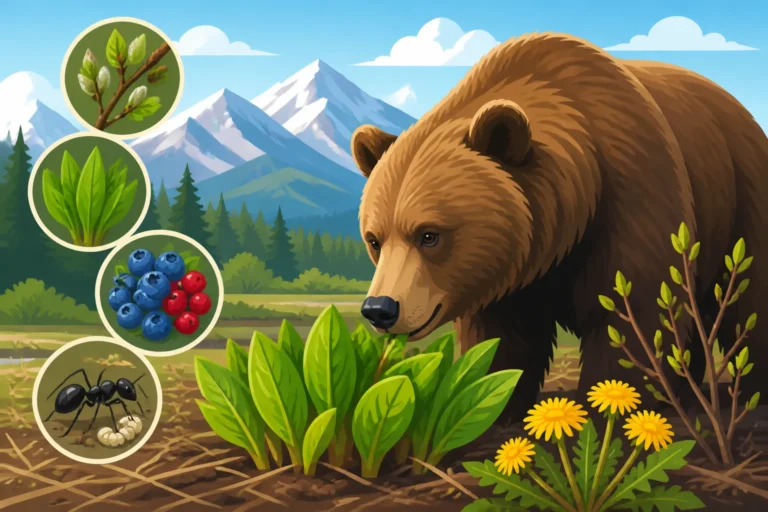
Starving black bears leaving winter dens in Alberta eat emerging grasses and forbs to restart digestion and regain body weight.
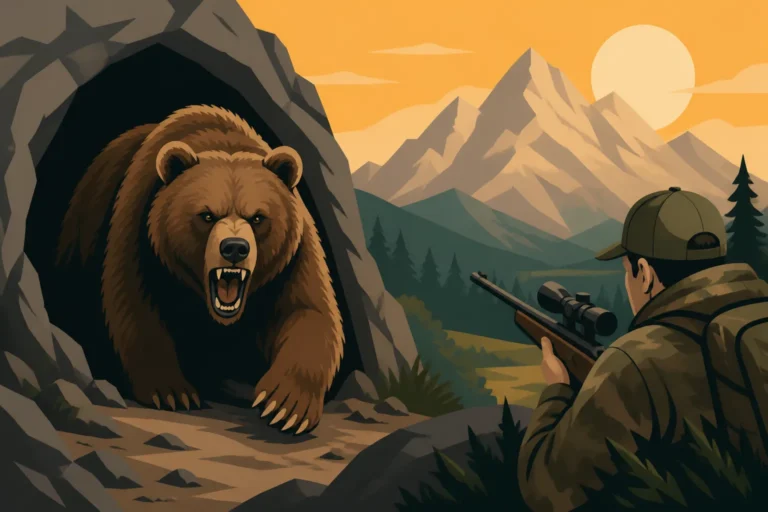
Alberta black bear spring den emergence timelines, driven by weather patterns and regional snowmelt, from mid-April through late May.
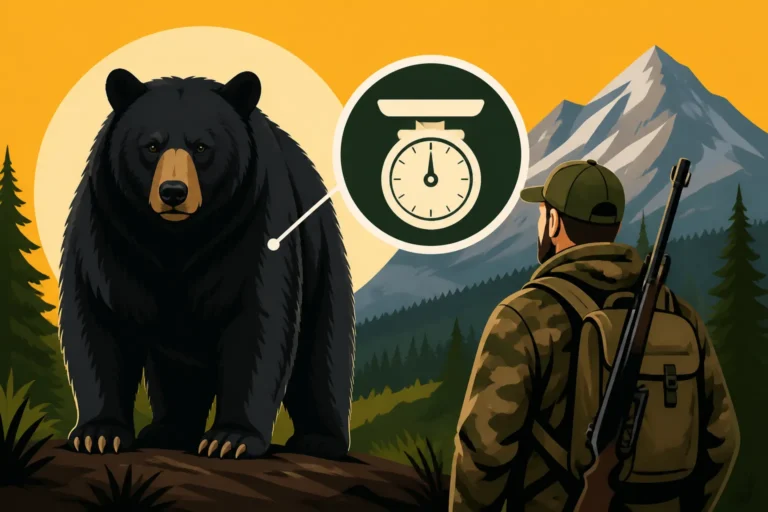
Alberta black bear weight dynamics, sub-adult sizes, and sex differences explain what makes a mature boar weigh up to 150 pounds or more.
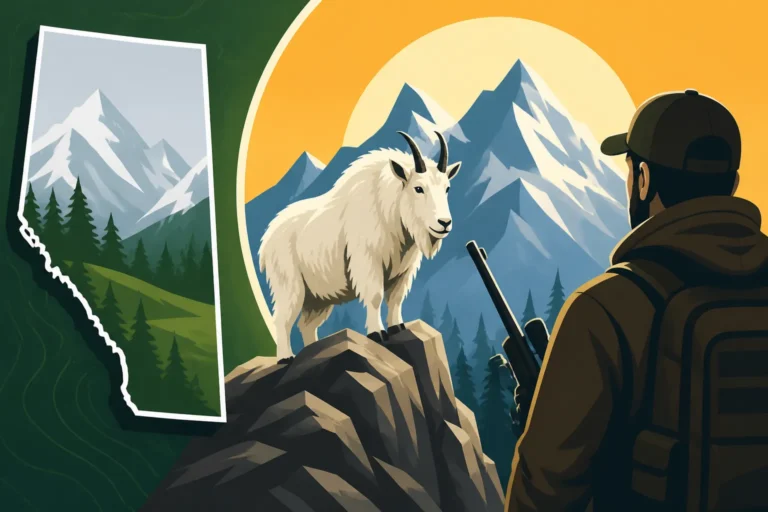
Alberta mountain goats inhabit steep alpine cliffs and rocky slopes at elevations between six and nine thousand feet in the province.
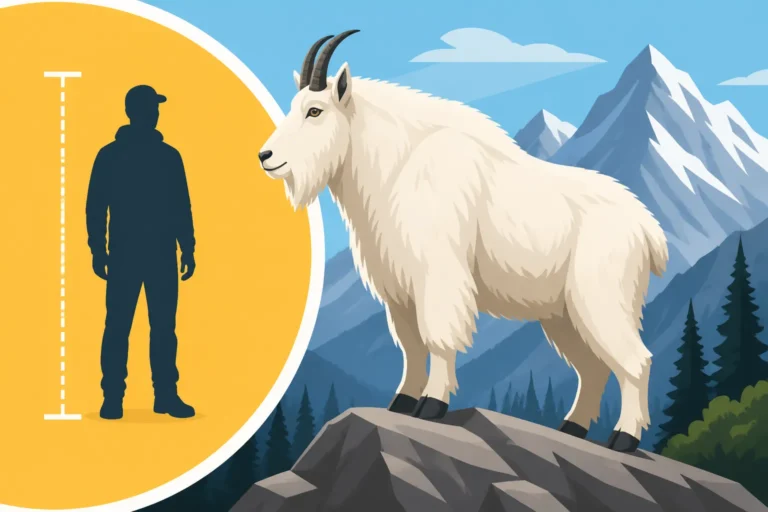
Mountain goat size in Alberta: mature billies weigh 150 to 300 pounds, nannies 100 to 180 pounds, and both stand about 3 to 3.5 feet tall at the shoulder.
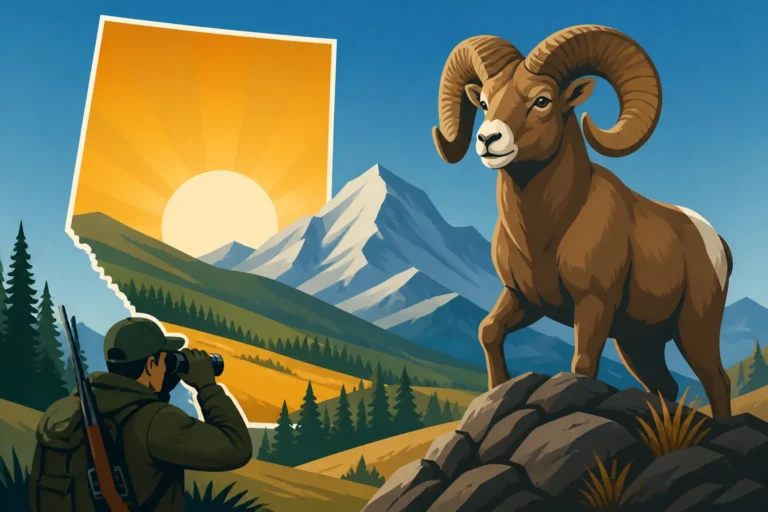
Alberta bighorn sheep produce immense, heavy horns due to rugged terrain, nutrient-rich forage, natural mineral licks, and robust genetics.
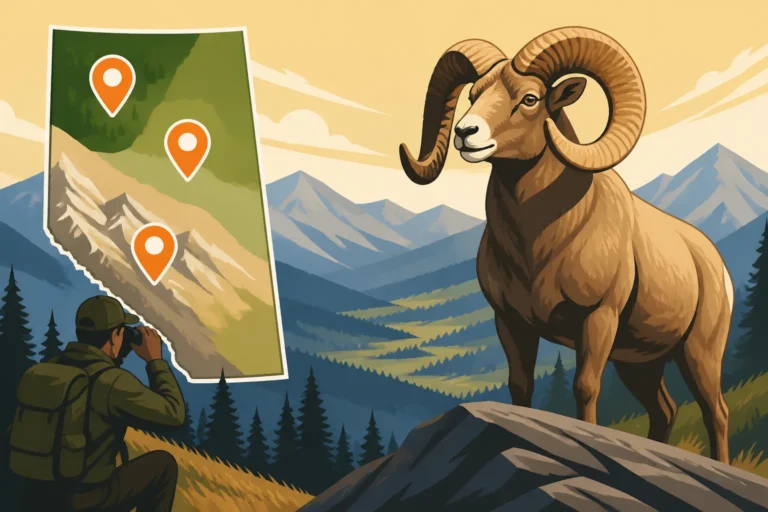
Alberta bighorn sheep habitat requirements and specific mountain ranges help hunters locate mature rams in the rugged province.
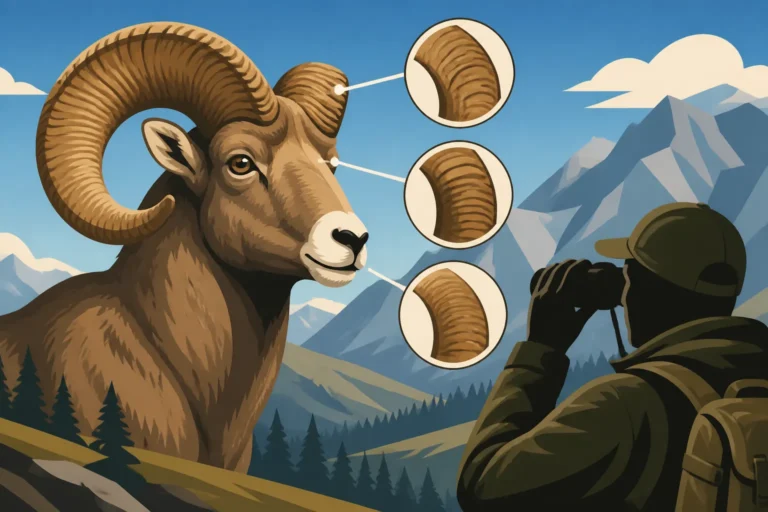
Alberta bighorn sheep regulations require hunters to judge a ram age and horn development for legal sustainable harvests.