Where Alberta’s Big Rams Live
For many hunters, the dream of pursuing a big bighorn ram in Alberta's rugged mountains is the pinnacle of a hunting career. But if you’ve ever stared at a topographic map of the province's western edge, you know how daunting it can be to even begin to understand where these magnificent animals truly call home, let alone find a mature ram. This guide is here to unravel that mystery, helping you pinpoint the prime areas where Alberta's biggest bighorns live and thrive.
The Allure of Alberta's Bighorn Country
There's something incredibly special about Alberta's bighorn sheep. Their keen eyesight, incredible agility, and preferred habitat in some of the most unforgiving terrain make them a truly challenging and rewarding pursuit. It's not just about the size of their curl, but the journey to even find them in their remote, windswept strongholds. Many hunters spend a lifetime dreaming of drawing a tag, and even more time just trying to locate a ram worthy of that tag.
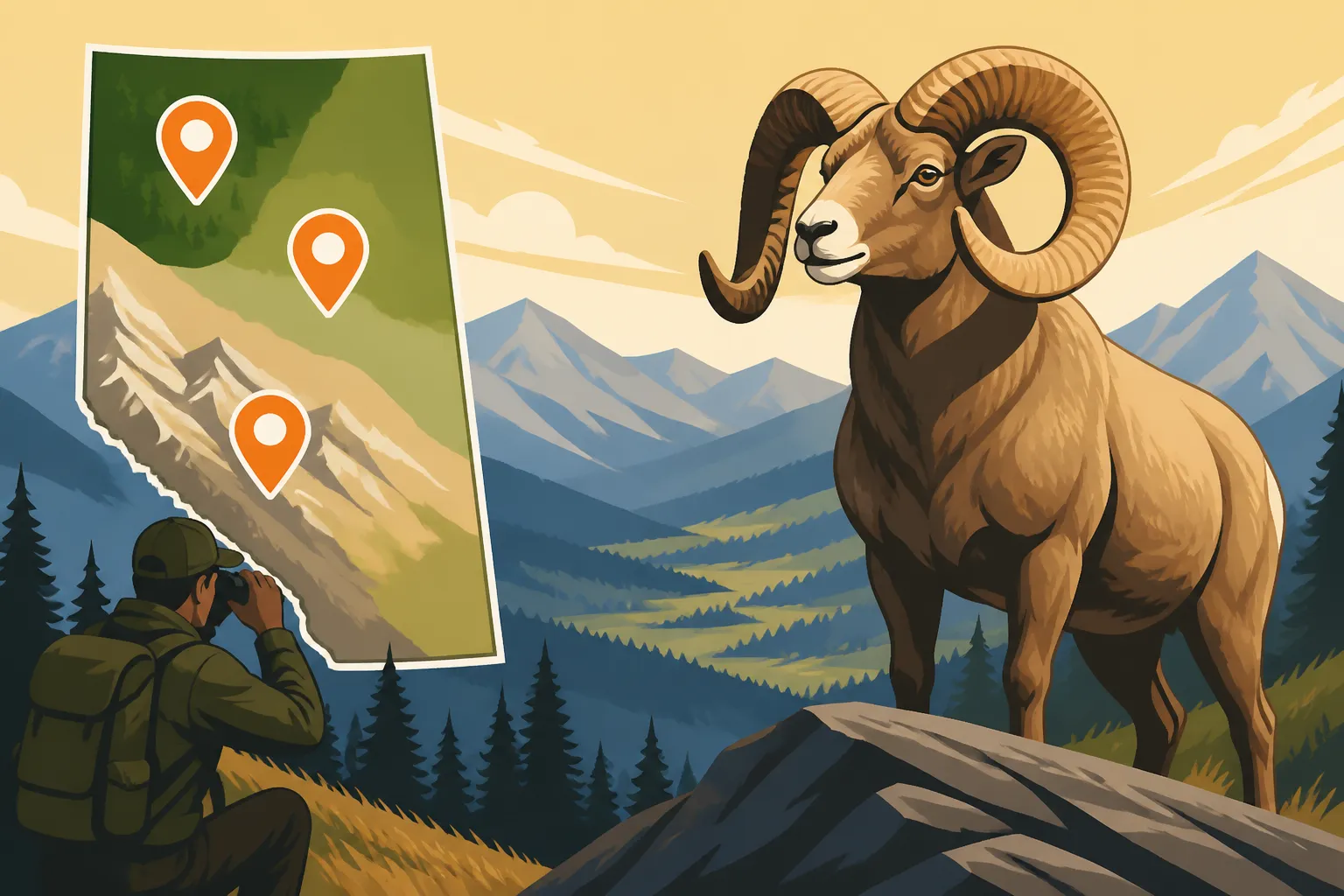
The sheer scale of Alberta's mountains can be overwhelming. Where do you start? What kind of country should you be focusing on? It’s easy to feel lost amidst the vastness, knowing that these rams are truly masters of camouflage in their rocky domains. The good news is, while bighorns are spread out across a considerable portion of the Canadian Rockies, the big rams tend to concentrate in very specific types of habitat and, consequently, certain regions and Wildlife Management Units (WMUs). This is where your focus needs to be to turn that dream into a tangible plan.
Understanding Bighorn Sheep Habitat Needs
Before we dive into specific locations, it's crucial to understand what makes a particular piece of ground ideal bighorn habitat. These animals aren't just living anywhere in the mountains; they have very distinct requirements for survival, especially the mature rams that are looking to grow impressive headgear and dominate their range. Knowing these needs will help you read the landscape, whether you're scouting from afar or with boots on the ground.
Bighorns are truly creatures of the high country. They crave steep, broken terrain that offers both exceptional visibility and immediate escape routes from predators. Think rocky slopes, cliff bands, and open alpine meadows that transition abruptly into timbered canyons or dense scrub. This kind of "escape terrain" is paramount for their survival. They need to be able to see a predator coming from a long distance and then quickly vanish into an unforgiving vertical world that most predators can't follow.
Another critical factor is forage. While they love the high alpine, they also need access to nutritious grasses and forbs. Often, you’ll find them grazing in those open meadows and south-facing slopes, which tend to melt out earlier in the spring and hold green feed longer into the fall. Water sources are also essential, though bighorns are surprisingly resilient and can often find moisture in snow patches or small seeps even in arid conditions. The confluence of these elements—escape terrain, good forage, and water—defines prime bighorn habitat.
Key Mountain Ranges for Alberta's Big Rams
Alberta's Rocky Mountains stretch a long way, but not all of it is equally good for big rams. Certain areas stand out consistently for producing mature bighorns with impressive horns. These are the places that have the right combination of habitat, genetics, and often, controlled access or draw-only tags that allow rams to reach older age classes. You'll often hear veteran sheep hunters speak reverently of these specific ranges.
It’s important to remember that these are often some of the most remote and physically demanding areas in the province. Hunting here isn't for the faint of heart, and access can be a significant challenge. However, the reward of seeing a truly magnificent ram in its element is unparalleled. Backpacking Into Alberta Sheep Country is a must-read if you plan on venturing into these remote areas.
The Bighorn Backcountry and Kananaskis
When hunters talk about big Alberta rams, the Bighorn Backcountry, often encompassing areas like the Ram Range and its surrounding WMUs, inevitably comes up. This region, west of Rocky Mountain House, holds some truly iconic bighorn habitat. It’s characterized by vast tracts of rugged, roadless wilderness, towering peaks, and deep valleys. The sheer remoteness here means less human pressure in many spots, allowing rams to mature.
Further south, the Kananaskis Country, including parts of the Bow Valley and Livingstone Range, also holds significant bighorn populations, some of which produce exceptional rams. While parts of Kananaskis can see more recreational pressure due to its proximity to Calgary, there are still vast stretches of wilderness where sheep thrive. The terrain here is classic bighorn country: steep, broken, and with a good mix of high alpine basins and timbered escape routes. Many of these areas are part of Alberta's Public Land Use Zones Explained which have specific rules you'll need to understand.
Willmore Wilderness Park and Northern Ranges
Venturing further north, the Willmore Wilderness Park and adjacent WMUs offer another incredible opportunity, albeit one requiring an even higher commitment to backcountry travel. Willmore is a true wilderness area, with no motorized access, meaning horses are often the most practical way to hunt deep within its boundaries. The rams here are wild and wary, living in a landscape of pristine alpine meadows, ancient forests, and towering limestone cliffs. This area is truly for the dedicated sheep hunter looking for an unparalleled wilderness experience.
Beyond Willmore, some of the more northern reaches of Alberta's Rockies, touching areas like the Kakwa Wildland Provincial Park, also hold bighorns. While perhaps not as historically renowned for sheer trophy potential as the Bighorn Backcountry, these areas represent vast, untouched habitat where rams can grow old. Access here is extremely limited, often involving long pack-in trips. For those willing to put in the effort, these northern ranges offer a chance at a truly wild and hard-earned ram.
Key Bighorn WMUs
To give you a better idea of where these sheep are concentrated, here’s a look at some of the Wildlife Management Units (WMUs) that consistently hold good numbers of bighorns, and where a hunter might stand a chance at a mature ram. Remember, drawing a tag in these WMUs can be incredibly challenging, as many are highly sought after. Alberta's Special Licence Draws outlines the process for applying.
| WMU Series (General Area) | Typical Terrain | Trophy Potential | Access Considerations |
|---|---|---|---|
| 436, 438 (Bighorn Backcountry) | Steep, rugged alpine, deep valleys, mixed timber | High | Very remote, often requires horseback or extensive backpacking |
| 402, 404 (Kananaskis Foothills) | Mountainous, broken cliffs, open slopes, mixed forest | Moderate to High | Good vehicle access to trailheads, but steep hiking into basins |
| 406, 408 (Livingstone Range) | Rocky ridges, open grasslands, dense timber pockets | Moderate to High | Mix of accessible and remote sections, some PLUZ restrictions |
| 444, 446 (Willmore Wilderness) | True wilderness, high alpine, remote valleys, massive elevation | High | No motorized access, primarily horseback or multi-day backpack |
| 410, 412 (Ghost/Waiparous) | Steep, forested slopes, open cutbanks, creek bottoms | Moderate | Closer to urban centres, higher recreational use, requires diligent scouting |
When you're studying these WMUs, using a good mapping system like GoHunt or other topographic resources is invaluable. You can overlay different land designations, identify natural pinch points, and get a better feel for the elevation changes that define prime bighorn habitat. This kind of detailed scouting on your computer can save you days of wasted effort in the field.
Scouting and Accessing Ram Country
Finding where the big rams live is one thing; actually getting to them and spotting them is another challenge entirely. Bighorn sheep are masters of their environment, and you need to be just as skilled in yours to have a chance. Scouting is paramount, and it often involves a significant investment of time, both physically and virtually.
Pre-Season Digital Scouting
Before you even think about putting boots on the ground, you need to spend serious time in front of your computer. Digital tools have revolutionized scouting, especially for mountain species. High-resolution satellite imagery is your best friend. Look for steep, rocky areas with open, south-facing slopes, and benches where sheep might feed or bed. Identify potential travel corridors, water sources, and especially escape terrain. GoHunt provides excellent mapping tools that allow you to analyze topography, assess vegetation, and pinpoint potential ram hangouts from your home.
Pay close attention to historical harvest data if available, as well as anecdotal reports from other hunters. While specific "honey holes" are rarely shared, general areas known for producing big rams can guide your initial digital exploration. Cross-reference your chosen WMUs with the information found in Alberta's Wildlife Management Units to ensure you understand specific boundaries and regulations. This pre-season work helps you narrow down vast areas into manageable sections for actual field scouting.
Boots-on-the-Ground Reconnaissance
Nothing replaces putting boots on the ground, or hooves if you're using horses. Early season scouting, or even trips purely for reconnaissance outside of hunting season, can give you invaluable insight. This is where you confirm what you saw on your maps, identify fresh sign, and learn the sheep's movement patterns. Look for fresh tracks, droppings, and rubbed trees or rocks where rams might have polished their horns.
Glassing is the name of the game in sheep country. You’ll need a high-quality spotting scope and binoculars, and the patience to sit and glass for hours, even days. Focus your efforts on the transition zones between alpine meadows and escape cover. Early mornings and late evenings are often the best times to spot sheep as they move from bedding areas to feed. Remember that sheep blend in incredibly well, so train your eye to look for anything that seems out of place – a horizontal line in a vertical world, a patch of grey that moves. Patience is truly a virtue when Glassing Alpine Basins for Bighorn Sheep.
Access Challenges and Solutions
Accessing prime ram country is often the biggest hurdle. Many of these areas are deep in the backcountry, far from paved roads. This might mean long hikes, multi-day pack trips, or utilizing horses if that's within your skill set. Road closures due to weather, wildfires, or specific Public Land Use Zone regulations can also complicate matters. Always check current conditions and regulations before you go.
For non-residents, understanding Rules for Non-Residents Hunting Alberta is critical, as guided hunts are often a requirement or a practical solution for navigating unfamiliar and remote terrain. Even for residents, accessing these areas can require significant investment in time, gear, and physical conditioning. Be realistic about your capabilities and plan accordingly. Sometimes, simply finding an old logging road or seismic line can give you a crucial few miles of access, even if you have to walk beyond it. Just be sure to know Quad and Side-by-Side Rules on Crown Land if you plan on using off-highway vehicles for initial access.
Characteristics of a Trophy Ram's Home Range
You can find bighorns in many mountain WMUs, but finding a truly big ram—the kind that makes the record books—requires a more nuanced understanding of their specific micro-habitats. These rams are often older, wiser, and know exactly where to go to avoid pressure and maximize their horn growth. They choose their turf carefully, and learning to identify these characteristics is key to your success.
The phrase "old ram country" isn't just a saying; it describes specific characteristics that allow rams to live long enough to develop impressive full-curl or even larger horns. These areas are not only remote but also often have excellent year-round forage, minimal disturbance, and consistent access to the best escape terrain. It's a combination that creates a sanctuary for mature animals.
Sheltered Basins and Sun-Drenched Slopes
Big rams often favor high alpine basins that offer a degree of seclusion from human activity. These basins might be surrounded by even higher peaks, making them difficult to access, or they might be tucked away from popular hiking trails. Within these basins, look for south-facing slopes. These slopes get the most sunlight, melting snow earlier and providing green forage longer, which is crucial for antler growth and overall health.
Additionally, these south-facing slopes, particularly those with a mix of rock and sparse timber, offer ideal thermal cover. Rams can sun themselves on warm rocks, sheltered from harsh winds, while still having an unobstructed view of their surroundings. This combination of feeding opportunities, thermal comfort, and safety is what draws mature rams to these specific spots, allowing them to conserve energy and focus on growth. These are the places where you might find a ram with a Reading Antler Growth in a Wet Year kind of rack.
Isolated Plateaus and Ridge Systems
Another characteristic of prime big ram country is the presence of isolated plateaus or extensive ridge systems. These elevated features provide expansive views, allowing rams to detect threats from a great distance. They can also connect multiple feeding areas with escape terrain, giving the rams a large, safe home range to utilize. Rams will often traverse these ridges, moving between different feeding grounds or heading towards favored bedding sites.
These elevated areas also tend to be wind-swept, which can be a blessing in winter, as the wind clears snow and exposes forage. However, it also means hunters need to be prepared for extreme weather conditions. The ability to endure challenging conditions and patiently glass these vast ridge systems is what separates successful sheep hunters from those who go home empty-handed. When Hunting a High Ridge Above Timberline, proper gear and planning are critical for both safety and success.
Water Sources and Mineral Licks
While bighorns are incredibly tough, access to water is still vital, especially during drier periods or in the heat of summer. Look for reliable water sources like alpine tarns, snowmelt seeps, or small trickling creeks within or adjacent to these high-elevation feeding and bedding areas. Rams, particularly older ones, will often establish patterns around these water points.
Mineral licks are another key feature. These natural deposits, often found in specific rock formations, provide essential minerals that contribute to horn growth and overall health. If you can locate a known bighorn mineral lick, you've found a spot where rams will predictably visit. However, these are often well-guarded secrets among local hunters. Nonetheless, identifying areas with appropriate geological features can increase your odds of stumbling upon one. You'll want to review Hunting a Sheep Lick Basin for more on this.
It's a combination of these elements—remoteness, ideal terrain, ample forage, water, and mineral access—that creates the perfect storm for growing truly big Alberta rams. It's a difficult hunt, but the pursuit of these magnificent animals in their wild domain is an experience unlike any other.
Disclaimer
This article is for general informational purposes only and does not constitute professional advice. Laws, prices and regulations vary by location and change over time. Consult a qualified professional for guidance on your specific situation.