Hungarian Partridge and Pheasants in Alberta
There’s a unique charm to hunting upland birds in Alberta, a challenge that combines keen observation, strategic movement, and often, the incredible partnership with a good dog. While chasing big game certainly has its thrills, there's something truly special about the sudden flush of a pheasant or the explosive covey rise of Hungarian partridge that gets your heart pumping. However, finding these wily birds, understanding their habits, and navigating the nuances of hunting them in Alberta's diverse landscapes can feel like a daunting task for many hunters, especially those new to the upland scene. This guide aims to pull back the curtain on these fantastic game birds, offering insights into where to find them, how to hunt them effectively, and what makes each species a distinct and rewarding pursuit across our province.
Understanding the Elusive Hungarian Partridge in Alberta
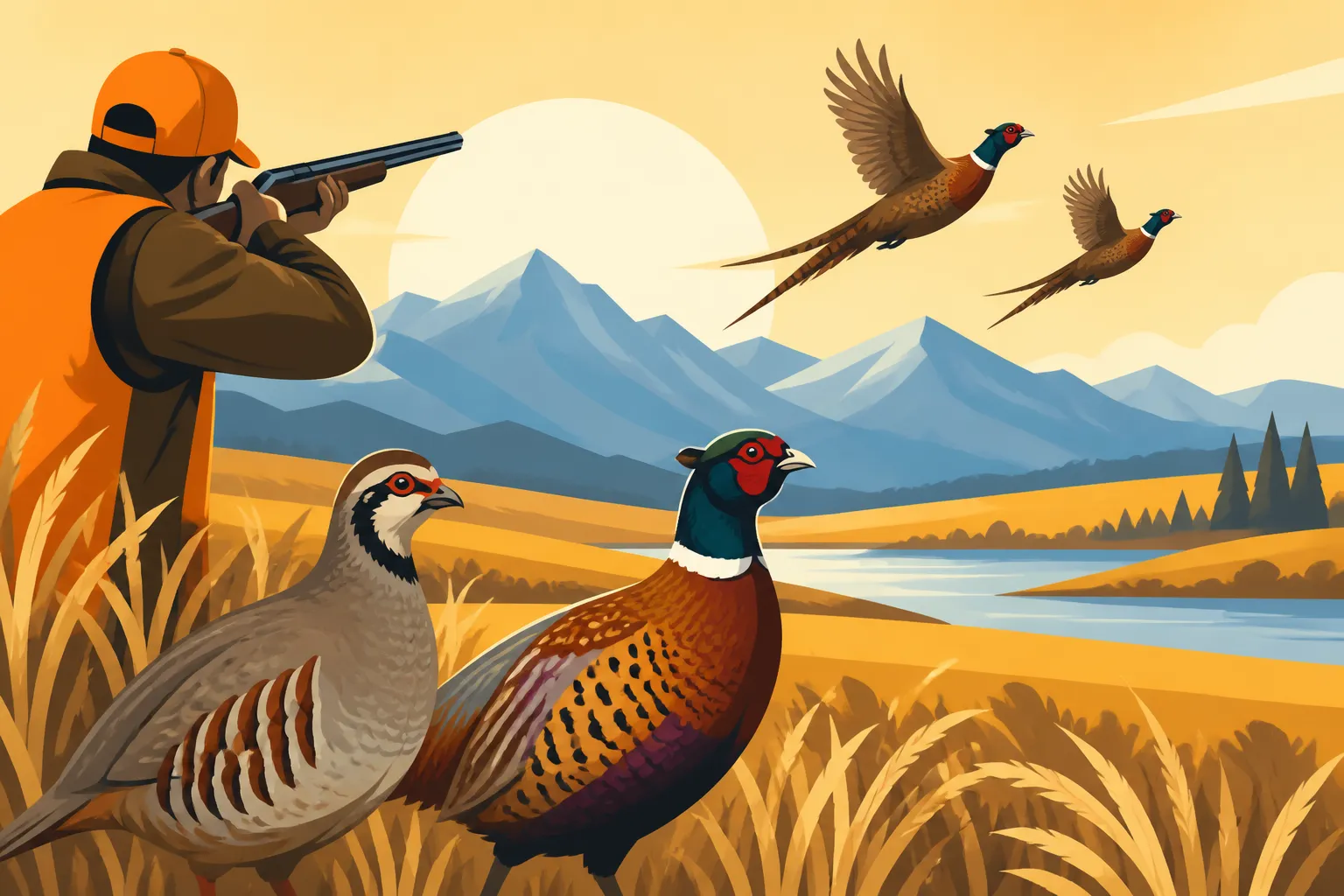
Hungarian partridge, often affectionately called Huns, are small, swift game birds that thrive in Alberta's agricultural landscapes. They're not native to North America but have adapted remarkably well to our prairies and parklands, offering a challenging hunt that requires stealth, patience, and often, a lot of walking. These birds are known for their tight covey rises, which can startle even the most seasoned hunter, making them an exhilarating target.
Hun Habitat and Behavior
Huns are creatures of the open country, preferring mixed agricultural areas with cereal crops, stubble fields, and adjacent cover. Think of the shelterbelts, fencelines, and grassy margins that break up vast stretches of grain. They're often found in the "white area" of Alberta, the settled agricultural zones where private land dominates. They really love the edges where different types of cover meet, like a freshly mowed hayfield bordering a stand of tall grass, or a stubble field next to a thick bush line. You'll rarely find them deep in dense timber; they need open ground for foraging and quick escape.
Their behavior is fascinating and often frustrating for hunters. Huns are highly social, living in coveys that can range from a handful of birds to several dozen, especially after a successful breeding season. When flushed, they explode into the air with a distinctive whirring of wings, flying fast and low, usually scattering in different directions before regrouping further away. They're also notorious for running ahead of dogs or hunters, using their legs to escape rather than taking to the air. This running habit is precisely why a good pointing dog can be invaluable when you're Hunting Hungarian Partridge on Alberta Farms. They provide the crucial information you need to get in position before the covey decides to sprint for cover.
Population Trends and Hunting Pressure
Alberta's Hun population can fluctuate from year to year, often depending heavily on factors like nesting success, winter severity, and spring moisture. A mild winter followed by a dry, warm spring usually means a good hatch and strong numbers. Conversely, harsh winters with deep snow or wet, cold springs can decimate chick survival, leading to leaner years. These population cycles mean that scouting and staying updated on local conditions are vital. For hunters looking to plan their season, keeping an eye on Alberta Game Bird Seasons and Limits is a yearly ritual.
Hunting pressure on Huns tends to be lighter than for some other game birds. They're often seen as a secondary target while hunting pheasants or even waterfowl, which means that if you're willing to put in the legwork and do some proper scouting, you can often find unpressured birds. However, their tendency to inhabit areas near private farmland means that securing access is often the biggest hurdle. This is where your skills in Getting Private Land Permission in Alberta truly come into play, as respectful landowner relations are paramount for consistent access. Don't be shy about knocking on doors; a friendly approach often opens up prime Hun country.
The Allure of Ring-Necked Pheasants in Alberta
Pheasants are perhaps the most iconic upland game bird, celebrated for their vibrant plumage, explosive flush, and delicious meat. While not native to Alberta, they've been introduced and maintained through release programs, primarily by the Alberta Conservation Association (ACA) and various private clubs. Hunting pheasants offers a thrilling experience, especially when a brilliantly colored rooster bursts from heavy cover, providing a memorable target.
Where to Find Pheasants: Release Sites and Naturalized Populations
In Alberta, you'll primarily find pheasants in two scenarios: at designated pheasant release sites or in areas where naturalized populations have managed to establish themselves. The ACA operates several pheasant release sites across the province, particularly in the southern and central agricultural regions. These sites are stocked with pen-raised birds to enhance hunting opportunities. These are often excellent places for new hunters or those without reliable private land access to experience pheasant hunting. However, they can also see significant hunting pressure, especially on opening day and weekends.
Beyond the managed release sites, some limited naturalized populations exist, predominantly in the irrigation districts of southern Alberta. The dense cattail sloughs, brushy coulees, and irrigation ditches provide the necessary cover and food sources for these birds to survive and breed in the wild. These wilder birds are often much harder to hunt, being warier and more accustomed to evading predators, which makes success incredibly rewarding. You'll want to review your options for Hunting Alberta's Released Pheasants as it often provides a more consistent experience.
Hunting Tactics and Challenges
Hunting pheasants is generally a more active affair than Huns, often involving walking through dense cover such as cattails, willow thickets, and tall grass. Pheasants, especially roosters, are masters of evasion. They'll often run far ahead of hunters, trying to sneak away through the thickest parts of cover before taking flight. This is where a good flushing dog becomes invaluable, pushing birds out of hiding and into the air. Without a dog, it can be incredibly challenging to locate and flush birds effectively in dense cover, leading to many missed opportunities.
The challenges also extend to the birds' wariness. Wild pheasants, having survived hunting pressure, can be extremely cunning. They might sit tight until the very last moment, or burst out the back of a cover patch you've just walked through. Patience and persistence are key. For hunters trying to find these birds, using resources like GoHunt to scout aerial imagery can help identify potential cover pockets and escape routes, particularly around irrigation canals or the edges of dense stubble fields. Knowing how to predict a bird's escape route can make all the difference, especially when a wily rooster decides to make a break for it.
Key Differences: Hunting Huns vs. Pheasants
While both Hungarian partridge and pheasants offer fantastic upland hunting experiences, their habits and preferred habitats dictate different approaches, gear, and dog work. Understanding these distinctions is crucial for a successful and enjoyable hunt in Alberta.
Habitat and Behavior Divergences
The most significant difference lies in their habitat choices. Huns are birds of the open prairie and agricultural edges, rarely venturing into dense brush. They prefer to use their camouflage and running ability to evade threats in relatively low cover, only flushing when they feel truly threatened. This means hunting Huns often involves walking vast open fields, targeting shelterbelts, fencelines, and stubble. When they flush, they typically scatter quickly across open ground, making follow-up shots on singles challenging but rewarding.
Pheasants, on the other hand, are cover-loving birds. They thrive in thick vegetation: dense cattail sloughs, willow bottoms, heavy brush, and tall, unharvested crops. They use this cover to hide and run, often refusing to flush until a dog is practically on top of them. When a rooster explodes from dense cover, it's a dramatic affair, often a loud cackle accompanying the powerful wing beats. Their flight path is typically strong and straight, making them a more predictable target once airborne, but getting them airborne in the first place is the trick. When you're Hunting a Shelterbelt Between Two Fields, you might find either, but the denser the cover, the more likely you'll find pheasants.
Hunting Styles and Dog Breeds
Given their different behaviors, the ideal hunting styles and dog breeds vary for Huns and pheasants.
For Huns:
- Hunting Style: Often involves long walks across open fields and focusing on field edges, fencelines, and small patches of cover. Hunters need to be prepared for covey flushes and quick shooting opportunities. A good strategy is to "circle back" after an initial flush to try and locate scattered singles, which are often holding tighter.
- Dog Type: Pointing breeds excel with Huns. Dogs like German Shorthaired Pointers, English Setters, Brittanys, and Pointers can effectively locate running birds, lock up on point, and give the hunter time to approach for the flush. Their ability to cover ground and locate scent in open conditions is paramount. Using a Pointing Dog on Alberta Prairie is often the most effective method for Huns.
For Pheasants:
- Hunting Style: Requires pushing through thick cover, often in a line with multiple hunters to maximize coverage. The focus is on forcing birds to flush rather than letting them run. Expect close-range flushes and fast shooting. Persistence is key, as pheasants will hold incredibly tight. You might even find birds around a Hunting a Grain Bin Yard at Dusk.
- Dog Type: Flushing breeds shine when hunting pheasants. Dogs like English Springers, Labrador Retrievers, and Cocker Spaniels are built for busting through heavy cover, retrieving downed birds, and working close to the hunter. Their drive to find and flush birds is essential for pheasants that would otherwise sit tight. Using a Flushing Dog in Thick Cover is invaluable for success here.
Here's a quick comparison of the two:
| Feature | Hungarian Partridge (Huns) | Pheasants (Ring-necked) |
|---|---|---|
| Habitat | Open fields, stubble, fencelines, grassy margins, light cover | Dense cover, cattail sloughs, willow thickets, tall grass, heavy brush |
| Behavior | Covey rises, run extensively, scatter when flushed | Explosive flush, cackle, hold tight, run to escape |
| Flight Speed | Fast, low-flying, whirring wings | Strong, straight, powerful flight |
| Primary Dog | Pointing breeds (GSP, Setter, Brittany) | Flushing breeds (Springer, Lab, Cocker) |
| Hunting Style | Walk large open areas, focus on edges, target singles | Drive thick cover, push birds to flush, work in lines |
| Population | Naturalized, fluctuates with weather | Primarily stocked/released, some naturalized populations |
| Access | Mostly private land, requires permission | Private land & designated public release sites |
Essential Gear and Dog Work for Upland Birds
Regardless of whether you're chasing Huns or pheasants, having the right gear and a well-trained dog are game-changers. Upland hunting is often physically demanding, and being properly equipped ensures both safety and success.
Shotguns and Ammunition
For upland birds, a fast-swinging, lightweight shotgun is usually preferred. Many hunters opt for 12 or 20 gauge over-and-under or semi-automatic shotguns. The 20 gauge is particularly popular due to its lighter weight and sufficient power for these birds, making long days in the field less tiring. Choke selection is important; for the initial covey rise of Huns or close-flushing pheasants, an improved cylinder or modified choke is often ideal. If birds are flushing further out, or you're targeting scattered singles, a modified or even full choke might be beneficial.
Ammunition choice is also critical. For both Huns and pheasants, lead shot sizes 6 or 7.5 are typically sufficient. Consider the legal requirements for non-toxic shot if you are Hunting Alberta's Sandhill Crane Season or any other migratory birds that may be present in the same fields, as some areas may require it. Always double-check current regulations before heading out. Having a variety of loads on hand can be useful, allowing you to adapt to the birds' behavior on a given day.
Clothing, Footwear, and Navigation
Upland hunting means covering a lot of ground, often in varied terrain and weather conditions. Durable, briar-resistant clothing is essential to protect against thorns, barbed wire, and thick brush. Layers are key, as you'll be exerting yourself and then potentially standing still, requiring adjustments to stay comfortable. Blaze orange is a non-negotiable safety item, making you visible to other hunters and vital in preventing accidents.
Footwear should be comfortable, waterproof, and provide good ankle support. You'll be walking through wet grass, over uneven ground, and potentially through muddy or snow-covered fields. A good pair of hunting boots is an investment in your comfort and endurance.
Navigation tools are also crucial. While a physical map is always a good backup, digital mapping apps on your phone or a dedicated GPS unit are incredibly valuable. Tools like GoHunt can help you identify public land access points, mark areas where you've seen birds, and navigate property lines when hunting on private land. This is especially important when you're Reading an Alberta WMU Map Before You Go or Scouting With Satellite Imagery in Alberta to pinpoint those ideal habitat transition zones before you even step foot in the field. Having a reliable way to know where you are and where the property boundaries lie is critical for respectful and legal hunting.
The Indispensable Hunting Dog
For both Huns and pheasants, a well-trained bird dog is arguably the most valuable tool a hunter can have. Not only do they increase your chances of finding birds, but they also significantly improve your retrieve rates, preventing wounded birds from being lost.
- For Huns, a pointing dog: Their ability to cover ground, scent birds that are running, and then hold a steady point allows the hunter to approach the covey carefully. This maximizes shot opportunities and is truly the most effective way to hunt these often-elusive birds.
- For pheasants, a flushing dog: These dogs are bred to dive into dense cover, push birds into the air, and retrieve them afterward. Without a flushing dog, navigating the thick habitat pheasants prefer becomes a battle, and many birds will simply run out the back unseen.
Beyond finding and retrieving, a good dog also adds immense enjoyment to the hunt. The bond formed while working together in the field is unparalleled, transforming a simple hunt into a true partnership. Proper dog training, starting with basic obedience and progressing to field work, is an investment that pays dividends for years to come.
Conservation and the Future of Upland Birds in Alberta
The health and availability of upland bird populations in Alberta are not accidental; they are the result of conscious conservation efforts and depend heavily on responsible hunting practices. Understanding these aspects is crucial for ensuring these hunting opportunities continue for generations to come.
Habitat Preservation and Enhancement
For Hungarian partridge and pheasants, habitat is king. The expansion of agriculture and changes in farming practices can sometimes reduce the availability of the diverse cover these birds need for nesting, foraging, and protection from predators. Conservation efforts focus on preserving existing suitable habitat and, where possible, enhancing it. This includes maintaining fencelines, shelterbelts, grassy field margins, and wetlands.
Organizations like the Alberta Conservation Association (ACA) play a vital role in securing and managing habitat. They work with landowners to create and maintain habitat on private lands, and manage various public access sites that often provide critical upland bird cover. Supporting these organizations, whether through purchasing an Alberta's WIN Card and Wildlife Certificate or directly through donations, contributes directly to these efforts. When considering a hunt, remember that healthy habitat is the foundation of robust bird populations.
Regulated Hunting and Ethical Practices
Hunting seasons and bag limits for Huns and pheasants are set by provincial wildlife managers based on population assessments and biological data. These regulations are designed to ensure that harvests are sustainable and do not negatively impact the overall population. Adhering strictly to these rules, including understanding Alberta Game Bird Seasons and Limits is a hunter's ethical responsibility.
Ethical hunting practices also extend to ensuring quick, humane kills and making every effort to retrieve downed birds. This is where a well-trained dog truly shines, minimizing lost birds. Respecting private property, always asking for permission to hunt on private land, and leaving no trace behind are fundamental to maintaining a positive public image of hunters and ensuring future access. Hunters contribute significantly to conservation through licence fees and stamps, funding critical research and habitat initiatives that benefit not just game birds, but entire ecosystems.
Planning Your Alberta Upland Hunt
Embarking on an upland bird hunt in Alberta requires careful planning, from understanding regulations to securing access and preparing for the field. Taking the time to plan ahead can make all the difference between a frustrating day and a memorable hunt.
Regulations and Licensing
Before you even think about stepping into a field, ensure all your licensing and regulatory requirements are met. This includes having a valid Wildlife Identification Number (WIN) Card, a Wildlife Certificate, and the appropriate game bird licence. For non-residents, there are additional requirements, and it's essential to understand Rules for Non-Residents Hunting Alberta. All these can be acquired through the AlbertaRELM online system or various licence vendors.
Always consult the most current Alberta Hunting Regulations Guide, which is published annually. This guide provides detailed information on season dates, bag limits, specific Weapon restrictions, and any changes from previous years. Pay close attention to the WMUs (Wildlife Management Units) you plan to hunt, as regulations can vary by region. Using a tool like GoHunt can help you quickly reference WMU boundaries and their specific regulations, making pre-hunt planning much more efficient.
Securing Access and Scouting
For both Hungarian partridge and pheasants, a significant portion of their habitat is on private land. This means securing landowner permission is often the most critical step. Start early, approach landowners respectfully, and always be prepared to be denied. A friendly conversation and an offer to share some of your harvest can go a long way. Building positive relationships with landowners is invaluable for long-term hunting access. You can find more tips on this in Asking a Grazing Leaseholder for Access or Knocking on Doors in Alberta Farm Country.
Beyond private land, Alberta offers some public land options, including designated pheasant release sites managed by the ACA, and other Crown land areas. Scouting, both in person and using satellite imagery, is essential. Look for the "edge habitat" that Huns prefer—where different crops meet, fencelines, and shelterbelts. For pheasants, target dense cover near water sources or unharvested patches. Aerial imagery on platforms like GoHunt can reveal hidden sloughs, brush patches, and other prime habitat that might be overlooked from the road. Identify potential roosting areas, feeding locations, and escape routes to maximize your chances.
Preparing for the Field
Physical fitness is important for upland hunting. You’ll be walking for miles, often through challenging terrain. Hydration and appropriate nutrition are also key to maintaining energy throughout the day. Pack enough water, snacks, and perhaps a hot thermos if hunting in cooler weather.
Safety should always be paramount. Ensure your firearm is in good working order and you're comfortable and proficient with it. Understand the safe zones of fire, especially if hunting with a group. Let someone know your hunting plan, including your intended location and expected return time. Carry a basic first-aid kit, a whistle, and communication devices. Even in seemingly open country, it's easy to get disoriented, so having a reliable navigation system is vital. Preparing thoroughly ensures a safer and more enjoyable experience for everyone involved.
Disclaimer
This article is for general informational purposes only and does not constitute professional advice. Laws, prices and regulations vary by location and change over time. Consult a qualified professional for guidance on your specific situation.