Where Alberta Whitetails Bed in Deep Snow
Alberta whitetails in deep snow choose dense conifer stands and south-facing slopes to conserve energy and find shelter.
Close the distance.
Archery, muzzleloader, and firearm techniques — calling, stand placement, still-hunting, spot-and-stalk, and the weapon rules that change at the state line.
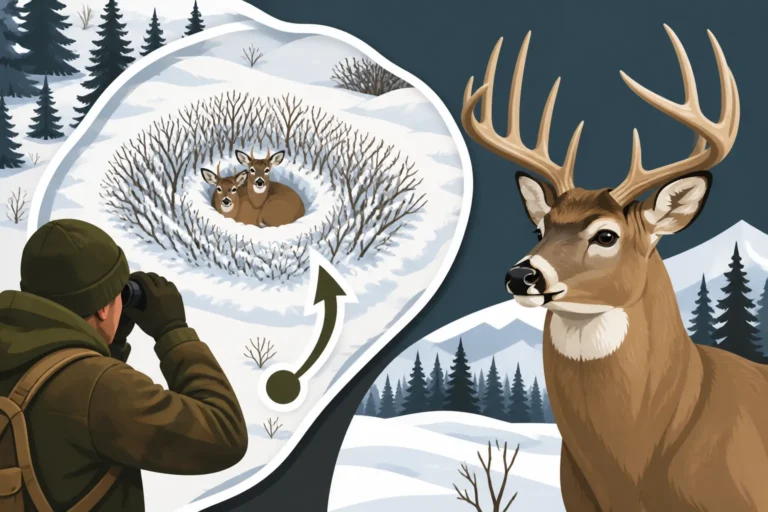
Alberta whitetails in deep snow choose dense conifer stands and south-facing slopes to conserve energy and find shelter.
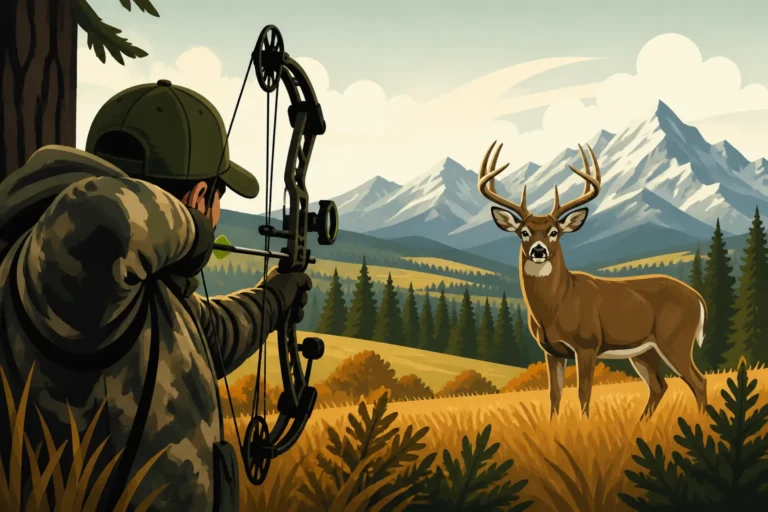
Alberta Crown land whitetail deer hunting strategies, Green and White area access rules, and habitat edge patterns.
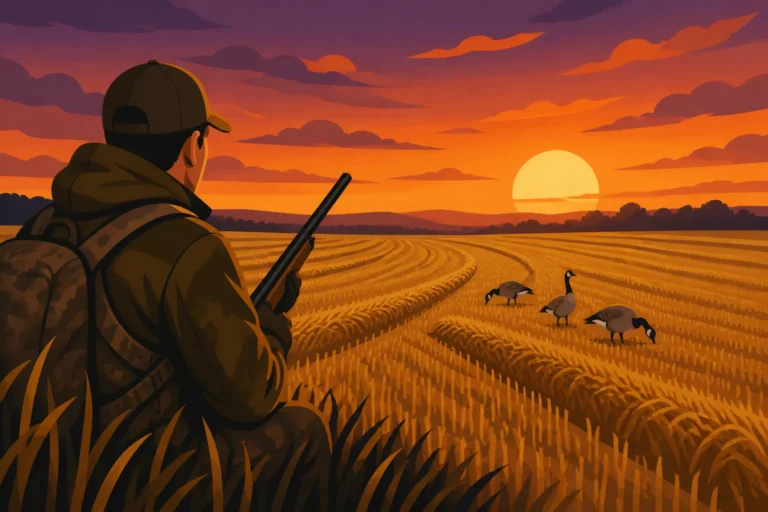
Alberta whitetail deer behavior at dusk explains why swathed grain fields attract animals for evening feeding and hunting success.
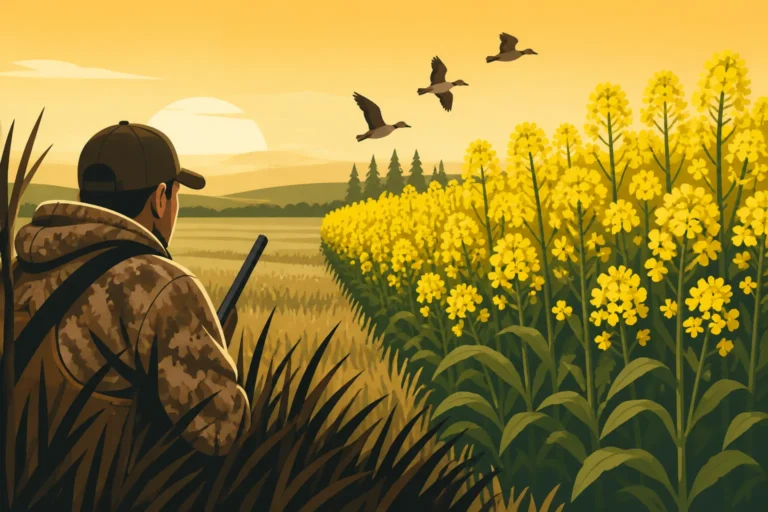
Alberta canola field edges attract deer, elk, and bears with dense cover, providing strategies for successful hunting encounters.
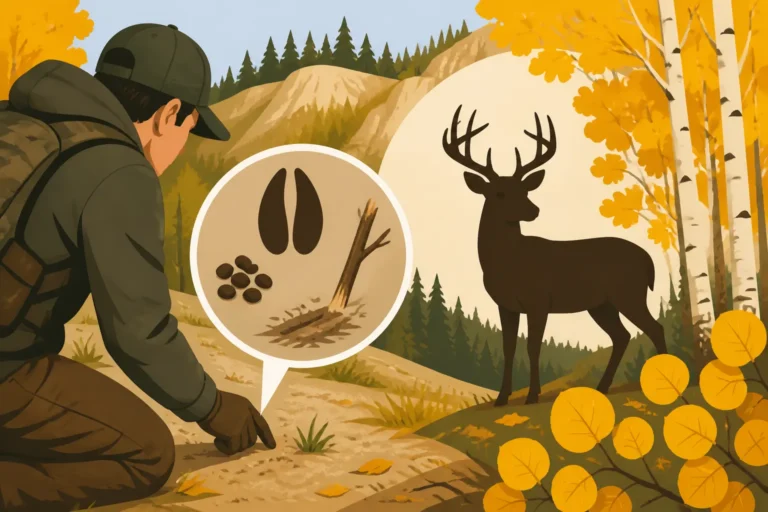
Reading whitetail sign in Alberta’s aspen bluffs, where the parkland offers food, water and cover and the clues deer leave help hunters predict their movements.
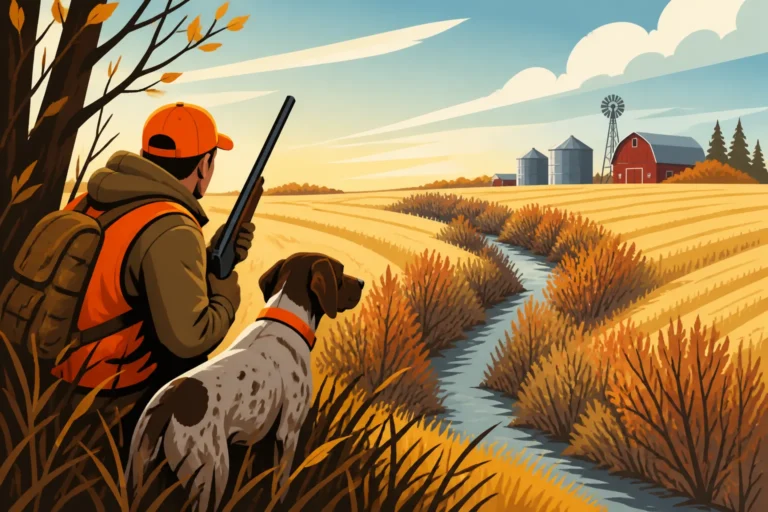
Willow runs in Alberta farm country provide whitetail deer with dense concealment, thermal protection, and reliable travel corridors.
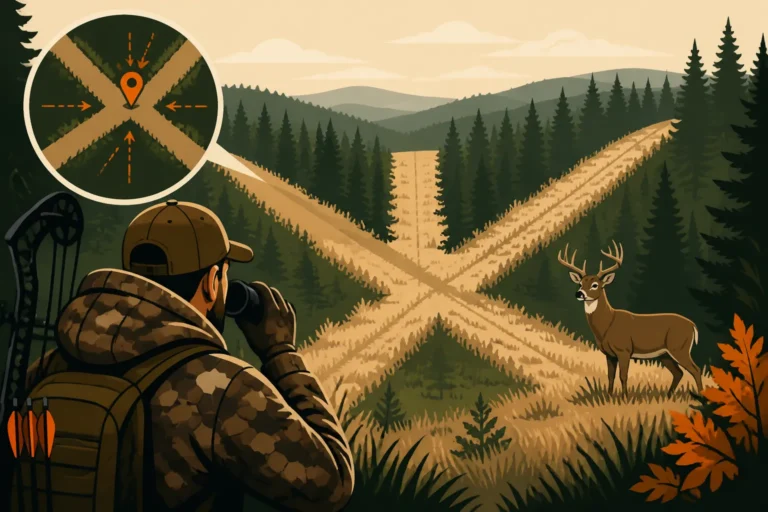
Cutline intersections in Alberta forests act as natural funnels for whitetail deer, increasing your chances of finding mature bucks during the rut.
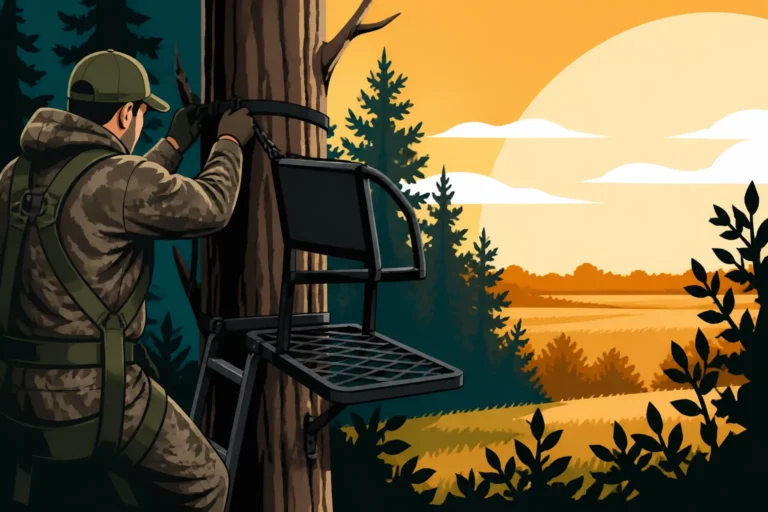
Hanging a deer stand on an Alberta bush edge requires strategic planning, scouting, and understanding whitetail movement patterns.
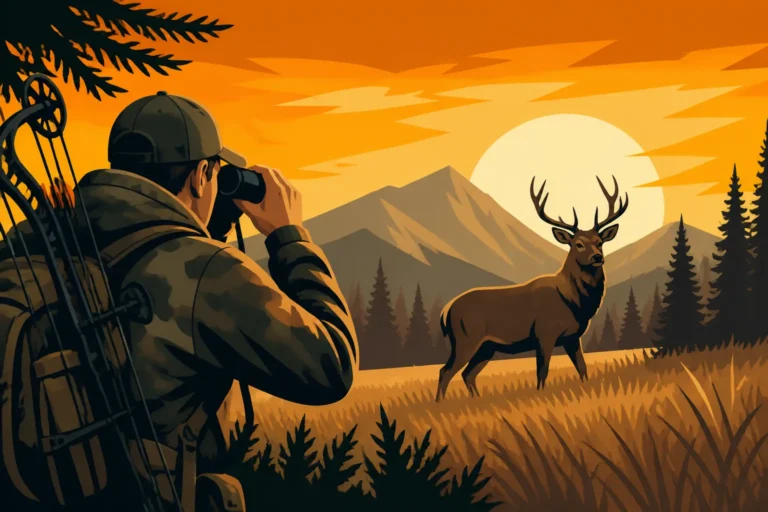
Early November whitetail deer hunting in Alberta reveals peak rut phases, breeding behavior, and changing animal movement patterns.
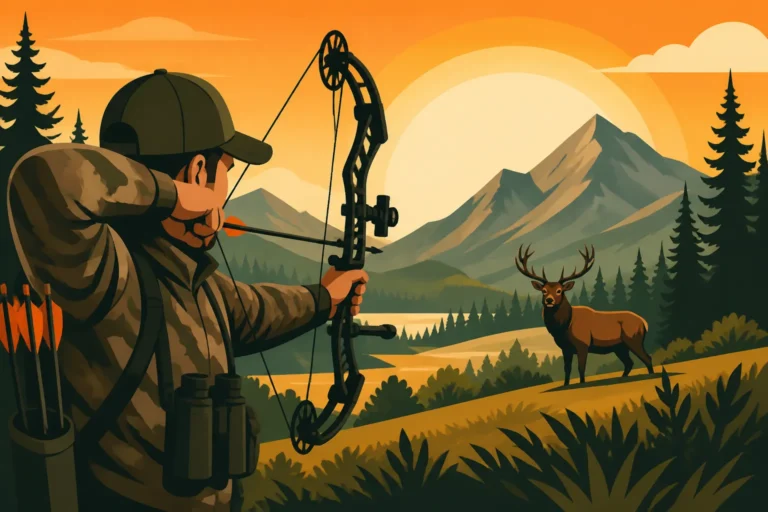
Alberta archery season opening dates vary by Wildlife Management Unit, typically starting in late August or early September.