Wind in Open Prairie Country
Alberta prairie wind management tactics help hunters track whitetails, mule deer, and pronghorn during difficult weather conditions.
Close the distance.
Archery, muzzleloader, and firearm techniques — calling, stand placement, still-hunting, spot-and-stalk, and the weapon rules that change at the state line.
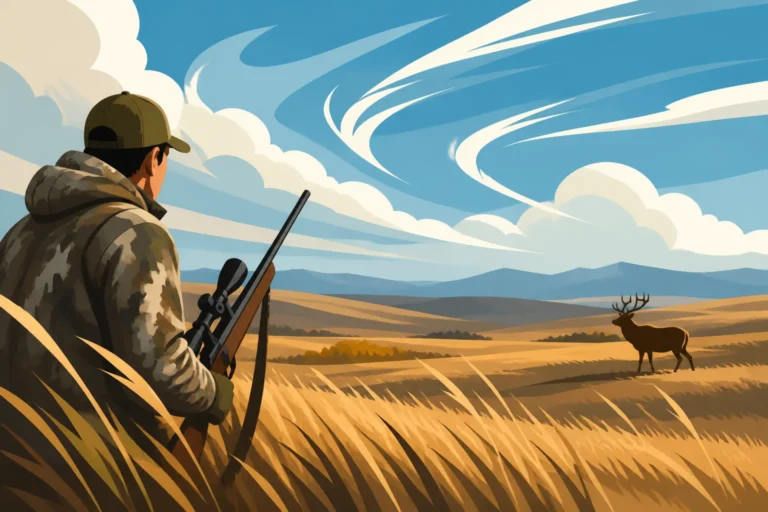
Alberta prairie wind management tactics help hunters track whitetails, mule deer, and pronghorn during difficult weather conditions.
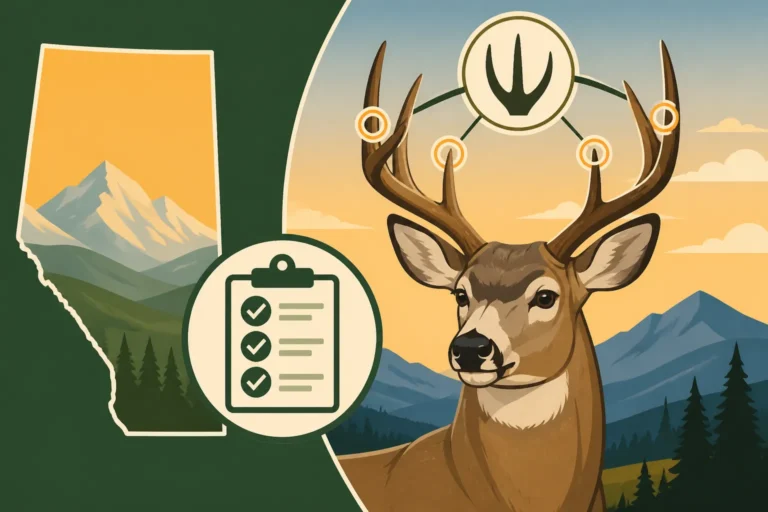
Alberta antler point rules require at least three points measuring over one inch long on one mule deer antler.
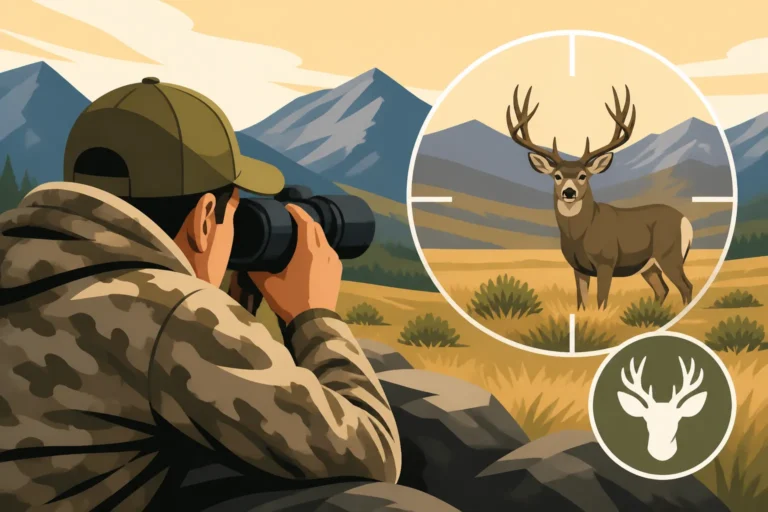
Assessing mule deer bucks at distance in Alberta requires overcoming optical illusions, difficult terrain, and shifting light conditions.
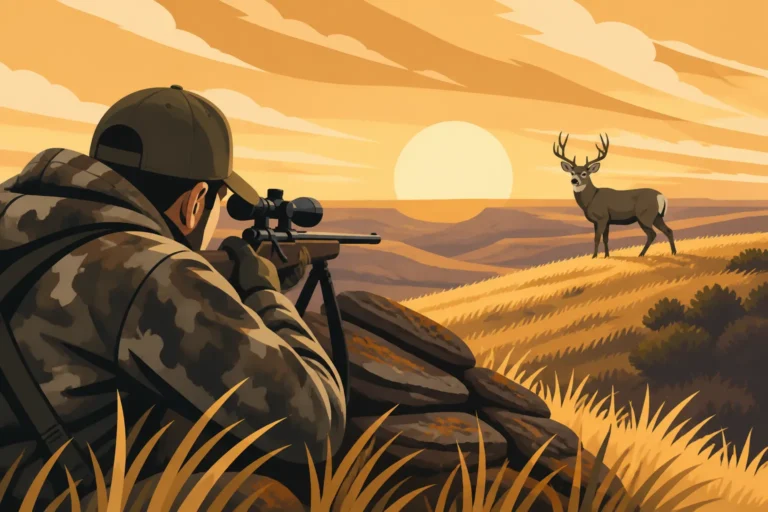
Alberta prairie mule deer habits, ridge terrain use, daily movement patterns, and effective scouting techniques for locating bucks.
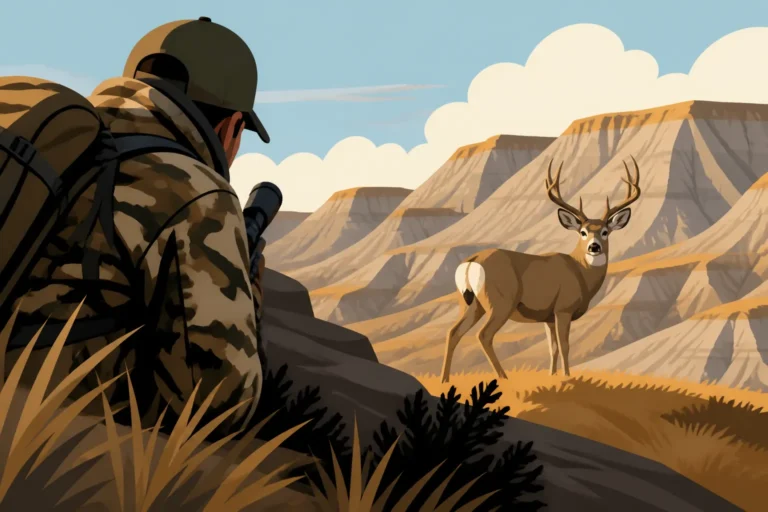
Mule deer stalking strategies for Alberta badlands breaks explain how to navigate rugged coulees, shifting winds, and track bucks.
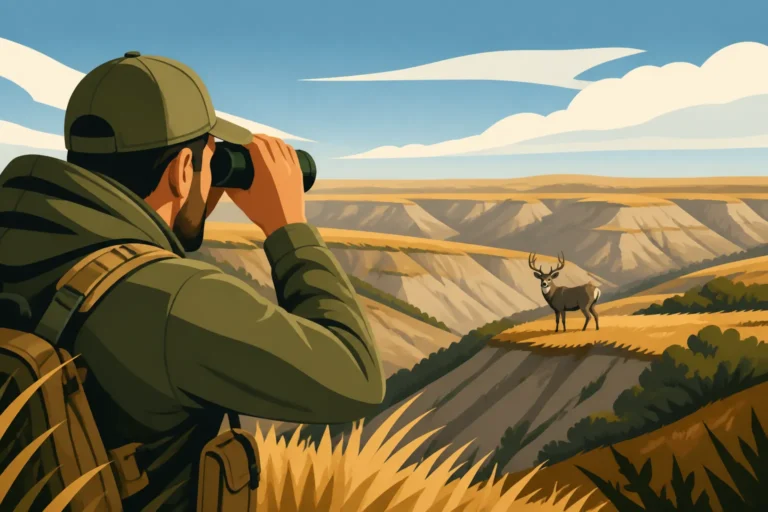
Glassing strategies for Alberta coulees help hunters locate mule deer bedded in steep ravines, aspen stands, and dense brush.
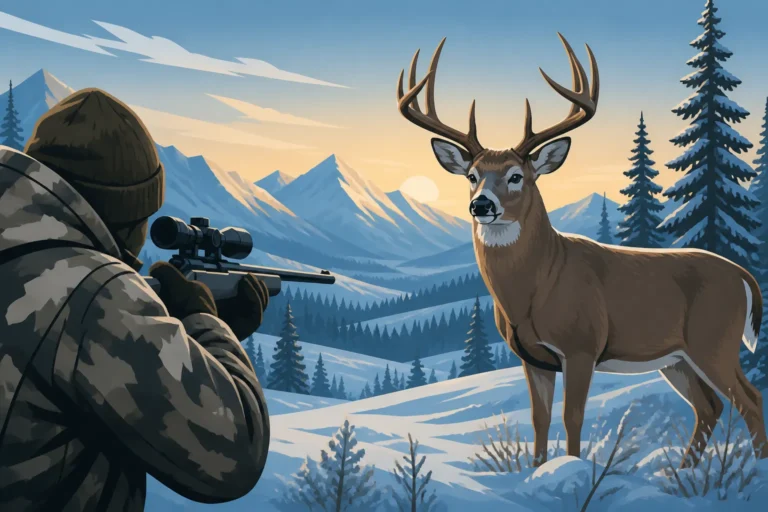
Alberta whitetail behavior during extreme cold helps hunters predict deer movement and locate thermal bedding areas easily.
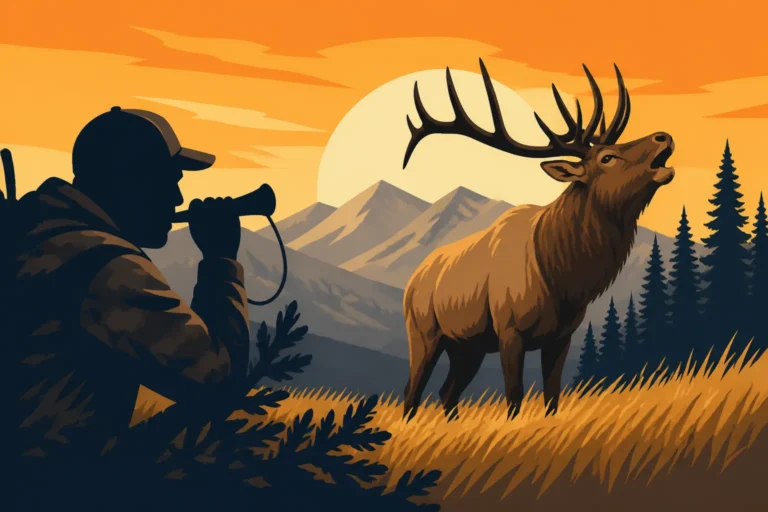
Grunt calls during Alberta’s late-season whitetail rut require subtle vocalizations to attract bucks seeking receptive does.
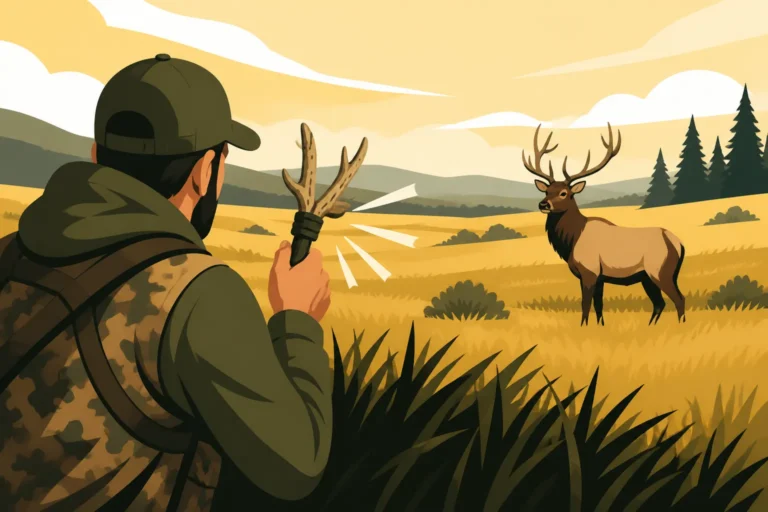
Rattling volume in Alberta parkland requires strategic adjustments to counter limited cover, vast sightlines, and unpredictable winds.
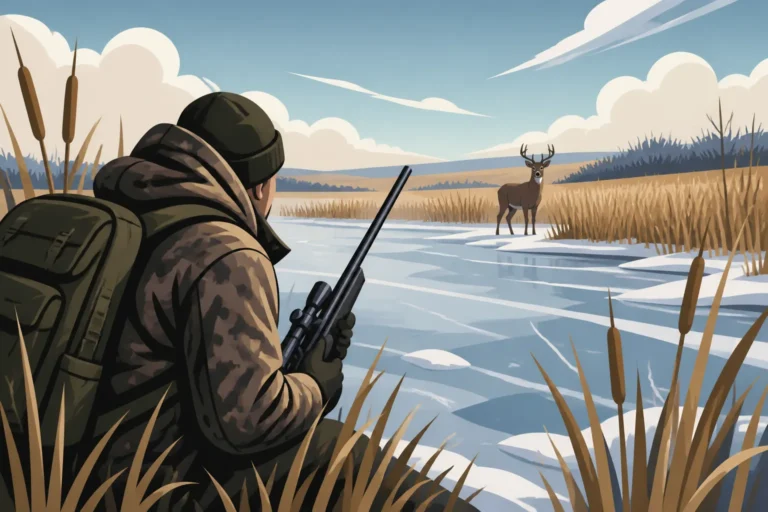
Alberta whitetail deer use frozen slough crossings as efficient travel corridors, linking bedding areas to winter feeding grounds.