Hunting Elk on Alberta’s Forestry Roads
Elk hunting along Alberta forestry roads requires understanding animal behavior, reading fresh sign, and planning strategic scouting routes.
Close the distance.
Archery, muzzleloader, and firearm techniques — calling, stand placement, still-hunting, spot-and-stalk, and the weapon rules that change at the state line.
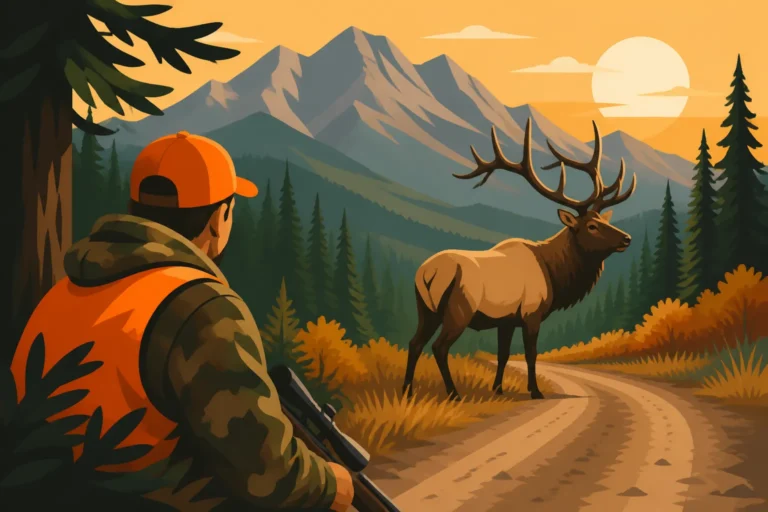
Elk hunting along Alberta forestry roads requires understanding animal behavior, reading fresh sign, and planning strategic scouting routes.
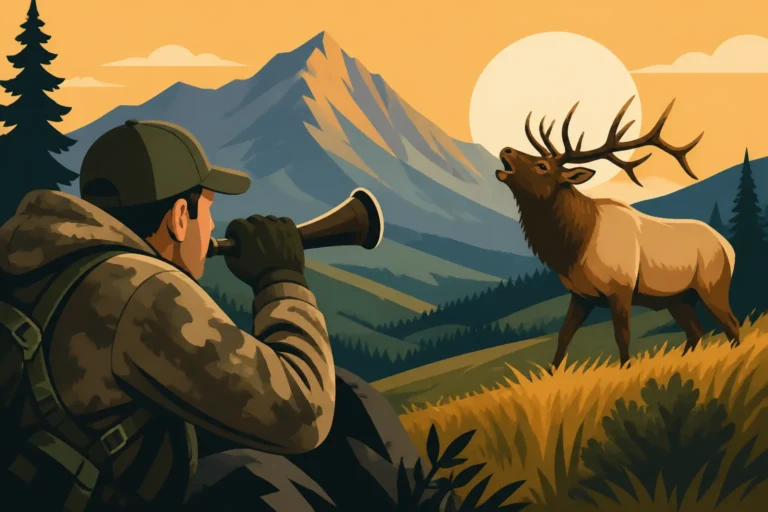
Alberta foothills bull elk hunting tactics, vocalization timing, and effective calling techniques for the September rut.
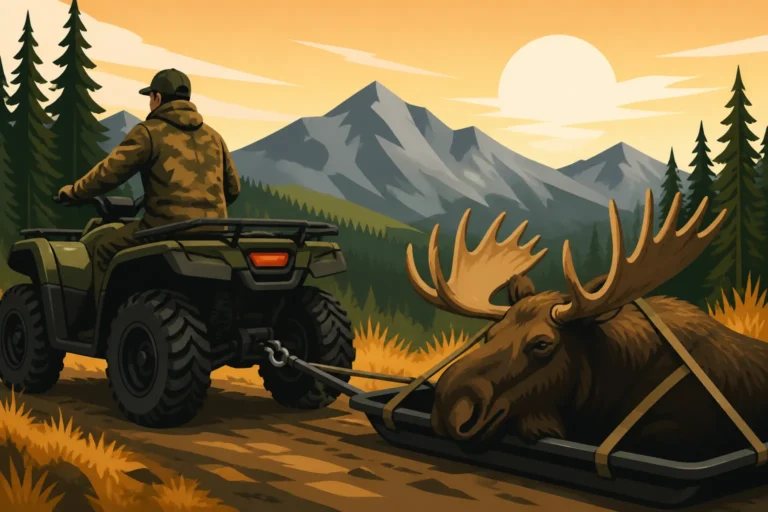
Quad moose recovery in Alberta requires checking wildlife regulations, planning routes, and using winches and game sleds.
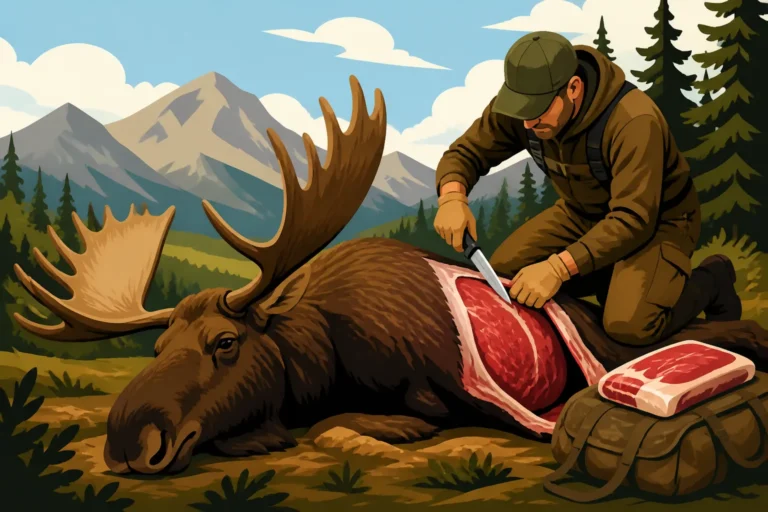
Solo moose quartering steps explain how one hunter processes a thousand pound bull safely in the Alberta bush using sharp knives and game bags.
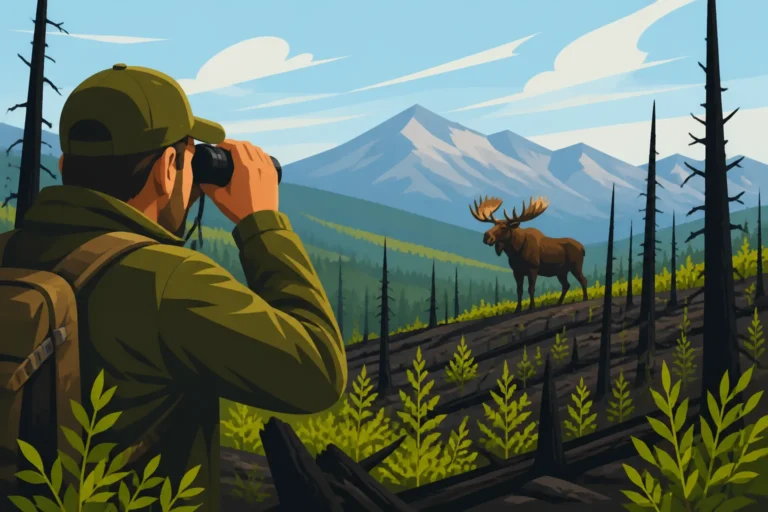
Glassing burned areas in Alberta provides moose hunters strategies to spot trophy bulls amidst regenerating forest growth.
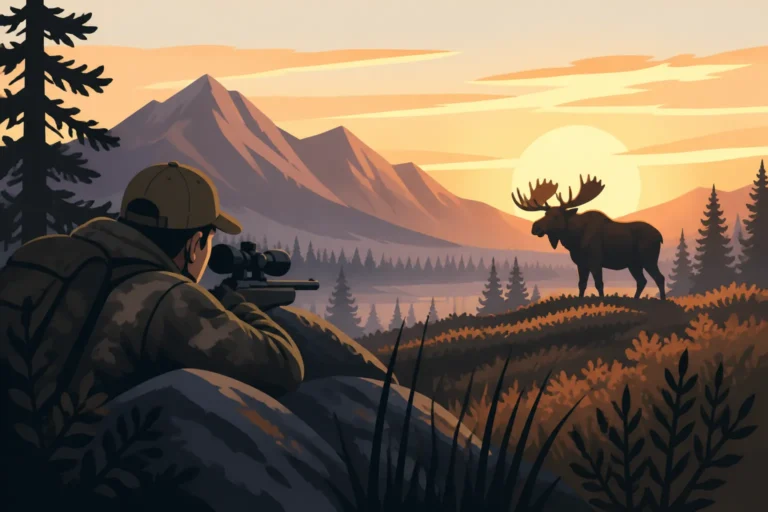
Alberta moose hunting tactics explain how to intercept animals along boreal cutlines during the critical first morning light.
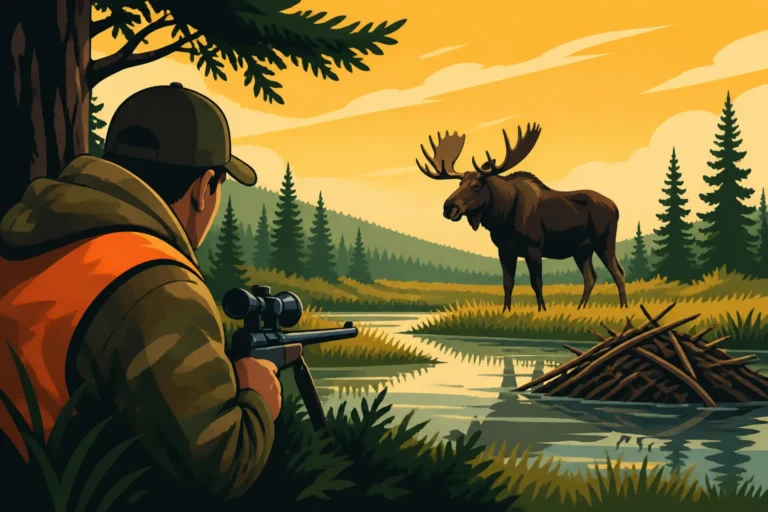
Alberta beaver ponds provide food, water, and cover, creating marshy wetlands that help hunters find moose in dense forests.
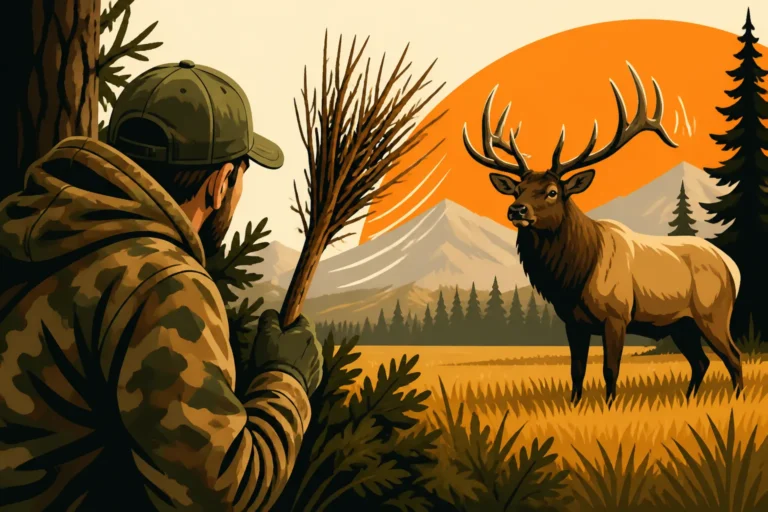
Raking brush during the Alberta moose rut simulates a dominant one-thousand-pound rival, providing audio and visual cues to draw in a bull.
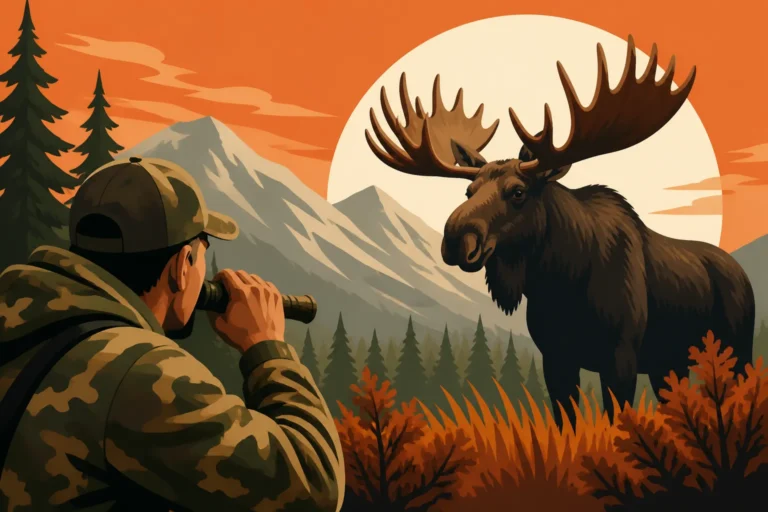
Alberta bull moose calling strategies, rut timing details from September to October, and boreal forest habitat locations.
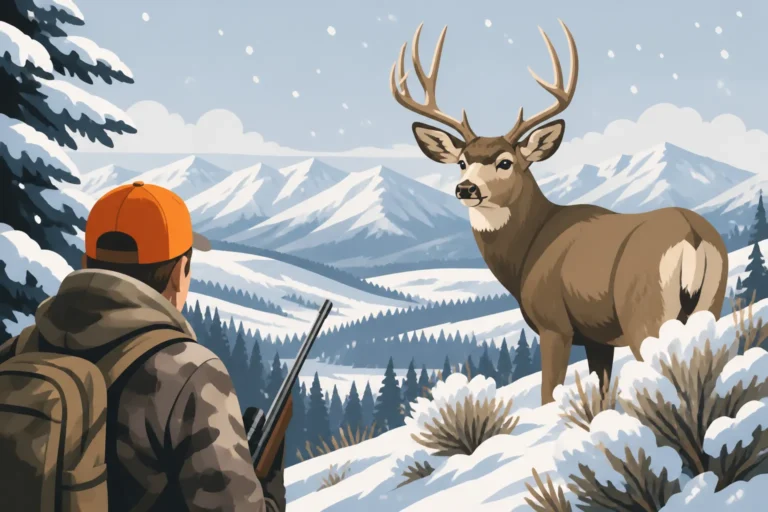
Fresh Alberta snowfall improves visibility and tracking, revealing mule deer tracks and predicting movement in coulee terrain.