Public Hunting Land in Alberta
One of the biggest hurdles many hunters face in Alberta, especially those new to the province or just getting started, is figuring out where they can actually hunt. The sheer variety of land types, regulations, and access rules can feel like trying to decipher an ancient map without a legend. It's frustrating when you just want to get out and enjoy our incredible wild spaces but feel bogged down by uncertainty. This guide is here to untangle that complexity, giving you a clear understanding of the public hunting land available across Alberta, so you can confidently plan your next adventure.
Understanding Alberta's Land Classifications for Hunters
Alberta is a vast province, and with that vastness comes a diverse patchwork of land designations. For hunters, understanding these fundamental classifications is the first step toward unlocking countless opportunities. It's not as simple as "public means huntable," and getting it wrong can lead to serious headaches, or worse.
White Area vs. Green Area: The Fundamental Divide
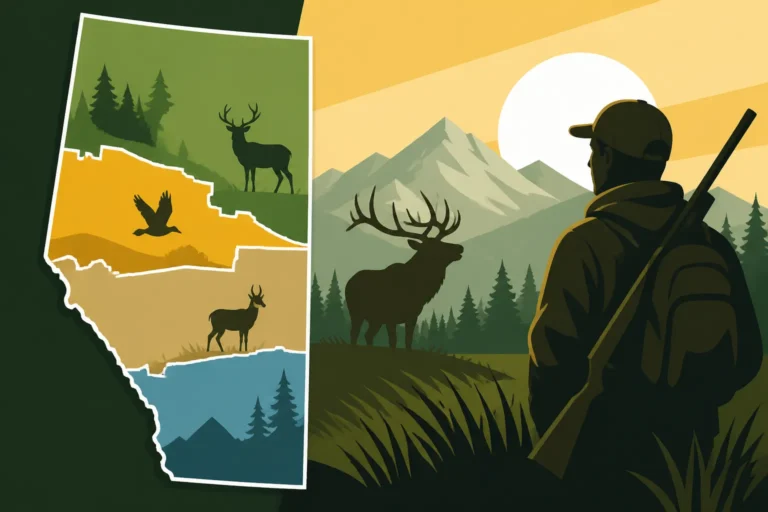
When you look at an official Alberta land use map, you'll quickly notice a distinct split between what's called the "White Area" and the "Green Area." This isn't just about forest cover; it's a critical legal and administrative distinction that dictates everything from land ownership to hunting access.
The White Area generally refers to the settled, predominantly agricultural and urbanized portions of the province. This includes the vast farmlands, small towns, and private residences that dominate central and southern Alberta. While there is some Crown (public) land within the White Area, the majority of it is privately owned. Hunting here almost always requires explicit permission from the landowner, which can be a significant challenge to secure. You'll find mixed parcels of public land, like road allowances or small natural areas, but navigating these requires a keen eye and often detailed mapping tools. The rules here are often more restrictive, and wildlife tends to be more pressured, making permission that much more valuable.
In stark contrast is the Green Area, which covers the vast forested and wilder regions of northern Alberta, as well as the mountainous and foothill zones along the province's western edge. This is where the bulk of Alberta's true public land hunting opportunities lie. The Green Area is primarily made up of Crown land, managed by the province for multiple uses, including forestry, energy development, and, crucially, recreation like hunting. While some private land exists even within the Green Area (such as certain leases or small private parcels), the default here is public access, making it a favourite for many hunters. Understanding Alberta's Green Area and White Area is fundamental to any hunting plan.
Provincial Parks and Protected Areas: Where You Can't Hunt
It's absolutely critical to remember that not all public land is open to hunting. Alberta has a robust network of provincial parks, ecological reserves, wilderness areas, and natural areas, all designed to protect specific ecosystems, wildlife, or recreational values. These areas are, by and large, completely off-limits to hunting. Trying to hunt in one of these designated protected zones is a serious offense, often carrying hefty fines and penalties.
The purpose of these protected areas is conservation and non-consumptive recreation. This means hiking, camping, birdwatching, and other activities are encouraged, but the harvest of wildlife is strictly prohibited. It's easy to get confused, especially when a provincial park might border prime hunting ground, or when a trail that starts in an open area leads into a restricted zone. Always consult current regulations and detailed maps, such as those found on onX Hunt or GoHunt, to ensure you know exactly where you are and where hunting is permitted. Ignorance of boundaries is not a valid excuse when a Fish and Wildlife Officer approaches.
Navigating Alberta's Crown Land: Your Primary Public Hunting Access
For most hunters in Alberta, "Crown Land" is the magic phrase that signals opportunity. This is land owned and managed by the provincial government, held in trust for all Albertans. However, even within Crown Land, there are different classifications and rules that hunters need to understand to ensure a legal and successful hunt.
General Crown Land: Open Season (Mostly)
The vast majority of the Green Area, and some scattered parcels within the White Area, falls under the designation of "General Crown Land." This is the public land that most hunters think of when they imagine heading out for deer, moose, or bears. For the most part, if you're on General Crown Land, and you have the appropriate licenses for the season and Wildlife Management Unit (WMU), you are good to go.
However, "mostly" is an important qualifier here. Even on General Crown Land, there can be specific restrictions or local bylaws that limit certain activities. For instance, some areas might have seasonal road closures, fire bans, or specific rules regarding the use of off-highway vehicles (OHVs). It's crucial to consult the current Alberta Hunting Regulations, as well as any local Forest Area or Parks notices, before heading out. Understanding Hunting Alberta's Crown Land means knowing the general access rules, but also being diligent about checking for any temporary or localized restrictions that might pop up.
Public Land Use Zones (PLUZs): Designated Recreation Areas
Alberta's Public Land Use Zones, or PLUZs, are specific areas of Crown Land, predominantly found in the Foothills and Mountain regions, that have been designated for intense recreational use and natural resource activities. Think of them as multi-use management areas where different activities, from logging to hiking to hunting, are carefully managed to reduce conflict and protect the environment.
Within PLUZs, there are often detailed regulations regarding motorized vehicle access, random camping, and even certain types of hunting activities. For example, some PLUZs might have specific trails designated for OHVs, while others are foot-access only. You might find areas where target shooting is permitted, or where certain types of hunting blinds are prohibited. These zones are designed to provide clear guidance for users, so you know what's expected. It's vital to research the specific PLUZ you plan to hunt, as the rules can vary considerably between them. Getting familiar with Alberta's Public Land Use Zones will make your hunt planning much smoother.
Provincial Grazing Reserves: Shared Use Lands
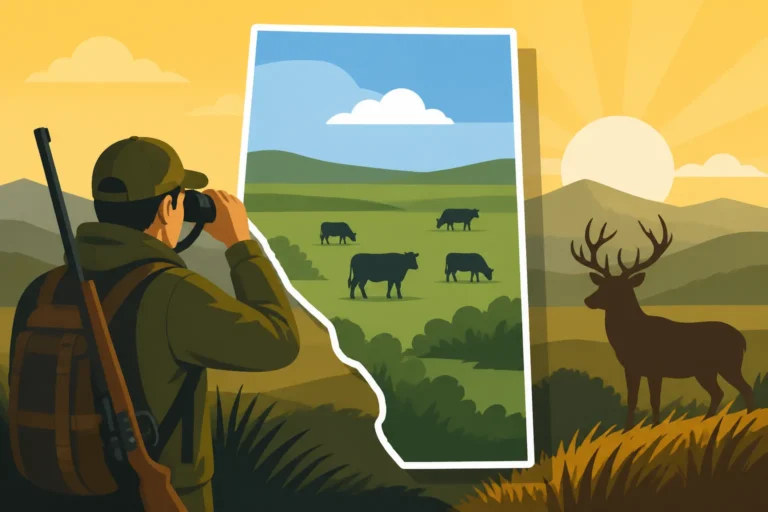
Provincial Grazing Reserves are another unique type of Crown Land, usually found in the White Area, particularly in central and southern Alberta. These reserves are primarily managed for cattle grazing, often leased to local agricultural producers. While their main purpose is ranching, many of these reserves are also open to public recreation, including hunting.
Hunting on Provincial Grazing Reserves comes with its own set of considerations. You're entering an active agricultural operation, so respecting livestock, infrastructure (fences, corrals, water sources), and the leaseholders is paramount. While permission from the leaseholder isn't legally required for hunting on many grazing reserves, it's often a highly recommended courtesy, and sometimes specific conditions (like avoiding certain pastures with active herds) might be in place. Always verify the specific rules for the reserve you intend to hunt, as some may have more restrictive access policies than others. Access often relies on good relationships, so a friendly call or knock on the door can go a long way.
Special Access and Managed Areas
Beyond the general classifications, Alberta also offers unique hunting opportunities through specifically managed access programs and certain land designations that blend public and private characteristics. These often require a bit more legwork but can lead to rewarding experiences away from common hunting pressure.
Alberta Conservation Association (ACA) Sites: Enhancing Opportunity
The Alberta Conservation Association (ACA) plays a vital role in providing and enhancing public access for hunters and anglers across the province. Through partnerships with private landowners, municipalities, and other conservation groups, the ACA secures access to private lands and often enhances existing public lands for wildlife habitat.
ACA properties and managed access sites are typically marked with distinctive signage, clearly indicating that they are open for public recreation, including hunting, during legal seasons. These sites can range from small natural areas nestled within agricultural land to larger parcels managed specifically for game species. They are a fantastic resource, particularly in the White Area, where private land dominates. Always consult the ACA's online resources or their annual "Hunt and Fish Guide" for maps and specific rules for each site. These locations are often jewels, offering a chance to hunt in areas that might otherwise be inaccessible.
Military Land Hunting Draws: Unique Opportunities
For a truly distinct hunting experience, Alberta offers limited opportunities to hunt on specific military training lands, such as Canadian Forces Base (CFB) Suffield and CFB Wainwright. These lands are generally off-limits to the public due to ongoing military exercises, but through special draw programs, hunters can gain access during specific windows.
These hunts are highly regulated, with strict safety protocols, designated hunting zones, and often mandatory orientations. The number of tags available is usually very limited, and successful applicants are chosen through a draw system, making them highly sought after. While the application process might be more involved and the rules more stringent, these areas often hold exceptional wildlife populations due to limited human disturbance outside of these special hunts. If you're looking for an unusual challenge and potentially a quality animal, keep an eye on the military land draw announcements.
Forest Reserves and Wildland Provincial Parks
While we already touched on the Green Area, it's worth highlighting Forest Reserves and Wildland Provincial Parks more specifically. Forest Reserves are large tracts of forested Crown land, primarily in the Rocky Mountains and Foothills, managed for multiple resource uses including forestry, energy, water management, and recreation. Hunting is generally permitted within Forest Reserves, provided you adhere to the specific WMU regulations and any local restrictions (like PLUZ rules, which often overlay parts of Forest Reserves). Access is often via the extensive network of forestry roads and seismic lines.
Wildland Provincial Parks, on the other hand, are a step up in protection from general Forest Reserves, emphasizing wilderness preservation and non-motorized recreation. While they permit a range of activities, hunting regulations can be more specific. Some Wildland Provincial Parks allow hunting, while others may restrict it or have very particular conditions. It's crucial to distinguish these from regular Provincial Parks, which are typically no-hunting zones. Always confirm the specific regulations for any Wildland Provincial Park you consider, as their status often means a greater commitment to backpack or horseback hunting, providing true backcountry experiences.
Tools and Strategies for Finding Public Land
In today's age, simply knowing that Crown land exists isn't enough. Hunters need practical tools and smart strategies to pinpoint exactly where those public boundaries lie, understand access points, and navigate the complex mosaic of land ownership. Thankfully, technology has made this task significantly easier.
Digital Mapping Applications: Your Modern Scout
Forget crumpled paper maps that get soaked in the rain. Modern digital mapping applications are revolutionary for hunters. These apps, like onX Hunt and GoHunt, overlay detailed land ownership information directly onto your phone or GPS device, showing you exactly where public land begins and private land ends, often right down to the quarter section.
These tools are invaluable for:
- Identifying Crown Land: You can instantly see parcels of provincial, federal, and municipal public land.
- Locating Access Points: They show roads, trails, and even obscure cutlines that might lead to remote hunting spots.
- Navigating Boundaries: In mixed ownership areas, these apps are critical for staying off private land, helping you avoid accidental trespass, which is a major concern for responsible hunters.
- Scouting from Home: You can scout potential hunting areas from your couch, identifying terrain features, water sources, and pinch points before you even set foot in the field.
- Offline Use: Many allow you to download maps for offline use, essential in Alberta's vast backcountry where cell service is often non-existent.
Having a reliable mapping app is almost as important as your rifle or bow when hunting in unfamiliar territory, or even in areas you think you know well. They help you stay legal, safe, and effective.
Reading Alberta's Official Land Use Maps
While digital maps are fantastic, understanding how to read and interpret traditional land use maps from official sources remains a critical skill. Alberta Environment and Parks, as well as various forestry divisions, publish maps that detail land classifications, access roads, public land use zones (PLUZs), and forestry management units.
These maps often provide context that a simple property line overlay might miss. For example, they can show:
- Forestry Road Networks: Identifying major and minor access roads, including those that might be seasonally closed or require a key.
- Recreation Areas: Highlighting designated camping zones, staging areas, or non-motorized areas.
- Specific Lease Boundaries: While digital apps show general private/public, official maps can sometimes offer more detail on industrial or grazing leases within Crown land.
- Topographical Features: Contours, drainages, and elevation changes are crucial for understanding animal movement and planning stalks.
Always cross-reference your digital maps with official sources, particularly for regulations unique to specific areas. Knowing how to interpret a contour line or identify a "no entry" symbol can save you from a lot of trouble. Consulting Reading an Alberta WMU Map Before You Go will deepen your understanding of these crucial resources.
Identifying Access Points and Restrictions
Finding the boundary of public land is one thing; actually getting onto it is another. Many parcels of Crown land, especially in the White Area, can be surrounded by private property, creating "landlocked" public access. Even in the Green Area, gates, industrial activity, or unmaintained roads can impede access.
Key strategies for identifying access points and restrictions include:
- Using Alberta's Recreational Access Mapping Tool: This online tool is designed to help users identify public land and understand access rules. It's a fantastic starting point for planning your hunt and understanding Using Alberta's Recreational Access Mapping Tool.
- Scouting Prior to Season: There's no substitute for boots on the ground (or tires on the gravel). Drive or walk the perimeters of areas you intend to hunt. Look for marked access points, public roads, or easements.
- Checking for Easements and Right-of-Ways: Sometimes, public land is accessible via a utility corridor, an old pipeline, or a dedicated recreational easement across private land. These are often marked or visible on detailed maps.
- Contacting Local Authorities: If in doubt, call the local Fish and Wildlife office, a forest ranger station, or the land management branch. They can provide clarification on specific access issues or restrictions.
- Respecting "No Trespassing" Signs: Even if your map shows public land, if access requires crossing private land, you must obtain permission. Never assume. Remember Alberta Landowner Permission Law applies everywhere, even if the destination is Crown land.
Respectful Use and Ethical Considerations on Public Land
Hunting on public land is a privilege, not a right. With that privilege comes a significant responsibility to use these shared resources ethically and respectfully. Our actions, or inactions, reflect not only on us as individuals but on the entire hunting community. Being a good steward of public land ensures it remains open and accessible for generations to come.
Vehicle and Off-Highway Vehicle (OHV) Rules
The use of vehicles, particularly Off-Highway Vehicles (OHVs) like quads and side-by-sides, is a hot topic on public lands. While OHVs can be incredibly useful for accessing remote areas and retrieving game, their misuse can lead to severe environmental damage, conflicts with other users, and negative perceptions of hunters.
Alberta has specific regulations regarding OHV use on Crown land, especially within PLUZs and Forest Reserves. These rules dictate:
- Designated Trails: Many areas restrict OHV use to marked and designated trails only, prohibiting cross-country travel.
- Seasonal Closures: Trails might be closed seasonally (e.g., during spring thaw to prevent rutting, or to protect critical wildlife habitat).
- Sensitive Areas: Certain ecosystems, like wetlands or alpine meadows, are often completely off-limits to OHVs.
- Wildlife Harassment: Using an OHV to chase, herd, or intentionally disturb wildlife is illegal and unethical.
- Noise and Disturbance: Be mindful of the noise your vehicle makes and its impact on other users (hikers, equestrians, campers) and wildlife.
Always consult the latest regulations for the specific area you're in. Fines for violating OHV rules can be substantial, and the long-term impact on access for all hunters can be detrimental. Familiarize yourself with Vehicle Rules on Alberta Crown Land to avoid any issues.
Camping and Campfire Regulations
Many public land hunts in Alberta involve camping, whether it's a truck camp at the end of a forestry road or a spike camp deep in the backcountry. Camping on Crown land, often referred to as "random camping," is generally permitted, but it's not a free-for-all.
Regulations often include:
- Distance from Water Bodies: Requirements to camp a certain distance from lakes, rivers, or streams to protect water quality.
- Length of Stay Limits: To prevent long-term occupation, there are usually limits on how many days you can camp in one spot.
- Waste Management: Absolutely everything you pack in must be packed out, including all garbage and human waste in sensitive areas.
- Campfire Restrictions: During dry periods, fire bans are common and strictly enforced. Always check current fire restrictions before lighting a campfire. Use existing fire rings where possible, keep fires small, and ensure they are cold out before leaving.
- Hunting Camp Etiquette: Be considerate of other hunters and users. Don't set up camp right next to another party, keep noise down, and avoid leaving a mess.
Responsible camping practices are essential for maintaining the pristine nature of our public lands and ensuring that random camping remains a viable option for hunters. Understanding Camping Rules on Alberta Crown Land is crucial for any overnight hunt.
Leaving No Trace: Preserving Our Shared Resource
The principle of "Leave No Trace" is fundamental to ethical public land use. It means leaving the environment as you found it, or even better, than when you arrived. This goes beyond just packing out your trash.
Consider these aspects:
- Pack It In, Pack It Out: This includes spent shell casings, packaging, food scraps, and anything else you brought with you. Consider bringing a separate bag specifically for garbage.
- Minimize Campfire Impacts: Use established fire rings, gather only dead and downed wood, and ensure fires are completely extinguished.
- Dispose of Waste Properly: Bury human waste at least 6-8 inches deep and 200 feet from water, trails, and camps. Pack out toilet paper.
- Respect Wildlife: Keep a safe distance, don't feed animals, and avoid disturbing their natural behaviour.
- Stay on Trails: Avoid creating new trails or cutting across sensitive vegetation with vehicles or on foot.
- Minimize Your Presence: Try to leave minimal evidence of your passage. This helps maintain the wilderness experience for others and prevents cumulative damage.
By adhering to Leave No Trace principles, hunters demonstrate a deep respect for the land and its wildlife, which ultimately benefits the future of hunting in Alberta.
Common Challenges and How to Overcome Them
Even with all the right tools and knowledge, hunting on public land in Alberta comes with its share of challenges. From navigating crowds to dealing with unexpected closures, being prepared for these obstacles is key to a successful and enjoyable experience.
Dealing with Hunting Pressure
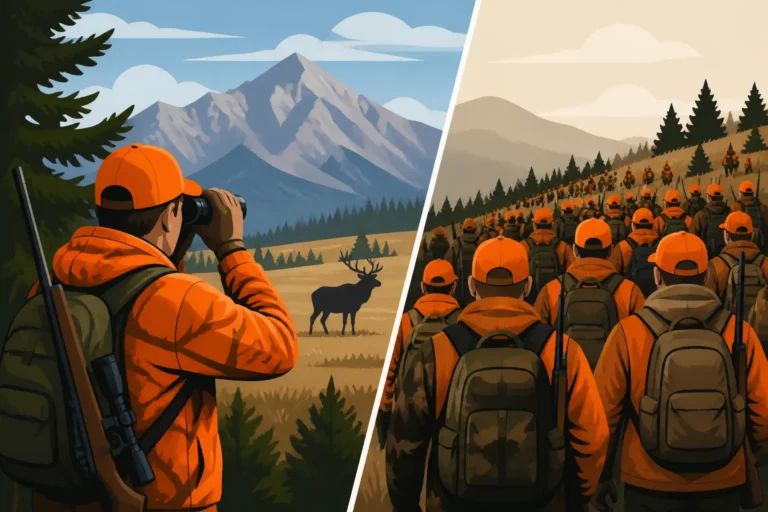
Public land, by its very nature, is accessible to everyone, and this often means hunting pressure. On popular opening weekends, especially for species like whitetail deer or elk, you might find yourself sharing the woods with more hunters than you anticipated. This can lead to frustration, reduced success, and safety concerns.
Strategies to mitigate hunting pressure include:
- Hunt Mid-Week: If your schedule allows, hunting on weekdays often sees significantly less pressure than weekends.
- Hunt Later in the Season: As the season progresses, many hunters drop off, leaving more elbow room for dedicated late-season hunters. Hunting Deep Cold Late in the Season can be highly productive precisely because of reduced pressure.
- Go Deeper: The further you're willing to walk, pack, or go off the beaten path, the fewer people you'll encounter. Most hunters stick close to roads and access points.
- Target Less Popular Species/WMUs: Some WMUs or less glamorous species (like coyotes or certain upland birds) simply don't attract the same crowds.
- Hunt During Inclement Weather: While challenging, hunting during rain, snow, or extreme cold can deter many hunters, leaving you with more solitude. Hunting Alberta Winter Weather Safely becomes an advantage.
- Scout Smarter: Look for areas that are difficult to access, perhaps requiring a longer walk or specific vehicle capability. These are often overlooked.
Navigating Access Issues Around Private Holdings
As mentioned, much of Alberta's public land is found in a patchwork with private property. This can lead to situations where a fantastic piece of Crown land is effectively inaccessible because it's surrounded by private holdings.
Here's how to navigate this:
- Permission is Key: If the only way to access public land is by crossing private land, you must obtain permission from the landowner. A friendly, respectful approach can often open doors.
- Look for Public Easements: Sometimes, county roads, utility rights-of-way, or other public easements cut through private land, providing legal access. Always verify these on a map.
- Utilize Water Access: If public land borders a navigable waterway, you might be able to access it by boat, canoe, or even by walking the foreshore (though rules for the foreshore can be complex).
- Consider Adjacent Public Land: Is there another piece of Crown land connected that you can access without crossing private? It might mean a longer hike, but it's legal.
- Mapping Tools are Essential: Tools like onX Hunt or the provincial access maps are crucial for identifying these "landlocked" parcels and for planning alternative routes. Finding Alberta Public Land Boundaries is your first step here.
Understanding Land Closures (Wildfire, Industrial, etc.)
Alberta's landscape is dynamic, and public land can be subject to closures due to various factors, often with little notice. Nothing ruins a hunt faster than arriving at your destination only to find it closed.
Common reasons for closures include:
- Wildfire: During dry seasons, large areas of forested land can be closed to all access, including hunting, to prevent and manage wildfires. These closures are serious and strictly enforced. Alberta Wildfire Closures and Hunting is a yearly reality in many areas.
- Industrial Activity: Logging, oil and gas exploration, or other resource extraction projects can temporarily close roads or entire blocks of Crown land for safety reasons.
- Wildlife Management: Occasionally, specific areas might be closed to protect critical wintering habitat for elk or moose, or to manage disease outbreaks.
- Environmental Concerns: Extreme weather events, such as severe flooding, can lead to trail and road closures.
Always check for current advisories and closures before you leave home. Provincial government websites, local Fish and Wildlife offices, and forestry departments often have up-to-date information. It's also wise to check local social media groups or forums for real-time updates from fellow hunters. A quick check of these resources can save you a long, frustrating drive.
Planning Your Public Land Hunt in Alberta
Effective planning is the cornerstone of any successful and enjoyable public land hunt in Alberta. It goes beyond just knowing where you can hunt; it's about understanding the specific challenges of your chosen area, preparing yourself physically and mentally, and having the right gear.
Researching WMU Regulations and Species Opportunities
Alberta is divided into numerous Wildlife Management Units (WMUs), and each WMU has its own specific regulations, season dates, and bag limits for various species. What's legal in one WMU might be prohibited in an adjacent one. Failing to research your specific WMU is a recipe for disaster.
Your research should include:
- Season Dates: When are the general seasons for the species you're targeting? Are there specific archery or muzzleloader seasons? Alberta Big Game Season Dates are critical.
- Bag Limits: How many animals of a particular species can you harvest? Are there antler point restrictions (e.g., three-point or better mule deer)?
- Mandatory CWD Testing: Are you hunting in a WMU that requires mandatory Chronic Wasting Disease (CWD) submission for deer, moose, or elk? Alberta's CWD Testing Requirements are important for specific zones.
- Specific Access Rules: Are there any PLUZ regulations, OHV restrictions, or special access permits required for your WMU?
- Species Concentration: While not regulated, understanding where specific game species are more prevalent will obviously increase your odds. Resources like the Alberta government's species distribution maps and discussions with local hunters or Fish and Wildlife officers can provide valuable insights. White-Tailed Deer, Alberta's Most Hunted Big Game or Mule Deer in Alberta's Open Country might thrive in different WMUs.
Essential Gear for Public Land Hunting
Public land hunting often means self-sufficiency. Unlike a guided hunt, you're responsible for all your gear, logistics, and safety. Your gear list will vary greatly depending on the species, terrain, and time of year, but some essentials are universal.
Key Gear Considerations:
| Category | Essential Items | Considerations for Public Land |
|---|---|---|
| Navigation | GPS device or smartphone with mapping app (e.g., onX Hunt), compass, paper map | Critical for staying legal and safe, especially in areas with no cell service. Bring backups. |
| Safety & First Aid | Comprehensive first-aid kit, bear spray (in bear country), emergency shelter, fire starter, headlamp | You are your own first responder. Be prepared for injuries, getting lost, or unexpected nights out. |
| Clothing | Layered system suitable for weather, blaze orange (if required), waterproof outer shell, sturdy boots | Alberta weather can change rapidly. Dress for comfort, concealment (where allowed), and protection from elements. |
| Hunting Specific | Rifle/bow, ammunition/arrows, binoculars, rangefinder, game calls, knife, game bags | Match gear to your target species and hunting method. Quality optics are invaluable on open country. |
| Food & Water | Sufficient water (or filter), high-energy snacks, emergency rations | Hydration and nutrition are vital. Plan for more than you think you'll need. |
| Shelter (if camping) | Tent, sleeping bag, sleeping pad | Lightweight and durable for backcountry, comfortable for truck camping. |
| Game Retrieval | Strong rope, tarp, game cart/pack frame (for larger animals) | Plan for how you'll get your animal out, especially alone or far from the road. |
Don't skimp on quality for essential safety and navigation gear. Investing in good equipment is investing in your success and safety.
Scouting and Preparation for Success
Successful public land hunting almost always boils down to thorough scouting and preparation. You can't just show up on opening day and expect to find game, especially with potential hunting pressure.
Effective preparation involves:
- Pre-Season Scouting: Use satellite imagery (like that offered by onX Hunt or GoHunt) to identify potential bedding areas, feeding zones, water sources, and travel corridors. Look for natural funnels, pinch points, and areas of dense cover. Scouting With Satellite Imagery in Alberta is a game changer.
- On-the-Ground Scouting: Nothing beats walking the terrain. Look for fresh sign: tracks, rubs, scrapes, droppings, and well-used trails. Pay attention to prevailing winds and access routes. Reading Whitetail Sign in Alberta Aspen Bluffs or Hunting Mule Deer in the Badlands Coulees both require specific scouting focus.
- Physical Fitness: Public land often means covering significant distances over challenging terrain. Be in good physical condition to handle long hikes, packing out game, and adverse weather. Fitness for an Alberta Sheep Hunt might be extreme, but even deer hunting can be strenuous.
- Practice Your Shooting: Know your firearm or bow intimately. Practice shooting from various positions and at different ranges, so you're confident when the moment of truth arrives. Practicing Before a Guided Hunt applies just as much to self-guided public land hunts.
- Contingency Planning: What's your plan if you get lost, injured, or if the weather turns severe? Have emergency contacts, a satellite messenger, and a clear plan of action.
Public land in Alberta offers incredible hunting opportunities, but it demands respect, preparation, and a commitment to ethical practices. By understanding the land classifications, utilizing modern tools, and embracing responsible hunting principles, you can unlock a lifetime of adventures in Alberta's wild spaces.
Disclaimer
This article is for general informational purposes only and does not constitute professional advice. Laws, prices and regulations vary by location and change over time. Consult a qualified professional for guidance on your specific situation.