Moose Hunting Alberta’s Boreal Forest
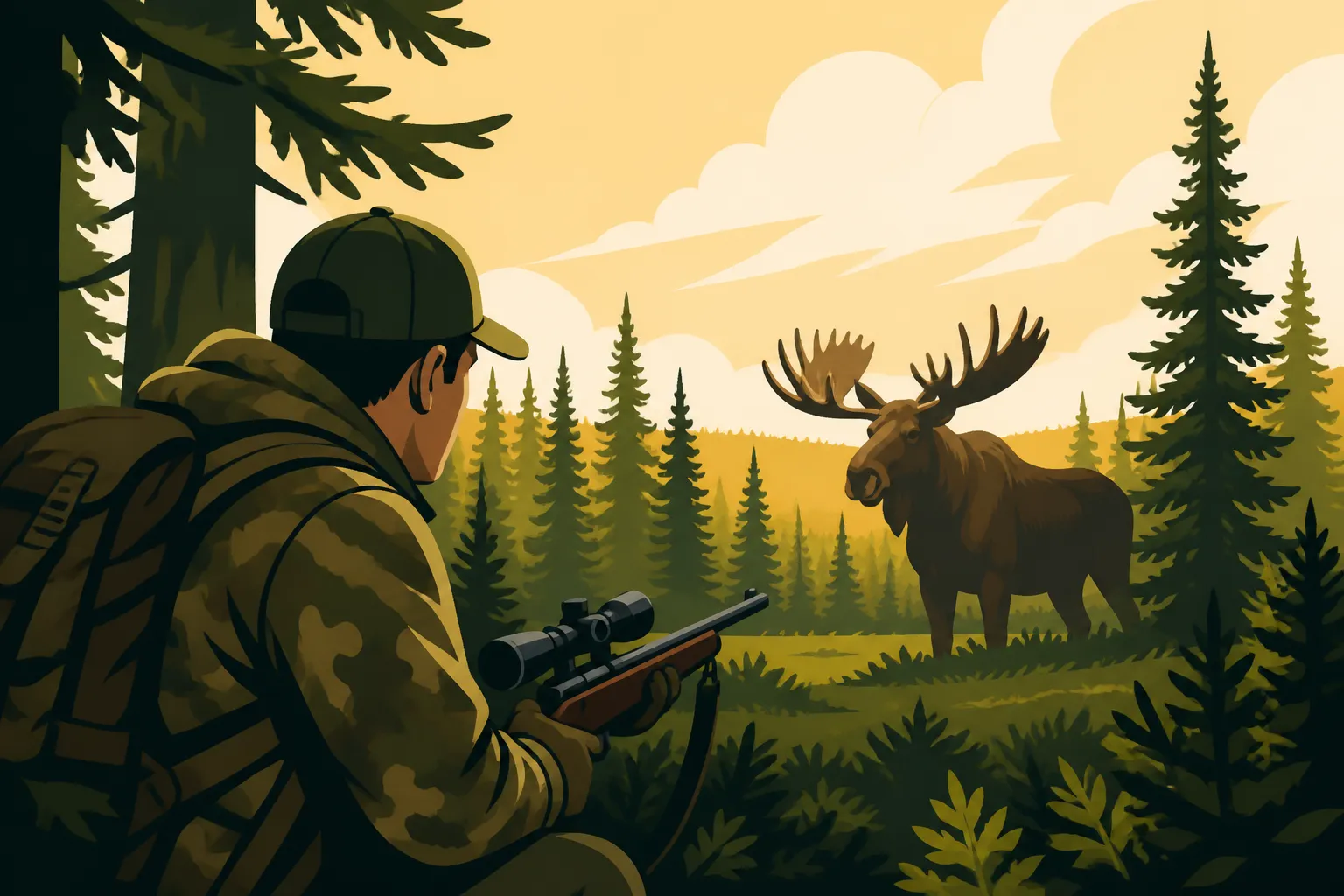
The vast, unbroken expanse of Alberta's Boreal Forest presents a unique and often daunting challenge for moose hunters. Unlike the more accessible agricultural zones, this rugged wilderness demands specialized knowledge, robust gear, and an unwavering commitment to overcome its inherent difficulties. This comprehensive guide will arm you with the strategies, insights, and practical advice needed to navigate this formidable terrain and increase your odds of tagging a truly magnificent boreal bull.
Understanding the Boreal Forest Moose Habitat
Hunting moose in Alberta's boreal forest isn't like hunting deer in a cultivated field; it's an immersive experience in a wild, untamed landscape. To succeed, you first need to understand the environment these magnificent animals call home and how their lives are intrinsically linked to its rhythms.
The Unique Boreal Ecosystem for Moose
Alberta's Boreal Forest, often referred to as the "Green Area," is a sprawling mosaic of coniferous and deciduous trees, muskeg, countless lakes, rivers, and wetlands. This ecosystem provides everything a moose needs: abundant browse, water, and dense cover. Unlike the mixed wood or agricultural zones, the boreal is characterized by vast tracts of relatively undisturbed wilderness. You'll find stands of black spruce, white spruce, balsam fir, lodgepole pine, and aspen, interspersed with willow thickets and alder swamps. These areas, particularly where different forest types meet or where disturbances like wildfires or logging have occurred, are prime moose habitat. Young, regenerating forest after a burn or a cutblock provides a bounty of saplings and shrubs—like willow, aspen, and balsam fir—which are critical food sources for moose. The extensive water bodies, from small beaver ponds to large lakes and slow-moving rivers, also offer aquatic vegetation that moose absolutely relish, especially in warmer months. Understanding this intricate relationship between the moose and its habitat is the first step towards a successful hunt.
Moose Behavior and Preferred Cover
Moose are creatures of habit and efficiency. They gravitate towards areas that offer both ample food and protective cover from predators and harsh weather. In the boreal, this often means they will be found in dense timber pockets adjacent to more open feeding areas. Think of the edges of old clearcuts, the periphery of a recent burn where new growth is sprouting, or the transitions between coniferous stands and willow-choked swamps. During the heat of the day, particularly during the early archery and general seasons, moose will often bed down in thick cover, sometimes even standing in shallow water to escape insects and cool off. As temperatures drop and the rut approaches, they become more active, moving longer distances between feeding and bedding sites. They also utilize linear features like old game trails, seismic lines, and cutlines as travel corridors, which can be fantastic places to intercept them. Look for fresh tracks, broken branches from browsing, rub signs on small trees, and well-used trails leading into dense cover or water sources. These subtle clues are like breadcrumbs, guiding you to where a moose has been and, more importantly, where it's likely to be again.
Essential Gear for Boreal Moose Hunting
Hunting in Alberta's boreal forest is not for the faint of heart, and your gear needs to be up to the challenge. The remoteness, variable weather, and dense terrain demand thoughtful preparation and reliable equipment. Don't skimp on quality here; your comfort and safety depend on it.
Firearms, Ammo, and Archery Gear
For big game like moose, you need a reliable, powerful firearm. In Alberta, legal rifle calibres for big game generally start at .23 and above, but for moose, something in the .300 family (like .300 Win Mag, .30-06, or .338 Win Mag) or even a 7mm Rem Mag is more appropriate to ensure a clean, ethical kill. Shot placement is always paramount, but having enough knockdown power helps immensely when dealing with an animal of this size. Ensure your rifle is sighted in perfectly for the distances you anticipate shooting, which in dense boreal cover often means closer ranges, but can extend if you're hunting along a cutline or open burn. Pack ample, high-quality ammunition that you've tested with your rifle. For archers, the legal bow draw weight in Alberta is a minimum of 40 pounds. A well-tuned setup with heavy, durable arrows and broadheads designed for deep penetration is critical. Remember, you'll likely be shooting through small windows in the timber, so practice shooting from various positions and ranges. Always refer to the latest Alberta hunting regulations for specific details on Legal Firearms and Bows for Big Game.
Clothing and Footwear for Tough Terrain
The boreal environment is a gear destroyer. Your clothing and footwear must be robust, comfortable, and adaptable to rapidly changing weather conditions. Layers are absolutely key. Start with a moisture-wicking base layer, add insulating mid-layers like fleece or wool, and top it off with a waterproof and windproof outer shell. Blaze orange requirements in Alberta mean you'll need to wear at least 400 square inches of blaze orange material on your head, chest, and back when hunting big game with a firearm during the general season. Choose durable fabrics that can withstand thorns, snags, and wet conditions. For footwear, invest in high-quality, waterproof, insulated boots that offer excellent ankle support. You'll be traversing uneven ground, muskeg, deadfall, and possibly wading through shallow water. Many hunters prefer rubber boots for their waterproof capabilities, while others opt for sturdy leather or synthetic hiking boots with waterproof membranes. Don't forget durable gaiters to keep debris and water out of your boots. Good wool socks are also a non-negotiable item, keeping your feet warm and blister-free even when damp. Consider packing an extra pair of dry socks for longer hunts.
Navigation and Communication Tools
Getting lost in the vastness of the boreal forest is a real danger. Reliable navigation tools are not optional, they're essential. A GPS unit with pre-loaded maps or a smartphone app like GoHunt (or other similar mapping apps) with downloaded satellite imagery and topo maps is crucial. These tools allow you to pinpoint your location, mark waypoints, track your movements, and navigate back to camp or your vehicle. Always carry a physical compass and a detailed paper map as a backup, and know how to use them. Technology can fail, but a compass and map won't. For communication, cell service is often non-existent in remote boreal areas. A satellite messenger (like an inReach or Zoleo) is a lifesaver, allowing you to send messages, check in with loved ones, and, most importantly, activate an SOS in an emergency. A good quality headlamp or flashlight with extra batteries is also vital, especially for those early morning hikes in or late-night walks out after a successful kill. Remember to always inform someone of your hunting plans, including your expected return time and the specific area you'll be hunting. This simple step can be the difference between a search party finding you quickly or not at all.
Scouting Strategies for Alberta's Boreal Moose
Moose hunting in the boreal is a serious commitment, and success often hinges on diligent scouting. You can't just drive around and expect to stumble upon a trophy bull. Effective scouting starts long before you ever set foot in the woods.
Pre-Season Digital Reconnaissance
Modern technology has revolutionized pre-season scouting. Before you load up the truck, spend significant time at home with digital mapping tools. Platforms like GoHunt, Google Earth, or Alberta's Recreational Access Mapping Tool allow you to study your chosen Wildlife Management Unit (WMU) in incredible detail. Look for areas with a mix of cover and food sources. Identify old clearcuts, recent burns, areas of dense timber, water bodies (lakes, rivers, beaver ponds), and transition zones where different habitat types meet. Pay close attention to linear features such as power lines, pipelines, old logging roads, and seismic lines; these often serve as natural travel corridors for moose. Mark potential bedding areas, feeding zones, and access points on your digital maps. This virtual scouting helps you narrow down vast areas into more manageable sections, allowing you to focus your limited time on the ground in the most promising spots. Don't forget to check the latest wildfire maps for areas that might have burned a few years ago; these can be moose magnets as the vegetation regrows. You can find more tips on Scouting an Alberta WMU Before Season to refine your approach.
Boots-on-the-Ground Scouting Techniques
Once you've done your digital homework, it's time to put boots on the ground. The boreal forest is notoriously thick, so efficiency is key. Focus your physical scouting efforts on the promising areas you identified digitally. Look for fresh moose sign: tracks, scat, rubs on small trees (especially during late summer and early fall as bulls prepare for the rut), and browse lines where moose have been feeding on willow, aspen, or fir. Pay attention to the age and size of the tracks and rubs to get an idea of the animals using the area. Moose often follow consistent travel patterns, so identifying well-used trails leading to water sources or between feeding and bedding areas is invaluable. Walk the edges of clearcuts and burns, checking for entry and exit points. When walking these areas, move slowly, stopping frequently to glass ahead and listen. Moose are large animals, but they can move incredibly silently through thick timber. Don't be afraid to get off the main trails and push into the thicker stuff where moose prefer to hide. This is where a good GPS unit or mapping app really shines, allowing you to venture off-trail without getting disoriented. Remember, the goal of scouting isn't necessarily to see a moose, but to find fresh sign that tells you where they are frequenting and when.
Hunting Methods Specific to the Boreal
The unique characteristics of Alberta's boreal forest demand specific hunting methods. The dense cover, challenging terrain, and the moose's keen senses mean you need to adapt your strategy to the environment.
Calling Moose in Alberta's Boreal Forest
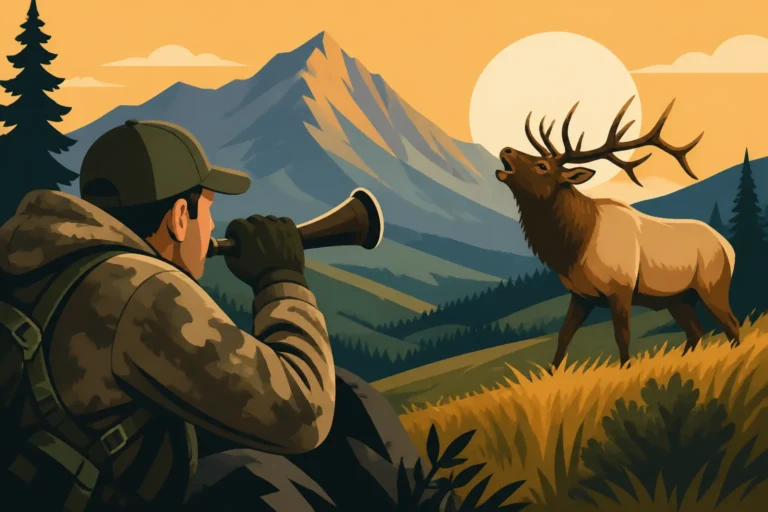
Calling is arguably one of the most effective and exhilarating ways to hunt moose in the boreal, especially during the rut. The vastness of the forest means visual hunting can be tough, but sound carries well. Moose calls mimic the sounds of other moose, primarily attracting bulls looking for a mate or asserting dominance. There are several types of calls: cow calls (long, drawn-out moans), bull grunts (short, guttural sounds), and raking. Raking involves scraping a shoulder blade or a stick against trees and brush, mimicking a bull thrashing his antlers.
A common strategy is to set up in an area with good visibility (perhaps a natural opening, an old landing, or along a cutline) that is surrounded by dense cover. Start with a series of cow calls, waiting silently for 15-20 minutes for a response. If no response, try a bull grunt or some raking. The key is patience and listening. A bull might respond with his own grunt, or simply come in silently to investigate. Once a bull responds, try to get a sense of his direction and distance. If he's moving towards you, continue calling sparingly, perhaps a soft cow call to keep him interested. If he hangs up, try a more aggressive bull grunt or raking to challenge him. Sometimes, a bull might circle downwind to scent-check, so always be aware of the wind direction and have a plan for a silent approach if he tries to get downwind. For a deeper dive into this exciting technique, check out our guide on Calling Moose in Alberta's Boreal Forest.
Still-Hunting and Stalking in Dense Cover
Still-hunting and stalking are fundamental techniques for success in the thick boreal. "Still-hunting" isn't about sitting still; it's about moving incredibly slowly, taking a few steps, then pausing to observe and listen. This method is particularly effective when the wind is in your favor and the ground is damp, muffling your footsteps. As you move, constantly scan the forest ahead and to your sides. Look for horizontal lines (a moose's back), contrasting colours, or subtle movements that indicate an animal. Pay close attention to areas of dense cover where moose might be bedded.
"Stalking" is a more targeted approach, used once you've spotted a moose or located fresh sign indicating an animal is very close. It involves a deliberate, silent approach, using every bit of available cover to get within shooting range. This often means moving one slow, careful step at a time, checking for twigs or leaves that might snap underfoot. Wear soft, quiet clothing, and ensure your gear doesn't clank or rub. The challenge in the boreal is that visibility is often limited to short distances, making close encounters the norm. Practice moving through thick brush quietly and patiently. Sometimes, waiting quietly for 20-30 minutes after hearing a sound can be more effective than rushing in, as the moose might move into a better position for a shot.
Hunting Moose Along Cutlines and Seismic Lines
Alberta's boreal forest is crisscrossed with a network of cutlines, seismic lines, and old logging roads, often created for oil and gas exploration or forestry. These linear features, while not always natural, are incredibly valuable to the moose hunter. Moose frequently use them as travel corridors because they offer easier movement through dense forest. They also serve as fantastic edges where different habitat types meet, providing both food and cover.
Hunting these lines can involve several tactics. You can set up a stand or sit patiently along a well-used cutline, particularly at dawn and dusk when moose are most active, anticipating an animal will use it as a travel route. This is a classic ambush strategy. Another effective method is to still-hunt slowly along the cutline, constantly glassing ahead and into the timber on both sides. Look for fresh tracks, droppings, and browse. The key is to move with the wind in your face or across it, always being mindful that a moose might appear suddenly. Be prepared for a quick shot, as opportunities can be fleeting. These lines also offer excellent vantage points for calling, as sound can travel further. For more detailed strategies on this tactic, explore our guide on Hunting Moose Along Cutlines and Seismic Lines.
| Key Moose Sign Identification | Description | When to Look | What It Tells You |
|---|---|---|---|
| Tracks | Large, cloven hooves, often pointed at the toe. Bulls leave larger, wider tracks. | Year-round, especially after rain/snow | Presence, direction of travel, size of animal (if clear) |
| Scat | Oval pellets, often clumped together. Can vary in size and consistency by diet. | Year-round | Recent activity, diet, general location |
| Rubs | Small trees or saplings with bark scraped off by antlers. Can be polished or frayed. | Late summer through fall (rut) | Presence of a bull, antler size (if rub is large), territorial marking |
| Beds | Depressions in the forest floor, often in thick cover. | Year-round, harder to spot in summer | Resting areas, preferred cover, recent use (if fresh) |
| Browse | Broken branches, stripped leaves, often on willow, aspen, balsam fir. | Year-round, especially prominent in winter | Feeding areas, preferred food sources |
| Wallows | Muddy depressions, often with strong musky smell, where bulls urinate and roll. | Pre-rut and rut | Sign of a bull actively seeking cows, strong rutting activity |
The Boreal Moose Rut: Timing and Tactics
The moose rut in Alberta's boreal forest is a period of heightened activity, making it an incredibly exciting and productive time to hunt. Understanding its timing and adapting your tactics accordingly can dramatically increase your chances of success.
Peak Rut Windows and Moose Vocalizations
While the exact timing can vary slightly depending on weather and geographical location, the peak of the moose rut in Alberta's boreal forest typically occurs from late September through the first half of October. During this period, bulls are actively seeking out cows, and both sexes become more vocal and less cautious. Leading up to and during the peak rut, you'll hear a variety of moose vocalizations. Cows emit long, mournful "ooh-wah" calls to attract bulls. Bulls, in turn, respond with deep, guttural grunts to announce their presence and challenge rivals. Beyond direct vocalizations, listen for the sounds of antlers raking against trees and brush, or heavy bodies crashing through timber – these are all indicators of active moose in the area. Early in the rut, bulls might be more responsive to aggressive challenges, while during the peak, a more subtle cow call can often draw them in. Learning to distinguish between these calls and understanding what they signify is crucial for effective calling and interpreting moose behavior. Knowing when to make specific sounds is a key skill for any serious boreal moose hunter.
Setting Up for Success During the Rut
Hunting during the rut requires a specific approach to capitalize on moose behavior. The most effective strategy often involves combining calling with strategic positioning. When you decide to call, choose a setup location that offers good visibility (a natural clearing, an old logging deck, a point overlooking a marsh) but also provides dense cover behind you for concealment and easy escape. Importantly, position yourself so the wind is in your favour, blowing away from where you expect a bull to approach from. Moose, especially mature bulls, will often try to circle downwind to scent-check the source of the call before committing. This is where a good mapping app like GoHunt can help you analyze wind direction relative to topography and potential approach routes.
Once you've made your calls, remain absolutely still and silent for extended periods – 15 to 30 minutes is not uncommon. A bull might take his time approaching, moving cautiously through the thick timber. Listen intently for any sounds: a branch snapping, a soft grunt, the rustle of leaves. If a bull is coming in, be prepared for him to appear suddenly and unexpectedly. Have your rifle or bow ready, and identify potential shooting lanes in advance. During the rut, bulls can also be distracted by other cows, so if your initial calls don't draw them in, don't be afraid to change locations or vary your calling sequence, perhaps incorporating more aggressive raking sounds to mimic a rival bull. Remember, patience is a virtue in moose hunting, and during the rut, it's often rewarded with an unforgettable experience.
Logistics and Safety in Remote Boreal Areas
The remote nature of Alberta's boreal forest means that logistics and safety are paramount. Poor planning can quickly turn a hunting adventure into a dangerous situation.
Accessing Remote Moose Country
Accessing prime moose country in the boreal can be a challenge. While some areas are accessible via gravel forestry roads, many of the best spots require venturing further. Old logging roads, oil and gas cutlines, and seismic lines often provide the best pathways into deeper timber. However, these routes can be overgrown, muddy, or even washed out, especially during wet periods. A reliable 4×4 truck is often a necessity, and a quad or side-by-side can be invaluable for accessing areas inaccessible to full-sized vehicles. Before heading out, use mapping tools to scout potential access routes and understand the terrain. Be aware of any gates, road closures, or Public Land Use Zone (PLUZ) regulations regarding vehicle use. Always be prepared for the possibility of getting stuck; carrying a winch, shovel, tow strap, and a reliable Winter Truck Kit for an Alberta Hunt is not overkill. Remember, Finding Access on Alberta Crown Land requires diligence and understanding local rules. For some truly remote areas, backpacking in or even using horses might be the only option, demanding an even higher level of physical fitness and preparation.
Wilderness Safety and Emergency Preparedness
Safety in the boreal forest is a serious concern. Beyond navigation tools, carry a comprehensive first-aid kit capable of handling major trauma, not just minor scrapes. Understand how to treat hypothermia, severe bleeding, and fractures. Pack emergency shelters, fire-starting materials (multiple methods), and enough food and water for at least 24-48 hours longer than you anticipate being out. A satellite messenger device, as mentioned earlier, is your most critical piece of communication equipment for emergencies. Before you leave, create a detailed trip plan and share it with a trusted person, including your exact route, expected return time, and contingency plans. Inform them when you expect to check in and when to initiate an emergency response if they don't hear from you. Be aware of wildlife, including bears (both black and grizzly in some areas) and wolves. Carry bear spray and know how to use it. When traveling in groups, agree on a communication plan and stay within sight or voice range of each other, especially in dense timber. Always adhere to best practices for Hunting Alberta Winter Weather Safely, as conditions can change rapidly.
Meat Care in Alberta's Cold and Warm Swings
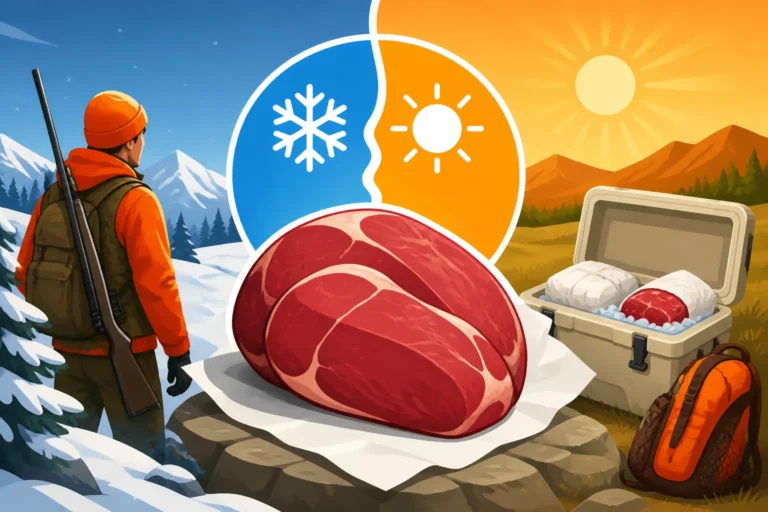
One of the biggest challenges after a successful moose hunt in the boreal is proper meat care. Moose are enormous animals, and their body heat can quickly spoil meat, especially in warmer early season temperatures. The key is to cool the carcass down as rapidly as possible. This means field dressing immediately and skinning the animal (or at least quartering and skinning) as quickly as possible. Hang the quarters in game bags in the shade, allowing air to circulate. In early fall, daytime temperatures can still be quite warm, so consider packing ice or dry ice if you're not far from your vehicle. If temperatures are consistently above freezing, you might need to transport the meat to a cooler or processing facility promptly. In colder late-season hunts, freezing isn't usually an issue, but protecting the meat from dirt, insects, and scavengers is still vital. Have a plan for Meat Care in Alberta's Cold and Warm Swings ready before you pull the trigger, as improvising with a massive animal can lead to lost meat.
Post-Harvest: Processing and Extraction
Successfully harvesting a moose in the boreal forest is just the beginning of the real work. The sheer size of the animal and the remote nature of the terrain present significant challenges for processing and extraction.
Field Dressing a Boreal Moose
Field dressing a moose properly and efficiently is crucial for meat preservation. Given the size of a moose, this is often a multi-person job, especially if done alone in remote areas. The first priority is to gut the animal as quickly as possible to begin the cooling process. Make a careful incision from the sternum to the pelvis, circling the anus, and then sever the windpipe and esophagus as far forward as possible. Be careful not to puncture the stomach or intestines. Remove all internal organs, pulling them clear of the cavity. If the animal is on its side, prop the ribs open with sticks to allow maximum airflow.
Many hunters in the boreal choose to quarter a moose in the field, as moving a whole moose is often impractical or impossible. This involves separating the animal into its major muscle groups: two front shoulders, two hindquarters, the backstraps, tenderloins, and neck meat. The rib meat can also be salvaged. Skinning as much of the animal as possible at this stage further aids cooling and reduces weight. Carry a sharp, sturdy knife, a bone saw, and plenty of game bags. Quality game bags are essential to protect the meat from dirt, insects, and flies. Plan to work quickly and methodically, as time is of the essence, especially if temperatures are mild.
Getting a Moose Out With a Quad and Other Methods
Extracting a harvested moose from the boreal forest can be the most physically demanding part of the hunt. A full-grown bull moose can weigh upwards of 1,000 to 1,500 pounds, making it impossible to drag out whole for most hunters. This is where methods like quartering in the field become non-negotiable.
If you have access, a quad or side-by-side is often the most efficient way of Getting a Moose Out With a Quad. After quartering, load the meat into game bags and then onto your ATV or side-by-side. Make sure your vehicle is equipped with a winch, and be prepared to clear fallen trees or mud bogs on your way out. If the terrain is too rugged for a quad, or if regulations prohibit their use, other methods include packing the meat out on your back, using a game cart, or even packing out with horses if you're on an outfitted or horseback hunt. Backpacking out multiple loads of heavy meat through dense bush is incredibly strenuous and requires excellent physical conditioning, stout backpacks, and a willingness to make multiple trips. Regardless of the method, ensure the meat is secured, clean, and protected from contamination throughout the extraction process.
Transporting Game Meat and Proof of Sex
Once you've successfully extracted your moose meat, you need to ensure it's legally transported. In Alberta, you must leave a "proof of sex" attached to the carcass or major portion of the carcass (usually the head or specific parts of the hide) while transporting it from the kill site to your residence or processor. This is typically an antler, for antlered moose, or a piece of hide with a natural opening that clearly identifies the sex for antlerless animals, depending on your licence. Your tag must also be immediately and securely attached to the animal.
When transporting the meat, whether in a cooler, truck bed, or on a quad, it must be protected from contamination and kept cool to prevent spoilage. Ensure your vehicle is equipped to handle the volume and weight of the meat. If crossing provincial or international borders, be aware of specific regulations regarding the transportation of game meat, hides, and antlers. For non-residents, this often involves additional paperwork and inspections at border crossings. Always check the latest regulations for Transporting Game Meat and Proof of Sex to avoid any legal issues.
Navigating Alberta's Moose Regulations for the Boreal
Hunting moose in Alberta, especially in the boreal forest, requires a thorough understanding of the province's complex regulations. Missteps can lead to fines, licence revocation, or worse.
Licence Requirements and Draw Systems
To hunt moose in Alberta, residents typically need an Alberta WIN Card and a Wildlife Certificate. Many moose opportunities, especially for antlered moose, are managed through Alberta's Special Licence Draws. Unlike general deer tags, moose licences are often draw-only in many WMUs, meaning you must apply and be successful in the lottery system to obtain a tag. The draw system utilizes priority points, where unsuccessful applicants gain a point, increasing their odds in subsequent years. Researching the specific WMUs you intend to hunt is critical, as draw odds and available licences vary widely. Pay close attention to application deadlines and result dates, as missing these can mean missing out on a season. Non-residents, whether Canadian or non-resident alien, have different licence requirements and often must hunt with a licensed outfitter or through the Alberta Hunter Host program. Ensure you understand all the specifics for Hunting Alberta's Draw-Only Species and Alberta's Special Licence Draws well in advance of the season.
Specific WMU Rules for Boreal Moose
Alberta is divided into various Wildlife Management Units (WMUs), each with its own specific regulations, season dates, and sometimes, antler point restrictions. For boreal moose, these WMU-specific rules are paramount. Some WMUs might have general moose seasons, while others are strictly draw-only for antlered or antlerless moose. There might also be different season lengths for archery and rifle hunters. Some areas might have "any moose" tags, while others specify "antlered moose only" or "antlerless moose only." It's your responsibility as a hunter to thoroughly review the current Alberta Hunting Regulations Guide for the specific WMU you plan to hunt. These guides are updated annually and are available online through the provincial government website. Pay particular attention to boundaries, as regulations can change dramatically from one WMU to an adjacent one. Failing to understand and adhere to these WMU-specific rules is a common reason for violations and can jeopardize your hunting privileges. Tools like the Alberta RELM website are invaluable for checking the most up-to-date regulations for each specific area.
Disclaimer
Please remember that hunting regulations, seasons, and access rules in Alberta can change. This guide is intended for informational purposes only and should not replace reading the official Alberta Hunting Regulations Guide published by the provincial government. Always consult the most current regulations before planning or undertaking any hunting activity. Safety in the wilderness is paramount, and preparation is key to a successful and responsible hunt.