Which Alberta WMU Sees the Least Pressure
Oh, the age-old quest for a little peace and quiet in the woods, isn't it? It’s a common frustration for many of us, rolling into our favourite hunting spot only to find a line of trucks already there, or hearing distant shots ringing out from every direction. We've all been there, feeling that knot of disappointment when our "secret" spot isn't so secret anymore. This guide is all about helping you understand which Alberta Wildlife Management Units (WMUs) generally see the least hunting pressure, and more importantly, how to identify those hidden pockets of solitude where you can truly connect with the wild.
The Frustration of Hunting Pressure: Why Less is More in Alberta's Outdoors
It’s no secret that as hunting gains popularity, or as certain areas become more accessible, the pressure on our wildlife resources increases. For many, the idea of a peaceful hunt, away from the crowds, is a huge part of the appeal. When that peace is constantly interrupted by other hunters, it can really take the joy out of the experience. We often dream of those quiet moments, patiently waiting for a deer to step out, or calling to an elk without another hunter bugling a hundred yards away. Finding a WMU that truly offers that is like finding gold.
The Impact of Crowds on Hunting Success and Experience
When a WMU sees heavy pressure, it's not just about the number of vehicles you pass on the gravel roads. It’s about how that pressure fundamentally changes the behaviour of the game you're after. Think about it: deer, moose, and elk are masters of evasion. If they’re constantly being bumped, pushed, or even just hearing human activity, they learn quickly. They become more nocturnal, seeking out the thickest cover, or simply moving to areas where they feel safer. This often means deeper into the nastiest bush or onto private land where access is restricted.
From a hunter's perspective, this means fewer sightings, harder hunts, and often, more competition for the same animals. What good is finding fresh tracks if a dozen other hunters have already walked through the area, pushing every animal out? You spend more time hiking, more time driving, and potentially less time actually hunting. The constant worry about another hunter spoiling your stalk or showing up in your glassing spot can really detract from the immersive experience we all crave. We go to the woods to escape, not to jostle for position.
The Elusive Nature of "Low Pressure" Information
Here’s the rub: if everyone knew exactly which WMU saw the least pressure, it wouldn't be low-pressure for long, would it? This kind of information is often held closely, passed down through generations, or earned through countless hours of scouting and hunting. There's no official "least pressured WMU" list published by the government, and for good reason! So, figuring this out for yourself can feel like trying to solve a puzzle with half the pieces missing.
It requires a different approach, one that focuses on understanding why certain areas remain less pressured and then applying those principles to your own hunting plans. It means thinking beyond the obvious, looking at maps with a critical eye, and often, being willing to put in a little extra effort that many others aren't.
Decoding Low-Pressure WMUs: Key Factors to Consider
Identifying WMUs that tend to see less pressure isn't an exact science, but there are definitely common threads and characteristics that point to them. It usually boils down to a combination of factors that naturally deter a large volume of hunters.
Access: The Ultimate Gatekeeper to Solitude
This is arguably the most significant factor. Simply put, if it's hard to get to, fewer people will go there. WMUs with extensive road networks, well-maintained gravel roads, or numerous forestry trails that are easy to drive into, are almost guaranteed to see higher pressure, especially on weekends and during the first few weeks of the season. Everyone wants convenience, and easy access is the definition of convenience.
Conversely, WMUs that require significant effort to access—think long hikes, difficult ATV trails that become impassable with rain, areas only accessible by boat or horseback, or even those with limited legal access points—will inherently have fewer hunters. This doesn't mean no hunters, but the type of hunter willing to put in that effort is often different, and their numbers are smaller. Consider areas where you might have to park your vehicle and walk a few kilometers just to get to decent hunting ground. Or WMUs with strict Quad and Side-by-Side Rules on Crown Land that limit how far vehicles can go. These rules often create de facto wilderness zones beyond the trailhead, even if the land itself is accessible.
Terrain and Habitat: The Unforgiving Landscape
Let's be honest, most of us aren't looking to climb Everest on our deer hunt. Hunters, especially those looking for a quick, easy outing, tend to gravitate towards gentler terrain. This means flatter ground, open aspen bluffs, or rolling hills that are easy to traverse. WMUs dominated by rugged, steep mountains, dense, thick boreal forest with endless muskeg, or vast, trackless wilderness often scare off a good chunk of the hunting population.
The sheer physical demand of hunting in these areas acts as a natural filter. If you have to climb thousands of feet, push through miles of thick jackpine, or navigate treacherous river breaks, you're going to encounter fewer casual hunters. These types of WMUs might not necessarily have fewer animals, but they certainly have fewer people willing to chase them in such challenging conditions. Think about the Foothills WMUs with their deep valleys and steep ridges, or the truly remote corners of Alberta's Boreal Forest, where the mosquitoes are thick enough to carry you away.
Species Density vs. Hunter Interest
Sometimes, a WMU might have respectable populations of a certain game species, but if that species isn't the primary draw for most hunters, the pressure can be surprisingly low. For example, a WMU might have excellent black bear populations, but if most hunters are focused on deer or elk, the bear hunting pressure might be minimal. Or, a WMU might have lower overall densities of the most sought-after big game animals, but still offer a quality hunt for those willing to work for it.
It's also worth looking at WMUs where popular species, like whitetail or mule deer, are present but perhaps not at the trophy-level densities that attract the "big buck" crowd. These WMUs might offer a fantastic experience for meat hunters or those seeking a less competitive hunt, even if the likelihood of bagging a Boone and Crockett animal is lower. Understanding Alberta's Wildlife Management Units and their general game populations can help you make an informed decision.
Draw Odds and General Tags: A Numbers Game
Alberta's special draw system is another huge factor in managing hunting pressure. WMUs that require a special draw for certain species (like moose, elk, or high-end deer tags in some zones) automatically limit the number of hunters who can pursue those animals. If the draw odds are notoriously low, fewer people will even bother applying, leading to less competition for the few successful applicants.
Conversely, WMUs that are entirely "general tag" areas for popular species like whitetail and mule deer will almost always see higher pressure, especially during opening week. These are the areas where anyone with a general licence can hunt, leading to a much larger pool of hunters. While Alberta General Licences Without a Draw offer great flexibility, they also invite more company. Looking into Alberta's Special Licence Draws can highlight WMUs where the pressure is inherently reduced by design, though getting a tag there might be a multi-year endeavour.
Alberta's Hidden Gems: WMUs That Typically See Less Pressure
Alright, let's talk about some specific areas that tend to fit the bill for lower pressure. Remember, "less pressure" doesn't mean "no pressure," and it often comes with a trade-off in terms of effort or specific game opportunities.
The Deep Boreal: Where Moose and Bear Roam Untouched
If you're truly seeking solitude and are willing to embrace rugged, often swampy, and heavily treed landscapes, the deep boreal forest WMUs in northern Alberta are often your best bet. Think areas far north of Edmonton and Grande Prairie, stretching towards the provincial borders. These WMUs are characterized by vast tracts of Crown land, limited road access that often requires a 4×4 or ATV, and a mix of timber, muskeg, and numerous lakes and rivers.
These regions are prime habitat for Moose Across Alberta's Boreal and Foothills and black bears. While moose tags can be draw-only in some WMUs, the sheer vastness means even with a draw tag, you're unlikely to bump into other hunters every day. You'll often be hunting old logging cutblocks, seismic lines, or exploring beaver ponds and muskeg edges. It's a different kind of hunt, requiring robust gear, navigational skills, and a willingness to get seriously remote. Expect longer hauls to get your animal out, and definitely brush up on your bushcraft. Looking at WMUs that require Hunting a Boreal Muskeg Edge or vast expanses where getting a moose out with a quad is your only option, often points to these less-pressured areas.
The Rugged Mountains: A Challenge for the Dedicated Few
Alberta's mountain WMUs, particularly those requiring significant physical exertion and multi-day backpack trips, are another great option for escaping the crowds. We're talking about the high country in the western part of the province, adjacent to the national parks. Species like bighorn sheep and mountain goat are primarily found here, with mountain goat often requiring special draw licences and sheep licences available through a draw or by purchase depending on the class and WMU. The hunting seasons can be short, and the terrain is unforgiving.
These areas are not for the faint of heart. You'll be climbing steep slopes, navigating scree fields, and dealing with unpredictable mountain weather. For trophy sheep or goats, you often need to spend days glassing basins, Glassing Alpine Basins for Bighorn Sheep, and making arduous stalks. The number of people willing and able to undertake such hunts is naturally small. Even for general season elk or deer in the mountain WMUs, the further you get from road access or popular trailheads, the fewer hunters you'll encounter. WMUs with restricted access, requiring you to hike in miles, like those found in the Willmore Wilderness Park or portions of the Bighorn Backcountry, inherently limit pressure. Hunting Alberta's Mountain WMUs and Their Access highlights some of these challenging but rewarding areas.
Overlooked Pockets in Parkland and Prairie
Even in the more populated and heavily hunted parkland and prairie regions, there are often overlooked pockets that see less pressure. These aren't entire WMUs, but specific areas within them. They are usually characterized by challenging access (like a small parcel of Crown land surrounded by private property), dense, nasty bush that most hunters avoid, or river valleys that require significant effort to descend into and climb out of.
For instance, a small, landlocked quarter-section of Crown land that can only be accessed by foot after getting permission to cross private property might see almost no pressure, even in a popular WMU. Or a river valley that requires a steep, half-hour hike down (and an even tougher hike back up with an animal) can deter many. Hunting a Crown Quarter Surrounded by Deeded Land is a perfect example of this kind of tactical hunting. These are the spots you find by painstakingly pouring over maps, asking permission, and being willing to literally go where others won't. They might not hold a giant herd, but the animals that do live there are often less pressured and more predictable.
Strategies for Unearthing Your Own Low-Pressure Zones
Finding those low-pressure honey holes isn't just about picking a WMU from a list; it's about applying smart strategies and putting in the work.
Harnessing Mapping Tools and Scouting
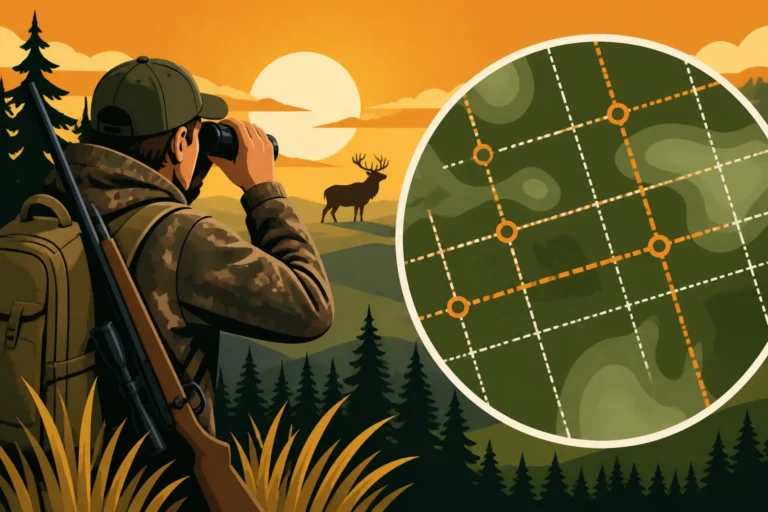
Modern mapping tools are an absolute game-changer for finding low-pressure areas. Platforms like onX Hunt and GoHunt allow you to scrutinize land ownership, topographical features, and access points in incredible detail. You can identify those small, overlooked parcels of public land that are difficult to access, or pinpoint areas of rugged terrain that would deter most hunters.
Start by looking for WMUs with large blocks of Crown land that have minimal roads running through them. Then, zoom in. Look for areas where the contour lines are tight, indicating steep terrain. Search for swamps, bogs, or dense timber that would make walking difficult. Identify any small sections of public land that are surrounded by private land, requiring permission to cross. These are the places that often get ignored. Reading Alberta's Crown Land Layers on onX can teach you how to analyze these maps effectively, helping you find those hidden spots. Pair this with Scouting With Satellite Imagery in Alberta to get an even better idea of the vegetation and terrain without leaving your home.
Timing Your Hunt Wisely
Even in moderately pressured WMUs, you can drastically reduce the number of encounters with other hunters by adjusting when you hunt. The first week of any general season, and especially opening day, is almost always the busiest. Weekends are also prime time for crowds.
If your schedule allows, try to hunt mid-week. Mondays through Thursdays often see significantly fewer hunters out in the field. Another great strategy is to hunt later in the season. As the season progresses, many hunters fill their tags, or the weather becomes less appealing, leading to a natural reduction in pressure. Late season, especially when the temperatures drop significantly, can be incredibly productive for less-pressured animals, and you'll often have the woods to yourself. Consider Hunting Deep Cold Late in the Season for an unparalleled solitude experience, though it comes with its own set of challenges.
Legwork and Local Knowledge
Ultimately, there's no substitute for boots on the ground and building local relationships. Finding truly low-pressure spots often means walking further than most people are willing to go. It means getting off the main trails, pushing through thick bush, and exploring areas that look uninviting. The further you venture from known access points, the higher your chances of finding undisturbed game.
Another crucial aspect, especially in the White Area (primarily agricultural lands), is building relationships with landowners. A small, brushy coulee or an isolated woodlot on private land might be teeming with animals that see very little pressure, simply because no one has asked for permission to hunt it. Asking a Grazing Leaseholder for Access or Knocking on Doors in Alberta Farm Country can open up incredible, low-pressure opportunities that are completely inaccessible to the general public. These are often the true "hidden gems" where local knowledge and good relationships pay dividends.
| Feature | High-Pressure WMU Characteristics | Low-Pressure WMU Characteristics |
|---|---|---|
| Access | Extensive, well-maintained road networks; easy vehicle access. | Limited, difficult road access; long hikes, ATVs/horses required. |
| Terrain | Rolling hills, open aspen parkland, gentle slopes; easy to walk. | Steep mountains, dense boreal forest, extensive muskeg, deep river breaks. |
| Game Density | High densities of popular species; often trophy potential. | Moderate to good densities; often requires more effort to find. |
| Hunter Numbers | High vehicle count, numerous hunters encountered, crowded trailheads. | Few vehicles, rare hunter encounters, remote trailheads or no trails. |
| Draw/Tag Status | Often general tags for popular species; high hunter competition. | Often draw-only for target species; poor draw odds limit numbers. |
| Scouting Effort | Easier to scout from roads; well-known spots. | Requires extensive map work, satellite imagery, and on-foot scouting. |
| Hunter Skill/Effort | Appeals to casual to experienced hunters; lower physical demand. | Appeals to dedicated, experienced, physically fit hunters; high demand. |
Ultimately, finding a WMU that truly sees the least pressure in Alberta is a combination of strategic research, a willingness to put in the physical effort, and sometimes, a bit of luck. It means embracing the challenge and finding the satisfaction in a hard-earned hunt away from the crowds.
Disclaimer
This article is for general informational purposes only and does not constitute professional advice. Laws, prices and regulations vary by location and change over time. Consult a qualified professional for guidance on your specific situation.