Alberta Hunting Lease Prices Per Quarter
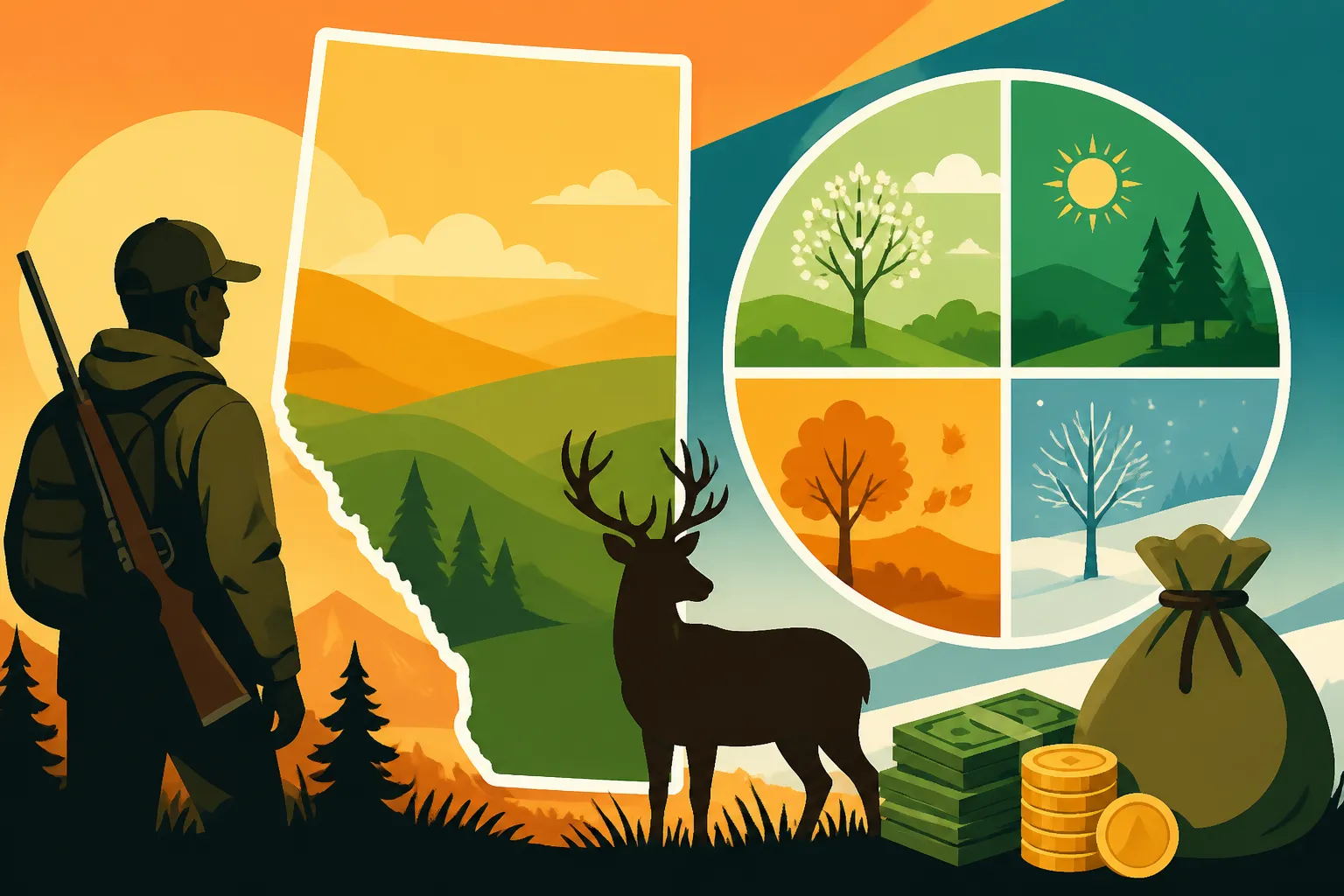
For many hunters in Alberta, finding consistent, quality private land access can feel like a never-ending quest. With increasing pressure on public lands and more landowners restricting access, the idea of leasing a quarter section for hunting becomes incredibly appealing. However, the costs and expectations associated with an "Alberta hunting lease price per quarter" can be a mystery, leaving many wondering if it's even a viable option. This guide aims to demystify those costs and help you understand what goes into pricing, how to potentially find these leases, and what alternatives exist.
Understanding What Influences Lease Prices
When you start looking into hunting leases, you'll quickly realize there isn't a fixed price. It's not like buying a litre of milk; every lease is a unique agreement influenced by a multitude of factors, much like real estate itself. A quarter section in one part of the province might fetch a significantly different price than another, even if they're geographically close. It really boils down to what a landowner perceives their land's hunting value to be, and what a hunter is willing to pay for exclusive access.
Location, Location, Location
Just like in real estate, the geographical location of a quarter section is paramount. Land located in a prime wildlife corridor, particularly in areas known for producing quality deer, moose, or elk, will inherently command a higher price. Think about properties bordering major river valleys in the parkland or foothills, or those situated strategically between large tracts of Crown land and agricultural fields. These areas often serve as critical bedding, feeding, or travel routes for big game, making them highly desirable. A quarter section that's a bit more isolated, or perhaps in an area with lower game density, might be available for a more modest sum. Proximity to urban centers can also play a role; properties closer to cities might see more demand from hunters looking for convenient access, potentially driving up prices.
Consider a quarter section tucked away in the Hunting Alberta's Aspen Parkland Bluffs versus one on the open prairie. The aspen bluffs, with their mixture of cover and agricultural edges, often hold more whitetails and present different hunting opportunities than a wide-open prairie quarter better suited for pronghorn or mule deer. The species and density of game present are huge drivers in perceived value.
Game Species and Population
The type and abundance of game on a particular quarter section are arguably the biggest factors influencing its lease price. If a parcel consistently holds a strong population of mature white-tailed deer, or if it's a known staging area for elk moving between feed and bedding, the landowner understands its value. A quarter that offers incredible Whitetail Hunting in Alberta or Mule Deer Hunting Alberta's Prairie and Badlands will always be more expensive than one where game sightings are sporadic.
Hunters are often willing to pay a premium for consistent opportunities at specific trophy animals. A landowner might have trail camera photos of a couple of mature bucks using their quarter, or they might see moose regularly crossing a specific cutline. This proof of consistent game presence, especially for in-demand species, justifies a higher price point. If you're looking for Waterfowl Hunting Alberta's Grain Fields, a field with a consistent goose flight path over it during migration will be much more sought after and expensive than a random patch of stubble. The perceived quality of hunting experience directly translates to the lease cost.
Lease Terms and Inclusions
Beyond the land itself, the specific terms of the lease agreement can significantly affect the price. Is it a year-round lease, or only for a specific season, like archery or rifle? Does it include access for multiple hunters, or is it strictly for an individual or a small, predefined group? What about additional privileges, such as permission to run trail cameras, hang stands, or even bring an ATV for game retrieval? These details all add or subtract from the perceived value.
A lease that specifies "trophy whitetails only, two hunters, access from October 1st to November 30th, no ATVs" will be priced differently than a "general game access, four hunters, year-round" agreement. Some landowners might offer a simple handshake deal for a nominal fee, while others will have formal contracts, liability waivers, and detailed rules of engagement. The more comprehensive and exclusive the agreement, and the more amenities or permissions included, the higher the price you can expect. Always clarify exactly what the lease includes and excludes before committing.
Typical Lease Price Ranges Per Quarter Section
Pinpointing an exact dollar figure for an Alberta hunting lease is incredibly tough because, as we've discussed, it's so variable. It's less about a market standard and more about individual negotiation between a landowner and a hunter. However, we can look at the general shape of costs you might encounter.
The "Average" Can Be Misleading
When people ask about "average" lease prices, they're often hoping for a single number. The reality is that a basic quarter section of farmland with moderate game potential might be available for a few hundred dollars per hunting season. This kind of arrangement often comes with fewer stipulations, might be a more casual agreement, and typically won't be in a renowned trophy zone. It's more about gaining reliable, exclusive access to some private land, rather than chasing a specific trophy animal.
On the other hand, properties known for producing exceptional animals, or those with significant habitat advantages, can easily command several thousand dollars for a single quarter section for a specific hunting season. Some premium leases, especially those managed for trophy potential or offering multi-species opportunities, might even venture into higher four-figure sums per year. This wide range means it's crucial for you, as the hunter, to clearly define your expectations and budget before you start searching. Don't go in expecting a $500 lease to deliver Boone and Crockett animals every year.
Here’s a simplified look at potential lease factors:
| Factor | Lower End Lease | Higher End Lease |
|---|---|---|
| Location | Isolated, lower game density WMU | Prime river valley, high traffic corridor, known WMU |
| Game Species | General whitetail/coyote, occasional birds | Consistent mature bucks, elk, moose |
| Game Density | Moderate, inconsistent sightings | High, consistent sightings, trail cam proof |
| Access | Basic vehicle access, walk-in | All-weather roads, ATV use permitted, multiple access points |
| Exclusivity | Shared with family, perhaps one other group | Strictly for one hunter/group only |
| Duration | Single season (e.g., archery only) | Full hunting season, or year-round access |
| Inclusions | Land access only | Blinds, treestands, food plots, scouting access |
| Terms | Verbal agreement, handshake | Formal contract, liability waiver, detailed rules |
Factors for Higher-End Leases
What truly drives a lease into the higher price brackets? It often comes down to a combination of factors:
- Proven Track Record: Land that has consistently produced trophy animals, perhaps with a history of successful harvests or prominent trail camera photos, is invaluable. Hunters will pay more for a "sure bet" or at least a statistically better chance.
- Habitat Diversity: A quarter section that offers a rich mosaic of habitat—think thick bush for bedding, adjacent grain fields for feeding, a water source, and a creek bottom for travel—is far more attractive. Such diversity means the land can hold game year-round and throughout different weather conditions.
- Managed for Hunting: Some landowners actively manage their land for hunting. This might involve planting food plots, maintaining trails, or implementing harvest restrictions (e.g., only shooting mature bucks). This added investment and dedication to fostering a quality hunting experience will naturally be reflected in the lease price.
- Convenience and Amenities: While less common, some premium leases might include a small cabin, a cleared camping spot, or even some basic blinds and stands that are already in place. Easy access from a major highway, or minimal travel time from a city, can also contribute to a higher price.
- Exclusivity: The more exclusive the access – meaning fewer hunters, or perhaps a strictly one-party lease – the higher the demand and thus the price. Hunters often seek to avoid the competition and pressure found on public lands, and true exclusivity offers that peace of mind.
It's also worth noting that demand can fluctuate. In a good year for game populations, or when hunting pressure is particularly high on public land, lease prices might see a bump. Conversely, a poor winter that impacts game numbers might soften the market.
How to Find Hunting Leases in Alberta
Finding a hunting lease isn't always straightforward. It's not like there's a central MLS system for hunting properties. It often requires persistence, networking, and a bit of luck.
Networking and Direct Approach
The old-fashioned way is still incredibly effective: boots on the ground, knocking on doors, and building relationships. Many landowners prefer to lease their land to someone they know or to someone referred by a trusted contact. Start by driving the backroads in areas you're interested in. Look for properties that have good habitat and might be less accessible, or less obvious, to other hunters. Knocking on Doors in Alberta Farm Country can be daunting, but it often leads to the best opportunities.
When approaching a landowner, always be respectful, well-spoken, and come prepared. Have a simple proposal of what you're looking for, discuss your hunting ethics, and always emphasize respect for their property and livestock. Offering a liability waiver or a small token of appreciation can go a long way. Sometimes, a full lease isn't even necessary; you might secure permission for a specific number of days or for a particular species, which can be an excellent stepping stone to a longer-term arrangement. Local sporting goods stores or even coffee shops in small towns can sometimes be hubs of information, where you might overhear leads or get introductions to landowners.
Online Resources and Brokers
While not as robust as in some other regions, online platforms are increasingly playing a role. Some websites and social media groups cater to hunting lease listings in Alberta. These can range from informal posts to more structured advertisements. Be wary of deals that seem too good to be true, and always verify information.
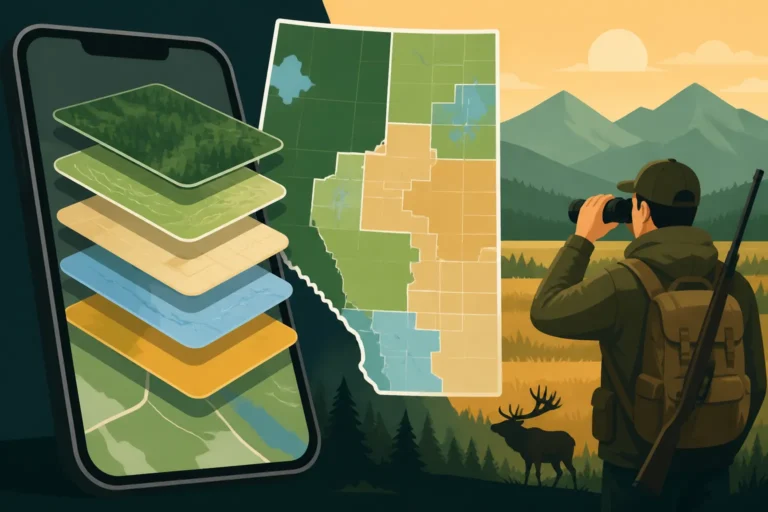
There are also a handful of land brokers or outfitters who specialize in connecting hunters with private land opportunities. These services can be incredibly valuable, as they often have existing relationships with landowners and can help navigate the complexities of contracts and negotiations. However, these services typically come with a fee, either to the hunter or the landowner, or both. Tools like onX Hunt and GoHunt can be invaluable for scouting potential areas and identifying property boundaries and ownership information, which can help you narrow down areas to approach. You can use these mapping tools to scout potential habitat on private parcels, even before you make direct contact with a landowner. For instance, you could identify a specific quarter section that sits between two large blocks of forest and features a central coulee—a likely travel corridor that might be ideal for Hunting a Prairie Coulee Bottom.
Accessing Public Lands (As an Alternative/Comparison)
If private land leasing seems out of reach or too expensive, remember that Alberta offers vast amounts of public land. While it often means more competition and potentially harder hunting, it's a completely free option. Hunting Alberta's Crown Land is a cornerstone of our hunting heritage. Utilize resources like the Using Alberta's Recreational Access Mapping Tool to identify different categories of Crown land, Public Land Use Zones (PLUZs), and Provincial Grazing Reserves. Understanding these various types of public access can open up many opportunities without the financial commitment of a lease.
Even in the heavily agricultural "White Area," there are often isolated quarter sections of Crown land or road allowances that can be legally hunted. Scouting with maps, including those from onX Hunt, to identify these small pockets can be incredibly rewarding.
Alternatives to Leasing Private Land
Securing a private land lease can be a fantastic way to enhance your hunting experience, but it’s not the only path to success in Alberta. Many hunters find incredible opportunities without the significant financial commitment of leasing. It’s all about knowing your options and being willing to put in the effort.
Alberta's Extensive Crown Land Opportunities
Alberta is blessed with an abundance of Crown land, particularly in the northern and western parts of the province. While these areas often require more effort to access and navigate, they offer exceptional hunting experiences for a variety of species. From the vast boreal forests that are home to moose and black bears, to the rugged foothills where elk and mule deer roam, there’s a world of adventure waiting. Getting out and exploring these areas, learning to read the landscape, and understanding game movements is a rewarding challenge.
Tools like onX Hunt can be a game-changer here, allowing you to clearly see property boundaries, identify legal access points, and scout terrain from the comfort of your home. You can research different Alberta's Wildlife Management Units and pinpoint areas that have good habitat diversity. Whether you're interested in Hunting Moose Along Cutlines and Seismic Lines or Elk Hunting Alberta's Foothills, Crown land offers a robust alternative. Just remember to be mindful of regulations regarding vehicle use and camping on Crown land.
Hunter Host Programs for Non-Residents
For non-resident Canadian hunters (those from other provinces) or non-resident alien hunters (from other countries), the rules for hunting in Alberta are a bit different. While non-resident aliens typically require a licensed outfitter, non-resident Canadians have the option of hunting with a "Hunter Host." A Hunter Host is an eligible Alberta resident who accompanies and hosts the non-resident hunter. This program is an excellent way for non-residents to experience Alberta's hunting without the cost of a full outfitter, or the complexities of finding a lease on their own.
Finding a Hunter Host usually involves networking, either through mutual friends, hunting forums, or sometimes through organizations that connect hunters. It's not a commercial arrangement, but rather a partnership where the resident host shares their knowledge and access. This can often lead to hunting opportunities on private land where the host already has permission, or to exploring shared Crown land areas. While not a "lease" in the traditional sense, it provides valuable access and mentorship for those who might otherwise struggle to navigate Alberta's hunting landscape on their own. Remember to check the regulations for Alberta's Hunter Host Rule to ensure all requirements are met.
Disclaimer
This article is for general informational purposes only and does not constitute professional advice. Laws, prices and regulations vary by location and change over time. Consult a qualified professional for guidance on your specific situation.