Getting Access to an Alberta Grazing Lease
Hunting in Alberta offers incredible opportunities, but finding land can sometimes feel like solving a complex puzzle, especially if you don't own property yourself. Many hunters eye those vast grazing leases, Crown land often nestled in prime habitat, and wonder, "Can I hunt there?" The answer is often yes, but it’s not as simple as just walking on. This guide is here to cut through the confusion and walk you through the practical, respectful, and ultimately successful steps to gaining access to an Alberta grazing lease for your next hunt.
Understanding Alberta's Grazing Lease System
Before you even think about lacing up your boots and heading out, it's absolutely crucial to understand what a grazing lease actually is and how it operates in Alberta. This isn't just bureaucratic jargon; it's the foundation for how you'll approach access. Failing to grasp these basics is often where hunters run into roadblocks or even legal trouble.
What Exactly is a Grazing Lease?
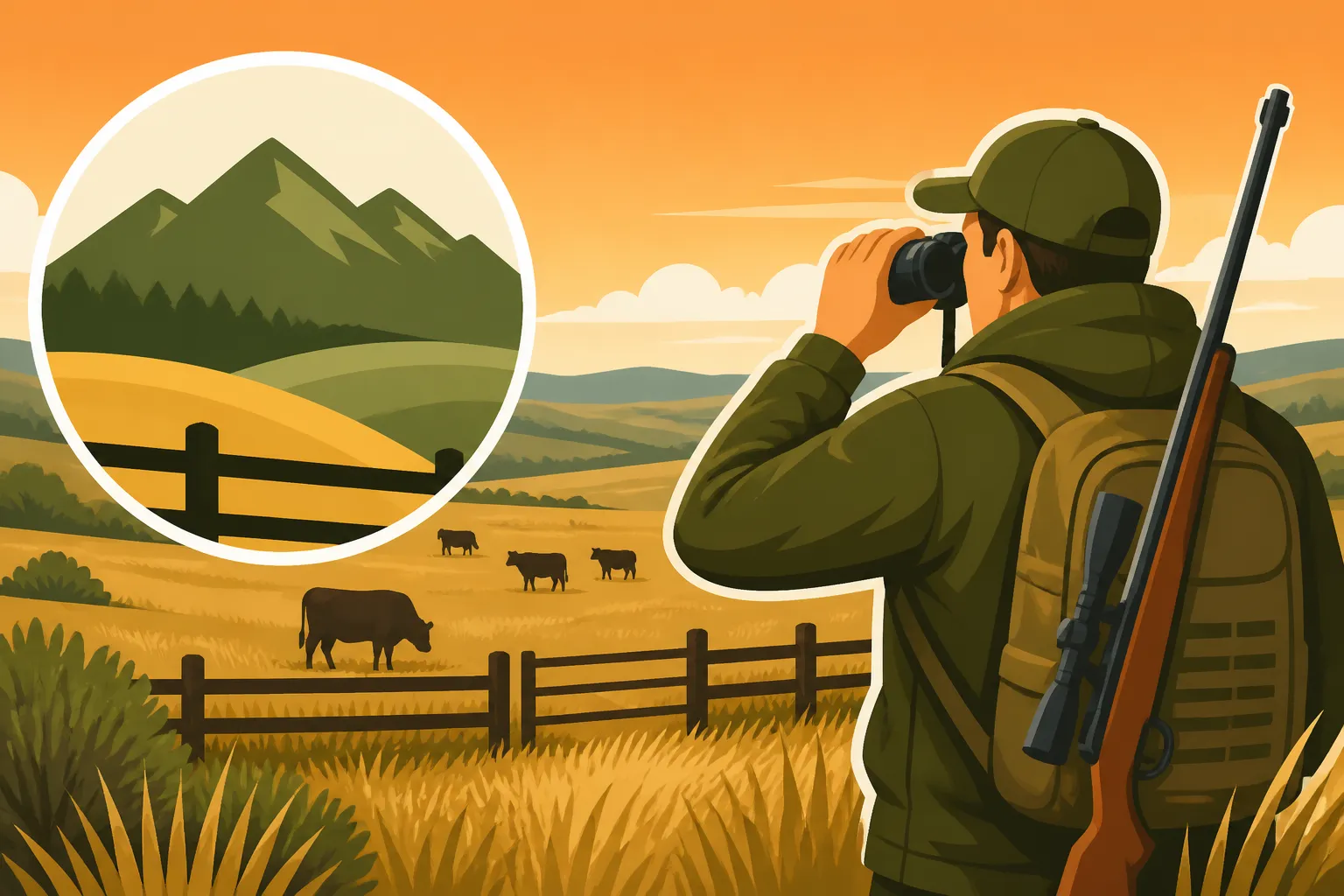
Imagine vast stretches of beautiful Alberta landscape – rolling foothills, open prairie, or even some mixed forest areas – that are owned by the Crown (which means, ultimately, the public). Now, picture these lands being leased out to private individuals, typically ranchers, for the express purpose of grazing livestock. That's essentially what an Alberta grazing lease is. The lessee, the individual holding the lease, pays a fee to the government for the right to use that land for agricultural purposes, primarily cattle or sometimes sheep.
While it is indeed Crown land, and therefore public land, this leasing arrangement adds a layer of complexity. It's not the same as a completely unallocated piece of Crown land where you can generally walk on, subject to specific regulations. The lessee has responsibilities and rights related to their livestock and the management of the land for grazing, which influences how and when public access for activities like hunting might be granted. The "Recreational Access Regulation" does exist, recognizing public recreational use, but it also underscores the need for respectful interaction with leaseholders. This often feels like a grey area for hunters, but with a bit of understanding, it becomes much clearer.
The Role of the Lessee The Grazing Leaseholder
The individual or company holding the grazing lease is your primary point of contact and, frankly, the gatekeeper to your hunting dreams on that particular piece of land. These lessees have significant responsibilities, including managing their cattle, maintaining fences, ensuring water sources are available, and often overseeing the health of the rangeland itself. Their livelihood depends on the successful and safe operation of their lease.
Given these responsibilities, it's easy to understand why a leaseholder might be hesitant about public access. Their primary concern is almost always the safety of their livestock, followed by concerns about fire risk, property damage, and liability. They might have experienced negative interactions with disrespectful users in the past, making them wary. However, many leaseholders are also fellow outdoors enthusiasts, some are hunters themselves, and they can be incredibly welcoming if approached with respect and a clear understanding of their needs. Building trust with a lessee is like striking gold; it can open doors to prime hunting ground for years to come.
Navigating the Permission Process
Once you understand what a grazing lease is and the leaseholder's role, the next step is actually engaging in the process of asking for permission. This isn't a one-size-fits-all approach; it requires some homework and a good dose of humility and politeness. Treat this as building a relationship, not just requesting a favour.
Identifying Grazing Leases and Lessees
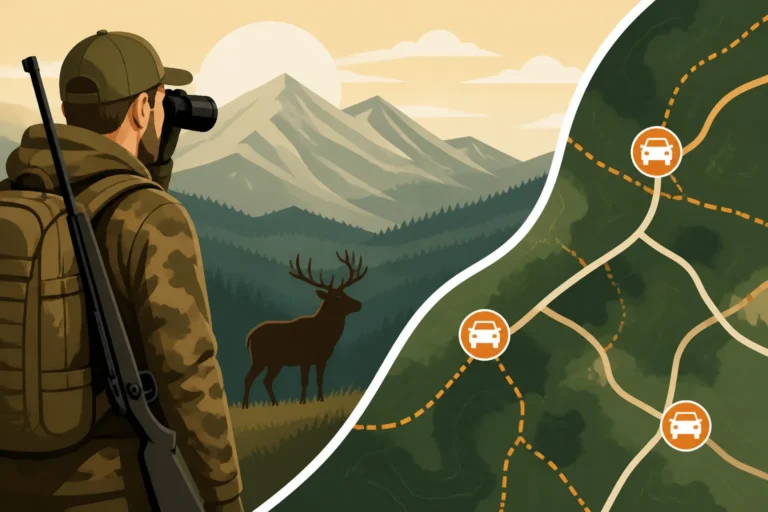
You can't ask for permission if you don't know who to ask or where the grazing leases even are! This is where modern tools really shine. Digital mapping applications have revolutionized how hunters identify land ownership and boundaries. Platforms like onX Hunt or GoHunt are invaluable for this. They allow you to overlay land ownership maps directly onto satellite imagery, clearly showing which parcels are Crown land, private land, or grazing leases. Often, these apps will even provide the name of the leaseholder or at least contact information associated with the parcel, saving you a tremendous amount of legwork.
If you don't have access to these specific digital tools, there are other methods. Local county or municipal district offices often have paper maps or online mapping portals that can show land status. Sometimes, a bit of old-fashioned scouting involves driving rural roads and looking for signs that might indicate a grazing lease – specific fencing, cattle, or even older, less common "Crown Grazing Reserve" signs. Once you've identified a lease you're interested in, checking the relevant Wildlife Management Unit (WMU) regulations is also a must. You can also start by using official government resources like Using Alberta's Recreational Access Mapping Tool which can help identify public lands and their designations, including grazing leases.
Making the Initial Contact
This is perhaps the most critical step. The way you make first contact can set the tone for the entire interaction. While a phone call can work, an in-person visit is often best if practical. It allows the leaseholder to put a face to your name, and your respectful demeanor can speak volumes. Always call ahead if possible, or pick a time that isn't during peak busy seasons for a rancher, like calving or harvest.
When you approach them, introduce yourself clearly. State your name, where you're from, and the specific reason for your visit – that you're a hunter interested in seeking permission to access their grazing lease. Be polite, humble, and prepared for either a yes or a no. Emphasize that you understand it's their land to manage, even if it's Crown land, and that you respect their right to say no. Be flexible with your dates and areas; perhaps they'd prefer you hunt a specific section away from their cattle or during certain times. Avoid showing up unannounced with a loaded rifle or a truck full of hunting gear; this can immediately put them on the defensive. Instead, focus on building rapport. Remember, as discussed in Knocking on Doors in Alberta Farm Country, a respectful approach goes a long way.
Key Information to Discuss
When you finally get to speak with a leaseholder, having a clear and concise conversation is key. They're busy people, and you want to convey all necessary information and address their potential concerns upfront. Think of it as an interview, where you're proving you're a responsible individual.
Here's a table outlining key discussion points and etiquette:
| Hunter Do's | Hunter Don'ts |
|---|---|
| Clearly state your target species. | Show up with a large, rowdy group. |
| Specify proposed hunting dates/duration. | Be vague about your intentions. |
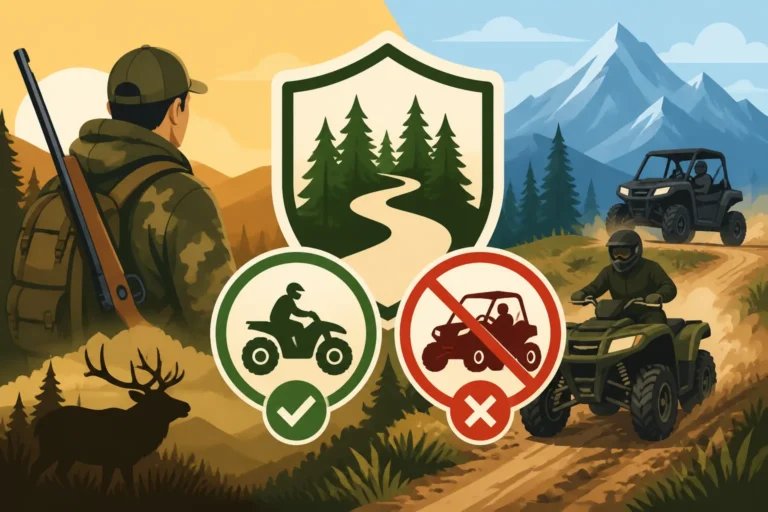
| Ask about specific access routes (vehicles, ATV, foot). | Assume access to all areas of the lease. |
| Inquire about livestock locations. | Disrupt or harass livestock. |
| Ask about any specific rules (fire, gates, litter). | Leave gates open or damage fences. |
| Offer to share contact info. | Litter or leave trash behind. |
| Discuss what to do if game is harvested. | Hunt without blaze orange if required. |
| Offer to help with basic tasks (e.g., closing gates). | Argue if permission is denied. |
| Ask about areas to avoid (e.g., home quarter). | Drive off established trails without permission. |
| Have your hunting licence and WIN card ready. | Trespass onto adjacent private land. |
Be prepared to discuss details like whether you plan to use an ATV, if you'll be camping, and what you'll do with any harvested animal. Reassure them you'll close all gates, pack out all your trash, and be mindful of fire safety. This open dialogue builds trust and demonstrates that you're serious about being a good steward of their leased land.
Building a Positive Relationship with Leaseholders
Getting permission once is great, but getting it again next season, or even having the leaseholder call you with an opportunity, is the real goal. This isn't just about one hunt; it's about fostering a reputation as a responsible and respectful hunter. A good relationship can be a long-term asset, providing access to incredible hunting grounds that others might never see.
Proving You're a Responsible Hunter
Actions speak louder than words, especially on someone else's property. The best way to secure future access is to be impeccable during your hunt. This starts with following every rule and agreement you made with the leaseholder, no exceptions. If you said you'd only walk, don't drive an ATV. If you said you'd be gone by dusk, be gone by dusk.
Beyond simply adhering to the rules, consider going above and beyond. Offer to help with small tasks if they arise – checking a fence line, letting them know if you see something amiss with their cattle, or reporting unusual activity. This shows you're not just there for yourself. Always leave the area cleaner than you found it; this means packing out all your trash, including spent shell casings, and leaving no trace of your presence. A quick phone call or text when you arrive and when you leave also shows respect and keeps them informed. If you harvest an animal, inform them promptly and follow through on any agreements regarding carcass disposal or retrieval, especially if it's a large animal like a moose, which can be challenging to get out, as discussed in Getting a Moose Out With a Quad or Getting a Deer Out on a Frozen Trail.
Understanding Their Concerns
To build a strong relationship, you need to empathize with the leaseholder's perspective. Their number one concern is almost always the well-being of their livestock. Stray bullets, spooked cattle, or open gates leading to lost animals can be financially devastating and incredibly frustrating for a rancher. Any activity that might stress or injure their herd is a non-starter.
Fire risk is another major worry, especially in dry conditions. A careless campfire or a hot vehicle exhaust sitting in dry grass can quickly escalate into a wildfire, threatening their livelihood, home, and surrounding community. Be extra vigilant with fire safety and always ask about fire restrictions. Furthermore, property damage – whether it's fences cut, gates broken, or ruts torn into muddy fields – is a common complaint from landowners. They've invested time and money into maintaining these critical pieces of infrastructure. Understanding and actively mitigating these concerns will go a long way. They may also have concerns about liability if a hunter gets injured on their property, which is another reason they might be hesitant.
Offering Value Beyond the Hunt
Sometimes, you can sweeten the deal by offering something valuable in return for access. For many ranchers, predators like coyotes or even wolves can be a significant problem for their livestock. Offering to help with predator control can be a huge incentive. Hunters who are skilled at Coyote Hunting Alberta Farm Country or even Calling Wolves Along a Frozen Cutline can provide a service that directly benefits the leaseholder.
While you should never expect or demand payment, a genuine offer to assist with minor chores – perhaps mending a fence post or checking a water trough – can make a positive impression. After a successful hunt, a thank you card, a small gift, or even offering to share some of the processed game meat (if appropriate and legally permissible) can foster goodwill. These gestures demonstrate that you appreciate their generosity and respect their property, transforming a simple request for access into a mutually beneficial relationship.
Common Pitfalls and Legal Considerations
Even with the best intentions, it's easy to make mistakes if you're not fully aware of the legal framework and common misunderstandings surrounding grazing leases. Being informed helps you avoid trouble and ensures a smooth, ethical hunting experience.
Misconceptions About "Public Land"
One of the biggest misconceptions hunters have about grazing leases is assuming that because it's Crown land, it automatically means unrestricted public access. This isn't entirely true in the context of a grazing lease. While the land itself is owned by the public, the leaseholder has specific rights and responsibilities that grant them a level of control over activities on that land, particularly those that could interfere with their agricultural operations.
The Alberta Recreational Access Regulation does aim to balance public access with leaseholder rights. However, attempting to assert your "right" to access without permission from the leaseholder is generally a recipe for conflict and can quickly lead to being asked to leave or even facing trespass charges. Think of it less as a public park and more like a private business operating on public property. Respectful engagement with the leaseholder is not just courteous, it's the most effective and often the only way to gain legitimate and peaceful hunting access. Always get permission.
What to Do If Permission is Denied
Despite your best efforts and most polite approach, you will inevitably encounter leaseholders who say no. This can be frustrating, especially if the land looks like prime hunting territory. However, it's absolutely crucial to accept their decision gracefully. Do not argue, badger, or become aggressive. Simply thank them for their time and move on. Pushing the issue will only confirm any negative stereotypes they might have about hunters and could jeopardize future opportunities for others.
Remember, a "no" isn't necessarily a personal rejection. It could be due to a variety of reasons: current livestock operations, previous bad experiences with hunters, ongoing disease management, or simply a desire for privacy. There are countless other hunting opportunities in Alberta, many of which are on true unleased Crown land or other areas. Don't get fixated on one piece of property; shift your focus to Finding Access on Alberta Crown Land or researching other areas within Alberta's Wildlife Management Units.
Legalities of Access
Understanding the basic legal framework is paramount. In Alberta, the Wildlife Act and the Trespass Act are your key considerations. Hunting on private land, which includes land under a grazing lease, without permission is illegal and considered trespass. The penalties for hunting violations can be severe, including significant fines, seizure of equipment, and loss of hunting privileges, as outlined in Alberta Penalties for Hunting Violations.
Always ensure you have explicit permission before entering a grazing lease to hunt. While verbal permission is legally binding, having it in writing (even a text message or email confirming dates and terms) can provide extra peace of mind and clarity for both parties. This written record can prevent misunderstandings later on. Ensure you understand exactly which areas you are allowed to access, any restrictions on vehicle use, and for how long your permission is valid. What a Leaseholder Can and Cannot Refuse is a good resource to understand the limits of their authority and your rights as a hunter seeking access.
Disclaimer
This article is for general informational purposes only and does not constitute professional advice. Laws, prices and regulations vary by location and change over time. Consult a qualified professional for guidance on your specific situation.