Hunting a Cutblock in Its Second Year
Finding consistent hunting success in Alberta can often feel like a puzzle, especially when the landscape is constantly changing. One year you've got a prime spot, and the next, it's either logged out or grown in too thick. It’s a common frustration for many of us who chase game in the bush. But what if I told you that one of those very changes – a cutblock – could become an absolute goldmine, particularly in its second year? This guide is going to walk you through exactly why and how to effectively hunt these dynamic, nutrient-rich zones, turning a potential headache into a high-opportunity area.
The Allure of a Second-Year Cutblock for Alberta Hunters
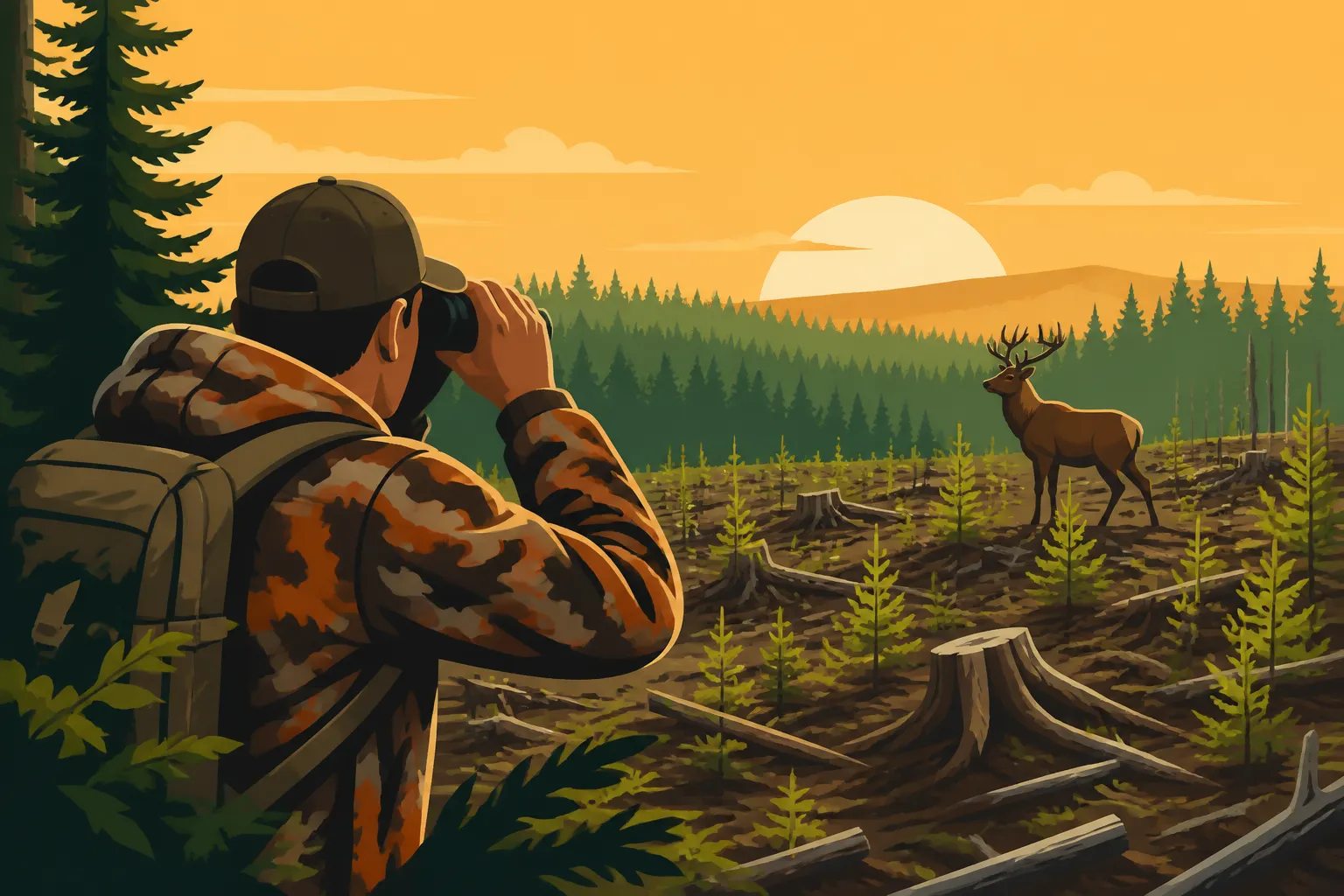
When a timber company moves in and clears a section of forest, it drastically alters the landscape. Initially, it might look like a desolate moonscape, full of stumps and churned earth. But give it just a single year, and magic starts to happen. By the second year, that once-barren ground transforms into a wildlife magnet, drawing in everything from deer to moose and elk. It's not just a rumour; it's a proven pattern that dedicated Alberta hunters learn to recognize and exploit.
Understanding the Ecological Transformation
Think about a dense, mature forest. The canopy overhead blocks out most of the sunlight, limiting what can grow on the forest floor. There might be some browse and understory, but it’s often sparse compared to what an open area can produce. When that canopy is removed, suddenly the sun can hit the ground, waking up dormant seeds and stimulating rapid new growth. This burst of life includes a wide array of forbs, grasses, shrubs, and saplings that provide incredibly nutritious and palatable browse. These tender shoots are like an all-you-can-eat buffet for herbivores.
Deer, for instance, crave this diverse forage. A second-year cutblock offers not just food but also developing cover. The initial regrowth isn't dense enough to impede movement significantly, but it offers enough visual obstruction to make animals feel secure while feeding. For moose, the young aspen and willow shoots are irresistible. Elk, too, will move into these areas to graze on the new grasses and browse on the regenerating shrubs. It's a prime example of how disturbance, in this case, logging, can create fantastic wildlife habitat and, in turn, superb hunting opportunities.
Why the "Second Year" is Key
So, why not the first year? Or the third? While first-year cutblocks do see some activity, the ground is often still heavily disturbed, and the best forage might not have fully established itself. Heavy equipment might still be operating, or the area might be too exposed for animals to feel safe. By the second year, the initial shock of logging has settled. The ground has begun to heal, and the new growth is truly starting to explode. The browse is young, tender, and at its most nutritious.
Conversely, by the third, fourth, or fifth year, that growth can become incredibly dense and tall, creating what we often call "dog hair" thickets. While these can offer excellent security cover, they become much harder for animals to move through and for hunters to navigate or spot game in. The most palatable browse might also start to be outgrown. The sweet spot, that perfect balance of abundant food, accessible cover, and relatively open sightlines for a hunter, is often found in that crucial second year. This window of opportunity is why savvy hunters prioritize finding these specific age-class cutblocks.
Locating and Scouting Second-Year Cutblocks
You can't just stumble upon a second-year cutblock and expect success. The first step is diligent research and scouting, which combines modern technology with old-fashioned boot leather. Knowing how to effectively pinpoint these areas from home and then verify them on the ground is paramount to maximizing your chances.
Leveraging Mapping Tools for Identification
In today's world, hunting apps and satellite imagery are indispensable. Platforms like onX Hunt and GoHunt have revolutionized how we find and understand hunting ground. Start by looking for areas in your chosen Alberta Wildlife Management Units that have recent logging activity. On many mapping applications, you can toggle between different satellite imagery dates. Look for areas that show clear-cuts in imagery from about 18-24 months prior to your current hunting season. The contrast between old growth and new clearings will be stark.
Often, these applications also have layers that show forestry operations or land use plans, which can hint at upcoming or recent cuts. Pay attention to the edges of these cutblocks, as animals often stage in the thicker timber surrounding them before moving in to feed. Also, look for natural funnels or pinch points within or leading into the cutblock, like narrow strips of timber, creek bottoms, or benches. These are prime locations for ambush points. It's a bit like being an armchair detective, pouring over maps and trying to predict animal movement before you even leave your living room. A good strategy is to use the topography feature to look for natural draws or high points within the cutblock that might offer better visibility or travel corridors for game. Scouting With Satellite Imagery in Alberta can be a game-changer for identifying these promising locations.
On-the-Ground Scouting for Fresh Sign
Once you've identified a few promising cutblocks on your map, it's time to hit the ground. Nothing beats physical scouting. When you first enter a second-year cutblock, take your time and read the landscape. Look for obvious game trails leading into and out of the cutblock from surrounding timber or thickets. Are there fresh tracks? Pay close attention to the size and direction of travel. Are they mostly deer, elk, or moose?
Next, look for browse. This is critical. Are the tender young shoots of aspen, willow, saskatoon, or fireweed nipped off? Fresh browse indicates active feeding. Look for distinct teeth marks on the ends of the twigs; deer and elk leave a ragged tear, while moose can snip them cleaner. Scat (droppings) is another clear indicator of recent activity and can also tell you what species are using the area. Finally, don't forget rub lines and scrapes, especially if you're hunting during the rut. Young bucks will often use the smaller saplings in a cutblock to rub their antlers, marking their territory. The beauty of a second-year cutblock is that the sign is often concentrated and easy to read because the animals are there for a very specific reason: food.
Effective Hunting Strategies for Second-Year Cutblocks
Hunting a second-year cutblock isn't like hunting mature timber or open prairie. It requires specific tactics tailored to the unique environment. You're dealing with rapidly regenerating cover, varying sightlines, and animals that are actively feeding but also cautious.
Targeting Specific Big Game Species
Each species will utilize a cutblock slightly differently, and your approach should reflect that.
- Whitetail Deer: Whitetails love the cover transition. They might bed in the thick timber adjacent to the cutblock and move into the new growth to feed, especially at dawn and dusk. Look for smaller pockets of thicker regrowth within the cutblock itself where a buck might feel secure during daylight hours. Hunting a Cutline Intersection for Whitetails can be a good analogous strategy here – looking for where different cover types meet. Consider a still-hunt along the edges, moving slowly and scanning frequently.
- Mule Deer: While mule deer often prefer more open, broken country, they will absolutely utilize cutblocks, especially if they offer good sightlines combined with diverse forage. In areas with rolling terrain, they might bed on small rises within the cut or along the edges, using the low growth for concealment. Spot-and-stalk tactics can work well if you can get above the cutblock and glass it thoroughly.
- Moose: Moose are champions of browse, and a second-year cutblock, especially one with abundant willow and aspen regeneration, is a buffet for them. They'll often feed throughout the day. Listen for the sound of their heavy footsteps or the snapping of branches as they move and feed. In dense areas, calling can be very effective, especially during the rut. Calling a Bull Moose in the Rut or Calling Moose in Alberta's Boreal Forest are excellent strategies to employ here.
- Elk: Elk will often graze on the newly established grasses in a cutblock, especially if it's near their preferred bedding areas in thicker timber or more rugged terrain. They tend to be more sensitive to pressure, so an early morning or late evening approach is crucial. If hunting during the bugle season, a cutblock provides excellent acoustics for Bugling to a Foothills Bull Elk, allowing your calls to carry.
Optimal Approach and Stand Placement
Approaching a cutblock needs to be done carefully to avoid spooking game. Identify your entry and exit routes beforehand, always considering the wind. Many hunters will skirt the perimeter in the dark and enter from a downwind direction.
When it comes to stand placement, whether it's a treestand, ground blind, or just a strategic natural hide, focus on areas that offer good visibility into feeding zones while providing cover for yourself. This might be a solitary mature tree left standing within the cut, a small island of un-cut timber, or a transition zone where the cutblock meets older growth. Consider game trails that lead into the cut or natural funnels created by the topography. Animals often follow the path of least resistance. Since the new growth might not be robust enough for a high treestand, a ground blind tucked into a cluster of saplings or behind a large stump can be surprisingly effective. Always consider your backdrop to break up your silhouette.
The Role of Still-Hunting and Calling
Still-hunting is incredibly effective in second-year cutblocks. The varied terrain and regenerating cover offer many opportunities to move slowly, take a few steps, and then pause to observe. Use your binoculars constantly to pick apart the shadows and look for horizontal lines (an animal's back) in a vertical world (trees and shrubs). Move into the wind, paying close attention to any movement, sound, or scent.
Calling can also be a potent tool. For moose, cow calls or even raking brush can simulate another moose and draw them in. For deer, subtle grunts or even rattling antlers, especially during the rut, can pique the curiosity of a buck moving through the area. Ensure you have good cover when calling, as animals will often try to circle downwind to scent-check the source of the sound. Remember, you're trying to replicate natural sounds, so keep it authentic.
Navigating Challenges and Maximizing Success
Hunting second-year cutblocks certainly has its advantages, but it also comes with unique challenges. Being prepared for these hurdles will make your hunt safer, more comfortable, and ultimately more successful.
Access and Terrain Considerations
While a second-year cutblock is past the initial phase of heavy equipment, the ground can still be uneven, full of stumps, hidden holes, and tangled slash piles. Walking through these areas can be arduous and noisy. Proper footwear with good ankle support is non-negotiable. If the cutblock is extensive, consider using an ATV or side-by-side to access certain points, but always check local Quad and Side-by-Side Rules on Crown Land to ensure you're compliant. Remember, too much motorized disturbance can push game out of the area.
Often, the best hunting isn't directly in the middle of the cut, but rather along its perimeter where animals feel safer closer to dense timber. Consider old logging roads or seismic lines that might run alongside or through the cutblock; these often act as natural travel corridors for game and easier access for you. Hunting an Old Logging Road in the Foothills can give you insights into how to use these features effectively. Don't be afraid to walk a little farther to get away from obvious access points where other hunters might concentrate.
Adapting to Weather and Wind Patterns
The open nature of a cutblock means wind can swirl and gust unpredictably, especially in the larger ones. This makes scent control and playing the wind even more critical. Always be aware of the prevailing wind direction and how it might be affected by topography. A slight ridge or depression can create micro-eddies that carry your scent in unexpected directions. If the wind is too squirrely, you might need to reconsider your approach or even the day's hunt.
Weather can also play a significant role. A light rain can soften the ground, making for quieter still-hunting, but heavy rain can make footing treacherous. Snowfall, however, can be a hunter's best friend. Fresh snow not only provides excellent tracking opportunities but also quiets the woods, allowing you to move more stealthily. After a fresh dump, animals are often on the move to feed, making cutblocks prime locations. Hunting Alberta Winter Weather Safely emphasizes preparation for these conditions.
Safety and Ethical Hunting Practices
When hunting in areas with good habitat, you're likely to encounter other hunters. Always wear sufficient blaze orange, especially during rifle seasons, to ensure you are highly visible. Alberta Blaze Orange Requirements are in place for a reason – safety first. Know your target and what's beyond it. Cutblocks can offer long sightlines, but there might be other hunters or even livestock in the distance.
Responsible harvesting and meat care are also paramount. If you take an animal, be prepared to field dress it efficiently and get the meat cooled down quickly. This is especially true in Alberta's variable fall temperatures. Having a plan for extraction is crucial, as the rough terrain of a cutblock can make quartering and packing out an animal a significant challenge. Finally, always be aware of the Alberta Big Game Season Dates for your specific WMU and species to ensure you are hunting legally and ethically. By doing your homework, respecting the land, and prioritizing safety, you can make hunting a second-year cutblock a truly rewarding experience.
Disclaimer
This article is for general informational purposes only and does not constitute professional advice. Laws, prices and regulations vary by location and change over time. Consult a qualified professional for guidance on your specific situation.