What a Bighorn Sheep Hunt Costs
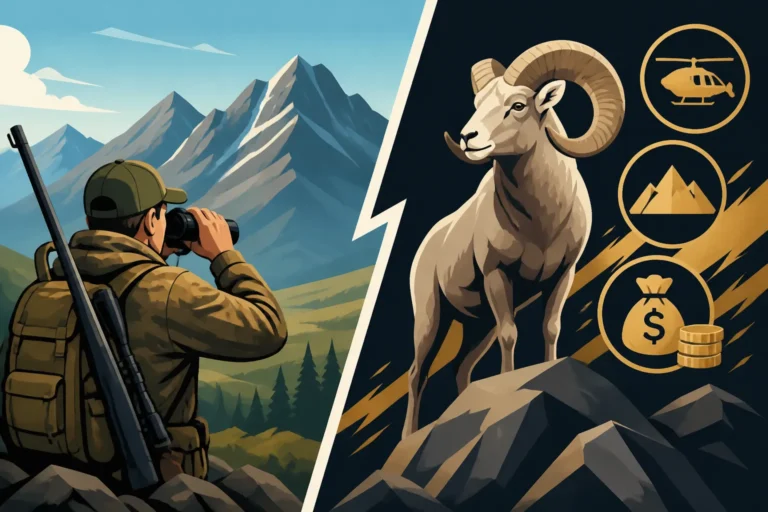
Let's be honest, the dream of hunting bighorn sheep in Alberta is a powerful one for many, but the financial aspect can feel like a complete mystery, leaving many hunters frustrated and unsure if it's even within reach. This guide is going to peel back the layers on what a bighorn sheep hunt in Alberta truly costs, going far beyond just the outfitter's advertised price, so you can plan effectively for this once-in-a-lifetime adventure.
The Reality of Bighorn Sheep Hunt Pricing in Alberta
When you start dreaming about a bighorn hunt, the first thing that often hits you is the sheer scale of the investment. It's not just another deer hunt; it’s an expedition. The mountains demand respect, and so does the planning that goes into pursuing one of North America's most iconic big game animals. The price tag reflects the unique challenges, the remote locations, and the specialized expertise required.
Why Bighorn Hunts Are a Significant Investment
Bighorn sheep hunting isn't your average walk-in-the-woods affair. We're talking about extremely rugged, high-altitude terrain, often far from any road, where these majestic animals make their home. This isn't accessible by truck or even often by quad. Outfitters need specialized equipment, pack animals like horses or mules, and highly experienced guides who know the mountains like the back of their hand. These aren't just guides; they're seasoned mountaineers, animal trackers, and safety experts rolled into one. All of this translates directly into a higher operational cost for the outfitter, which in turn reflects in the price of the hunt.
Moreover, some bighorn sheep licences in Alberta are allocated through draws, such as the resident class 2 sheep draw, the WMU-special class 1 draws and the non-resident Canadian class 1 draw. For non-resident aliens (non-Canadians), this usually means booking with an outfitter who has an allocation for sheep tags, adding another layer of complexity and value to the hunt package. The scarcity of tags, combined with the difficulty of the hunt itself, elevates the perceived and actual value of a bighorn sheep hunt. It's not just a hunt; it's a coveted experience.
Breaking Down the Core Outfitter Fees
The bulk of your bighorn sheep hunt cost will stem from the outfitter's package fee. This fee typically covers the essential elements that make the hunt possible. You're usually looking at professional guiding services, often a 1:1 or 2:1 guide-to-hunter ratio, which is crucial for safety and success in mountain terrain. The outfitter also provides camp accommodations, which can range from comfortable wall tents with wood stoves to spike camps further into the backcountry. Food and non-alcoholic beverages are generally included, ensuring you're fueled for the strenuous days ahead.
Crucially, the package will cover transportation within the hunting area. This might involve horse packing to get deep into the mountains, or possibly even bush plane flights for extremely remote locations. What's often not included, and where many hunters get surprised, are things like taxidermy, meat processing, or even transportation from the nearest major airport to the outfitter's base camp. Always get a detailed breakdown of what your chosen Alberta Outfitter Allocation Is and what the advertised price specifically covers.
The Impact of Hunt Duration and Terrain
The length of your bighorn sheep hunt is a major factor in its cost. A typical bighorn hunt might run anywhere from 7 to 14 days, and naturally, longer hunts mean more resources, more guide time, and thus, a higher price. The intense physical demands of sheep hunting mean you can't just expect a quick, easy trip. Days are spent glassing, stalking, and climbing, often covering significant vertical and horizontal distances.
The specific terrain and access methods also play a huge role. A horse-supported hunt, where you ride into a base camp and then use horses for daily travel, will have a different cost structure than a pure backpack hunt where every item is carried in by foot. The more remote and challenging the access, the more specialized the logistics become, and the higher the cost. Hunting deep in the Willmore Wilderness Park, for example, requires extensive planning and resources for a truly remote experience. Understanding the logistics of a particular area, like Backpacking Into Alberta Sheep Country, can give you insight into why costs vary so much.
Beyond the Sticker Price: Hidden and Essential Expenses
While the outfitter's package forms the core of your budget, there's a whole host of other expenses that can quickly add up and catch you off guard if you haven't accounted for them. Thinking of these as "hidden" costs isn't fair, as they're absolutely essential, but they are often separate from the outfitter's primary fee structure.
Government Licences, Tags, and Draw Application Fees
Before you even step foot in Alberta's stunning mountains, you'll need to sort out your government paperwork and fees. As a non-resident hunter, you'll require an Alberta Wildlife Identification Number (WIN) Card, which is your unique identifier for all hunting and fishing activities in the province. On top of that, you need a Wildlife Certificate. These are foundational. Then comes the specific bighorn sheep licence, which, depending on your residency and the licence class, may or may not require a draw entry. Where a draw applies, you'll pay an application fee for the draw, and if successful, the cost of the special licence itself. These fees are set by the government and are separate from your outfitter. It's crucial to understand Alberta Hunting Licences and What They Cost and What the Wildlife Certificate Covers well in advance. Keep a close eye on the Alberta Draw Deadlines and Result Dates so you don't miss any critical steps.
Travel, Accommodation, and Logistics to Get to Alberta
Getting yourself and your gear to Alberta is another significant expense. This includes airfare if you're flying in, which can be substantial, especially if you're bringing a firearm. Remember, there's a specific process for Flying to Alberta With a Rifle or even Driving Into Alberta With Firearms across the border, and these often come with their own fees and paperwork. Once you land in Calgary or Edmonton, you'll need ground transportation to your outfitter's meeting point or base camp. This could involve renting a vehicle, or arranging a shuttle if the outfitter offers one.
Don't forget about pre- and post-hunt lodging. Many hunters arrive a day or two early to settle in, double-check gear, or meet up with their outfitter, and often stay an extra night after the hunt before traveling home. These hotel stays, meals, and other incidentals add to the overall cost. Plan these logistics carefully, as remote locations might mean limited options.
Essential Gear and Equipment Investments
Sheep hunting demands specialized gear, and this is an area where cutting corners can genuinely impact your safety and success. We're talking about high-quality, lightweight, and durable equipment designed for extreme mountain conditions. Expect to invest in top-tier optics – a good spotting scope, binoculars, and rangefinder are non-negotiable for finding sheep in vast landscapes. Layered clothing systems that can handle rapid weather changes from warm sun to freezing rain or snow are essential.
Your boots are perhaps the most critical piece of gear; they need to be broken in, waterproof, and provide excellent ankle support for steep, rocky terrain. A reliable backpack that can comfortably carry heavy loads, including meat if you're successful, is also a must. Other items like trekking poles, a sleeping system rated for cold nights, and navigation tools all contribute to this often-overlooked category. If you don't already own gear suited for Backpacking Into Alberta Sheep Country, this can be a significant upfront cost.
Trophy Care, Processing, and Shipping Costs
After the hard work of the hunt, and hopefully a successful harvest, there's still the matter of getting your trophy and meat home. This involves costs for field care, which your guide will typically assist with, but often extends to professional butchering services if you plan to keep the meat. Taxidermy work, if you choose to have your ram mounted, can be a considerable expense, and these services typically have their own fees and timelines.
Once processed, there are costs associated with shipping meat, cape, and horns back to your home. Shipping Meat Home From Alberta involves specialized coolers and expedited shipping, while shipping antlers home from Alberta can require crating and freight services. If you're coming from another country, there are often additional border crossing regulations and fees for importing animal parts. Always discuss these options and costs with your outfitter and a reputable taxidermist before the hunt.
Comparing Bighorn Hunt Options and Finding Value
Understanding the breakdown of costs is one thing, but making an informed decision about which hunt to book requires comparing options and understanding where value truly lies. It's not always about the lowest price; sometimes, paying a bit more upfront can save you headaches, or even ensure a higher quality, safer, and more successful experience.
Understanding Guide-to-Hunter Ratios
One of the most significant factors influencing the cost of a guided hunt is the guide-to-hunter ratio. You'll typically find two main options for bighorn sheep: 1-on-1 guiding or 2-on-1 guiding. A 1-on-1 hunt means you have a dedicated guide solely focused on you and your hunting success. This offers maximum flexibility, personalized attention, and often translates to better opportunities, especially in challenging mountain terrain. Naturally, this individualized service comes at a premium.
A 2-on-1 hunt, where two hunters share one guide, is generally less expensive per hunter. While it can still be a highly effective way to hunt, it requires more coordination between the hunters and the guide, and the pace might be dictated by the slower or less experienced hunter in the pair. For sheep hunting, where physical demands are high and opportunities can be fleeting, many experienced hunters prefer the 1-on-1 experience. You can find more discussion on this in articles like One-on-One Versus Two-on-One Guiding, though the specifics for sheep hunting amplify the importance of this choice.
The Role of Seasonality and Availability
Like many hunting opportunities, the timing of your bighorn sheep hunt can influence its cost and availability. Outfitters often have prime dates during the rut or when sheep are more accessible, and these dates tend to book up quickly, sometimes years in advance. While it's rare for sheep hunts to see "discounted" rates during off-peak times due to their inherent difficulty, you might find more flexibility in scheduling or slightly less demand if you're looking at shoulder seasons.
Booking well in advance is paramount for bighorn sheep. This isn't a last-minute decision hunt. Top outfitters with a reputation for success and quality experiences will have their schedules filled years out. So, if you're serious about pursuing a ram, start your research and booking process early. This ensures you get your preferred dates and can adequately prepare, both physically and financially. It’s worth checking out resources like BookYourHunt or GoHunt for researching available dates and outfitters well in advance, giving yourself ample time to plan. Waiting until the last minute will severely limit your choices and potentially increase your costs.
Vetting Outfitters and Asking the Right Questions
Choosing the right outfitter is arguably the most critical decision after committing to the hunt itself. This is where your due diligence truly pays off. Don't just look at the price tag; delve into the outfitter's reputation, success rates, and what their past clients have to say. Ask for references and call them. Inquire about guide experience, camp logistics, and their safety protocols in mountain country. A good outfitter will be transparent and happy to answer all your questions.
When using platforms like BookYourHunt or GoHunt, pay close attention to reviews and detailed hunt descriptions. These can offer invaluable insights. Don't be afraid to ask direct questions about what specific inclusions are in the price, and what unexpected costs might arise. Clarify everything from meat handling to trophy care. This proactive approach helps avoid nasty surprises down the road. Articles like How to Vet an Alberta Outfitter and Questions to Ask Before Booking provide excellent frameworks for these conversations, tailored to the Alberta context.
Beyond the Price: Assessing the Overall Value
Ultimately, the "cost" of a bighorn sheep hunt isn't just a dollar figure; it's an investment in an experience. When assessing value, consider the outfitter's track record for safety, the quality of their guides, the remoteness and beauty of the hunting area, and the overall camp experience. A slightly higher-priced hunt with a reputable outfitter who boasts excellent guides, a safe operation, and a high success rate often provides far greater value than a "bargain" hunt that leaves you disappointed or, worse, in a precarious situation in the mountains.
Think about the physical preparation you'll need, as a guided hunt will still demand a high level of fitness from you. The memories, the challenge, and the possibility of taking a magnificent bighorn ram in Alberta's stunning mountains are truly priceless. Investing in a quality experience ensures those memories are positive, even if a ram isn't harvested. While Success Rates on Alberta Whitetail Hunts is a different species, the general principles of understanding what "success rate" truly implies and what an outfitter does and doesn't guarantee is a critical aspect to consider for any guided hunt.
Here’s a simplified breakdown of typical cost categories for an Alberta bighorn sheep hunt:
| Cost Category | Description | Typical Range (Relative to Package Price) | Notes |
|---|---|---|---|
| Outfitter Package Fee | Guide services, camp, food, in-field transportation (horses/trucks/planes) | 70-85% | Varies significantly with 1:1 vs. 2:1 ratio, duration, area |
| Government Licences & Tags | WIN Card, Wildlife Certificate, Draw Application (where applicable), Sheep Tag | 2-5% | Mandatory for all hunters; non-resident fees higher |
| Travel & Accommodation (Pre/Post) | Flights, rental car, hotels before/after hunt | 5-10% | Dependent on distance traveled and personal preferences |
| Specialized Gear & Equipment | Optics, boots, clothing layers, backpack, sleeping system | 5-15% | Significant if starting from scratch, less if already owned |
| Trophy & Meat Processing | Butchering, taxidermy, shipping of meat/antlers/cape | 5-10% (can be higher for extensive work) | Often separate services, costs vary by provider and method |
| Gratuities (Tips) | For guides, camp staff, cooks | 5-15% of package fee | Customary in the industry, reflects satisfaction with service |
| Contingency/Miscellaneous | Unexpected expenses, personal items, permits, extra supplies | 3-5% | Always good to have a buffer for unforeseen circumstances |
Disclaimer
This article is for general informational purposes only and does not constitute professional advice. Laws, prices and regulations vary by location and change over time. Consult a qualified professional for guidance on your specific situation.