Why Sheep Hunts Cost So Much More
You've been dreaming of that full-curl ram, the pinnacle of North American big game hunting, but then you look at the price tag for an Alberta sheep hunt and your jaw just about hits the floor. It’s a common moment of sticker shock, and believe me, you're not alone in wondering why these hunts carry such a hefty premium compared to a whitetail or even a moose hunt. This guide is here to demystify those costs, explaining the unique challenges, logistics, and unparalleled expertise that make a mountain sheep hunt an investment in an unforgettable, once-in-a-lifetime experience.
The Inherent Challenge of Mountain Sheep Hunting
Mountain sheep hunting isn't just another walk in the woods; it's an extreme athletic endeavour in some of Alberta's most unforgiving landscapes. The very nature of the animal and its habitat dictates a level of difficulty and commitment that few other hunts can match, and these factors directly influence the price.
Rugged Terrain and High Altitudes
Imagine traversing steep, rocky slopes, often above the timberline, where every step requires careful consideration. Mountain sheep live in some of the most remote and physically demanding regions of Alberta, far from roads, trails, or even well-trodden paths. Hunting Alberta's Mountain WMUs and Their Access often involves gaining significant elevation, crossing treacherous talus slopes, and navigating dense patches of krummholz. The sheer verticality of the landscape isn't just scenic; it's a constant physical challenge for both hunter and guide.
This brutal environment means that standard hunting gear often isn't enough. Hunters need specialized mountaineering boots, rugged clothing designed for extreme weather shifts, and lightweight, durable backpacks to carry essentials for days or even weeks. The toll on equipment is considerable, and the need for reliable, high-performance gear adds to the overall cost, even before you consider the hunt itself. It’s a completely different ballgame than a flatland whitetail pursuit.
Limited Opportunities and Permit Scarcity
Perhaps one of the most significant drivers of cost for sheep hunts, particularly for non-residents, is the extreme scarcity of available tags. Unlike general deer or even elk tags, bighorn sheep are often managed under strict quota systems, with very limited allocations. For Alberta residents, a class 1 (trophy) sheep licence can be bought without a draw, though non-trophy sheep licences (draw 29) and the special WMU class 1 draws (410, 437, 444/446, 408 and 438) are allocated by draw. How Priority Points Build and Reset is a long game for sheep.
For non-residents, the situation is even more constrained. Non-resident Canadians can apply for a class 1 sheep licence through a once-in-a-lifetime draw (draw 31), while non-Canadians must hunt with an outfitter, who has only a very small allocation to offer. This creates an incredibly high demand for a very limited supply, inevitably driving prices skyward. When an outfitter does secure an allocation, it's a highly valued commodity, reflecting the years of effort and investment required to maintain their permits and access. This isn't a licence you pick up over the counter; it's a golden ticket.
The Sheer Logistics and Remote Access Requirements
Getting to where the sheep live, let alone hunting them, is a monumental logistical undertaking. Forget driving your truck to the edge of a field; mountain sheep hunting often involves a complex and expensive network of transportation, specialized equipment, and extended stays in the backcountry.
Backcountry Living and Extended Stays
Unlike many other big game hunts that might be completed in a few days from a lodge or home base, sheep hunts often require hunters to live in the backcountry for extended periods. We're talking 7 to 14 days, sometimes even longer, in spike camps. This means packing in all food, water, sleeping gear, cooking supplies, and emergency equipment for the entire duration. Every single item must be carefully planned and carried.
The remote nature of these camps also means that any supplies, equipment, or even emergencies require significant effort and cost to address. A simple trip to town for forgotten items isn't an option. This extended commitment to self-sufficiency in a harsh environment is a core part of the experience, but it also piles on the logistical complexities and, therefore, the expenses. You're essentially funding a small, temporary expedition.
Specialized Transport: Horses, Helicopters, and Bush Planes
Getting deep into prime sheep country often means leaving modern vehicles behind. Horses and pack mules are the traditional and often necessary mode of transport, allowing hunters and guides to cover vast distances with heavy loads over rugged terrain. Maintaining a string of reliable pack animals, complete with all their gear, feed, and experienced wranglers, is a considerable expense for any outfitter.
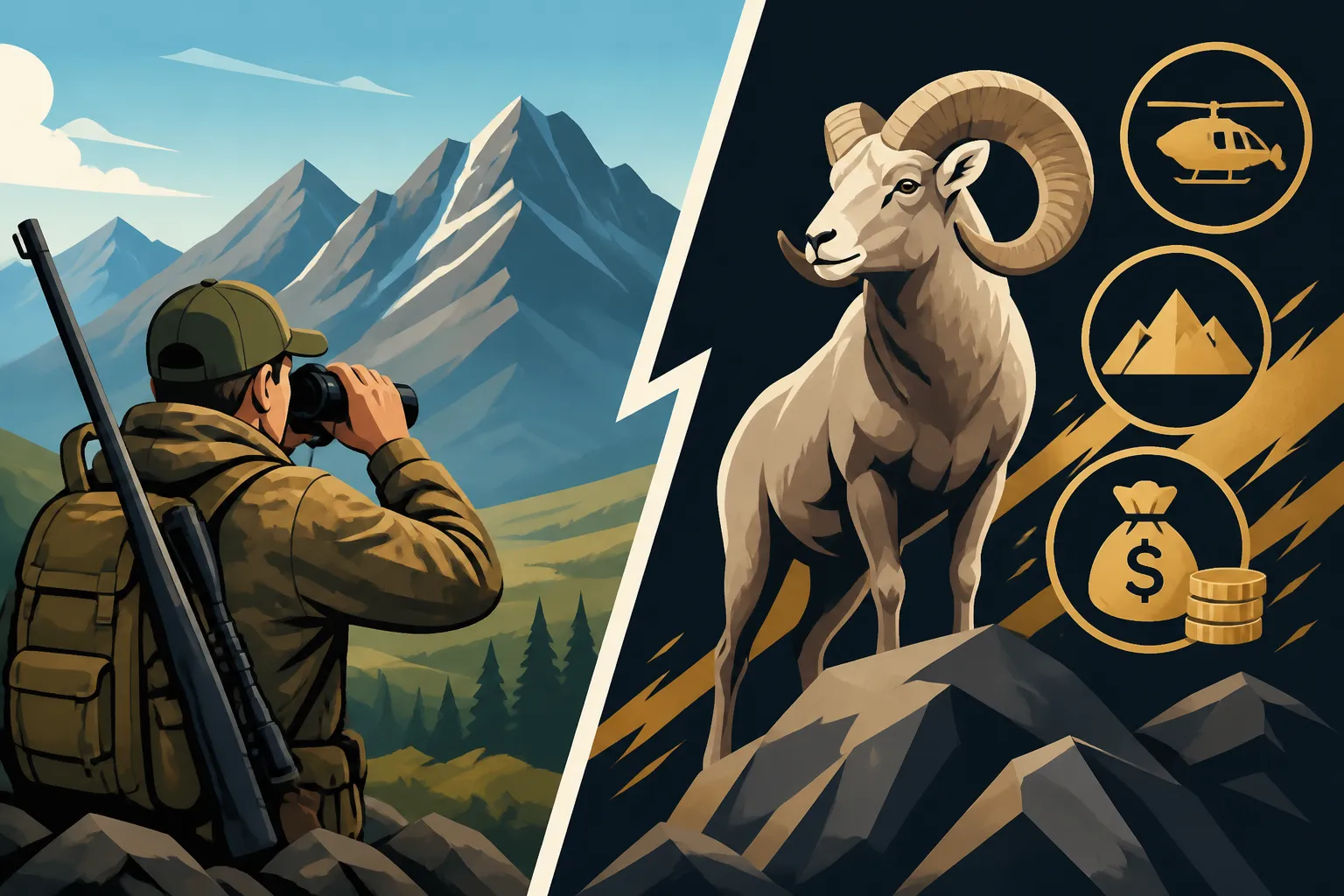
In some of the most remote or challenging areas, fixed-wing aircraft or even helicopters might be used to ferry hunters and gear into otherwise inaccessible high-country basins. While incredibly efficient, these methods come with a very high per-hour cost. Imagine the fuel and maintenance on a bush plane just to get you to a remote lake, or a helicopter lift to a high alpine meadow. This type of specialized transportation is a significant cost factor that simply doesn't exist for most other hunting opportunities.
The Unmatched Expertise of a Specialized Sheep Guide
When you hire a sheep guide, you’re not just paying for someone to point you to an animal; you’re investing in years, often decades, of highly specialized knowledge, physical prowess, and an unwavering commitment to safety and success in extreme environments.
Years of Experience and Specialized Knowledge
A good sheep guide isn't just a hunter; they're a master of mountain craft. They possess an intimate knowledge of the specific mountain ranges they hunt, understanding sheep migration patterns, preferred bedding areas, escape routes, and how weather affects their movement. This knowledge isn't learned overnight; it's accumulated over countless seasons spent glassing, tracking, and living in the high country. They can Judging a Full-Curl Bighorn Ram at extreme distances, a skill that takes a lifetime to hone.
Furthermore, these guides are often accomplished mountaineers, capable of navigating treacherous terrain, assessing avalanche risks, and performing critical first aid in remote locations. They are often licensed, insured, and deeply invested in the conservation of these magnificent animals. Their expertise is what separates a potential dream hunt from a dangerous, fruitless, and miserable ordeal. You're paying for their hard-earned wisdom and their ability to keep you safe while maximizing your chances of success.
High Hunter-to-Guide Ratios and Physical Demands
Sheep hunts almost universally operate on a one-on-one guide-to-hunter ratio. This personal attention is crucial for safety and success in such challenging environments, but it also means that the outfitter's guide fees are not diluted across multiple clients simultaneously. You have a dedicated professional focused solely on your hunt. One-on-One Versus Two-on-One Guiding makes a huge difference, and for sheep, one-on-one is almost always the standard.
The physical demands placed on sheep guides are extraordinary. They carry heavy loads, climb for miles daily, and endure the same harsh conditions as the hunter, often while also cooking, setting up camp, and spotting sheep. This isn't a nine-to-five job; it's an all-consuming commitment that requires peak physical condition and mental fortitude. Compensating these highly skilled and hardworking individuals fairly for their intense labour and expertise is a major component of the hunt's cost. You're essentially buying the services of an elite mountain athlete and strategist. Many hunters use resources like BookYourHunt or GoHunt to find and research outfitters that specifically specialize in these highly demanding hunts, often reviewing guide profiles and success rates with great scrutiny.
Understanding the Permit and Allocation Dynamics
The administrative and regulatory framework surrounding sheep hunting also plays a significant role in the overall cost. These are not general tags; they are special allocations with specific rules and high values.
Outfitter Allocations and Draw Success
In Alberta, outfitters are granted specific "allocations" for certain species in certain Wildlife Management Units (WMUs). For species like bighorn sheep, these allocations are extremely limited and highly competitive. An outfitter might only get one or two sheep tags to offer in a given year. These allocations are a valuable asset to the outfitter and are factored into the price of the hunt. They represent a scarce resource that the outfitter has invested time and capital into securing.
The process of Booking an Alberta Bighorn Sheep Hunt often begins months, or even a year or more, in advance because of these limited allocations. The outfitter has already paid for these permits or has a system in place to secure them, regardless of whether a client ultimately harvests an animal. This upfront investment by the outfitter further contributes to the overall cost you see as a hunter. This is where researching with platforms like GoHunt can give you insight into which outfitters consistently have sheep allocations and what their reputation is.
Comparison to Other Big Game Hunts
To really put the cost in perspective, let's consider a quick comparison between a typical Alberta whitetail hunt and a bighorn sheep hunt.
| Feature | Typical Whitetail Hunt | Bighorn Sheep Hunt |
|---|---|---|
| Terrain | Farmland, bush edges, river valleys, accessible areas | Steep mountains, alpine, remote, extreme elevation |
| Access | Vehicle, ATV, walking on established trails/roads | Horseback, foot, bush plane/helicopter (often combo) |
| Duration | 3-6 days, often returning to lodge/home daily | 7-14+ days, spike camps, deep backcountry |
| Guide Ratio | Often 2:1 or 1:1, can vary based on package | Almost always 1:1 for safety and success |
| Gear Required | Standard hunting gear, suitable for local conditions | Specialized mountain/backpack hunting gear, ultra-light, durable |
| Physical Demand | Moderate to high, depending on method and area | Extreme, high-level fitness required |
| Tag Availability | General tags often available over-the-counter | Highly limited, draw-only, or outfitter allocation |
| Logistics | Relatively straightforward, often near infrastructure | Complex, self-sufficient, extended planning |
| Success Rate | Generally higher for managed populations | Lower inherent success due to animal/terrain |
As you can see, almost every variable tips towards higher costs and greater complexity for a sheep hunt. When evaluating potential outfitters and their prices, services like BookYourHunt allow you to compare offerings, though it's important to remember that the base costs are inherently higher due to these fundamental differences. Remember that What an Alberta Guided Hunt Costs is a reflection of all these moving parts.
Beyond the Price Tag: The True Value of a Sheep Hunt
While the financial investment for an Alberta sheep hunt is undoubtedly substantial, many hunters who embark on this journey will tell you it's about much more than just the cost. It's about the profound experience, the incredible challenge, and the unparalleled trophy that represents a lifetime of effort.
A Once-in-a-Lifetime Adventure
For many, a bighorn sheep hunt is the culmination of a lifelong dream, a true wilderness adventure that transcends merely harvesting an animal. It's about testing your physical and mental limits, immersing yourself in some of North America's most spectacular and remote landscapes, and forging an unbreakable bond with your guide and the mountains themselves. Stories of successful sheep hunts are legends shared around campfires, passed down through generations.
The memories made during a sheep hunt – the grueling climbs, the breathtaking views, the intense glassing sessions, and the pure elation of a successful stalk – are priceless. It's a journey of self-discovery as much as it is a hunt, pushing you to places you never thought you could go. This isn't just a transaction; it's an investment in an experience that will shape you as a hunter and as an individual.
Conservation and Ethical Hunting Practices
The high cost of guided sheep hunts also indirectly supports the conservation efforts that ensure these majestic animals continue to thrive. A significant portion of licence fees and outfitter contributions often goes back into wildlife management, habitat protection, and research. Outfitters and guides are often at the forefront of advocating for responsible hunting practices and sustainable populations.
They understand the immense value of these resources and work tirelessly to protect them. The very system that makes these hunts expensive is also designed to ensure the species' longevity and the ethical pursuit of trophy animals. So, when you pay for a sheep hunt, you're also contributing to the greater good of wildlife conservation in Alberta's mountains. It's a full-circle contribution to the wild places we all cherish.
Disclaimer
This article is for general informational purposes only and does not constitute professional advice. Laws, prices and regulations vary by location and change over time. Consult a qualified professional for guidance on your specific situation.