Hunting Black Bear With Dogs in Alberta
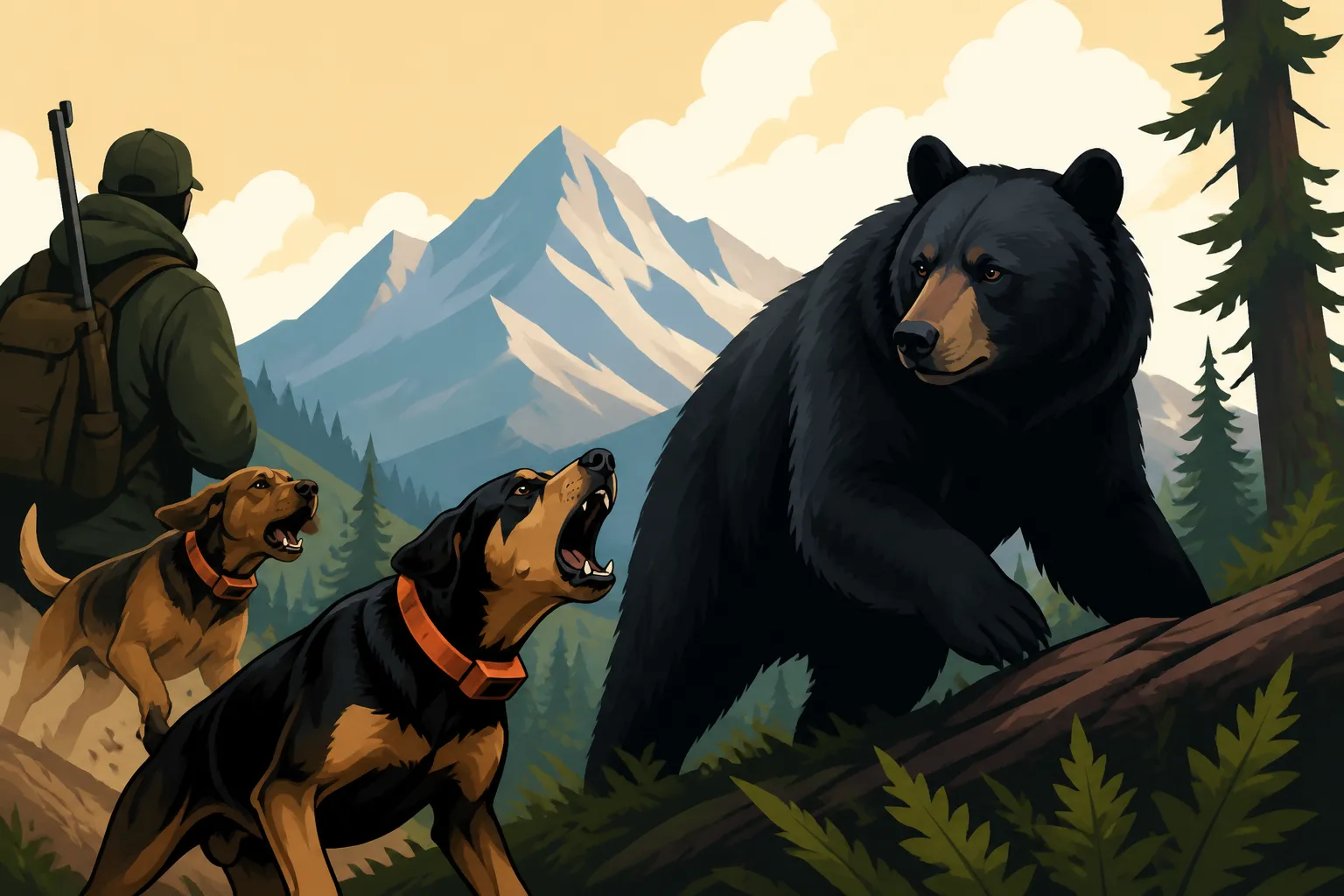
For many hunters, the thought of pursuing a black bear with a pack of hounds is something straight out of a classic hunting magazine, a tradition rich with sound and fury. However, translating that dream into reality in Alberta comes with a unique set of challenges, from understanding very specific regulations to the immense dedication required in training and deploying a dog pack. This guide is here to walk you through the intricate world of hunting black bear with dogs in Alberta, helping you navigate the rules, prepare your hounds, and safely experience this exhilarating method.
Understanding Alberta's Regulations for Hunting with Dogs
Alberta has specific and often stringent rules when it comes to hunting big game with dogs. It's not a free-for-all, and understanding these regulations thoroughly is the absolute first step before you even think about putting a leash on a bear hound. Failing to adhere to these rules can lead to serious legal repercussions, so let's get into the nitty-gritty.
Permissible Areas and Seasons
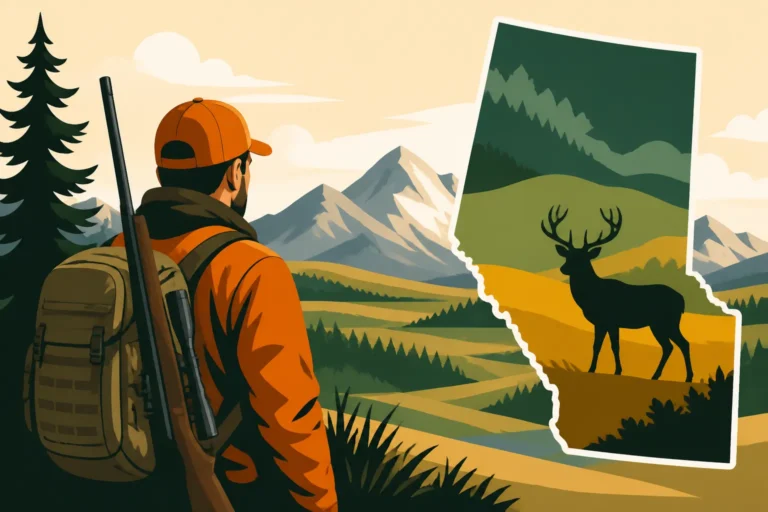
Not every corner of Alberta is open to hunting black bear with dogs. The provincial regulations are very clear that this method is generally restricted to the "Green Area" – Alberta's forested public lands. This isn't your open prairie or parkland; we're talking about the vast northern and western forested regions where black bear populations are more concentrated and human settlements are sparser. The specific Wildlife Management Units (WMUs) that fall within the Green Area are where you'll need to focus your efforts. These areas are vast, often remote, and demand careful preparation and navigation. It's critical to cross-reference your chosen WMU with the current hunting regulations to confirm that bear hunting with dogs is explicitly allowed, as rules can change from year to year.
Furthermore, just like any other hunting method, bear hunting with dogs is tied to specific seasons. Generally, Alberta offers both a spring and a fall black bear season. The spring season often runs from April through June, while the fall season typically begins in late August or early September and extends into late October or November. These seasons are set to align with bear activity patterns – coming out of dens in spring and fattening up before winter in the fall. You'll need to ensure your hunt aligns with these dates within your chosen WMU, as hunting outside of the designated season, even accidentally, is a serious offense. Always consult the current Alberta Hunting Regulations Guide for precise dates, as they are the definitive source for legal hunting information.
Licensing and Dog Registration Requirements
Beyond a valid Alberta Wildlife Certificate and a black bear tag, there are specific requirements for the dogs themselves. If you plan on using dogs to hunt black bear, your dogs must be registered with the province. This isn't just a suggestion; it's a legal mandate. You'll need to acquire a "Trained Hunting Dog Permit" for each dog you intend to use. This permit ensures that the dogs are recognized by the province as being specifically used for hunting purposes. The application process typically involves providing details about your dog, and you must carry proof of this registration with you while hunting.
In addition to the dog permits, you, as the hunter, must ensure you possess all the necessary personal licenses. This includes your Wildlife Identification Number (WIN) card, which is a prerequisite for purchasing any hunting license in Alberta. Then, you'll need your general hunting licence and a specific black bear licence. You can purchase these through the AlbertaRELM system, either online or through authorized licence issuers. These administrative steps, while sometimes feeling like red tape, are essential for legal and ethical hunting, ensuring that the province can track hunting effort and manage wildlife populations responsibly. Don't overlook these details, as they are foundational to a legal hunt.
The Ethical and Practical Considerations of Dog Hunting
Hunting with dogs is a deeply engaging and traditional method, but it comes with unique ethical and practical responsibilities that every hunter must embrace. It's far more involved than a still-hunt or sitting over a bait site, requiring a profound understanding of animal behaviour, environmental factors, and the well-being of your hounds.
Understanding Bear Behavior and Hound Dynamics
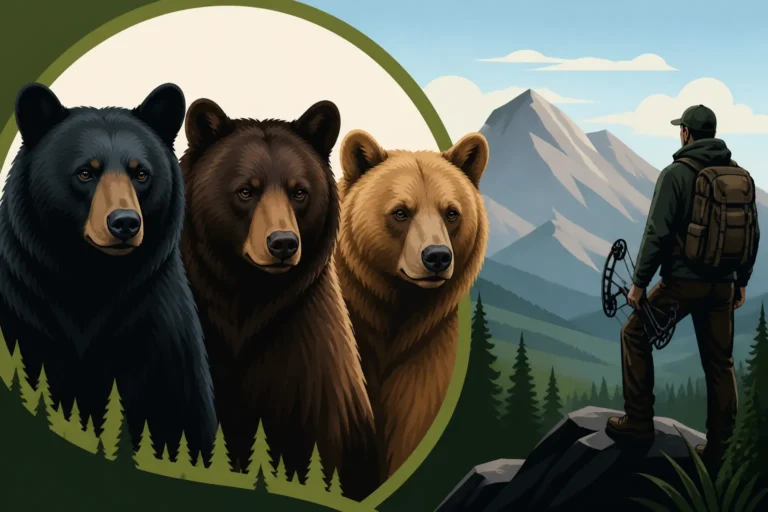
Successful dog hunting for bears hinges on a deep appreciation for both the bear's behaviour and the intricate dynamics of your hound pack. Black bears, especially in Alberta's diverse landscapes, exhibit varied patterns. In the spring, they might be found grazing on green-ups in cutblocks or along seismic lines, while in the fall, they'll be focused on foraging for berries and nuts in dense timber. Your hounds, usually breeds like Plott Hounds, Walkers, or Redbones, are bred for their scenting ability, stamina, and voice. They need to be able to pick up a cold track, unravel it through challenging terrain, and ultimately tree or bay the bear.
The pack dynamic is crucial. A good pack works as a cohesive unit, communicating through their unique barks and bawls. Each dog might have a specific role: some are excellent at trailing, others at keeping the bear "treed" once located. You, as the handler, become the conductor of this canine orchestra, interpreting their language to understand the progress of the hunt. This method offers unparalleled excitement, but it's also a serious commitment to ensuring the hunt is fair chase and that the bear is dispatched cleanly and quickly once treed or bayed. It requires respect for both the quarry and the hunting dogs.
Challenges of Terrain and Weather in Alberta
Alberta's hunting landscapes, particularly in the Green Area, present significant challenges for both hunters and hounds. The dense boreal forest can be thick with underbrush, fallen timber, and muskeg, making foot travel arduous and tracking even more difficult. Rugged foothills in the west introduce elevation changes, steep slopes, and rocky terrain that can wear down even the fittest dogs and hunters. These environments demand physical conditioning from everyone involved, and suitable gear is non-negotiable. Think durable dog vests, GPS collars, and robust footwear for the hunters.
Weather can also be a major factor. Spring hunts might contend with lingering snow, muddy trails, and sudden temperature drops, while fall hunts can range from warm, dry days to early snowfalls and freezing rain. All these conditions affect scenting ability, dog stamina, and hunter comfort and safety. A wet, cold day can make it nearly impossible for dogs to pick up a scent, or it can lead to hypothermia in less conditioned hounds. Conversely, hot, dry conditions can quickly overheat dogs. This means you need to be prepared to adapt your strategy, potentially delaying a hunt or focusing on specific times of day when conditions are more favourable. Using a mapping tool like GoHunt can be invaluable for understanding the terrain and planning your routes to minimize hazards for your pack.
Training and Preparing Your Hounds for Bear Country
Successful bear hunting with dogs is largely a testament to the time and dedication invested in training. You can't just take Fido out of the backyard and expect him to be a top-tier bear hound. These dogs are athletes, and their skills are honed over years.
Essential Skills for a Bear Hound
A good bear hound needs a specific set of skills, and these aren't acquired overnight. Foremost is their ability to track a cold scent trail over varying terrain, often hours after the bear has passed. This requires immense focus and a strong nose. They also need perseverance and stamina to follow that trail for miles, sometimes through incredibly tough country, without giving up. Once they close the distance, they must learn to tree or bay a bear safely and effectively, holding its attention with their distinctive "chop" or "treeing bark" without getting too close and risking injury.
Crucially, hounds must also be "cold-nosed" on bear only. This means they should be trained to ignore deer, moose, elk, coyotes, or other game they might encounter. A dog that continually runs off after whitetails is not only unproductive but can lead to dangerous situations and wasted time. This selective trailing is one of the hardest aspects to train, often requiring exposure to many different animals and consistent correction. Lastly, recall and obedience are paramount. When the hunt is over, or if a dog is in danger, you need to be able to call them back, sometimes from a significant distance. Investing in a good GPS collar system with remote training capabilities, such as those offered by Garmin, is practically a necessity in today's dog hunting world.
Socializing and Conditioning Your Pack
Training isn't just about teaching a dog to track; it's also about creating a well-adjusted, physically fit animal. Socialization is critical, especially if you plan to hunt with multiple dogs. A pack that doesn't get along can be a liability, leading to fights, distractions, and a breakdown in the crucial teamwork needed to pursue a bear. Start socializing puppies early with other dogs, people, and different environments. Introduce them to older, experienced hounds that can teach them the ropes and help establish pack hierarchy. This often means running dogs together, letting them work out their differences, and building mutual respect.
Physical conditioning is equally important. These dogs will be covering many miles, often at a fast pace, over rough ground. Regular exercise, including long runs, swimming, and navigating varied terrain, is vital. Just like human athletes, hounds need to build endurance and muscle strength. A well-conditioned dog is less likely to get injured, can maintain focus longer, and is more resilient to the demanding conditions of an Alberta bear hunt. Start their conditioning regime well in advance of the season, gradually increasing intensity. Think of it like training for a marathon for both you and your dogs. A healthy diet, proper veterinary care, and regular check-ups also play a significant role in keeping your hounds in peak hunting form. For more on the specific challenges of this method, check out our piece on Running Bear Dogs Under Alberta's Rules.
The Hunt: From Track to Tree
The actual hunt itself is a whirlwind of intense activity, strategic decision-making, and communication between hunter and hounds. It's a method that requires constant engagement and adaptability, from the moment you cut a track to the final moments of a successful harvest.
Locating a Fresh Bear Track
The hunt begins long before the dogs are ever released from the box. It starts with scouting, often for days or weeks, to locate active bear sign. In Alberta, this might mean cruising forestry roads and cutlines in the early morning or late evening, looking for fresh tracks in the mud, overturned rocks, scat, or rubbed trees. You're looking for a track that is relatively fresh, ideally from that morning, as a cold track will be much harder for the dogs to follow and often leads to them "jumping" another, fresher bear. Identifying what a good, chase-worthy track looks like is an art in itself.
Once a promising track is found, the process of "cutting" the track begins. This involves carefully assessing the track's direction, size, and freshness to determine the best point to release the dogs. Sometimes, you might follow a track on foot for a short distance to ensure it's indeed a bear and not another large animal. The goal is to release the dogs on a track that offers the highest chance of them picking up the scent quickly and confidently, minimizing the risk of a "non-game" chase. This pre-release scouting is critical, as it sets the stage for the entire hunt.
The Chase and the Tree
Once a fresh track is confirmed, the excitement truly begins. The hounds are released from their boxes, often eager and vocal, and are encouraged to find the scent. As they pick up the trail, their barks will change – from the excited "mouth" of cutting a track to the rhythmic, focused "chop" or "bawl" of a dog on a hot trail. This is the soundtrack of the chase, and for experienced hunters, it's a symphony of information. You'll be listening to their voices, tracking their progress on GPS collars, and trying to predict where the bear is headed.
The chase can last minutes or hours, covering vast distances and challenging terrain. As the dogs close in, their barks will intensify, eventually changing to the distinct "treeing bark" or "baying" sound, signaling that the bear has either climbed a tree or has been cornered and is "bayed" on the ground. This is the moment when hunters move in, navigating the bush to reach their dogs. The approach needs to be strategic and quiet, as a treed bear can decide to descend, and a bayed bear can charge. Ethical considerations are paramount at this stage; you need to assess the bear, ensure it's a legal animal (i.e., not a sow with cubs, which is illegal to harvest), and plan for a clean, ethical shot if you decide to take the animal. If you're hunting in the thick of the November rut, understanding Hunting the Rut in Early November can give you an edge in predicting animal movements.
Post-Chase Protocols and Safety
Once the bear is treed or bayed, and you've decided to harvest it, safety is your absolute top priority. Ensure the dogs are safely secured or controlled before a shot is taken. A frantic dog can easily run into the line of fire. Communicate clearly with any hunting partners about shot placement and safety zones. After the shot, secure the bear and ensure it's fully dispatched before allowing the dogs to approach, especially if they are young and still learning. This is an opportunity for them to learn about the quarry they've been pursuing, reinforcing their training.
After a successful harvest, immediate care of the meat and hide is crucial, especially in Alberta's varied temperatures. Field dressing should be done promptly to cool the carcass. You'll also need to manage your hounds. They've just expended an incredible amount of energy and adrenaline. Provide them with water, check them for injuries, and give them a well-deserved rest. This is also the time to attach your black bear tag properly and record your harvest, fulfilling your legal obligations. For details on proper post-harvest handling, particularly in varying temperatures, refer to our guide on Meat Care in Alberta's Cold and Warm Swings.
Safety First: Hunter and Hound
Hunting with dogs, by its very nature, carries inherent risks. From the rugged landscape to unpredictable wildlife encounters, safety must always be at the forefront of every decision.
Essential Gear for Hunters and Dogs
Being properly equipped is non-negotiable when hunting black bear with dogs in Alberta. For hunters, sturdy, waterproof hiking boots are essential, as you'll be covering extensive ground, often off-trail, through wet and uneven terrain. Durable, briar-resistant clothing is also highly recommended to protect against thorns, dense brush, and rough bark. Personal safety gear includes a good first-aid kit, a reliable GPS device or a mapping app like GoHunt (and spare batteries!), a compass, and enough water and high-energy snacks for a long day. Communication devices, like satellite messengers or two-way radios, are crucial, especially in areas with no cell service. And of course, always carry a sidearm in bear country for self-defense, knowing how to use it safely and proficiently.
For your dogs, the gear list is equally important. GPS collars are absolutely essential for tracking your hounds in dense bush, allowing you to monitor their location, speed, and even their treeing status. These collars, often from brands like Garmin or SportDOG, can be a significant investment but are invaluable for locating dogs that have gone silent or chased a bear out of earshot. Protective vests for dogs can guard against cuts, scrapes, and punctures from brush and even the bear's claws. Water bottles and portable bowls are vital for keeping dogs hydrated during long chases. Always carry a basic canine first-aid kit with items for cuts, paw injuries, and other common ailments your hounds might encounter.
Navigating Alberta's Wilderness Safely
Alberta's Green Area, while offering incredible hunting opportunities, is true wilderness. It demands respect and preparedness. When traversing this country, always be aware of your surroundings. Terrain can be misleading, and a slight incline on a map can be a steep, rocky climb in reality. Watch for hazards like fallen trees, slippery moss-covered rocks, and unstable creek banks. If you're planning to hunt in areas requiring significant off-road travel, understanding Quad and Side-by-Side Rules on Crown Land is crucial to ensure legal access.
Wildlife encounters, beyond just bears, are also a possibility. You could stumble upon moose, elk, wolves, or even grizzly bears in some regions. Know how to react to each scenario. Carrying bear spray is a good practice, even if you have a firearm. Let someone know your hunting plan, including your intended WMU, estimated return time, and specific routes. This "leave a trip plan" strategy is a simple but life-saving practice. Pay close attention to weather forecasts, and be prepared for rapid changes. A sunny morning can quickly turn into a cold, wet afternoon, leading to hypothermia risks for both you and your dogs. If you find yourself in a bind, knowing What to Do If You Get Stuck in the Bush can be invaluable.
Beyond the Hunt: Post-Harvest and Records
A successful black bear hunt with hounds isn't just about the chase and the harvest. It extends to the responsible handling of the animal post-harvest and, for many, the desire to preserve the memory or even record the achievement.
Proper Field Dressing and Meat Care
After a successful bear harvest in Alberta, proper field dressing is paramount. Black bear meat, when handled correctly, can be excellent table fare, but it requires careful attention. Immediately after the bear is down, gutting the animal is essential to allow the carcass to cool quickly. This prevents bacterial growth and spoilage, especially if temperatures are warm. Bears carry a significant amount of fat, which can taint the meat if not removed promptly and cleanly. Skinning the bear in the field also aids in cooling and makes packing out easier. You'll want to remove as much fat as possible from the meat during the skinning and quartering process.
Transporting the meat out of the bush requires planning. Consider using game bags to keep the meat clean and protect it from insects. If you're in rugged terrain, a game cart or even a backpack frame might be necessary. Once out of the field, the meat should be kept cool and transported to a processor as soon as possible. Some hunters choose to process their own bear meat, but if you're new to it, a professional butcher specializing in wild game is a great option. Remember, Alberta has regulations regarding the transport of game meat and proof of sex, so ensure you understand and adhere to these to avoid issues.
Skull Cleaning and Trophy Preparation
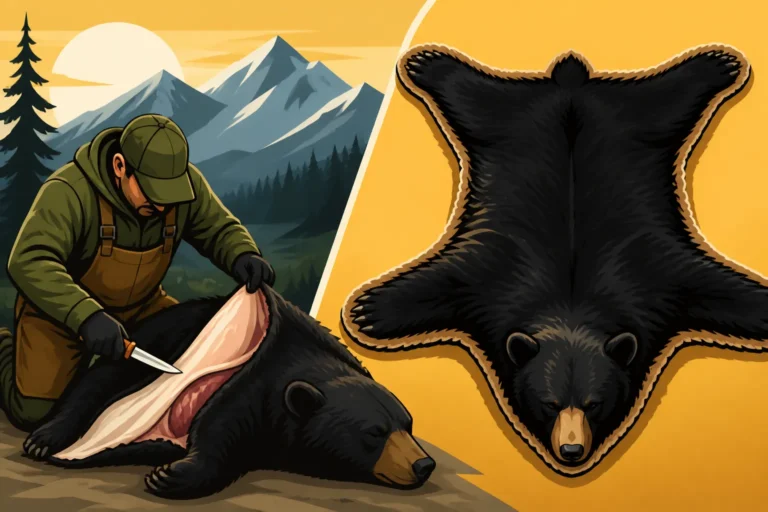
For many bear hunters, the skull and hide are cherished trophies, commemorating the challenging hunt. If you plan to keep the skull, it needs to be properly cleaned. This typically involves skinning the skull, removing as much flesh as possible, and then either boiling or macerating it to remove remaining tissue. Taxidermists often offer skull cleaning services if you prefer a professional job, resulting in a clean, white European mount. For those interested in the full taxidermy experience, the hide will need careful preparation. This means skinning it correctly for a rug or shoulder mount, removing all excess fat and flesh (fleshing), and then salting it thoroughly to preserve it until it can be taken to a taxidermist.
It's crucial to understand Alberta's rules on Transporting Game Meat and Proof of Sex and bringing trophies across borders if you're an out-of-province hunter. Always check with Canadian border services and your home country's wildlife agencies about regulations for importing hides, skulls, and meat. If your bear is exceptionally large, you might also consider having it officially scored for the Boone and Crockett or Pope and Young record books. This involves specific measurements taken after a drying period. Regardless of whether you pursue a record, the skull and hide serve as powerful reminders of an exhilarating hunt with your dedicated hounds in the Alberta wilderness.
Disclaimer
The information provided in this guide is for general informational purposes only and does not constitute legal advice. Hunting regulations in Alberta are subject to change, and it is the responsibility of every hunter to consult the most current Alberta Hunting Regulations Guide, available from the provincial government, before engaging in any hunting activities. Always ensure you have the appropriate licenses, permits, and landowner permission, and adhere to all safety guidelines.