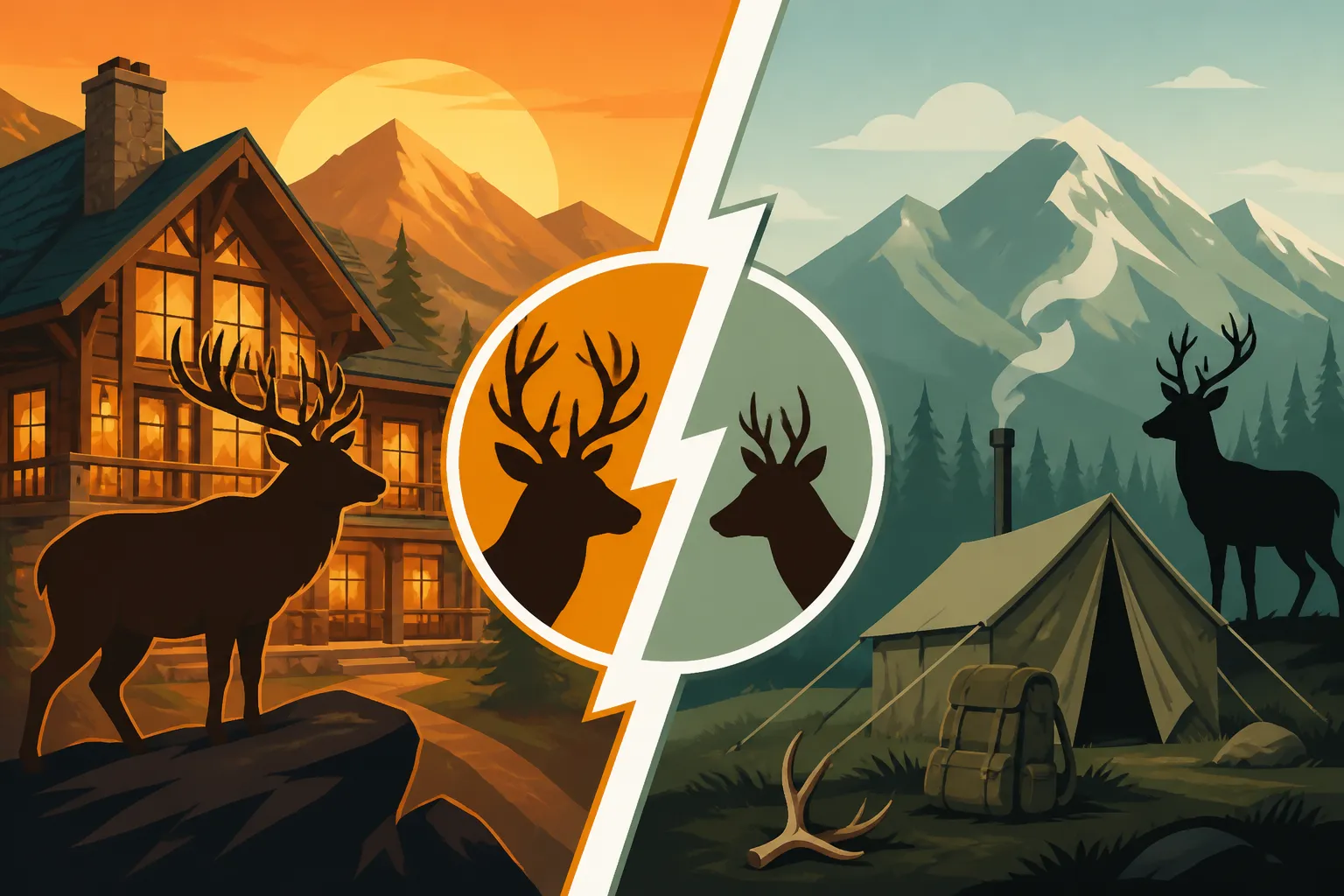
Lodge Hunts Versus Spike Camps
When you're dreaming of an Alberta hunting adventure, one of the biggest decisions that often looms is what kind of camp experience you're truly after. Are you picturing hot showers and home-cooked meals after a long day, or are you envisioning roughing it deep in the bush, miles from civilization? This guide is here to help you navigate the fundamental differences between a traditional lodge hunt and a rugged spike camp, so you can confidently choose the setup that best suits your hunting style, comfort level, and budget.
The Lodge Hunt Experience: Comfort Meets Convenience
A lodge hunt in Alberta offers a blend of comfort, convenience, and community that appeals to many hunters. After a grueling day of tracking game, navigating dense timber, or glassing vast prairies, returning to a warm, dry lodge with amenities can feel like a slice of heaven. This style of hunt often caters to those who appreciate a solid roof over their heads, regular meals, and perhaps even a bit of camaraderie around a fireplace.
Accommodations and Amenities
When you book a lodge hunt, you're usually looking at private or semi-private rooms, comfortable beds, and often full bathrooms with running water. Think heated cabins, log lodges, or even repurposed farmhouses that have been set up specifically for hunters. The creature comforts are a major draw; hot showers, flush toilets, and a heated space to dry your gear are standard. This environment allows you to recharge properly, both physically and mentally, for the next day's hunt. Imagine coming in from a crisp November morning hunt for whitetails, boots and outerwear wet from tracking through fresh snow, and knowing you can shed it all and warm up quickly, rather than having to tend a wood stove or huddle in a sleeping bag in a tent. The focus here is on reducing the "roughing it" aspect, letting you focus more purely on the hunt itself.
Daily Routine and Support
The daily rhythm of a lodge hunt is typically well-structured and supported. You'll often wake to a hearty breakfast prepared by a camp cook, discuss the day's hunting plan with your guide, and head out. Lunch might be packed to eat in the field, or you might return to the lodge for a warm meal. Evenings are usually spent enjoying a substantial dinner, sharing stories with fellow hunters and guides, and relaxing in a communal area. This full-service approach extends to gear storage, basic laundry facilities in some cases, and the overall management of the camp. The outfitter handles most of the logistics, from food preparation to transport to and from hunting areas, allowing you to immerse yourself in the hunting experience without worrying about camp chores. If you're looking into Booking an Alberta Whitetail Hunt, an outfitter offering a lodge will usually lay out these details very clearly.
Social Aspect and Post-Hunt Comforts
One often-overlooked benefit of a lodge hunt is the social aspect. You're typically sharing the experience with other hunters, guides, and camp staff. This creates a vibrant atmosphere where stories are swapped, tips are exchanged, and new friendships are forged. After the hunt, whether you've harvested an animal or not, returning to a comfortable space to decompress, enjoy a cold beverage, and relive the day's events is invaluable. Many lodges have dedicated areas for processing game, or they work with local butchers, further simplifying the post-harvest logistics. This communal environment means that while the hunt itself might be solitary, the start and end of each day are filled with shared experiences. It’s a great way to meet other like-minded individuals and bond over a shared passion, far from the daily grind.
The Spike Camp Adventure: Back to Basics, Deep in the Bush
For many, the true essence of hunting lies in raw immersion, self-sufficiency, and facing the wilderness on its own terms. This is where the spike camp shines. A spike camp strips away the luxuries and places you right in the heart of the hunting grounds, often in remote areas inaccessible by road. It’s about being lean, mobile, and deeply connected to the environment.
Raw Wilderness Immersion
A spike camp is all about minimal impact and maximum immersion. Whether it's a small canvas wall tent, a lightweight backpacking tent, or even just a tarp strung between trees, your shelter is functional and efficient. You’re typically set up far from paved roads, deep within a Boreal WMU Access in Wet Years or nestled in the foothills. The intent is to be right where the game is, reducing travel time and increasing your time on the ground. This means waking up to the sounds of the forest, the crisp morning air, and the immediate presence of wild country. There are no distractions of town, no internet, often no cell service – just you and the hunt. This kind of experience truly allows you to feel the pulse of Alberta's wild landscapes, from the silent timber of the north to the rugged peaks of the mountains.
Self-Sufficiency and Skill Development
Opting for a spike camp means embracing self-sufficiency. You're responsible for setting up and maintaining your camp, preparing your own meals (often dehydrated or simple one-pot concoctions), managing your water supply, and keeping your gear in working order. This style of hunting demands a higher level of outdoor skill, from navigation to fire starting to proper meat care in the field. It’s a fantastic way to hone your bushcraft and test your preparedness. Every decision, from what gear to pack to how you'll cook your evening meal, contributes to the overall success and safety of your trip. The sense of accomplishment after a challenging day in a remote spike camp, knowing you're fully responsible for your comfort and survival, is incredibly rewarding. This is particularly true if you're Backpacking Into Alberta Sheep Country where every ounce matters.
The Physical and Mental Challenge
There’s no denying that a spike camp hunt is physically and mentally demanding. You'll likely be hiking further, carrying heavier packs, and enduring more austere conditions. Weather swings, common in Alberta, can turn a comfortable day into a test of endurance. Sleeping on a cot or pad in a tent, even a good one, isn't the same as a lodge bed. You're constantly aware of your surroundings, listening for wildlife, and managing the logistics of camp life. This isn't for everyone, but for those who thrive on challenge and pushing their limits, a spike camp offers an unparalleled sense of adventure and personal growth. It can be a truly transformative experience, making you appreciate the simplest comforts that much more when you eventually return to civilization.
Key Differences: Comfort, Cost, and Craft
Understanding the core distinctions between lodge hunts and spike camps goes beyond just where you sleep. It influences your budget, the gear you need, and even the kind of hunting experience you'll have.
Financial Investment and Value
Generally speaking, a lodge hunt often comes with a higher price tag upfront. This reflects the extensive services provided: comfortable accommodations, prepared meals, dedicated staff, and often more robust vehicle support for accessing hunting areas. You're paying for convenience, comfort, and a largely worry-free experience. However, when considering the total value, factor in that you won't need to invest as much in personal camping gear, cooking equipment, or advanced wilderness skills training. The outfitter handles a significant portion of the logistical and equipment burden. When checking out outfitters on platforms like BookYourHunt, you'll see a clear breakdown of what’s included in a lodge package.
In contrast, a spike camp hunt might seem cheaper on paper, especially if you're DIY. However, if you don't already own the necessary specialized gear—like high-quality tents, sleep systems, portable cooking stoves, water filters, and robust backpacking equipment—your initial investment in gear can be substantial. For guided spike camps, the outfitter still provides guiding services, some camp gear, and perhaps horses or ATVs for access, so costs can still be significant, though often less than a full-service lodge. The "value" in a spike camp often comes from the experience itself: the deeper immersion, the self-reliance, and the sense of true wilderness adventure.
Logistics and Equipment
The logistical footprint is vastly different. A lodge hunt usually involves minimal personal gear beyond your hunting essentials, clothing, and weapon. The outfitter takes care of camp setup, food, cooking, and usually getting you to and from the hunting zones. You're typically relying on their vehicles, specific access points, and established routines. This can simplify travel, especially for non-residents flying into Alberta with firearms.
For a spike camp, whether guided or unguided, your personal equipment list grows dramatically. You need to carry everything required for survival and comfort in a remote setting. This includes lightweight shelter, sleeping bags rated for cold Alberta nights, cooking systems, first-aid, navigation tools, and more. Access often involves more strenuous travel, potentially on foot, horseback, or ATVs on rough trails. Outfitters running spike camps, especially for something like Hunting Mountain Goat in Steep Rock, will often utilize horses to get gear and hunters into remote locations. This demands a higher level of personal preparedness and packing efficiency. GoHunt often features articles on what to pack for these types of backcountry excursions, highlighting the essential gear needed.
Hunting Style and Flexibility
Lodge hunts, while still very much about the hunt, often integrate a structured schedule. You might leave at dawn, return for lunch or late afternoon, and have specific areas you're hunting daily. The guide typically drives you to various points, and you hunt from there. While effective, this can sometimes limit spontaneous movements or the ability to chase game into truly remote, roadless areas.
Spike camps offer unparalleled flexibility and immersion. Because your camp is in the hunting grounds, you can be on stand or glassing at first light with minimal travel, and hunt until the last legal minute before retreating to camp. You can follow game further, adapt to animal movements more readily, and truly live where the animals live. This means you might spend more time tracking in dense cover or stalking across open ground, and less time commuting. If you're looking to really embrace Spot-and-Stalk Mule Deer in Alberta or Calling Moose in Alberta's Boreal Forest, being right there, ready to move, is a massive advantage.
Deciding What's Right for Your Alberta Hunt
Choosing between a lodge hunt and a spike camp isn't about one being inherently "better" than the other. It's about aligning the hunting experience with your personal preferences, physical capabilities, and goals.
Matching Your Goals and Experience Level
Consider what you truly want out of your Alberta hunting trip. Are you seeking a relaxing getaway with a chance to hunt, enjoying good food and comfortable lodging? A lodge hunt is likely your ideal. It's a great option for newer hunters, those looking for less physical strain, or groups who want a social experience. If your goal is to harvest an animal while still having all the comforts of home, a lodge provides that balance.
However, if you're a seasoned outdoors person, an avid backpacker, or someone who thrives on challenge and self-reliance, a spike camp might be more up your alley. If you dream of deep wilderness solitude, minimal amenities, and the satisfaction of earning your kill through sheer grit and bushcraft, then the rugged simplicity of a spike camp will be a deeply rewarding experience. This also applies if you’re looking to hunt specific, hard-to-reach areas where game pressure is lower.
Budgeting for Your Adventure
Your budget will certainly play a role. While a lodge hunt has a higher base price, it often includes almost everything, from meals to guiding services, often making it a predictable all-in cost. Make sure to clarify What an Alberta Guided Hunt Costs and exactly what's included and what's extra, like licences or trophy fees.
For a spike camp, especially if you're going guided, you need to factor in your personal gear investment if you don't already own it. Factor in food costs, fuel, and potential specialized equipment like satellite communication devices. While the direct outfitter cost might be less, the total cost of ownership for a DIY or semi-guided spike camp can add up quickly. Be honest about what you're willing to spend on both the hunt itself and the necessary gear to make it successful and safe.
Finding the Right Outfitter/Guide
Regardless of your choice, selecting the right outfitter is paramount. For lodge hunts, inquire about the lodge's facilities, the quality of meals, and the guide-to-hunter ratio. Ask for references and look for reviews. For spike camps, focus on the outfitter's experience in remote areas, their safety protocols, and the quality of their backcountry gear. Discuss their emergency plans and communication strategies. Platforms like BookYourHunt allow you to filter by type of accommodation and read reviews from other hunters. GoHunt is another excellent resource for researching outfitters and understanding different hunt packages, often providing insights into both lodge and spike camp offerings. Don't be afraid to ask lots of Questions to Ask Before Booking to ensure there are no surprises.
| Feature | Lodge Hunt | Spike Camp |
|---|---|---|
| Accommodation | Comfortable lodge/cabin, private/semi-private | Tent (wall, backpacking), tarp, minimal shelter |
| Amenities | Hot showers, flush toilets, heating, cooked meals | Basic heating (wood stove), limited water, simple meals |
| Food | Home-cooked, diverse meals, full breakfast/dinner | Self-prepared, dehydrated, one-pot, basic |
| Comfort | High; focus on relaxation and recovery | Low; focus on resilience and efficiency |
| Location | Base camp with vehicle access, often near towns | Remote wilderness, deep in hunting grounds |
| Access | Primarily vehicle-based transport to hunt areas | Foot, horseback, ATV, minimal road access |
| Social Aspect | High; communal dining, shared stories | Low; often solitary or small group |
| Physical Demands | Moderate; less focus on camp chores | High; self-sufficiency, strenuous activity |
| Gear Required | Personal hunting gear, clothing | Extensive personal backcountry gear, survival |
| Cost Profile | Higher upfront, often all-inclusive | Lower upfront (if gear owned), higher gear investment |
Ultimately, your choice will define a significant part of your Alberta hunting narrative. Both offer incredible opportunities to pursue game in some of North America's most stunning landscapes. It's about understanding yourself as a hunter and what kind of adventure truly calls to you.
Disclaimer
This article is for general informational purposes only and does not constitute professional advice. Laws, prices and regulations vary by location and change over time. Consult a qualified professional for guidance on your specific situation.