Alberta Outfitters Who Guarantee Nothing
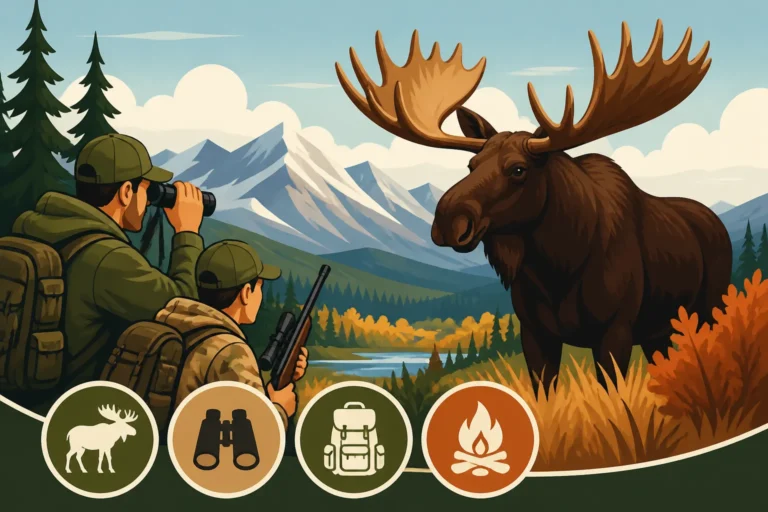
You've been dreaming of that big Alberta buck or bull, picturing yourself holding those impressive antlers, and perhaps you've started looking at outfitters. It's natural to want reassurance, a solid promise that your investment will yield the trophy you've always envisioned. But here's a crucial piece of realistic advice: if an Alberta outfitter guarantees you a kill, that should immediately raise a red flag. True ethical outfitters simply cannot and will not make such promises, and understanding why is key to having a successful and fulfilling hunting experience in this incredible province. This guide will walk you through why real hunting doesn't come with guarantees and how to find an outfitter who still provides an unparalleled experience.
The Reality Check: Why No Outfitter Can Guarantee Success
Let's be brutally honest: hunting wild animals is just that—hunting. It's not a trip to the grocery store where you pick out exactly what you want from the shelf. When you step into the vast, wild landscapes of Alberta, you're entering an arena governed by nature's rules, not ours. Any outfitter who tells you otherwise is either misinformed, unethical, or both, and you should probably run the other way.
The Unpredictable Nature of Wild Animals
Wild game animals in Alberta are not pets. They aren't on a schedule, they don't punch a time clock, and they certainly don't care that you've paid good money to be there. Whether you're chasing elusive mule deer in the badlands or calling a bull moose in the boreal forest, these animals are masters of their environment. They have senses far more acute than ours, an innate ability to detect danger, and instincts honed over millennia.
Think about it: a mature whitetail buck in Alberta's aspen parkland didn't get big by being easy to find or fool. He survived multiple hunting seasons, learned patterns, and developed an uncanny knack for appearing and disappearing without a trace. Their movements are dictated by food sources, breeding cycles, pressure from predators (including humans), and sheer whim. One day, they might be visible from a cutline; the next, they've vanished into thick cover. A truly great guide will understand these patterns, know the habitat intimately, and put you in the best possible position, but they can't force a wild animal to cooperate.
Weather, Conditions, and Factors Beyond Control
Beyond the animals themselves, there's a myriad of external factors that no human, not even the most experienced outfitter, can control. Weather in Alberta, especially during hunting season, can be incredibly unpredictable. You might book a prime rut hunt in November expecting crisp, cold days and fresh snow for tracking, only to be met with a week of warm temperatures and pouring rain. Rain can make trails muddy, obscure scent, and push animals into different areas. Deep snow can make travel difficult or impossible, while a lack of snow means harder tracking.
Consider wind, too. A strong, swirling wind can make a spot-and-stalk hunt for mule deer almost impossible, carrying your scent far and wide. Drought conditions can push elk off traditional ranges in search of water, or a sudden cold snap can lock up water sources, changing waterfowl patterns entirely. These environmental variables are a fundamental part of hunting, adding to the challenge and the reward. An outfitter's job is to adapt to these conditions, to guide you safely, and to help you learn to read the landscape, but they can't change the forecast or stop a blizzard.
Hunter Skill and Preparation: Your Role in the Equation
Let's not forget the hunter's contribution to the equation! Even with the best guide and in prime habitat, you are the one pulling the trigger or releasing the arrow. Your physical fitness, shooting proficiency, patience, and mental fortitude all play a massive role in whether a hunt is successful. An outfitter can put you on a magnificent bull elk, but if you can't make the shot under pressure, or if you're too out of shape to get to that animal, the opportunity is lost.
This isn't about shaming anyone; it's about being realistic. A reputable outfitter will often ask about your experience and expectations precisely because they know your personal preparation matters. They want you to be successful, but they also know they can't make you a better shot or fitter overnight. Practicing Before a Guided Hunt is incredibly important, not just for ethical harvesting but for your own confidence and enjoyment. Your guide will work tirelessly to create opportunities, but closing the deal is ultimately up to you.
What a Reputable Alberta Outfitter Does Guarantee (and What They Don't)
So, if a guarantee of a kill is off the table, what can you reasonably expect from a professional Alberta outfitter? This is where understanding the true value of a guided hunt comes in. It's about much more than just the end result; it's about the entire experience, the effort, the expertise, and the safety.
Professionalism, Effort, and Ethical Practices
What you should expect, and what any quality outfitter will guarantee, is a high level of professionalism, relentless effort, and unwavering commitment to ethical hunting practices. This means your guide will be knowledgeable about the species you're pursuing, the local regulations, and the specific area you'll be hunting. They will work incredibly hard, often from before dawn until well after dark, scouting, tracking, calling, and strategizing to put you in the best possible position.
Ethical practices are paramount. A good outfitter will never encourage illegal activities, nor will they push you to make an unethical shot just to get an animal down. They adhere to fair chase principles, respect the animals, and prioritize safety above all else. They will ensure all licenses and permits are in order and that the hunt is conducted within the bounds of Alberta's hunting regulations. This commitment to the process, to hard work, and to integrity is a true guarantee that sets legitimate operations apart from those making empty promises.
Access, Equipment, and Local Knowledge
Another major advantage of booking with an outfitter is the access they provide and the equipment they bring to the table. In many areas of Alberta, especially for species like bighorn sheep or remote moose, gaining access can be incredibly difficult, requiring specialized vehicles, horses, or intimate knowledge of private land access. An outfitter will have secured the necessary permissions, leases, or permits to hunt prime areas that might otherwise be inaccessible to the average hunter.
Beyond access, they provide the logistics: comfortable camps, reliable vehicles (whether it's a truck, quad, or horses for a Horseback Access on an Alberta Sheep Hunt), and often specialized gear like spotting scopes, calling equipment, and even first aid supplies. Most importantly, they offer an unparalleled depth of local knowledge. They know the terrain like the back of their hand – where the elk typically winter, where the biggest whitetails bed in deep snow, or where the moose feed along cutlines. This accumulated wisdom, gained over years or even decades, is an invaluable resource that you simply can't buy or gain in a short visit.
A Genuine Hunting Experience, Regardless of the Outcome
Ultimately, a reputable outfitter guarantees an authentic hunting experience. They promise days spent in beautiful, wild country, the thrill of the chase, the camaraderie of the camp, and the education that comes from learning from experienced outdoorsmen. While the harvest is often the goal, the true value lies in the journey itself.
Consider a multi-day hunt for Mule Deer Hunting Alberta's Prairie and Badlands. You'll spend hours glassing vast coulees, learning to read sign, understanding deer behaviour, and soaking in the incredible prairie landscape. You might share stories around a campfire, witness breathtaking sunrises, or encounter other wildlife. Even if you don't fill your tag, these experiences forge memories that last a lifetime. That's the real "trophy" many hunters chase, and a good outfitter understands this deeply. They want you to have a memorable, safe, and challenging hunt, whether or not you connect with an animal.
Understanding the Fine Print: Deposits, Cancellations, and Expectations
Booking a guided hunt is a significant investment of time and money. It’s absolutely essential to understand the business side of things, especially when it comes to what happens if things don't go as planned. This is where the fine print, the contracts, and open communication with your outfitter become critical.
Reading Between the Lines of Contractual Agreements
Before you commit to anything, you need to thoroughly read and understand the outfitter's contract. This document should clearly outline what is included in your hunt package, what costs are additional (like licenses, taxes, meat processing, or taxidermy), and, crucially, their policies on deposits, cancellations, and refunds. Don't be shy about asking Questions to Ask Before Booking. If something isn't clear, get clarification in writing.
Most reputable outfitters will have clear terms regarding cancellations, often stating that deposits are non-refundable, especially if you cancel close to the hunt date. This is because they operate on tight schedules, often book years in advance, and a last-minute cancellation means lost revenue they cannot easily recoup. They might offer to roll your deposit over to a future year if they can fill your spot, but this is usually at their discretion. Understanding these terms upfront prevents heartache later on. This is part of why platforms like BookYourHunt are popular, as they often standardize some of these expectations or provide a clear interface to review them.
Handling Deposits, Payments, and Unexpected Situations
When Deposits Are Due and Whether They Refund is typically well in advance. Outfitters need these funds to secure leases, purchase supplies, maintain equipment, and cover operating costs long before you arrive. Full payment is usually due weeks or even months before the hunt begins. Be wary of any outfitter demanding cash-only payments or making vague promises without clear written terms.
What happens if unforeseen circumstances disrupt your hunt? The contract should address this. For example, What Happens If Weather Ruins the Hunt is a common concern. Most outfitters will explicitly state that weather, natural disasters, or other acts of God are beyond their control and do not warrant a refund. This is where personal travel insurance or hunt cancellation insurance can be a wise investment. While an outfitter might make an effort to reschedule if possible, their primary obligation is usually to provide the hunt as booked, regardless of external factors.
Setting Realistic Expectations for Your Alberta Hunt
The biggest takeaway here is setting realistic expectations. Don't go into an Alberta hunt expecting a "guaranteed" record book animal. Go in expecting hard work, beautiful scenery, and the chance to test yourself in the wild. Research the typical Success Rates on Alberta Whitetail Hunts or other species you're after. Understand what "success rate" actually means for an outfitter – it's often the percentage of hunters who had an opportunity at an animal, not necessarily those who harvested one.
Focus on the learning, the challenge, and the adventure. If you harvest an animal, it's the icing on the cake, a hard-earned reward. If you don't, you still gained invaluable experience, spent time in incredible wild places, and made memories. This mindset is crucial for enjoying a hunt with an outfitter who, by virtue of being ethical and realistic, can "guarantee nothing" but a genuine attempt at a truly wild experience.
How to Choose an Outfitter Who Prioritizes the Hunt, Not Just the Harvest
Since guarantees are out, how do you pick an outfitter who will still deliver an exceptional hunting trip? It comes down to due diligence, clear communication, and finding someone whose philosophy aligns with your own. You want someone who prioritizes the quality of the hunt, the ethics, and the overall experience, not just the "grip and grin" photo op.
Vetting Outfitters for Their Approach and Philosophy
Start by looking for outfitters who are transparent about their approach. Do they talk about the challenge of the hunt, the beauty of the landscape, and the effort involved? Or do they focus solely on giant antlers and guaranteed success? Their website, social media, and initial conversations should give you a good feel for their philosophy. Look for testimonials that speak to the quality of the guiding, the camp experience, and the effort, rather than just the size of the animals.
Consider an outfitter who specializes in the species you're interested in. A dedicated Booking an Alberta Moose Hunt outfitter, for instance, will likely have more intimate knowledge of moose habits and habitat than a generalist. Don't just look for "trophy" outfitters; look for those who emphasize fair chase, conservation, and providing a memorable, challenging experience. You want a guide who is passionate about the hunt itself, not just the outcome.
Asking the Right Questions and Checking References
When you're speaking with potential outfitters, ask specific questions about their hunting style, their typical day in the field, and what a hunter can expect if they don't harvest an animal. Ask about their Alberta Guide Insurance and Liability policies, their safety protocols, and how they handle meat care and trophy preparation after a harvest. Checking Whether an Alberta Outfitter Is Licensed is also a critical step; reputable outfitters will be happy to provide this information.
Always ask for references—and follow up with them! Don't just read the glowing testimonials on their website. Speak to past clients directly. Ask them about their entire experience, from booking to the hunt itself. Did the outfitter meet their expectations? How was the food, the lodging, and the overall atmosphere? Was the guide attentive and hardworking? How did the outfitter handle unexpected challenges like bad weather or difficult hunting conditions? Reading Outfitter Reviews Honestly means looking for patterns and specific details, not just star ratings.
Utilizing Platforms and Resources for Informed Decisions
There are some great resources available today to help you connect with reputable outfitters and make informed decisions. Websites like GoHunt or BookYourHunt can be excellent starting points. These platforms often list multiple outfitters, provide structured information about their offerings, and sometimes even include client reviews. While convenient, always remember to cross-reference information and still conduct your personal vetting process.
You can also leverage online hunting forums and social media groups dedicated to Alberta hunting. While you need to be mindful of biased opinions, these communities can offer valuable insights, recommendations, and even warnings about outfitters. Talk to other hunters who have experience with guided hunts in Alberta. Their real-world perspectives can be invaluable in helping you sort through the options and find an outfitter who, despite not guaranteeing a kill, will guarantee you an unforgettable, ethical, and challenging hunt in this beautiful province.
| Feature | What a Reputable Outfitter Guarantees | What They Cannot Guarantee |
|---|---|---|
| Effort & Service | Professional, dedicated, and tireless guiding effort | That you will harvest an animal |
| Ethics & Safety | Adherence to fair chase principles, safety protocols, legal compliance | Absence of unforeseen accidents or incidents |
| Access & Logistics | Access to prime hunting areas, well-maintained equipment, comfortable camp | Perfect weather or ideal hunting conditions |
| Expertise | In-depth knowledge of species, habitat, and regulations | That animals will behave predictably |
| Experience | An authentic, challenging, and memorable outdoor adventure | The size, age, or specific characteristics of a trophy animal |
| Preparation | Honest assessment of hunt difficulty, guidance on hunter prep | Your personal physical fitness or shooting ability |
This article is for general informational purposes only and does not constitute professional advice. Laws, prices and regulations vary by location and change over time. Consult a qualified professional for guidance on your specific situation.