Asking an Alberta Outfitter for References
It's an age-old concern, isn't it? You've spent countless hours dreaming of an Alberta hunting adventure, scrolling through stunning photos, and reading glowing testimonials from outfitters. But deep down, there's always that nagging question: is this outfitter truly as good as they claim? How do you really know if your hard-earned money and precious vacation time will result in the incredible experience you envision? This guide is going to strip away the marketing gloss and walk you through the absolute essentials of asking for and thoroughly vetting references, ensuring your guided Alberta hunt lives up to every expectation.
Why References Aren't Just a "Good Idea" – They're Your Best Insurance Policy
When you’re looking at booking a guided hunt in Alberta, you’re not just buying a service; you’re investing in an experience, a memory, and often, a lifelong dream. This isn't like buying a new pair of boots where you can simply return them if they don't fit. Once you're out there, in the middle of a remote WMU, there's no going back. That's why references are paramount. They’re your direct line to understanding what really happens when the rubber meets the road.
Protecting Your Investment of Time and Money
Let's be real: guided hunts, especially for big game in Alberta, represent a significant financial commitment. We're talking thousands, sometimes tens of thousands of dollars, depending on the species and the package. You’ve likely saved for years, maybe even decades, for this kind of trip. Beyond the financial aspect, think about your time. Most of us get a limited amount of vacation each year, and dedicating a week or two to a hunt means sacrificing other things. A subpar experience doesn't just cost money; it costs invaluable personal time and the emotional energy you've invested in planning. Checking references thoroughly is your best defense against feeling ripped off or disappointed. It helps ensure that when you look at What an Alberta Guided Hunt Costs, you're getting value for every dollar.
Imagine showing up ready for a prime Hunting Alberta's November Whitetail Rut hunt, only to find the camp disorganized, the guide unenthusiastic, or the promised hunting grounds inaccessible. That’s a week gone, a tag potentially unfilled, and a huge chunk of your budget vanished. References provide a firsthand account of what previous hunters experienced, giving you a clearer picture of whether an outfitter consistently delivers. They can tell you if the pre-hunt communication matched the reality on the ground, or if there were any unexpected costs that caught them off guard.
Unmasking the Reality Behind Marketing Hype
Outfitter websites, social media, and brochures are powerful marketing tools, and they're designed to showcase the best of the best. You'll see photos of monster bucks, smiling hunters, and pristine landscapes. And while those images might be genuine, they often represent the peak moments, not the day-to-day reality of a hunt. Every outfitter will tell you they have "high success rates," but what does that truly mean for your hunt? Did everyone get an opportunity, or did only the most skilled or lucky hunters connect? Was the animal harvested a trophy, or was it simply "legal"?
References cut through this marketing veneer. They offer an unfiltered perspective from someone who has lived the experience. They can tell you if the camp was as comfortable as advertised, if the guides were truly dedicated, and if the hunting pressure was manageable. For example, an outfitter might boast a 90% success rate on whitetails, but a reference might tell you that while most hunters tagged out, many of those animals were young bucks taken after long, frustrating days with minimal guidance. It’s important to understand the nuance, as discussed in posts like Success Rates on Alberta Whitetail Hunts. Real references paint a far more complete picture than any glossy brochure ever could.
What to Ask Past Clients – Digging Deep for the Truth
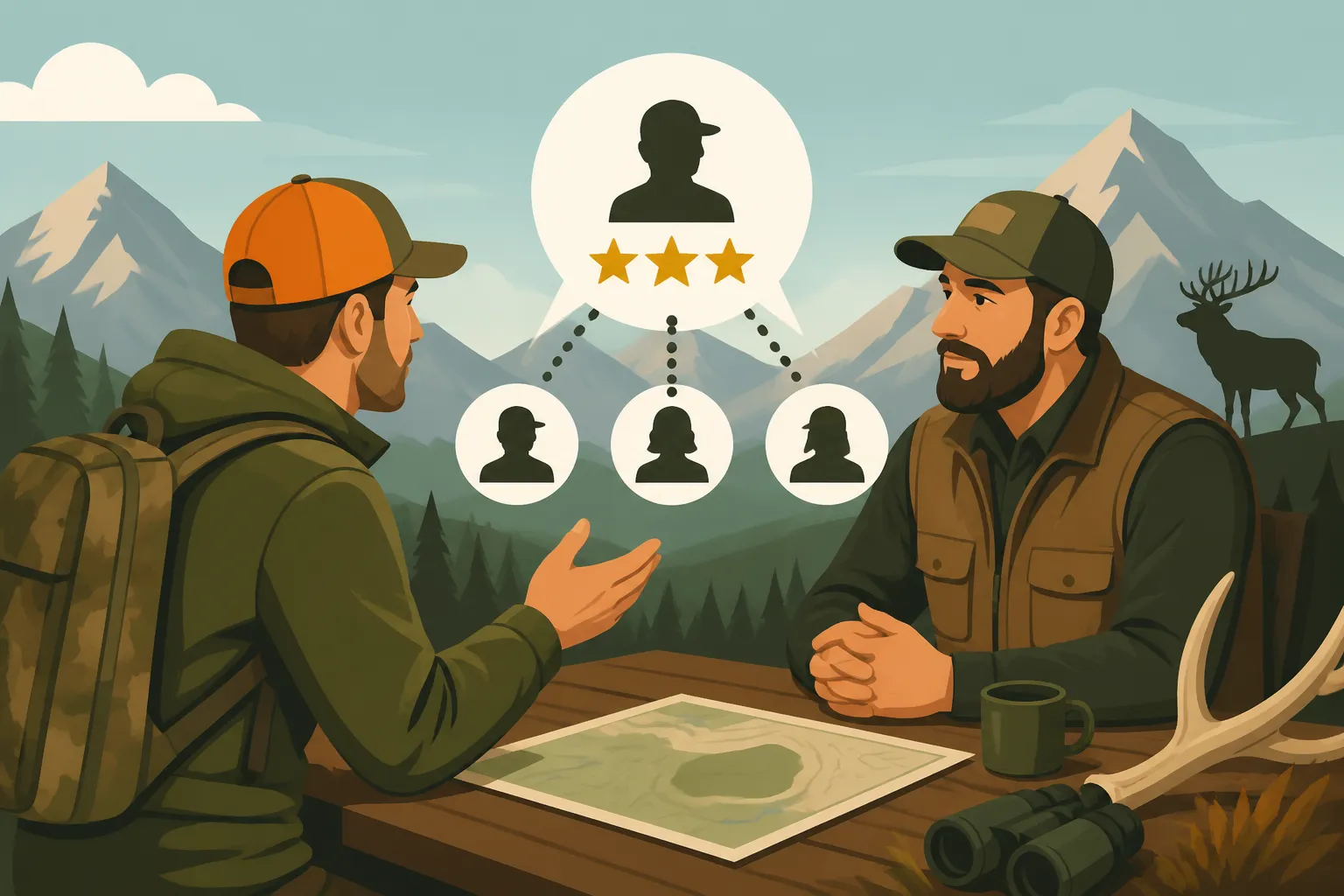
Once an outfitter provides you with a list of references – and if they don't, that's your first major red flag – it’s time to pick up the phone. Don’t rush these calls. Treat them like mini-interviews, because that's exactly what they are. You're interviewing someone who has already been through what you're planning to do.
Essential Questions About the Hunting Experience
Start with the basics, but then go deeper. You want to understand the day-to-day reality of the hunt.
- "What species did you hunt, and during what season?" This helps you understand if their experience is directly relevant to your planned trip. An October archery elk hunt is very different from a November rifle whitetail hunt.
- "Did the outfitter deliver on their promises, particularly regarding the guide-to-hunter ratio?" This is crucial. Many outfitters advertise a 1:1 guide-to-hunter ratio but might put hunters in a 2:1 situation if they're short-staffed or overbooked. The difference between a private, dedicated guide and sharing one can dramatically impact your experience and opportunities. Read up on One-on-One Versus Two-on-One Guiding to understand the implications.
- "How knowledgeable and enthusiastic was your guide?" Did they know the area intimately? Could they track, glass, and call effectively? Were they punctual, professional, and genuinely invested in your success, even when conditions were tough? A great guide can make a challenging hunt enjoyable; a poor one can sour the whole trip.
- "Describe the accommodations, meals, and general camp atmosphere." Was the camp clean, comfortable, and well-maintained? Was the food good and plentiful? Was there enough space and privacy? This covers What Outfitters Provide in Camp beyond just the hunting itself. A positive camp experience contributes significantly to overall satisfaction, especially on longer hunts.
- "What was the actual hunting experience like each day?" How much time was spent actively hunting versus travelling or waiting? Was the outfitter ethical and committed to fair chase? Did you feel there were genuine opportunities, or did it feel like a canned hunt? Did they have reliable equipment, such as vehicles, quads, or horses?
Uncomfortable Questions That Reveal Character
Sometimes, the most telling insights come from asking about the unexpected or the negative. Life, and hunting, rarely go perfectly to plan.
- "How did the outfitter handle unexpected challenges or difficult situations?" Think about bad weather, a broken-down vehicle, a lost animal, or even a personal emergency. Did they adapt well, stay positive, and solve problems efficiently, or did they get flustered, blame others, or cut corners? For instance, a reference can explain What Happens If Weather Ruins the Hunt and how the outfitter handled it. This reveals a lot about their professionalism and resourcefulness.
- "Were there any hidden fees or unexpected costs not mentioned in the initial booking?" This is a huge one. Some outfitters might nickel-and-dime you for things like trophy fees, meat processing, extra travel, or even the cost of bullets. Ensure you understand What Is Never Included in a Package before you book, and ask references if they encountered any surprises. This can quickly inflate the total cost of your hunt.
- "Did you ever feel unsafe, or were safety protocols adequately followed?" Safety should be non-negotiable, especially in remote wilderness or when handling firearms. Ask about things like proper firearm handling, vehicle safety, and adherence to rules like Alberta Blaze Orange and Safety Rules.
- "Would you hunt with this outfitter again, and why or why not?" This is the ultimate litmus test. A simple "yes" or "no" isn't enough; press for the reasons. Their candid explanation will give you a clear picture of their overall satisfaction and loyalty.
Vetting the References – Are They Genuine and Unbiased?
It's one thing to get a list of names; it's another to ensure those names are actually legitimate, unbiased sources. Unfortunately, some less-than-reputable outfitters might try to stack the deck.
Spotting Red Flags in the Reference List
As you review the names and numbers provided, keep an eye out for these warning signs:
- A Short List of References: If an outfitter only gives you two or three names, especially for a well-established operation, that's a red flag. A reputable outfitter with many satisfied clients should have a substantial list to draw from, spanning different years and species.
- Family or Friends as "References": Be wary if the names provided share a last name with the outfitter, or if their social media profiles clearly show they are close friends. While they might have hunted with the outfitter and had a good time, their objectivity will likely be compromised. You want honest feedback, not a cheerleading squad.
- Outdated References: If all the references are from five or more years ago, ask for more recent contacts. Guide staff, camp conditions, and even outfitter ownership can change significantly over time. You need current information to assess the present quality of the operation.
- Reluctance to Provide Contact Information: If an outfitter hesitates, delays, or outright refuses to give you references, walk away. Immediately. No legitimate outfitter will shy away from connecting you with past clients.
The Art of the Follow-Up and Cross-Referencing
Once you've made your calls, don't stop there. Good vetting involves a bit more detective work.
- Ask for Additional References: After speaking with the initial contacts, you might politely ask them, "Do you know anyone else who hunted with [Outfitter Name] around the same time who I could speak with?" This can sometimes lead you to a truly independent perspective.
- Listen for Consistency (and Inconsistency): Do the stories and details from different references align? If one person raves about the gourmet food while another says they lived on granola bars, that's a discrepancy worth investigating further. Consistent positive feedback across multiple references is a strong indicator of quality.
- Trust Your Gut Feeling: After all the calls, if something still feels off, trust that instinct. Sometimes, it’s not what people say, but how they say it, or what they don’t say. A reference who is overly effusive and sounds rehearsed might also be a warning sign. You're looking for genuine, balanced feedback – pros and cons.
Integrating References with Other Research
References are a cornerstone of your research, but they shouldn't be your only source of information. Combining their insights with broader online research and official checks provides the most comprehensive picture. This multi-layered approach helps confirm what your references told you and fills in any gaps.
Checking Online Reviews and Forums
Beyond direct references, the internet offers a wealth of information. Websites that specialize in connecting hunters with outfitters, like BookYourHunt, often feature client reviews and ratings. Similarly, general hunting forums or social media groups dedicated to Alberta hunting can be goldmines for anecdotal experiences.
When sifting through online reviews, be discerning. An isolated negative review might be from a difficult client or an unusual circumstance, just as an overly positive one could be biased. Look for trends and consistent themes. If multiple hunters across different platforms mention the same issue – whether it's poor communication, rundown equipment, or excellent guiding – that carries more weight. These platforms can offer a wider, though less personal, perspective than direct references. You might even find insights into specific hunts, like how well an outfitter handles Hunting Deep Cold Late in the Season. Websites like GoHunt also sometimes offer community forums or discussions where hunters share experiences, which can be useful for gathering a broader sentiment.
Confirming Credentials and Licensing
This step often gets overlooked, but it's absolutely non-negotiable. Before you send any deposit, confirm that the outfitter is legally licensed to operate in Alberta and has the appropriate allocations for the species you intend to hunt.
- Provincial Licensing: Every legitimate outfitter in Alberta must hold the proper provincial licenses. You can usually verify this through Alberta's regulatory bodies. Don't just take their word for it. This verification is crucial, as detailed in Checking Whether an Alberta Outfitter Is Licensed.
- Outfitter Allocations: For many species, Alberta Fish and Wildlife allocates a certain number of tags to outfitters. Ensure the outfitter actually has allocations for your desired species for the year you plan to hunt. A good outfitter will be transparent about this.
- Insurance: While not a "credential" in the same way as a license, a reputable outfitter should carry adequate liability insurance. It protects both them and you in the event of an unforeseen incident. This is a question you can ask both the outfitter and their references.
By combining the personal insights from references with the broader scope of online reviews and the hard facts of licensing, you create a robust vetting process. This comprehensive approach ensures that you've done your due diligence, minimizing risks and maximizing your chances of a successful and memorable Alberta hunting adventure. It's about building confidence in your choice, which is essential when you Booking an Alberta Hunt a Year Ahead or even further out.
Your Reference Vetting Checklist
To help you organize your thoughts and ensure you cover all the bases, here's a handy checklist you can use when speaking with references:
| Category | Question to Ask Reference | What to Listen For / Key Takeaways |
|---|---|---|
| Hunt Experience | What species did you hunt, and when? | Relevance to your planned hunt. |
| How many hunters were in your group, and what was the guide ratio? | Does it match what the outfitter promised? Impact on personal attention. | |
| How experienced and knowledgeable was your guide? | Proficiency in tracking, calling, knowledge of the WMU. | |
| How much hunting time did you actually get each day? | Active hunting vs. travel/down time. | |
| Did you get shooting opportunities, and how was the animal harvested? | Quantity/quality of opportunities, fair chase ethics. | |
| Camp & Logistics | Describe the accommodations, meals, and overall camp atmosphere. | Comfort, cleanliness, food quality, camaraderie. |
| How were the logistics (transportation, gear, processing)? | Efficiency, reliability of equipment, meat care. | |
| Professionalism | How did the outfitter handle unforeseen challenges (weather, issues)? | Problem-solving skills, attitude, adaptability. |
| Were there any hidden costs or surprises not in the initial agreement? | Transparency in pricing, avoiding unexpected fees. | |
| Did you feel safe throughout the trip? Were safety protocols followed? | Adherence to safety regulations, guide's attention to safety. | |
| How was the pre-hunt communication and post-hunt follow-up? | Responsiveness, clarity, care for clients after the hunt. | |
| Overall Satisfaction | Would you hunt with this outfitter again? Why or why not? | Definitive endorsement, reasons for satisfaction or dissatisfaction. |
| Is there anything you wish you had known before booking? | Uncovered expectations, tips for future hunters. | |
| Reference Credibility | (Ask outfitter) How many references can you provide from the last 2 years? | Indicates volume of satisfied clients, recency. |
| (Check) Are references friends/family of the outfitter? | Potential bias, look for independent perspectives. | |
| Beyond References | (Research) Check online reviews (e.g., BookYourHunt, GoHunt) and forums. | Broader perspective, look for consistent themes, both good and bad. |
| (Verify) Confirm outfitter's provincial licenses and allocations. | Legal operation, legitimate access to tags. | |
| (Ask outfitter) Do you carry liability insurance? | Protection for unforeseen incidents. |
This comprehensive approach will give you the confidence you need to make an informed decision and book that incredible Alberta hunting adventure with peace of mind.
Disclaimer
This article is for general informational purposes only and does not constitute professional advice. Laws, prices and regulations vary by location and change over time. Consult a qualified professional for guidance on your specific situation.