What Camp Food Is Usually Like
One of the biggest questions that pops up when you're planning an Alberta hunting adventure, especially if it's your first time with a guide or in a new type of camp, is often: "What in the world are we going to eat?!" It’s a totally valid concern, because let’s be honest, good food can make or break an experience, and bad food can certainly add to the misery after a long, cold day in the bush. This guide is here to pull back the curtain on what you can generally expect from the camp kitchen, from the most rustic spike camp to the more luxurious lodge setups.
The Spectrum of Camp Food Experiences in Alberta
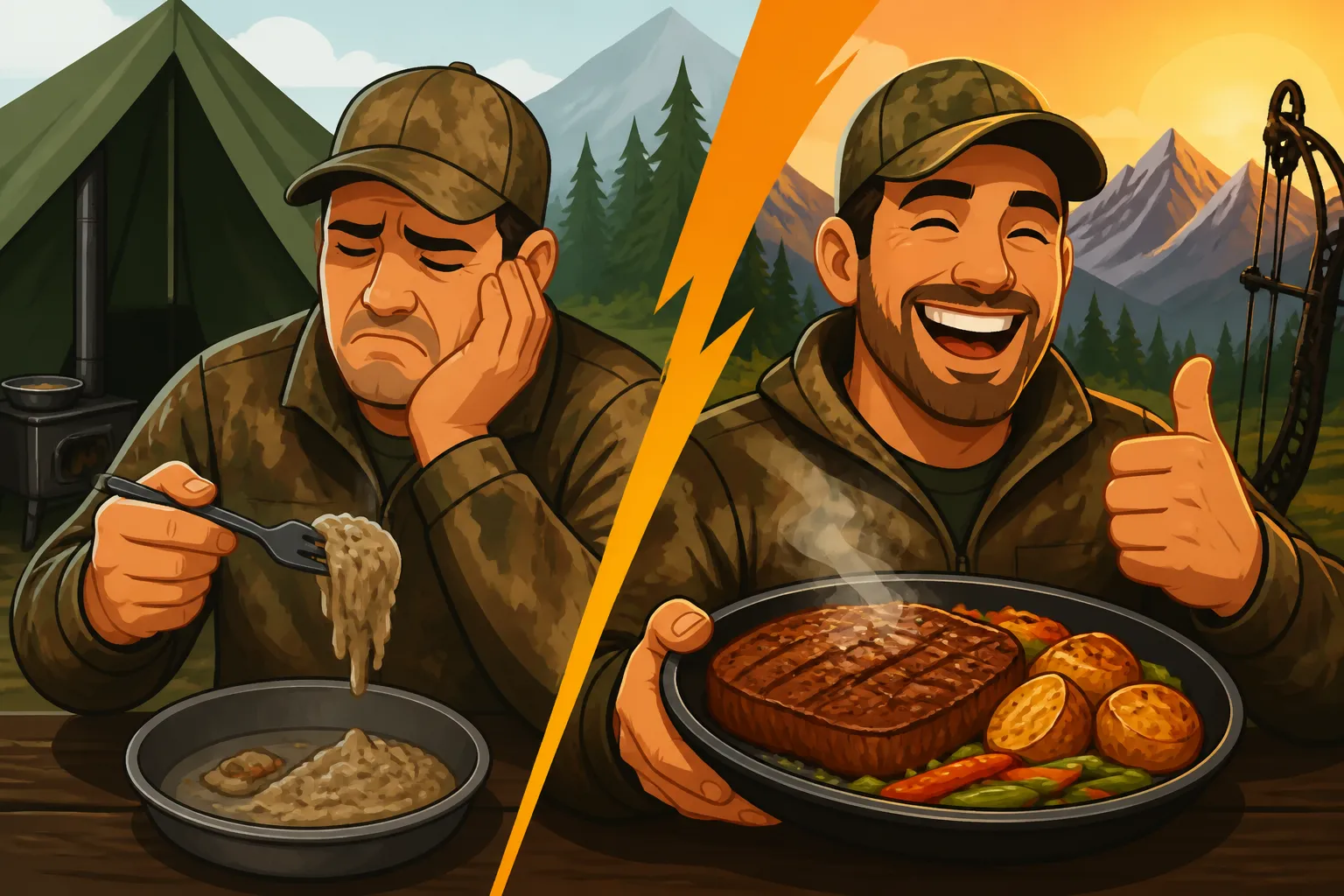
When you think about "camp food," your mind might conjure up images of beans cooked over an open fire, or maybe a gourmet meal prepared by a dedicated chef. In Alberta's vast hunting landscape, you're likely to encounter everything in between. The type of food you'll be eating is largely dictated by the kind of camp you're in and the nature of your hunt. Understanding these differences upfront can really help manage your expectations and ensure you're adequately fueled for your adventure.
DIY and Backcountry Meals: The Hunter's Burden
Let's start at the most basic end of the spectrum: the do-it-yourself (DIY) hunter or those on deep backcountry excursions, often associated with pursuits like Backpacking Into Alberta Sheep Country. In these scenarios, you are the chef, the packer, and the dishwasher. Every ounce counts when it's on your back, so food choices are driven by calorie-to-weight ratio, ease of preparation, and non-perishability.
You’re looking at lightweight, high-energy options that can be rehydrated with minimal fuss. Think freeze-dried meals, instant oatmeal, ramen noodles, quick-cook pasta, and plenty of protein bars. Jerky, summer sausage, and hard cheeses are often staples. Dehydrated fruits and nuts provide essential vitamins and quick energy boosts. The "burden" here isn't just carrying it, it's also the mental load of planning every single meal and snack, ensuring you have enough fuel without overloading your pack. While these meals are incredibly functional, they're rarely gourmet. You learn to appreciate the simple satisfaction of a warm meal after a grueling day, regardless of its culinary finesse. The frustration here often comes from the sheer monotony or the occasional craving for something fresh and substantial after days of dehydrated fare.
Drive-In Camps and Wall Tents: Rustic Comfort
Moving up a notch, we have the more established drive-in camps, often featuring wall tents or small cabins. These camps are typically accessible by truck or ATV, meaning more gear can be brought in, including coolers, propane stoves, and even some dedicated cooking equipment. This is where you start to see a real improvement in the menu. Many outfitters running hunts like Rifle Hunting Alberta's General Seasons or Moose Hunting Alberta's Boreal Forest will operate out of these kinds of camps.
Here, you're likely to find more "home-style" cooking. Breakfasts might still be hearty but more varied, with fresh eggs, bacon, sausage, and pancakes or French toast making regular appearances. For dinner, think hearty stews, chili, pasta with meat sauce, roast chicken or pork, often cooked in a Dutch oven or on a propane griddle. Fresh vegetables, like potatoes and carrots, become a possibility. Lunches might still be pack-out sandwiches or wraps, but the quality of ingredients tends to be better. Sometimes, there might be a dedicated cook, or the guide might take turns preparing meals. There's a tangible shift from merely fueling your body to actually enjoying the meal as a social experience, sharing stories around a warm stove. The "comfort" is relative, of course – it's still a camp, but the food is a welcome respite from backcountry austerity.
Lodge-Based Hunts: A Taste of Home (and Beyond)
At the pinnacle of hunting camp culinary experiences are the lodge-based hunts. These operations often cater to clients seeking a more comfortable experience, perhaps on a Booking an Alberta Whitetail Hunt in prime farm country or an Elk Hunting Alberta's Foothills trip where the lodge provides a warm, dry retreat each evening. Here, you'll almost certainly have a dedicated cook, and the food can be a significant highlight of the trip.
Expect full, hot breakfasts, often with multiple options like eggs to order, bacon, sausages, toast, fruit, and coffee. Lunches are usually packed out to the field, but they are often substantial and thoughtfully prepared – gourmet sandwiches, wraps, thermos of hot soup, fruit, and plenty of snacks. The real star, however, is dinner. Imagine coming back to camp after a long day of hunting in the crisp Alberta air to a delicious, multi-course meal. We're talking roast beef, prime rib, turkey dinners, hearty pasta dishes, fresh salads, and often a homemade dessert. The food in these lodges often rivals what you'd find in a good restaurant. They have access to refrigeration, larger cooking facilities, and a wider variety of fresh ingredients. This is where your hunt becomes not just about the chase, but also about the camaraderie and the genuine pleasure of good food shared.
What Influences the Menu: Factors Beyond the Cook's Skill
It's easy to assume that the food in camp is solely dependent on the cook's abilities, but that's only part of the story. Several other crucial factors play a huge role in shaping what ends up on your plate during an Alberta hunting trip. Understanding these can help you better prepare and communicate your expectations.
Duration and Location of Your Hunt
The length of your hunt and its geographical location are massive determinants of the menu. A quick three-day deer hunt in a White Area WMU, where the nearest town is just a 30-minute drive, allows for much more fresh produce and dairy than a 10-day moose hunt deep in Alberta's Boreal Forest Country. When camps are set up for extended periods in remote areas, resupply runs are few and far between, if they happen at all.
In these remote, longer hunts, non-perishable goods become king. Canned goods, dried pasta, rice, flour for baking, and root vegetables that store well are staples. Fresh meat might only last a few days unless proper refrigeration (which is rare in deep bush camps) or exceptional ice management is in place. This means you might see more meals built around ground meat, or canned chicken/tuna as the hunt progresses. Conversely, if your camp is near a populated area, the menu can be more diverse and include items that spoil quickly. Think about a hunt in a well-established lodge near a town versus a spike camp flown into the mountains for Hunting Mountain Goat in Steep Rock – the logistical challenges for food are worlds apart.
Outfitter Style and Price Point
Just like hotels, hunting outfitters come in a wide range of styles and price points, and this directly correlates with the food experience. A budget-friendly, high-volume outfitter might prioritize efficiency and cost-effectiveness in their meal planning, while a high-end, bespoke operation will often invest heavily in the culinary aspect of the hunt.
When you're researching outfitters, pay close attention to their website descriptions and reviews. Some outfits proudly highlight their camp cook and the quality of their meals, while others might focus more on hunting success rates or trophy quality. It's a good idea to read between the lines or, better yet, ask specific questions about the food when you're inquiring about a hunt. A platform like BookYourHunt or GoHunt often allows outfitters to detail aspects of their camp amenities, including food, which can be a valuable resource. Don't be shy about asking if they have a dedicated cook, what a typical meal plan looks like, or if they can accommodate special requests. Generally, the more you invest in a guided hunt, the more creature comforts, including food quality, you can expect.
Dietary Needs and Hunter Preferences
This is a big one, and it's where communication is absolutely paramount. If you have specific dietary needs – allergies (gluten, dairy, nuts), vegetarianism, medical restrictions (diabetes), or even strong dislikes – it is your responsibility to communicate these clearly and well in advance to your outfitter. Do not assume they will anticipate your needs or that a remote camp can easily cater to last-minute requests.
In a full-service lodge with a dedicated kitchen and proximity to grocery stores, accommodating most dietary needs is usually manageable. However, in a remote wall tent camp, asking for a gluten-free, vegan meal plan on arrival is likely to be met with a polite but firm "that's not something we can do." Outfitters prepare their food orders weeks, sometimes months, in advance, especially for remote camps. They also often manage food for multiple hunters and guides simultaneously. While they generally want to provide a good experience, their primary focus is usually on the hunt itself. Be realistic about what can be achieved, and if your needs are complex, consider bringing some of your own supplemental items.
Common Staples and Unexpected Delights
So, what kinds of food are you actually likely to encounter? While every camp and every cook is different, there are some common themes you'll find across Alberta's hunting camps. And sometimes, you'll stumble upon an unexpected culinary gem that becomes a cherished memory.
Breakfast: Fueling Up for the Day
Breakfast in a hunting camp is almost universally designed to be hearty and energy-dense, preparing you for the long hours ahead in the field. You'll rarely leave a camp breakfast feeling hungry.
In more rustic camps, you can expect basics like oatmeal, instant coffee, toast, and perhaps eggs (if they can keep them from freezing or breaking). As you move towards drive-in camps and lodges, the options expand significantly. Think scrambled eggs, fried eggs, bacon, sausage, hash browns, pancakes, French toast, muffins, and a variety of cereals. Strong coffee is a non-negotiable staple. Hot chocolate, tea, and sometimes juice are also common. For early starts, some camps will have grab-and-go options like breakfast burritos or muffins, so you can head out the door while things are still dark. The goal here is efficient, satisfying fuel to get you through the morning until lunch.
Lunch: On-the-Go or Quick Refuel
Lunch is often the most utilitarian meal of a hunting day. Unless you're in a specific camp where you return mid-day, most lunches are packed out and eaten in the field, often quickly.
Sandwiches or wraps are the perennial favourite – sometimes premade for you, sometimes a build-your-own station at breakfast. Cold cuts, cheese, and basic condiments are common. Alongside that, you'll find granola bars, fruit (apples, oranges that don't bruise easily), a piece of chocolate, and perhaps some jerky or pepperoni sticks. A small bag of chips or cookies might also make an appearance. In colder weather, a thermos of hot soup or chili can be an absolute lifesaver, providing warmth and comfort that a cold sandwich simply can't. The key here is portability, ease of eating in the field (often with gloves on), and sustained energy. Don't expect a leisurely sit-down meal; lunch is all about refueling efficiently.
Dinner: The Evening Reward
Dinner is usually the most anticipated meal of the day – the time to relax, recount the day's events, and truly enjoy the camp's hospitality. This is where the camp cook, or even the guides, often pull out their best.
Common dinner fare includes hearty, comforting meals like chili, stews, spaghetti with meat sauce, roast beef or pork, baked potatoes, and various pasta dishes. Think comfort food that sticks to your ribs. In more remote settings, it might be canned chicken, ground beef, or even freeze-dried meals, but prepared with care. In lodge settings, you might be treated to more elaborate meals, including prime rib, grilled steak, or even special regional dishes. Fresh salads are more common in lodges or drive-in camps. And yes, sometimes there's dessert! Homemade pies, cookies, or even a simple fruit cobbler can be a truly welcome "delight" after a hard day. This is also the meal where, if a hunter is successful and regulations allow, some fresh game might make an appearance – imagine fresh moose steaks or elk stew, a true hunter's feast.
Snacks and Beverages
Beyond the main meals, snacks and beverages are crucial for maintaining energy and morale throughout the hunt.
Coffee and tea are standard offerings at all camps, particularly in the mornings and evenings. Hot chocolate is also a popular warmer. Water is, of course, essential, and many camps will have large jugs or filtered water available. Hunters often bring their own specialty items like unique coffee blends or electrolyte mixes. For snacks, you'll typically find an assortment of granola bars, chocolate bars, trail mix, and jerky. If you have specific snack preferences or need extra energy boosts due to the strenuous nature of the hunt (such as a rigorous Backpack Hunting Alberta's Bighorn Country trip), it's always wise to pack your own favourites. Don't forget that hunting in Hunting Alberta Winter Weather Safely means you'll burn more calories, so extra snacks are a good idea.
Managing Expectations and Dietary Realities
It's clear that camp food can range wildly. To ensure you have the best experience possible, it’s important to manage your expectations and be proactive about your needs.
Communicating Your Needs Before the Hunt
This cannot be stressed enough: if you have any dietary restrictions, allergies, or even strong preferences, communicate them as early as possible when booking your hunt. Do not wait until you arrive at camp. Outfitters need time to plan, purchase, and transport provisions, especially for remote camps. For example, if you're celiac, they need to know well in advance so they can source gluten-free alternatives for bread, pasta, and other staples.
Be specific and realistic. While an outfitter will do their best to accommodate serious allergies or medical dietary needs, requesting a specific brand of organic almond milk for your morning smoothie might be a bridge too far in a remote wall tent camp. Provide details about the severity of allergies, so they understand the precautions needed to prevent cross-contamination. Most reputable outfitters want happy clients, and a clear understanding of your food needs helps them deliver on that.
Bringing Your Own Supplements and Favorites
Even in the best-catered camps, there might be times you crave something specific or need a boost that isn't readily available. This is where bringing some of your own supplemental items can be a game-changer.
Think about packing a small stash of your favourite energy bars, protein powder, specialty tea bags, or even some individual packets of your preferred coffee. If you have a specific spice or hot sauce you can't live without, tuck it into your bag. For those with significant dietary restrictions, bringing your own shelf-stable, easy-to-prepare backup meals can provide peace of mind. This isn't about distrusting your outfitter; it's about personal comfort and ensuring you have everything you need to perform your best in the field. Just remember to keep pack weight in mind if you're on a wilderness hunt. Your outfitter might even offer advice on What to Bring to a Hunting Camp specifically regarding personal food items.
The Unpredictability of Wild Game on the Menu
Many hunters dream of enjoying fresh game meat right in camp. And while this can happen, it's never a guarantee and depends on several factors. First and foremost, you need to be successful in the hunt. Secondly, the regulations of the specific WMU and the timing of your kill matter – sometimes you can’t bring it back to camp easily, or it needs to be processed quickly for transport, limiting immediate consumption. Lastly, the outfitter's policy plays a role; some prefer to focus on their planned menu, while others are happy to cook up some tenderloins if the opportunity arises.
Don't go into a hunt expecting to eat fresh backstrap every night. If it happens, consider it a bonus, a truly special "delight" that enhances the overall experience. Focus instead on the quality of the food that is planned, and if a fresh game meal comes your way, savour every bite of that hard-earned bounty.
Ultimately, camp food is a vital part of the overall hunting experience. It fuels your body for the rigours of the hunt, provides comfort after a long day, and often serves as a focal point for camaraderie and storytelling. By understanding the different types of camp setups, the factors influencing the menu, and proactively communicating your needs, you can set yourself up for a satisfying and well-nourished adventure in Alberta's wild landscapes.
Disclaimer
This article is for general informational purposes only and does not constitute professional advice. Laws, prices and regulations vary by location and change over time. Consult a qualified professional for guidance on your specific situation.