Alberta Outfitters in the Foothills
For many hunters, the thought of pursuing big game in Alberta’s rugged Foothills is both exhilarating and a little intimidating. This unique region, where the vast prairies meet the towering Rockies, offers some incredible opportunities but also presents distinct challenges, from navigating challenging terrain to understanding elusive animal patterns. This guide will walk you through what to expect when considering an outfitter for your next hunting adventure in this breathtaking part of Alberta.
Understanding Alberta's Foothills Hunting Region
The Foothills region of Alberta is a truly special place, a transitional zone that captures the best, and sometimes the most challenging, aspects of both mountain and prairie hunting. It’s a landscape of rolling timbered hills, deep river valleys, and pockets of open meadows, all nestled against the dramatic backdrop of the Rocky Mountains. This diverse environment plays a huge role in how game moves and where outfitters focus their efforts.
Geographic Characteristics and Habitat
Imagine a land where dense stands of spruce and pine give way to aspen parkland, then drop sharply into braided river systems. That's the Alberta Foothills. This isn't the open, expansive prairie, nor is it the stark, high-alpine environment of the mountains themselves. Instead, you'll find a mix of everything: steep, timbered slopes, hidden basins, and sprawling plateaus. This varied topography creates an incredible mosaic of habitats. Think thick cover for bedding areas, rich river bottoms for browsing, and expansive slopes for grazing. The vegetation ranges from lush willow thickets along creeks to mature coniferous forests further up the slopes. This constant change in elevation and vegetation is what makes the Foothills so productive, but also so demanding. Hunting Alberta's Foothills Country offers a deeper dive into this unique landscape.
Unique Hunting Challenges
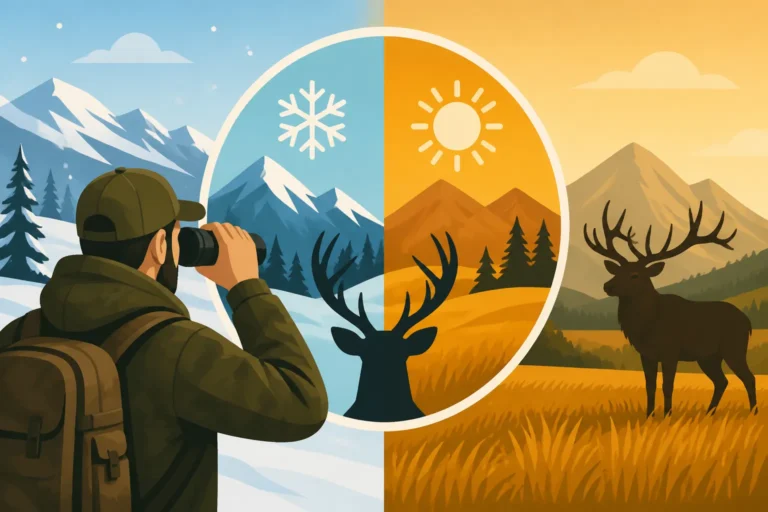
Hunting in the Foothills isn't for the faint of heart, and that's precisely why many hunters seek out experienced outfitters. The terrain itself is a significant challenge; expect steep climbs, tricky descents, and often, very dense bush. Unlike the open prairie where you might glass for miles, visibility can be limited here, requiring hunters to work harder and often get much closer to their quarry. Weather is another major factor, notoriously fickle in this transitional zone. You can experience all four seasons in a single day, from warm sunshine in the morning to driving snow or freezing rain by afternoon. This means hunters need to be prepared for anything, and outfitters are experts at navigating these unpredictable conditions. Access can also be a hurdle, as many prime areas are tucked away from main roads, requiring extensive hiking, horseback riding, or even ATV travel to reach.
Why Choose an Outfitter for a Foothills Hunt
While DIY hunts are certainly possible in Alberta, the complexities of the Foothills region often make an experienced outfitter an invaluable asset, especially for non-residents or those unfamiliar with the specific nuances of this challenging environment. An outfitter doesn't just provide a guide; they offer a comprehensive package of knowledge, logistics, and safety that can significantly enhance your chances of success and enjoyment.
Navigating Complex Terrain and Access
The Foothills are beautiful, but they can be a maze. Logging roads, seismic lines, and old trails crisscross the landscape, some maintained, some long forgotten. Knowing which ones lead to prime hunting grounds, or which ones are even open for public access, requires intimate local knowledge. Outfitters spend countless hours scouting and have a deep understanding of these access points, as well as the ever-changing regulations regarding vehicle use on Crown land. They know how to get you into remote areas that would be almost impossible for a solo hunter to find, let alone navigate safely. They also have the appropriate vehicles – ATVs, side-by-sides, or horses – to tackle the rough and often muddy or snowy conditions. Foothills WMU Access and Road Networks details some of the challenges in gaining access to these areas.
Expertise in Local Game Movements
One of the biggest advantages of hunting with a Foothills outfitter is their unparalleled understanding of local game behavior. Deer, elk, and bears in this region move differently than their counterparts in open prairie or high mountains. They use the varied terrain to their advantage, often bedding in thick timber on north-facing slopes during the day and moving to more open areas or river bottoms to feed in the evenings and mornings. Outfitters have years, sometimes decades, of experience tracking these patterns, understanding how weather fronts, hunting pressure, and food sources influence movement. They know the key pinch points, the favoured crossings, and the specific bedding areas that hold big animals. This isn't just general wildlife knowledge; it's highly localized, species-specific intuition that only comes from living and hunting in the area.
Logistical Support and Safety
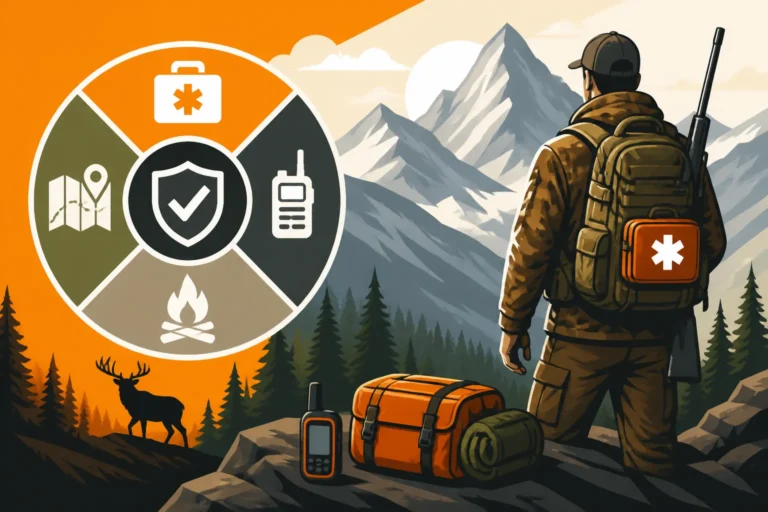
Beyond just finding animals, an outfitter handles the myriad logistical details that can make or break a hunt. This includes everything from setting up comfortable camps, whether it's a lodge or a spike tent deep in the backcountry, to providing nutritious meals. For non-residents, they can assist with the often-daunting process of securing licences and permits, and understanding Alberta Non-Resident Alien Licence Rules for those coming from other countries. Crucially, outfitters prioritize safety. The Foothills can be dangerous, with unpredictable weather, rough terrain, and large predators. Guides are trained in wilderness first aid, navigation, and bear safety, providing a critical layer of security. They also ensure proper meat care and extraction, which can be a huge undertaking when you've taken a large animal miles from the nearest road. Meat Care in Alberta's Cold and Warm Swings is something Foothills outfitters are particularly adept at managing.
Species Targeted by Foothills Outfitters
The diverse habitat of the Alberta Foothills supports a wide array of big game species, making it a highly sought-after destination for hunters. Outfitters in this region typically specialize in a few key species, leveraging their knowledge of the terrain and animal behavior to maximize success for their clients.
Elk Hunting in the Foothills
Elk are arguably the most iconic big game animal of the Alberta Foothills, and many outfitters in this region focus heavily on them. These majestic creatures thrive in the mix of timber and open meadows, utilizing the dense forests for cover and the lush valleys for forage. Elk hunting in the Foothills can be an incredibly dynamic experience, particularly during the rut. Outfitters often employ calling techniques, from subtle cow calls to aggressive bugles, to locate and draw in bulls. Bugling Elk in Alberta's Foothills describes this exciting tactic in detail.
Clients can expect to spend significant time hiking, glassing timbered slopes, and listening for distant bugles. The hunt often involves covering a lot of ground, sometimes on horseback, to intercept moving herds or sneak into bedding areas. Success rates can vary based on weather, rut activity, and hunter skill, but the experience of pursuing a bull elk in this stunning landscape is unforgettable, regardless of the outcome. Whether you're hunting during the early archery season or later in the rifle seasons, the Foothills offer some prime elk opportunities.
Mule Deer and Whitetail Opportunities
While elk often steal the spotlight, the Foothills also offer excellent hunting for both mule deer and white-tailed deer. Mule deer tend to prefer the more open, broken country within the Foothills, including coulees and brushy hillsides, similar to what you might find bordering the prairie. They are often spotted glassing from a distance, requiring careful stalks through patchy cover. These hunts can be physically demanding, requiring patience and good optics to locate a trophy buck.
White-tailed deer, on the other hand, are more typically found closer to the river systems, in the aspen bluffs, and along the edges of agricultural clearings that sometimes push into the Foothills zone. Outfitters will often focus on pinch points, feeding areas, and rub lines to intercept whitetail movement, especially during the peak of the rut. Both species offer distinct challenges and rewards, and a good outfitter will know which areas are more likely to hold either type of deer, tailoring the hunt to the client's preference. Many outfitters offer combination hunts, giving clients a chance at both species.
Black Bear and Predator Hunts
Beyond deer and elk, the Alberta Foothills are home to a healthy population of black bears, making it a popular destination for spring and fall bear hunts. The varied terrain, with its mix of berries, rich vegetation, and timber, provides ideal bear habitat. Outfitters often run baiting operations, which require significant planning and maintenance, to draw bears into accessible locations. Baiting Black Bear in Alberta is a common and effective method used by many guides.
Alternatively, some outfitters specialize in spot-and-stalk bear hunts, particularly in greened-up clearcuts or along natural food sources. Predator hunting, including wolves and coyotes, is also an option with some Foothills outfitters, often as an add-on to a big game hunt or as a standalone winter pursuit. Wolves, though elusive, follow elk and deer herds, and outfitters with extensive knowledge of their travel corridors can provide unique opportunities. These hunts add another layer of excitement and challenge to the Foothills hunting experience.
What to Expect from a Foothills Hunt
Booking an outfitted hunt in the Alberta Foothills means you're investing in an experience. Knowing what to expect in terms of typical hunt styles, accommodation, and the physical demands involved can help you prepare mentally and physically for your adventure.
Typical Hunt Styles and Accommodations
Foothills hunts can vary widely, but generally fall into a few categories. Many outfitters operate from comfortable base camps, which might be a rustic lodge with amenities, or a more traditional wall tent camp equipped with wood stoves and cots. From these camps, hunters will typically depart daily with their guides, travelling by truck, ATV, or horseback to reach hunting areas. Once on site, hunting is often done on foot, involving spot-and-stalk or still-hunting techniques. Some outfitters also specialize in horseback hunts, allowing access to deeper backcountry areas and covering more ground efficiently. These hunts often involve spike camps, where hunters and guides stay in smaller, more mobile tents further away from the main camp for a few nights.
The specific style will largely depend on the target species, the time of year, and the terrain of the particular WMU. For instance, Hunting an Old Logging Road in the Foothills might be part of a daily excursion from a base camp, while a Backpacking Into Alberta Sheep Country style hunt, though technically often higher up, shares some of the physically demanding aspects you'd find in the upper reaches of the Foothills. When you're researching outfitters, platforms like BookYourHunt are excellent for seeing what various camps offer, from rustic to more luxurious setups, giving you a clear picture of the experience before you commit.
Seasonality and Best Times to Hunt
The Foothills offer hunting opportunities throughout the fall, each season presenting its own unique advantages and challenges. The early archery season, typically starting in late August or early September, is often a prime time for elk. During this period, bulls are actively bugling, making them responsive to calls and often less wary than later in the year. The weather can be milder, though rain is common. As the season progresses into late September and October, the general rifle seasons open. This can be an excellent time for mule deer and whitetails, as they begin to move more with cooler temperatures and increasing rut activity.
November is often considered prime time for white-tailed deer, as the rut peaks, leading to increased daytime movement. However, this also means colder temperatures and the real possibility of deep snow, which can make travel challenging but also concentrate game. Late season hunts, often into December, can be incredibly productive for hardy hunters willing to brave the cold, as deer and elk move to wintering grounds. When consulting with an outfitter, discuss your target species and preferred hunting style to determine the best time to book your trip for maximum opportunity. Alberta Big Game Season Dates outlines the general timing for these different periods.
Physical Demands and Equipment
A Foothills hunt is physically demanding. Expect to walk, often uphill, over uneven terrain, sometimes for miles. If you're considering a horseback hunt, while it saves your legs from some walking, you'll still need to be comfortable in the saddle for long hours. Being in good physical condition is not just about success; it's about safety and enjoying your hunt. Start a regular exercise routine well in advance, focusing on cardio, strength, and endurance, particularly for your legs and core.
As for equipment, a good outfitter will provide a detailed gear list, but generally, expect to need sturdy, broken-in hiking boots, layers of warm, waterproof clothing, a reliable pack, and quality optics. Blaze orange is often required during general seasons, so make sure you have appropriate outer layers. For firearms, a medium to large caliber rifle suitable for big game, zeroed and practiced with, is essential. Legal Firearms and Bows for Big Game provides specifics on Alberta regulations. Don't forget essentials like a good headlamp, a knife, and personal first-aid items. Many hunters find that consulting resources like GoHunt, which often provides detailed gear reviews and articles on hunt preparation, can be incredibly helpful when planning their packing list and physical conditioning regimen.
Finding and Vetting Your Foothills Outfitter
Choosing the right outfitter is paramount to a successful and enjoyable Foothills hunting experience. With many options available, it’s important to do your homework, ask the right questions, and understand what you're committing to before you put down a deposit.
Researching Reputable Outfitters
The first step is to thoroughly research potential outfitters. Start by looking at reputable online platforms and directories. Websites like BookYourHunt specialize in connecting hunters with outfitters worldwide, allowing you to filter by region, species, and hunt style. These platforms often feature reviews from past clients, which can be incredibly insightful. You should also check provincial outfitter associations, as they often have lists of licensed and reputable operators. Beyond online searches, talk to other hunters, particularly those who have hunted in Alberta's Foothills before. Word-of-mouth recommendations can be golden. Pay attention to how long an outfitter has been in business and their track record. A guide's experience in a specific WMU can be a huge differentiator.
When you find a few potential candidates, look at their websites and social media. Do their photos and videos align with the type of hunt you're looking for? Are they transparent about their offerings and pricing? Many outfitters will proudly display their success stories and client testimonials. Remember, you're not just buying a hunt; you're buying into their expertise and their specific approach to hunting the Foothills.
Key Questions to Ask Before Booking
Once you've narrowed down your list, it's time to start contacting outfitters. Don't be shy about asking detailed questions. Here's a table of crucial inquiries:
| Category | Key Questions to Ask |
|---|---|
| Experience | How long have you been operating in this specific Foothills WMU? How many years have your primary guides been with you? What is your success rate for the species I'm interested in? |
| Hunt Logistics | What is the typical daily schedule? What are the accommodations like (lodge, tent camp, spike camp)? What kind of transportation is used to get to hunting areas? |
| Inclusions/Exclusions | What exactly is included in the price (food, lodging, guide, field prep, airport transfer)? What costs are not included (licenses, gratuities, meat processing, taxidermy, travel)? |
| Preparation | What level of physical fitness is required? What is your recommended gear list? Do you assist with obtaining licenses or The Canadian Wildlife Habitat Conservation Stamp? |
| References | Can you provide a list of recent references (from the last 1-2 years) that I can contact? |
| Emergency | What is your emergency plan in case of injury or severe weather? Do guides carry satellite communication devices? |
| Flexibility | What happens if weather makes hunting impossible for a day or more? What are your cancellation and refund policies? |
Listen carefully to their answers. A reputable outfitter will be happy to answer all your questions thoroughly and honestly. They understand that a well-informed client is a happy client.
Understanding Contracts and Costs
Before you send any money, always ensure you have a clear, written contract detailing all aspects of the hunt. This should include dates, species, total cost, what's included and excluded, payment schedule, and cancellation policy. Be very clear on the total financial commitment. What an Alberta Guided Hunt Costs can vary significantly depending on the species, duration, and level of luxury.
Deposits are standard, but understand if they are refundable under certain conditions. Clarify any additional fees, such as taxidermy preparation, meat processing, or export permits if you're an international hunter. Don't forget to budget for gratuities, as Tipping an Alberta Guide is customary and an important part of the hunting culture. Ensure you understand Alberta's specific hunting regulations, especially if you're coming from out of province or country. It's your responsibility as the hunter to be aware of and abide by all laws.
Preparing for Your Foothills Adventure
Once you've booked your Foothills hunt, the real preparation begins! A well-prepared hunter is not only more likely to succeed but will also have a safer and more enjoyable experience in the rugged Alberta landscape.
Physical and Mental Conditioning
We've touched on physical fitness already, but it truly can't be stressed enough for a Foothills hunt. This isn't a sedentary trip; you'll be hiking steep, uneven terrain, possibly for several miles a day, carrying your gear and potentially packing out meat. Focus on cardiovascular endurance (running, hiking, stair climbing), lower body strength, and core stability. If possible, train by hiking with the pack you intend to use, loaded with weight, over varied terrain. Don't forget to break in your hunting boots well in advance to avoid blisters.
Mental conditioning is just as important. Foothills hunting often involves long hours of waiting, dealing with challenging weather, and the occasional frustration of not seeing game. You need patience, perseverance, and a positive attitude. The ability to push through discomfort and remain optimistic can make all the difference, both for your own experience and for your guide's. Remember, hunting is about the journey, not just the harvest.
Gear Selection for Mountain/Foothills Hunting
Your gear needs to be up to the task of the dynamic Foothills environment. Layering is key, as temperatures can fluctuate wildly throughout the day and week. Think moisture-wicking base layers, insulating mid-layers (fleece or down), and a durable, waterproof and windproof outer shell. Your boots should be waterproof, supportive, and comfortable for extended hiking. A quality backpack, capable of carrying your daily essentials and potentially some meat, is crucial. Good optics – binoculars and a spotting scope – are indispensable for picking apart timbered slopes.
Consider a satellite messenger or GPS device, even if your guide has one, for an added layer of safety in areas with no cell service. Don't forget a sharp knife, game bags, and a headlamp with extra batteries. For hunters specifically targeting elk, Bugling Elk in Alberta's Foothills will require specific clothing that allows for silent movement through the bush. Always discuss your gear list with your outfitter; they know the local conditions best and can offer specific recommendations. What to Bring to a Hunting Camp is a great resource for a comprehensive packing list.
Travel and Border Considerations
For non-resident hunters, particularly those from outside Canada, there are specific travel and border considerations. If you plan to bring your own firearm, you'll need to complete a Non-Resident Firearm Declaration Form well in advance and pay a fee at the border. Ensure your firearm and ammunition comply with Canadian regulations. Handguns are generally prohibited. Always declare your firearms when entering Canada. It is also important to remember that strict rules apply to Transporting Firearms Into Alberta and during your stay.
If flying, check with your airline about their specific rules for transporting firearms and ammunition. You might also need to consider travel insurance, especially for high-value hunts, to protect against unforeseen circumstances like trip cancellations or medical emergencies. Coordinate with your outfitter regarding airport pick-ups and drop-offs. Being well-informed and prepared for border crossings and travel logistics will ensure a smooth start and end to your Alberta Foothills hunting adventure.
Disclaimer
This article is for general informational purposes only and does not constitute professional advice. Laws, prices and regulations vary by location and change over time. Consult a qualified professional for guidance on your specific situation.