Booking an Alberta Snow Goose Hunt
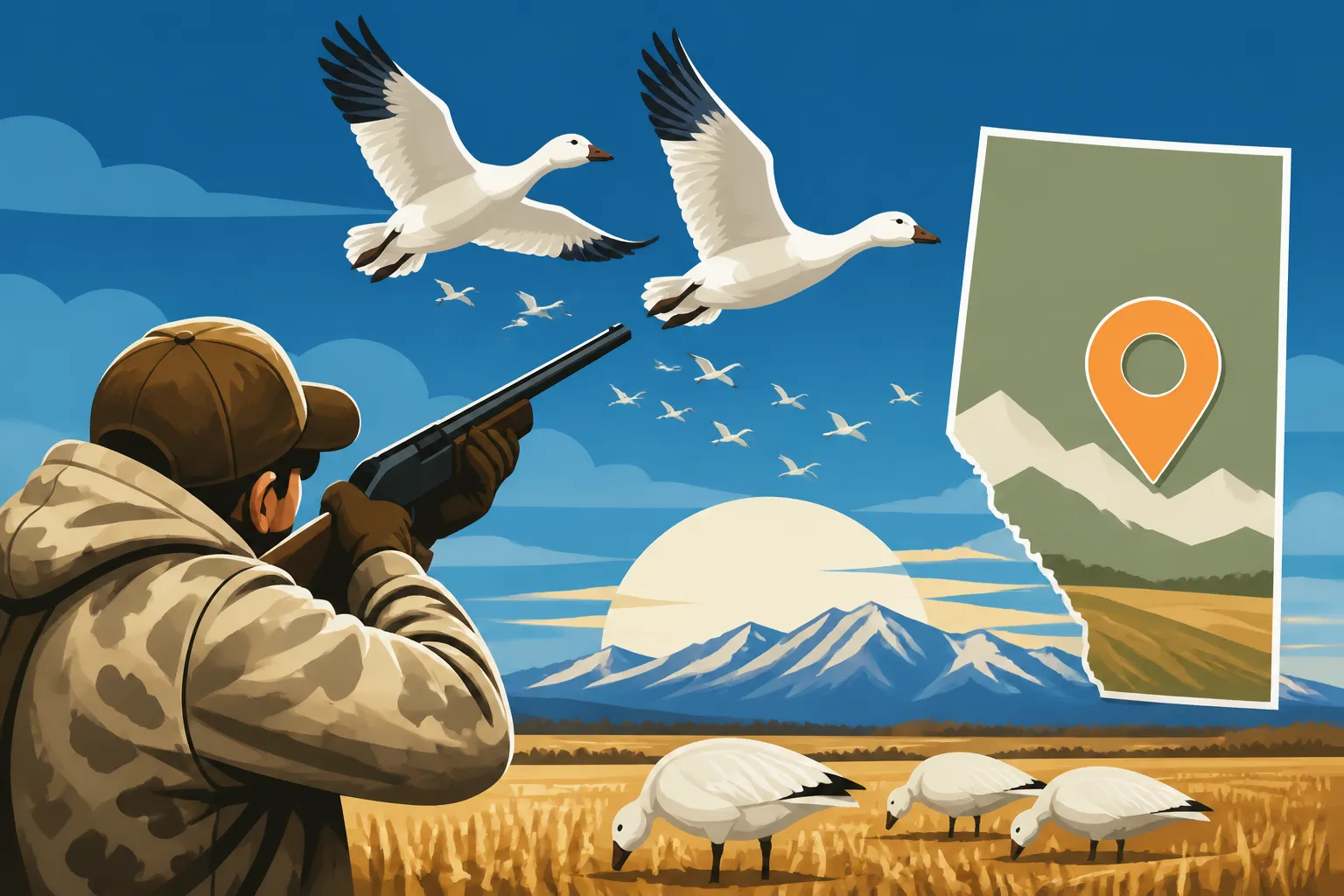
The sheer spectacle of thousands of snow geese descending into a field is one of the most incredible sights in the hunting world, but making that happen yourself in Alberta can feel like trying to herd cats across a football field. From finding the right fields and getting access to deploying massive decoy spreads and understanding bird movements, the logistics are immense. This guide is here to walk you through the process of booking a guided snow goose hunt in Alberta, making that awe-inspiring experience a reality.
The Allure and Challenge of Alberta Snow Goose Hunting
There's something uniquely exhilarating about snow goose hunting in Alberta. When those massive flocks are migrating, the skies truly darken with birds, and the sheer volume of their calls is deafening. However, translating that spectacle into a successful hunt requires a level of strategy, equipment, and local knowledge that often goes beyond what the average hunter can pull off on their own.
Why Snow Geese Require a Different Approach
Unlike ducks or smaller species of geese that might decoy to a few dozen blocks, snow geese operate on an entirely different scale. They are notoriously wary, and convincing thousands of birds to commit to your spread means you often need hundreds, if not thousands, of decoys. Setting up and tearing down such a spread daily is a monumental task, especially when you consider the vast agricultural landscapes they frequent across Alberta's central and northern regions. You also need specialized calls, blinds that can disappear into open stubble fields, and the patience of a saint. This isn't just a casual morning in a marsh; it's a full-on logistical operation.
Moreover, these birds move fast and can shift feeding patterns daily, sometimes even hourly, based on wind, weather, and hunting pressure. What was a hot field yesterday might be completely empty today, meaning constant scouting is paramount. For a hunter unfamiliar with the area, or without the time and resources for extensive scouting, tackling snow geese independently can quickly become frustrating, resulting in far more work than reward. This is where the value of a dedicated outfitter truly shines.
The Clear Advantages of a Guided Snow Goose Hunt
Booking a guided snow goose hunt in Alberta simplifies nearly every aspect of this challenging pursuit. Outfitters specializing in snow geese have the massive decoy spreads, the high-end electronic callers, the mobile blinds, and crucially, the local knowledge and access to prime fields. They spend countless hours scouting, driving miles of backroads, talking to farmers, and monitoring bird movements to put you in the right spot at the right time.
Think about it: instead of worrying about permission on a field, loading and unloading hundreds of decoys, or spending hours setting up a hide, you show up, step into a perfectly camouflaged layout blind, and get ready to shoot. The outfitter handles the heavy lifting, the field access, the setup, and the calling. All you need to do is focus on calling your shot and enjoying the incredible experience. This level of service transforms a daunting challenge into an accessible and thrilling adventure. Plus, these professional guides are intimately familiar with Snow Goose Limits and Late Seasons and Non-Toxic Shot for Alberta Waterfowl requirements, ensuring a legal and ethical hunt.
Finding and Choosing Your Alberta Snow Goose Outfitter
With the growing popularity of snow goose hunting, many outfitters now offer these specialized hunts. The key is finding one that is reputable, experienced, and aligns with your hunting style and expectations. This isn't a decision to rush; a good outfitter can make or break your trip.
Where to Begin Your Search for Outfitters
Starting your search usually involves a mix of online research and word-of-mouth recommendations. Hunting forums, dedicated waterfowl websites, and online booking platforms are excellent resources. Sites like BookYourHunt can be a good starting point, as they often aggregate various outfitters, allowing you to compare services, locations, and sometimes even read reviews from past clients. Look for outfitters specifically advertising snow goose hunts, as their operations are tailored to these birds, not just general waterfowl. You want someone who lives and breathes snow geese during the migration.
Another great avenue is to ask fellow hunters. If you know anyone who has successfully hunted snow geese in Alberta, pick their brain. Personal referrals often lead to the best experiences. When you're browsing, pay attention to the areas they operate in. Alberta's central and northern agricultural zones are renowned for their incredible numbers of migrating geese, so focus your search there. Be sure to understand Goose Season Dates by Zone for the areas they operate in, as these can vary slightly.
Key Questions to Ask Potential Guides
Once you have a shortlist of outfitters, it's time to start asking detailed questions. Don't be shy; a reputable outfitter will be happy to provide thorough answers. Here’s a list of crucial questions to cover:
| Question Category | Specific Questions to Ask | Why It Matters |
|---|---|---|
| Experience & Focus | How long have you been guiding snow goose hunts specifically? | Ensures they specialize in snow geese, not just general waterfowl. |
| What is your typical success rate, and what does "success" mean to you? | Helps manage expectations; "success" can mean birds decoying vs. birds harvested. | |
| Logistics & Inclusions | What is included in the hunt package (decoys, blinds, calls, meals)? | Avoids surprises and helps you budget accurately. |
| What is the typical group size and hunter-to-guide ratio? | Affects personal attention and overall hunting experience. | |
| How do you handle bird cleaning and processing? | Important for getting your birds home easily. | |
| Hunting Style | What kind of decoy spread do you typically use (e.g., electronic, rotary)? | Gives insight into their strategy; modern spreads are key for snows. |
| How often do you scout, and how do you choose a field? | Demonstrates their commitment to putting you on birds. | |
| Access & Permits | Do you have all necessary provincial and federal permits? | Crucial for a legal hunt; ensures they have proper allocations. |
| How do you secure private land access? | Good outfitters have strong relationships with local landowners. | |
| Cancellations & Refunds | What is your cancellation policy, especially for weather? | Understand financial protections in case of unforeseen circumstances. |
| References | Can you provide references from past clients? | The best way to vet an outfitter is to speak to previous hunters. |
Don't just listen to the answers; gauge the outfitter's enthusiasm and willingness to communicate openly. This interaction is often a good indicator of what your overall experience will be like.
Vetting an Outfitter: Red Flags and Green Lights
When you're sifting through potential outfitters, be aware of both warning signs and positive indicators. A red flag might be an outfitter who is vague about pricing or what's included, avoids answering specific questions about success rates, or can't provide references. If they seem rushed or unwilling to spend time talking to you, that's often a sign of how you'll be treated during your actual hunt. Also, be wary of anyone promising guaranteed limits – hunting is hunting, and guarantees are impossible.
On the other hand, a green light is an outfitter who is transparent, communicates clearly and promptly, and offers a detailed breakdown of their services and costs. They should be passionate about snow goose hunting and knowledgeable about the local environment and bird behavior. Positive feedback from references is, of course, a huge green light. An outfitter who discusses conservation efforts or how they maintain good landowner relations is often a sign of a professional and ethical operation. Platforms like BookYourHunt sometimes allow for direct communication and offer some level of vetting for their listed outfitters, which can add a layer of confidence.
Preparing for Your Alberta Snow Goose Expedition
Once you've booked your hunt, the excitement really begins! But don't let that overshadow the importance of proper preparation. Your guide will provide specific recommendations, but there are general steps you can take to ensure you're ready for the fields.
Essential Gear and Clothing Considerations
Alberta weather, especially during the fall migration, can be incredibly unpredictable. You might start the morning in frosty conditions and finish the afternoon in bright sunshine, or face a sudden snow squall. Layering is absolutely critical. Think warm, waterproof, and windproof outer layers. Good quality base layers are a must, as are insulated, waterproof boots. You'll likely be in a layout blind on the ground, so staying dry and warm from below is paramount. Bring plenty of hand warmers!
Your outfitter will likely provide the main hunting gear like decoys, blinds, and calls, but you'll need your shotgun and ammunition. Shotguns should be capable of handling 3-inch or 3.5-inch non-toxic shells, as Non-Toxic Shot for Alberta Waterfowl is required for migratory birds. Most hunters opt for 12-gauge, but some prefer 10-gauge for the extra payload. Be sure to confirm ammunition requirements with your outfitter; they might recommend specific shot sizes or brands that perform best for their style of hunting. Don't forget eye protection, ear protection, and a blaze orange hat or vest for travel between fields, even if it's not required during the actual hunt in blinds.
Travel, Logistics, and Accommodations
Unless your hunt package includes accommodation, you’ll need to arrange lodging close to your hunting area. Many outfitters will recommend specific hotels or motels in nearby towns. Book these well in advance, especially during peak migration periods, as small towns can fill up quickly. Consider your travel plans: are you flying into a major airport like Edmonton or Calgary and renting a vehicle, or driving directly? Factor in travel time from the airport to your hunting destination, which could be several hours into prime agricultural country.
For non-resident hunters, there are a few extra steps. You'll need to secure an Alberta Migratory Bird Permit in addition to your provincial licence. If you're bringing your own firearms across the border, be sure to complete the Non-Resident Firearm Declaration Form well in advance and understand all Transporting Firearms Into Alberta regulations. It's not complicated, but it requires careful attention to detail. Remember that crossing the border with ammunition also has specific rules, so check those carefully. The more organized you are with your paperwork, the smoother your arrival will be.
Mental and Physical Preparation for the Hunt
Snow goose hunting can be physically demanding, particularly if you're helping with decoy setup or retrieving birds. While your guide will do the bulk of the work, being in reasonable physical shape will enhance your enjoyment and effectiveness. Practice shooting your shotgun at moving targets before your trip. Snow geese are fast, agile, and often offer challenging shots. Being proficient with your gun means you'll make the most of your opportunities.
Mentally, prepare for long days, potentially cold weather, and periods of inactivity punctuated by intense action. There will be downtime between waves of birds, so bring a good book, listen to a podcast, or just enjoy the camaraderie and the vast Alberta skies. Be patient, listen to your guide, and be ready to shoot when the call comes. The sheer numbers of birds can be overwhelming, but focus on one bird at a time. The memories of Hunting a Big Snow Goose Spread with friends or family will last a lifetime, regardless of the final bird count.
Disclaimer
This article is for general informational purposes only and does not constitute professional advice. Laws, prices and regulations vary by location and change over time. Consult a qualified professional for guidance on your specific situation.