What Happens After You Fill Your Tag
That exhilarating moment when all your hard work, patience, and skill culminate in a successful harvest is incredible. But once the adrenaline starts to subside, the very real work begins. Many hunters, especially those new to Alberta or chasing bigger game, feel a pang of anxiety wondering what comes next. This guide will walk you through all the crucial steps after you've filled your tag, ensuring your efforts lead to delicious meat and cherished memories, not headaches.
The Moment of Truth: Immediate Post-Harvest Actions
You've made the shot, the animal is down, and the respectful moment of reflection passes. Now, it's time to shift into action. This isn't just about getting the job done; it's about respecting the animal, preserving the meat, and staying within the law. Skipping steps here can lead to wasted meat, fines, or a ruined trophy.
Attaching Your Tag Legally and Promptly
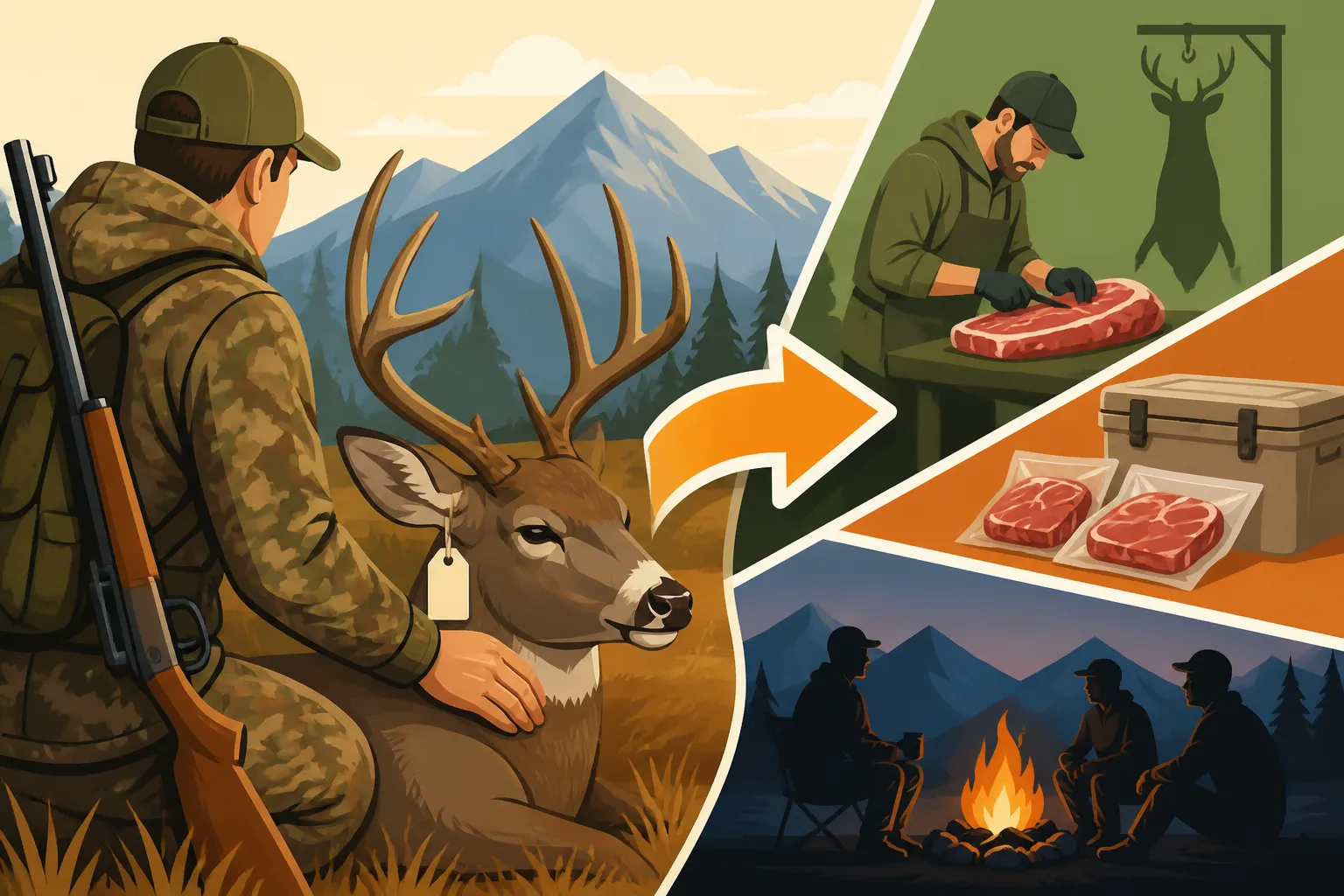
This is non-negotiable and often the first thing on your mind, or at least it should be. In Alberta, once you've killed a big game animal, you are legally required to immediately attach the appropriate tag to the animal. The specific location for attachment might vary by species and regulation, but generally, it needs to be visible and securely fastened. Imagine getting back to your truck, elated, only to encounter a Fish and Wildlife Officer who asks to see your tag, and it's still in your wallet. That's a quick way to turn triumph into a serious legal issue. Always carry extra zip ties or string for this very purpose. Ensure the date of kill is clearly marked, as well as any other required information. Always double-check the current Alberta regulations on Alberta Tag Attachment and Cancellation Rules for precise instructions specific to the species you’ve harvested.
The Critical Process of Field Dressing
Field dressing, or gutting, is arguably the most important step for meat preservation, especially if you're hours or days from a cooler. The goal is simple: remove the internal organs as quickly as possible to allow the carcass to cool down. Bacteria thrive in warmth, and the internal body cavity is a prime incubator. For many new hunters, this can be daunting. It’s messy, it can be intimidating, but it’s a vital skill.
Start by laying the animal on its back, propped up if possible to keep the cavity open. Make a shallow incision from the breastbone to the pelvis, being careful not to puncture the stomach or intestines. Cut around the anus and windpipe, then carefully sever the organs from the body cavity. Roll the animal onto its side to help the entrails spill out. Work efficiently but thoroughly. Some hunters prefer to cut up the chest cavity with a small saw or heavy shears to aid in cooling. The sooner the internal heat dissipates, the better the meat quality will be. Pay particular attention to getting the cavity as clean as possible, wiping it out with clean cloths or even snow if available, rather than water if you're not going to process it immediately. For larger animals like a moose or elk, this can be a serious workout, and having a hunting partner is invaluable.
Initial Cooling and Preservation in the Field
After field dressing, the next critical step is cooling the carcass. In Alberta, early season hunts can still have warm temperatures, making rapid cooling even more essential. Get the animal into the shade immediately. Prop the body cavity open with sticks or spreaders to allow air to circulate. If you can, quarter the animal—breaking it down into smaller, more manageable pieces—which drastically speeds up cooling. This is often necessary for larger game or when you're deep in the bush, far from vehicle access.
If it's cold enough, simply hanging the quarters in a cool, shaded area overnight can work wonders. Be mindful of predators, however; hanging meat is like ringing the dinner bell. Many hunters will cover the meat with clean game bags, which protect against flies, dirt, and some curious critters, while still allowing air to flow. In really warm conditions, packing ice into the body cavity or around quarters in game bags can buy you crucial time. This initial preservation dictates the flavour and safety of your venison, so don't rush or skimp on it. This is especially important for Meat Care in Alberta's Cold and Warm Swings.
Getting Your Harvest Out: Field Extraction and Transport
Once the immediate post-harvest tasks are done, the reality hits: how do you get this animal out of here? The method you choose will largely depend on the size of the animal, the terrain, and your resources.
Quartering Versus Whole Carcass Haul
For smaller animals like deer, especially if you're close to a road, dragging or carting out a whole carcass might be feasible. However, for mule deer taken in a coulee bottom, or a massive bull moose deep in the boreal forest, quartering is almost always the only realistic option. Quartering involves butchering the animal into its primal sections (two front shoulders, two hindquarters, backstraps, tenderloins, neck meat, etc.) at the kill site. This not only makes the meat easier to handle but also significantly speeds up cooling. Each piece is placed in a clean game bag.
Think about the effort involved. Dragging a whole deer over rough terrain can exhaust you and potentially damage the meat. Quartering allows you to distribute the weight across multiple trips or among hunting partners. It's also often necessary for proper cooling if you're in a warm spell, as smaller pieces cool much faster than an intact carcass. Understanding when and how to quarter is a skill every Alberta hunter eventually develops. Learning to quarter efficiently is key to Getting a Moose Out With a Quad or Backpacking Into Alberta Sheep Country.
Utilizing ATVs, Game Carts, or Backpacks
Alberta's diverse hunting grounds mean you might be harvesting an elk in a foothills clearcut or a whitetail along a farm shelterbelt. Each scenario presents different extraction challenges.
- ATVs and Side-by-Sides: These are invaluable tools in many parts of Alberta, particularly in the Green Area or on private land with permission. They can haul an incredible amount of weight, saving your back. However, remember that rules for vehicle use on Crown Land can be strict, especially in Public Land Use Zones (PLUZs). Always know the Quad and Side-by-Side Rules on Crown Land for your specific WMU. If you're using an outfitter, they'll often have these resources at hand, making extraction much smoother.
- Game Carts: For those hunting areas where ATVs are restricted or the terrain is simply too rugged, a sturdy game cart can be a lifesaver for deer or smaller elk. It's still a physical workout, but it beats dragging. They work best on somewhat level ground or established trails.
- Backpacking: When you're in true backcountry, like the mountain WMUs or deep in the Boreal Forest, packing out on your back is the only way. This requires specialized gear – a robust pack frame, strong game bags, and serious physical conditioning. It might mean multiple trips, carrying heavy loads of meat. This is where fitness truly pays off, especially if you've got a tag for species like bighorn sheep.
Safe Transport of Meat in Your Vehicle
Once you've got the meat to your truck, careful consideration for transport is crucial. First, the meat needs to be clean and free of excessive dirt or hair. It's best to place quarters in coolers with ice, especially if you have a long drive home or if temperatures are still warm. Ensure coolers are well-drained so meat isn't sitting in water. If it's cold enough outside, you might be able to hang or lay quarters on a clean tarp in the bed of your truck, covered with another tarp to keep dust and road grime off.
Remember, you must have proof of sex and species attached to the meat until it reaches your residence or a meat processor. This usually means leaving a part of the animal with natural markings (like the head or a portion of the hide with gender indicators) with the meat. This isn't just a suggestion; it's a legal requirement to prevent poaching and ensure legal harvest. Always refer to Transporting Game Meat and Proof of Sex in the regulations.
From Field to Freezer (and Wall!): Meat and Trophy Care
The journey isn't over once the meat is out of the field. Proper handling at this stage ensures both the quality of your wild game and the longevity of any trophies you plan to keep.
Aging and Processing Your Wild Game
Aging is a vital step for many big game animals. It allows natural enzymes to break down muscle fibres, tenderizing the meat and enhancing its flavour. For most deer and elk, 3-7 days of aging at a consistent temperature between 0-4 degrees Celsius (32-40°F) is ideal. Larger animals like moose can benefit from a slightly longer aging period. If you've been careful with your field dressing and cooling, you'll have excellent quality meat.
- Finding a Butcher: For many hunters, especially after harvesting a large animal, taking it to a professional butcher is the easiest and best option. They have the proper facilities, knowledge, and equipment to handle the meat, cut it to your specifications, and package it. Ask around for recommendations; a good wild game butcher is worth their weight in gold. Some outfitters listed on platforms like
BookYourHuntwill even have arrangements with local butchers, streamlining this process for their clients. - DIY Processing: If you're keen and have the setup, processing your own game can be incredibly rewarding. It’s a great way to fully understand where your food comes from. You'll need a clean, cool space, sharp knives, a meat grinder (if you want burger or sausage), and a vacuum sealer or freezer paper. Consider taking a wild game processing course to hone your skills.
Initial Trophy Care and Taxidermy Considerations
If you've harvested an animal with a noteworthy rack or hide, you'll want to preserve it. The first steps in the field are crucial for a good taxidermy mount.
- Caping for a Shoulder Mount: This requires a specific cut. If you're planning a shoulder mount, do not cut the hide too short. You'll need plenty of cape length. Make an incision behind the front legs, wrapping around the body, and another from the sternum up the neck to the back of the skull. This provides enough hide for the taxidermist to work with.
- Antler Care: Antlers are relatively straightforward. Keep them clean and dry. Avoid dragging the animal by its antlers directly on rocky or abrasive ground, which can damage them. If there's blood or dirt, gently wash it off and let them dry naturally.
- Finding a Taxidermist: Just like butchers, a good taxidermist is an artist. Ask for recommendations, look at their previous work, and discuss turnaround times and pricing. Many taxidermists get extremely busy during hunting season. Plan ahead if you can. If you're an out-of-province hunter, discuss shipping options with your taxidermist. Some outfitters, which you might find through resources like
GoHuntwhen planning your trip, can offer advice or connections to reputable local taxidermists. Keep in mind that shipping antlers home from Alberta or Taking a Cape Across the Border involves specific paperwork and regulations.
| Post-Harvest Task | Immediate Field Action | Next Steps (Once Transported) | Critical Consideration |
|---|---|---|---|
| Tagging | Securely attach tag to carcass. Fill out all required details (date, time, WMU). | Keep tag on carcass until processed, or as regulations require. | Legal compliance is paramount. Missing or improper tags lead to fines. |
| Field Dressing | Remove all internal organs. Clean cavity. | Air dry cavity if possible. Transport quickly to cooling facility. | Rapid cooling prevents spoilage. Cleanliness is key. |
| Cooling | Prop open cavity. Get into shade. Quarter large animals. | Refrigerate or freeze meat quickly. Age if desired (3-7 days at 0-4°C). | Temperature control is essential for meat quality and safety. |
| Transport | Use game bags for quarters. Protect from dirt/debris. | Secure meat in vehicle. Use coolers with ice for warmer conditions. | Maintain proof of sex/species. Legal transport rules apply. |
| Processing | N/A (done after transport) | Butcher (pro or DIY) for cuts, grind. Package for freezer. | Proper cuts and packaging prevent freezer burn and maximize yield. |
| Trophy Prep | Cape carefully if mounting. Protect antlers. | Deliver to taxidermist promptly. Freeze cape if not immediately delivered. | Mistakes in caping can ruin a mount. Preserve hide for quality. |
| Reporting/CWD | N/A (done after harvest and transport) | Report harvest online. Submit CWD sample if in designated WMU. | Regulatory compliance for conservation data and disease monitoring. |
Checking the Boxes: Reporting and Regulatory Compliance
Even after the meat is packed away and the trophy is with the taxidermist, there are still a few crucial administrative steps to take. These are vital for wildlife management and disease monitoring.
Mandatory Harvest Reporting
In Alberta, nearly all big game harvests, and often migratory bird harvests, must be reported. This isn't just busywork; it's how Fish and Wildlife monitors wildlife populations, assesses hunting pressure, and makes informed decisions about future seasons and draw quotas. Forgetting to report your harvest can lead to penalties. The process is typically straightforward and can be done online through the AlbertaRELM system. The regulations will specify the deadline for reporting – usually within a week or two of the harvest. Make it a habit to report your harvest as soon as you get home and settled. Keep an eye on the official Alberta Environment and Parks website for current reporting requirements and links.
Chronic Wasting Disease CWD Testing Requirements
Chronic Wasting Disease (CWD) is a serious concern for deer, elk, and moose populations in Alberta. In certain Wildlife Management Units (WMUs), particularly in the central and eastern parts of the province, submitting the head of a harvested deer, moose, or elk for CWD testing is mandatory. Even if it's not mandatory in your WMU, it's often highly recommended for other areas.
You’ll need to deliver the head, with approximately 4-6 inches of neck attached, to a designated CWD drop-off freezer location. These freezers are typically found in rural communities and are clearly marked. Make sure to attach the required CWD submission tag, which will ask for your WIN card number, species, sex, WMU, and harvest date. This is an important contribution to wildlife health, helping authorities track the spread of the disease. Knowing which WMUs require submission is critical, so always check Which WMUs Require a Deer Head Submission before you head out. After submission, you can usually check the results online after some time.
Navigating Non-Resident Logistics (if applicable)
If you're hunting in Alberta as a non-resident, particularly from the United States, there are additional steps to consider when taking your meat and trophies home.
- Border Crossing with Meat: The rules for bringing game meat across the Canadian-U.S. border can be strict and subject to change. Generally, boneless, processed meat from an animal tested negative for CWD is allowed, but always check with both Canadian Border Services Agency (CBSA) and U.S. Customs and Border Protection (CBP) well in advance of your trip. Have all your documentation ready: your hunting license, tag, CWD test results (if applicable), and any documentation from your butcher.
- Bringing Trophies Across the Border: For antlers and capes, similar documentation is required. You'll need proof of legal harvest (your tag and license), and often a declaration form for taxidermy parts. If you're bringing a hide or cape, it may need to be salted and properly prepared to prevent spoilage and pest issues. Discuss this extensively with your taxidermist and any outfitters you work with. Reputable outfitters found on sites like
BookYourHuntare usually well-versed in these requirements and can guide you through the process, often coordinating with local taxidermists and shippers who specialize in cross-border transport.
Filling your tag in Alberta is a fantastic accomplishment, but the work doesn't end when the animal falls. By understanding and meticulously following these post-harvest steps, you'll ensure a responsible, rewarding, and delicious outcome to your hunting adventure.
Disclaimer
This article is for general informational purposes only and does not constitute professional advice. Laws, prices and regulations vary by location and change over time. Consult a qualified professional for guidance on your specific situation.