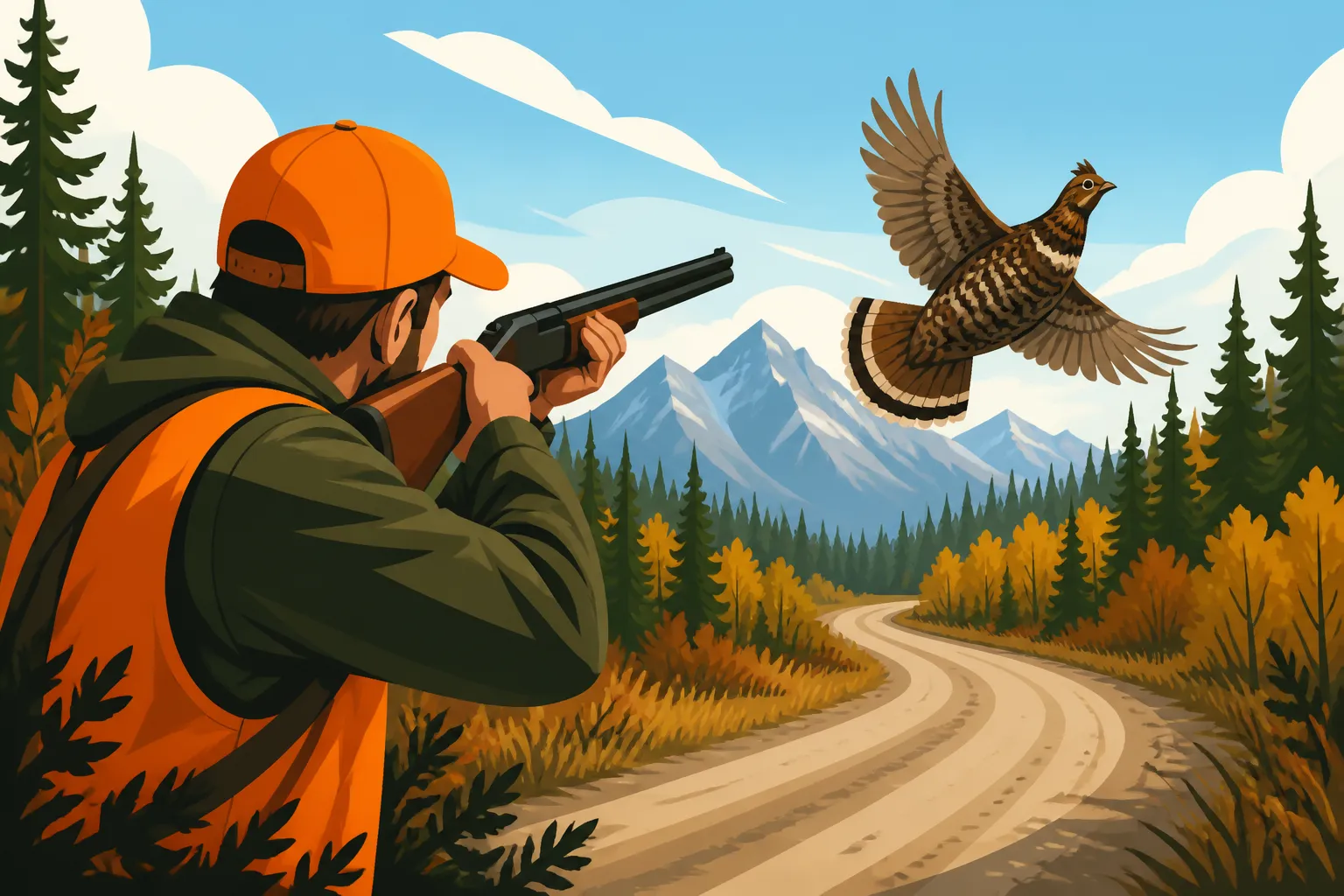
Hunting Ruffed Grouse on an Alberta Bush Road
There's a unique satisfaction that comes from hunting ruffed grouse, often dubbed "drummers," especially when you're walking an old bush road in Alberta. Many hunters feel a common frustration: these birds are elusive, often flushing with explosive speed right when you least expect it, leaving you with a racing heart and an empty shot. This guide will walk you through the nuances of successfully hunting ruffed grouse along Alberta's bush roads, from understanding their habits to mastering the techniques and regulations that will fill your game bag.
Understanding Ruffed Grouse Behavior on Bush Roads
Ruffed grouse aren't just randomly flitting through the woods; their presence along bush roads is a calculated choice driven by survival and opportunity. Knowing why they're there, and when, is the first step to successful hunting.
Why Grouse Favor Road Edges
Bush roads, whether active logging roads, old seismic lines, or abandoned trails, create linear clearings in otherwise dense forest cover. This edge habitat is a buffet for grouse. They thrive in areas with a mix of young deciduous trees like aspen and birch, alder thickets, and willow patches – all of which often colonize disturbed areas like road edges. These plants provide vital food sources, from catkins and buds in spring to berries and seeds in fall. Moreover, the open nature of the road itself allows them to sun themselves, dust bathe, and find grit for digestion, all while staying within quick flushing distance of dense cover. It’s a perfect blend of foraging grounds and security, making these corridors prime real estate for the birds.
Reading Grouse Sign and Cover
Successful grouse hunters aren't just walking; they're actively reading the landscape. Keep an eye out for fresh droppings, often found along the edges of the road or under berry bushes. Look for "scratchings" where birds have dug through leaf litter for food, or small dusting bowls in dry soil patches. Beyond direct sign, learn to recognize the preferred cover. Think thick tangles of young aspen regeneration, dense willow clumps, and alder patches that offer both food and immediate escape. These "grouse magnets" are where you should slow down, ready your gun, and prepare for a flush. It’s not about covering miles quickly; it’s about carefully dissecting pockets of ideal habitat.
Seasonal Movements and Time of Day
Ruffed grouse behavior varies significantly throughout the hunting season and even by the hour. Early in the fall, after the leaves have started to turn but before they’ve fully dropped, grouse might be higher in trees feeding on buds or berries, or tucked into thicker undergrowth. As the season progresses and the leaves fall, they tend to become more ground-oriented, seeking cover in evergreens or dense brush, and are often easier to spot. Weather also plays a role; on damp, overcast days, they might stick tighter to cover, while on sunny days, they'll bask along open edges. The best times to find them are typically early mornings and late afternoons when they are most actively feeding. Midday can be slower, but don't count it out entirely, especially on cooler days. Remember, the birds will adjust their patterns based on food availability and predator pressure, so being flexible and observant is key.
Essential Gear and Tactics for Roadside Grouse
Chasing ruffed grouse along Alberta’s bush roads doesn’t require a mountain of specialized equipment, but having the right gear and a solid strategy can make all the difference between a frustrating walk and a successful hunt.
Shotgun and Ammunition Choices
For ruffed grouse, speed and spread are your best friends. A lightweight 12-gauge or 20-gauge shotgun is generally ideal, allowing for quick swings through dense cover. Many hunters prefer an open choke, like an Improved Cylinder or even Skeet, especially for those close, explosive flushes common on bush roads. For ammunition, smaller shot sizes like 7.5 or 8 are perfect. They deliver a dense pattern without over-penetrating the relatively small birds, preserving more meat. You're not looking for long-range knockdown power here; you're looking for a wide pattern at 15-30 yards. Carrying a few different loads, perhaps some 6s for longer shots in more open areas, can also be a good idea, though 7.5s are often a good all-around choice.
| Gauge | Choke Recommendation | Shot Size Recommendation | Notes |
|---|---|---|---|
| 12-Gauge | Improved Cylinder / Skeet | 7.5, 8 | Versatile, good for quick swings, ample patterns. |
| 20-Gauge | Improved Cylinder / Skeet | 7.5, 8 | Lighter to carry, less recoil, excellent for grouse. |
| .410 | Modified / Full | 7.5, 8 | Challenging, but effective for skilled shots; very light. |
| 28-Gauge | Improved Cylinder / Skeet | 7.5, 8 | Niche but fantastic; patterns well, light recoil. |
Footwear and Clothing for Bush Road Hunting
Comfort and protection are paramount when walking miles of bush roads. Sturdy, waterproof boots are non-negotiable, as you'll encounter dew-soaked grass, muddy patches, and perhaps even shallow puddles. Look for boots that provide good ankle support, as uneven terrain is common. Layering your clothing is also critical for Alberta's unpredictable weather. Start with a moisture-wicking base layer, add an insulating layer, and top it with a durable, brush-resistant outer shell. Don't forget your blaze orange! It's not just a recommendation but often a legal requirement in Alberta during general big game seasons, and it's always a smart safety choice when hunting alongside others or near roads. Consider a comfortable vest with plenty of pockets for shells, water, and your harvested birds.
Effective Walking and Flushing Techniques
The key to roadside grouse hunting isn't to walk quickly, but to walk smartly. Take a slow, deliberate pace, stopping frequently. Those momentary pauses often trick a hidden bird into thinking you've passed, prompting it to flush. When walking, vary your path. Sometimes walk right down the center of the road, sometimes hug one edge, then switch to the other. If you're hunting with a partner, spread out, with one hunter walking the road and the other walking parallel just inside the bush edge. This "pincer" movement can flush birds from both the road and the adjacent cover. Using a dog, especially a flushing breed like a Springer Spaniel or a Labrador, can dramatically increase your success. Dogs excel at rooting out birds that would otherwise hold tight, presenting more shot opportunities. Even without a dog, learn to anticipate likely flush points – thickets, brush piles, bends in the road, or where a logging cut intersects the road. Getting comfortable with the idea of a bird flushing with an explosive burst will help you react quickly. This method is quite different from Walking Up Sharptails on Alberta Grassland, where birds often hold tighter in open country.
Locating Prime Habitat Along Alberta Bush Roads
Knowing where to find the best bush roads, and understanding the access rules that govern them, is crucial for consistently finding grouse in Alberta. It’s all about doing your homework before you lace up your boots.
Identifying Key Forest Types and Features
Ruffed grouse thrive in specific types of forested environments, predominantly in Alberta's mixedwood boreal and aspen parkland zones. Look for areas characterized by young, regenerating deciduous forests, particularly those with a high density of aspen, birch, poplar, and willow. These areas are often found after logging operations or wildfires, where new growth provides both food and cover. Bush roads cutting through these vibrant, early successional forests are prime territory. Also pay attention to transitional zones – where a dense evergreen forest meets a deciduous one, or where a creek bottom weaves through a stand of aspens. These varied habitats offer a wider range of food sources and microclimates, making them attractive to grouse throughout the season. Features like abandoned farmsteads, old clearings, and areas with plentiful berry bushes are also worth investigating.
Utilizing Mapping Tools for Scouting
In today's hunting world, digital mapping tools are an absolute game-changer for scouting, especially when it comes to identifying bush roads and suitable grouse habitat. Platforms like GoHunt, for instance, allow you to overlay satellite imagery with public land boundaries and forestry layers. You can zoom in and identify logging blocks, old cutlines, and even faint trails that might not appear on standard road maps. Look for the tell-tale signs of younger forest regeneration – often appearing lighter green or showing distinct patterns from logging. You can also identify potential access points, parking spots, and plan your walking routes to maximize coverage of promising habitat. Use these tools to identify those forgotten corners, the roads less traveled, which often hold the least pressured birds. This kind of detailed scouting can save you countless hours of unproductive walking and dramatically increase your chances of success. It's an indispensable part of planning to Scouting an Alberta WMU Before Season.
Understanding Road Access and Restrictions
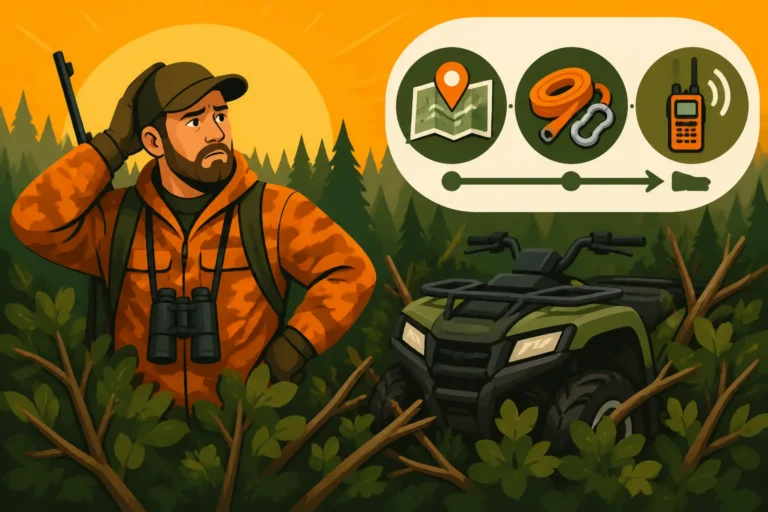
Access to bush roads in Alberta can vary widely, and understanding the rules is paramount. Many logging roads are on Crown Land, which is generally open to hunting, but some roads might be active industrial sites where public access is restricted for safety reasons. Always be on the lookout for signage indicating active operations or private land boundaries. Some forestry roads have seasonal gates, meaning vehicular access might be restricted at certain times, but foot access is often still permitted. For more specific information on public land access, Alberta's Recreational Access Mapping Tool (RAMP) can be incredibly helpful. This platform outlines different land types, including Crown Land, grazing leases, and agricultural land, and specifies the access rules for each. When hunting near agricultural areas, make sure you understand the guidelines for Finding Access on Alberta Crown Land, as well as private land permission. Always respect posted signs and never assume access, especially when near private property or active industrial sites. When in doubt, err on the side of caution or seek clarification from Alberta Environment and Parks.
Safety and Regulations for Road Hunting in Alberta
Hunting ruffed grouse along bush roads is a fantastic experience, but it comes with critical safety considerations and specific regulations that every hunter must adhere to. Ignoring these rules not only puts you at risk but also jeopardizes the future of our hunting heritage.
Blaze Orange and Ethical Considerations
Your personal safety and the safety of others in the field should always be your top priority. In Alberta, wearing blaze orange is often a legal requirement for big game hunters, but even when targeting small game like grouse during big game season, it's a non-negotiable for visibility. A blaze orange vest or hat makes you easily identifiable to other hunters, vehicle operators, and even hikers. Beyond the law, ethical hunting means being a responsible steward of the land and respectful of other users. This includes cleaning up any spent shell casings, packing out all trash, and being mindful of your noise levels. If you encounter other hunters, hikers, or ATV riders, acknowledge them politely and keep your firearm pointed in a safe direction. Hunting pressure can be high on accessible bush roads, so practicing courtesy helps everyone enjoy the outdoors. Ensure you review the current Alberta Blaze Orange Requirements before heading out.
Understanding Road Shooting Rules
Alberta has very specific regulations regarding discharging firearms on or near public roads and highways. Generally, you cannot discharge a firearm from a public road or within a specified distance of one, which can vary depending on the road type and WMU. Bush roads often fall under different classifications than main highways, but the principle of safe and responsible shooting remains. Always be aware of your backdrop. Is there a hill or thick timber to safely stop your shot, or is there open ground where a stray pellet could travel? Never shoot towards buildings, vehicles, or livestock. The thrill of a flushing grouse can be intense, but always take an extra second to identify your target, ensure a safe shot, and confirm what lies beyond. If a bird flushes across a road and your shot would send pellets into an unsafe area, let it go. Your safety and the safety of others are far more important than a single bird.
Respecting Private Land and Posted Signs
Many bush roads in Alberta crisscross a mosaic of Crown Land, grazing leases, and private property. It's imperative that you understand where you are at all times. The Alberta Trespass Act is clear: you need permission to access private land. Even if a bush road appears unmaintained or runs through open country, it could be on deeded land. Look for "No Trespassing" signs, purple paint on fence posts or trees, or other indicators of private property. If you're unsure, or if the land is a grazing lease, your best bet is to seek permission from the landowner or leaseholder. A simple knock on the door or a phone call can often grant you access and open up new hunting opportunities. Disregarding posted signs or venturing onto private land without permission can lead to fines, loss of hunting privileges, and gives all hunters a bad name. Always remember to check Alberta Landowner Permission Law before your hunt. It’s also wise to be familiar with general Alberta Hunting Licences and What They Cost and your Alberta Game Bird Seasons and Limits to ensure you are compliant with all regulations.
Disclaimer
The information provided in this guide is for informational purposes only and is not a substitute for the official Alberta hunting regulations. Hunters are responsible for consulting the most current Alberta hunting regulations and provincial and federal laws before participating in any hunting activities. Seasons, limits, and regulations can change annually.