Hunting Alberta’s Pheasant Release Sites
Finding good pheasant hunting in Alberta can feel like chasing a ghost for many upland bird hunters. The truth is, wild pheasant populations, while present, aren't as widespread or robust as they once were, making consistent success a real challenge. That's where Alberta's pheasant release sites come into play, offering a fantastic opportunity for hunters to experience the thrill of flushing these vibrant birds, often in more accessible and predictable locations. This guide will walk you through everything you need to know about navigating these programs, finding the sites, and making the most of your hunt.
Understanding Alberta's Pheasant Release Program
Alberta’s pheasant release program is a cornerstone effort to provide recreational hunting opportunities for pheasant enthusiasts, especially in areas where natural populations might struggle due to habitat loss or severe winters. It’s a pragmatic solution to a complex conservation challenge, bringing a bit of the traditional pheasant hunting experience to more hunters.
The Rationale Behind Pheasant Releases
The primary reason behind the release programs, spearheaded by organizations like the Alberta Conservation Association (ACA), is to augment existing wild pheasant populations and, more commonly, to create put-and-take hunting opportunities. Wild pheasants require specific habitat – think dense cover, reliable food sources, and winter shelter – that simply isn't as prevalent across all suitable areas as it once was. Intensive agriculture and urban expansion have fragmented much of this critical habitat. By releasing pen-reared birds, the ACA ensures that hunters have a chance to pursue pheasants without impacting dwindling wild stocks. It’s a recognition that without these efforts, many would-be pheasant hunters would be left without avenues to enjoy this sport.
How the Program Works and Where Birds Come From
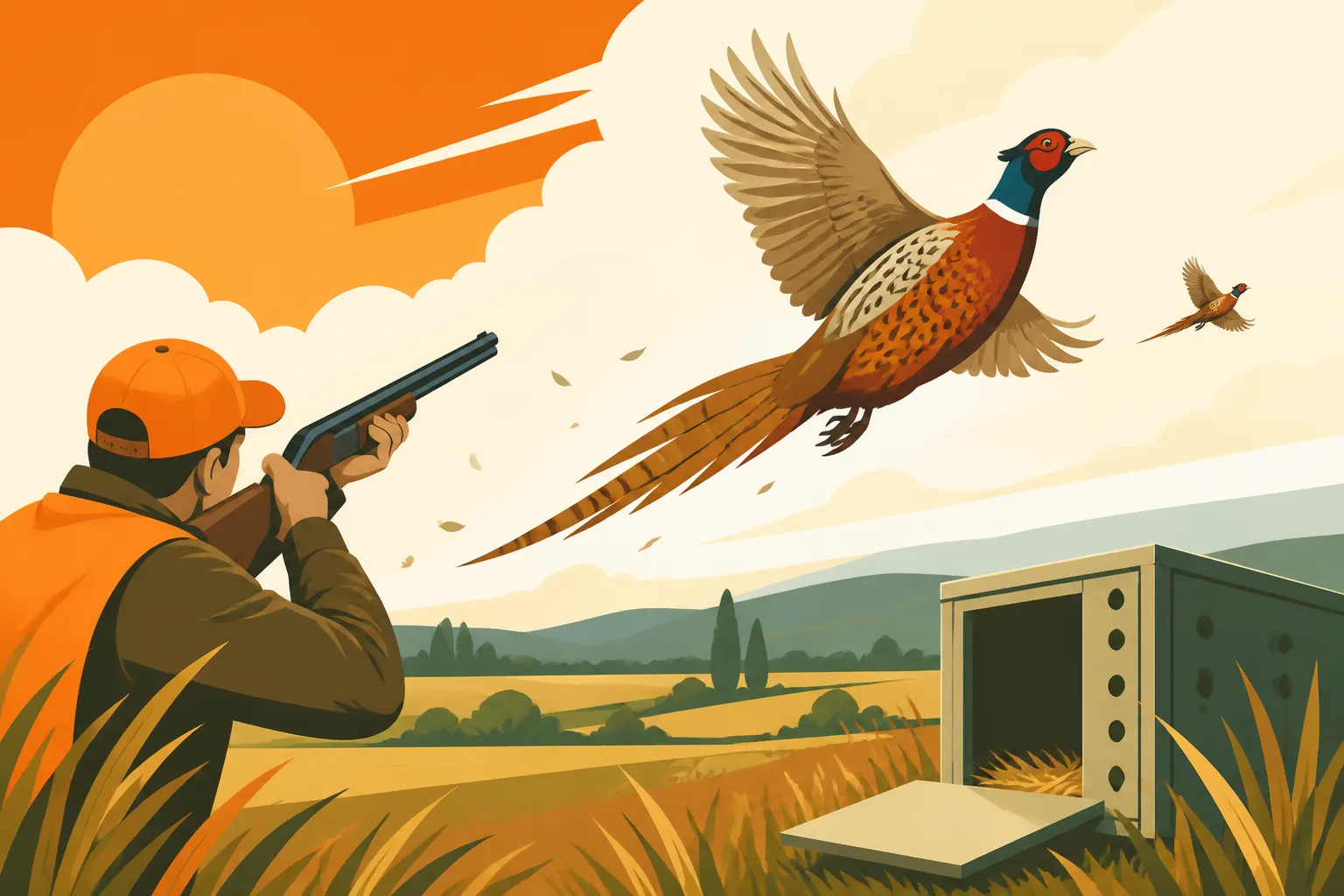
Typically, the birds released are ring-necked pheasants, specifically bred and raised in captivity for this purpose. These aren't wild birds captured and moved; they're essentially farm-raised for the field. The ACA operates its own pheasant rearing facility near Brooks, Alberta, which plays a crucial role in supplying the birds. Thousands of pheasants are raised there each year, then transported and released at designated sites across the province, usually in late summer or early fall, leading up to and during the hunting season. This ensures the birds have some time to acclimate to their new environment before hunters arrive. The sites chosen are usually those with suitable cover and a history of pheasant presence, or areas where habitat work has been done to make them more suitable.
| Characteristic | Wild Pheasant | Released Pheasant |
|---|---|---|
| Origin | Born in the wild, natural instincts | Pen-reared, often less "wild" |
| Survival Skills | Highly adapted to evade predators, find food | Can be less wary, may struggle with wild foraging |
| Flight Pattern | Strong, fast, often burst out of cover | Can be slower, less sustained flight |
| Location | Dispersed, tied to specific natural habitats | Concentrated at release sites, can wander |
| Waryness | Very wary, often run before flushing | Varies, but generally less cautious initially |
| Hunting Challenge | High, requires extensive scouting and skill | Moderate, offers more consistent opportunities |
Finding and Accessing Release Sites
The joy of hunting released pheasants lies in their predictability, but you still need to know where to go and how to legally access these areas. It’s not always as simple as just showing up; a little research goes a long way.
Utilizing Online Resources and Maps
The absolute best place to start your quest for pheasant release sites is the Alberta Conservation Association (ACA) website. They maintain an updated list and often provide detailed maps of all designated release sites. These resources are invaluable, as they typically specify not only the location but also any particular rules or access considerations for each site. You'll often find these sites clearly marked on their land base, sometimes identified as "ACA Conservation Sites" or "Pheasant Release Sites."
Beyond the ACA, general land management maps and hunting apps can be extremely helpful. Tools like GoHunt, for instance, can help you overlay public land data and identify access points, even if they don't specifically mark pheasant release zones. Combine information from the ACA website with detailed satellite imagery on these apps to get a clear picture of the terrain, potential cover, and how you might approach the hunt. This dual approach helps you identify not just the official boundaries, but also adjacent areas that pheasants might move into, offering expanded opportunities. Remember to always cross-reference official government and ACA sources for the most accurate and up-to-date information regarding specific site regulations.
Navigating Access and Rules for Specific Sites
While many pheasant release sites are located on publicly accessible land or land leased by the ACA, it's crucial to understand that access rules can vary. Some sites are easily accessible right off a main road, while others might require walking in from a designated parking area. Always look for signage at the site entrance which will outline any specific restrictions, such as "foot traffic only," "no vehicles beyond this point," or even specific shooting hour limitations.
Another critical point is landowner permission. Even if a release site is on public land, surrounding areas might be private. If a bird flushes and flies onto private property, you must have permission from the landowner to retrieve it. This means doing your homework beforehand. It’s never a bad idea to knock on doors in the vicinity of the release site, introduce yourself as a hunter, and politely ask for permission to retrieve birds should they land on their property. This simple act of courtesy can save you a lot of headache and goes a long way in fostering positive landowner-hunter relations, as outlined in the general guidance for Asking a Grazing Leaseholder for Access. Always carry your Alberta Hunting Licences and What They Cost and your Alberta's WIN Card and Wildlife Certificate with you, as well as a copy of the regulations, to ensure you're compliant.
Tactics for Hunting Released Pheasants
Hunting released pheasants can be incredibly rewarding, offering a chance to hone your upland bird skills. While they might not be as "wild" as their naturally raised cousins, they still present a challenge, demanding good dog work (if you have a canine partner), keen observation, and precise shooting.
Hunting With or Without a Dog
A well-trained bird dog, particularly a flushing breed like a Springer Spaniel or a Labrador Retriever, can significantly increase your success when hunting pheasants, whether released or wild. Dogs excel at sniffing out birds hidden deep in cover, flushing them within shooting range, and, crucially, retrieving downed birds that might otherwise be lost in dense vegetation. For these sites, where birds may hold tight, a dog that covers ground thoroughly is a game-changer. Consider a dedicated discussion on Using a Pointing Dog on Alberta Prairie or a flushing dog in thick cover to truly appreciate the difference.
However, hunting without a dog is absolutely possible and still offers a fantastic experience. The key is to hunt slowly, methodically, and be hyper-aware of your surroundings. Instead of relying on a dog to flush, you become the primary flusher.
Hunting Without a Dog:
- Slow, Deliberate Pace: Walk at a snail's pace, pausing frequently. Pheasants will often hold tight, hoping you'll walk past. Those pauses sometimes make them nervous enough to flush.
- Work the Edges and Corners: Focus on the edges of cover, corners of fields, and transitions between different types of vegetation. These are natural places for pheasants to loaf and escape.
- Kick and Stomp: Don't be afraid to deliberately kick clumps of grass, cattails, or brush. Make noise and sudden movements to encourage a flush.
- Walk in Lines: If hunting with a group, spread out and walk in a straight line, parallel to each other, to systematically cover an area. This is less effective than with dogs, but better than random wandering.
Flushing Strategies and Shot Selection
The core strategy for hunting pheasants, especially released birds, revolves around flushing them effectively and making clean shots. Released birds, particularly early in the season, might be less inclined to run long distances and often hold tighter than wild birds, meaning you can walk right past them if you're not paying attention.
- Working Heavy Cover: Pheasants love heavy cover – think cattail sloughs, thick willow runs, standing corn, or dense patches of native grass. They’ll dive into these areas for protection. When working these spots, move slowly and deliberately, almost like you’re pushing a broom. Walk into the wind if possible, as it helps carry scent to dogs and makes birds more likely to flush into the wind, slowing their initial flight.
- Anticipating the Flush: Always be ready. A pheasant's flush is explosive – a sudden burst of wings and a loud cackle. Mount your gun smoothly, swing through the bird, and follow through. You'll often have a very narrow window for a shot, particularly in thick cover where they can quickly disappear.
- Shot Selection and Gauge: For pheasants, a 12 or 20-gauge shotgun is standard. Use a modified or improved cylinder choke for the initial shot, as flushes are often close. Later in the season, or if birds are getting wilder, you might opt for a tighter choke. As for shot size, #4 or #5 non-toxic shot is generally recommended. Remember, many ACA release sites are on lands where non-toxic shot is required, even for upland birds, to prevent lead accumulation in the environment. Always double-check the current Non-Toxic Shot Requirements for Migratory Birds as some of these rules can overlap with upland bird hunting in certain areas.
- Safety First: When hunting with a group, maintain safe spacing and always know where your hunting partners are. Never swing on a bird if a partner is in the line of fire. It's also advisable to wear Alberta Blaze Orange Requirements to be visible to other hunters and ensure maximum safety in shared hunting areas.
Gear, Etiquette, and Maximizing Your Experience
A successful day chasing pheasants isn't just about finding the birds; it's about being prepared, being respectful, and embracing the entire experience.
Essential Gear for Release Site Hunting
You don't need a mountain of specialized gear, but a few key items will make your hunt more comfortable, productive, and safe.
- Clothing: Layers are your friend. Early season hunts can start cool and warm up quickly. A good briar-proof hunting vest or jacket is a must, especially given the thick cover pheasants frequent. Briar-proof pants will save your legs from thorns and stiff stalks. Opt for natural, muted colours that blend with the environment.
- Footwear: Comfortable, waterproof hunting boots with good ankle support are non-negotiable. You’ll be covering ground, often through damp grass, stubble, and uneven terrain. Blisters or wet feet can quickly ruin a hunt.
- Firearm and Ammunition: As mentioned, a 12 or 20-gauge shotgun is ideal. Bring plenty of ammunition, especially if you're hunting with a group, as pheasants can offer multiple shooting opportunities. Remember to stick to legal non-toxic shot when required.
- Bird Vest or Game Bag: Essential for carrying downed birds, water for yourself and your dog (if applicable), extra shells, and a snack.
- Navigation Tools: A good GPS device or a smartphone app like GoHunt with offline maps is crucial for staying oriented, marking flushes, and navigating property boundaries, especially on larger release sites or if birds lead you off the main area. Using these tools to help you with Reading an Alberta WMU Map Before You Go can really elevate your preparedness.
- First Aid Kit: Always a good idea to have a small kit for minor scrapes, cuts, or blisters, especially when heading out into the field.
- Water: For both yourself and any canine companions. Hydration is critical, even on cooler days.
Hunter Etiquette and Respect for the Resource
Hunting these sites comes with a responsibility to uphold ethical hunting practices and respect for the land and other users.
- Sharing the Space: Pheasant release sites can attract a fair number of hunters, especially on weekends and opening days. Be courteous. Give other hunters ample space, especially if they are working with dogs. If you arrive and see another group already working an area, either move to a different part of the site or wait for them to finish before starting your hunt. A friendly wave or quick chat to coordinate efforts can go a long way.
- Landowner Relations: If you need to retrieve a bird from adjacent private land, always secure permission first. This applies even if you just need to step a few feet over a fence. Building a reputation as a respectful hunter benefits everyone.
- Leave No Trace: Pack out everything you pack in. This includes spent shotgun shells, any trash, and dog waste. Leave the site cleaner than you found it. This simple act ensures continued access and demonstrates respect for the environment and the efforts of organizations like the ACA.
- Respecting Regulations: Adhere strictly to all bag limits and season dates, which you can find in the Alberta Game Bird Seasons and Limits regulations. Understand that these programs are designed to provide sustainable hunting. Don't waste game meat; ensure all birds are cleanly harvested and processed. Retrieving all downed birds is not just good ethics, it's a legal requirement.
- Being an Ambassador: For many non-hunters, pheasant hunters are highly visible. Your actions in the field directly reflect on the broader hunting community. Be polite, be safe, and be an example of ethical conduct.
By understanding the program, preparing adequately, and practicing good stewardship, hunting Alberta’s pheasant release sites can be a memorable and enjoyable part of your fall hunting season. It’s a chance to connect with the landscape, work with your dog, or simply enjoy the thrill of flushing one of Alberta’s most colourful game birds.
Disclaimer
The information provided in this guide is for general informational purposes only and does not constitute legal advice. Hunting regulations, access rules, and program details in Alberta can change. Hunters are solely responsible for verifying and complying with all current Alberta hunting regulations and land access requirements from official sources such as Alberta Environment and Parks and the Alberta Conservation Association before engaging in any hunting activity.