Alberta General Licences Without a Draw
One of the most common frustrations for hunters, especially those new to Alberta or coming from areas with different systems, is the perceived complexity of licence draws. Many assume all good hunting requires years of accumulating priority points, but that's simply not true! This guide is here to demystify Alberta's general licences, showing you how to get into the field for a wide variety of species without ever having to put in for a draw, opening up fantastic hunting opportunities.
Understanding the General Licence System in Alberta
Navigating Alberta's hunting regulations can feel like deciphering an ancient scroll sometimes, especially when you're trying to figure out what you can hunt without jumping through the hoops of a special licence draw. The good news is, general licences are exactly what they sound like: permits you can purchase over-the-counter or online, giving you immediate access to hunt specific species during designated open seasons within various Wildlife Management Units (WMUs). This is the backbone of hunting for many residents and forms a crucial part of the Alberta hunting landscape.
What Makes a Licence "General"?
Unlike special licences, which can require you to apply in a lottery-style draw, with priority points in some draws (sometimes for years!), to get a tag for high-demand species like moose, elk, or bighorn sheep in certain WMUs, general licences are much more straightforward. If you meet the basic eligibility criteria—which we'll get into shortly—you can buy them directly. Think of it as your everyday hunting pass. This system is designed to provide abundant opportunities for widely distributed and healthy game populations, ensuring that even new hunters or those without accumulated points can experience the thrill of the chase. It's a pragmatic approach to wildlife management that balances opportunity with sustainable harvest levels, allowing for more consistent access to common game animals.
The Freedom and Flexibility of General Tags
The biggest advantage of general licences is the sheer flexibility they offer. You’re not tied to a specific WMU you drew, nor are you waiting on pins and needles for draw results. You can decide where and when to hunt based on your schedule, local scouting, or simply a last-minute urge to get out in the field. This freedom is incredibly valuable, especially for busy individuals or those who prefer to adapt their plans to changing conditions like weather or game movement. It empowers hunters to explore different WMUs, learn new terrain, and truly understand the habits of their target species without the pressure of a single, highly coveted tag. This also means you can often combine general licence hunts, pursuing deer in the morning and then hitting a slough for ducks in the afternoon, or stalking coyotes after your black bear hunt. This versatility is what makes general licences the go-to choice for so many Alberta hunters year after year.
Your Opportunities for Big Game Without a Draw
Alberta is incredibly generous when it comes to general season big game opportunities. While draw-only tags target specific, often limited, populations or trophy opportunities, general licences ensure you can pursue species like white-tailed deer and black bears across vast tracts of the province. This accessibility is a huge draw for both new and seasoned hunters, providing consistent chances to fill the freezer and enjoy the wilderness.
White-Tailed Deer: The Alberta Staple
When you talk about general big game hunting in Alberta, white-tailed deer are almost always at the top of the list. These adaptable creatures thrive in diverse habitats, from the dense aspen parkland to the sprawling agricultural fields, and even into the foothills. The majority of WMUs across the province offer significant general archery and rifle seasons for antlered whitetail deer. This means you don't need a draw to pursue a buck. For many, this is how their season starts, whether it's Bowhunting Alberta's Early Archery Seasons in September or getting ready for Rifle Hunting Alberta's General Seasons later in the fall.
The beauty of a general white-tailed deer licence is the sheer volume of areas you can hunt. You'll find long seasons, often spanning from September through to November or even early December in various WMUs. This flexibility allows hunters to target different phases of the rut or take advantage of early or late-season patterns. While antlerless whitetail tags sometimes require a draw in certain WMUs (often referred to as supplemental antlerless licences), there are frequently general antlerless opportunities available, particularly in areas with high deer populations or where agricultural damage is a concern. Always double-check the specific regulations for your chosen WMU, as seasons and antler restrictions (e.g., antlered vs. antlerless) can vary greatly. For example, some WMUs might have a general season for any antlered whitetail, while others might restrict it to bucks with a minimum number of points.
Black Bear: An Accessible Spring and Fall Hunt
Black bears are another fantastic big game animal available on a general licence across much of Alberta’s forested and foothills regions. Unlike many other large predators or big game species, you don't need a draw for a black bear tag. Alberta offers both spring and fall black bear seasons, providing unique hunting experiences depending on the time of year. Spring bear hunting, typically running from mid-April to mid-June, offers hunters the chance to pursue bears as they emerge from hibernation, often feeding on green-ups in cutblocks or along seismic lines.
The fall season, often concurrent with deer and moose seasons, can run from September through October or November. This provides opportunities for combination hunts and allows hunters to scout for bears that are feasting on berries or preparing for hibernation. The price for a general black bear licence is quite reasonable, making it an accessible hunt for many. Whether you're interested in Baiting Black Bear in Alberta or prefer a spot-and-stalk approach, the general black bear licence opens up a world of adventure. It's crucial to understand the regulations regarding baiting, firearm restrictions, and, most importantly, identifying the sex of the bear, as sows with cubs are protected. Alberta is known for its healthy black bear population, and many WMUs offer two bear tags per hunter per year, allowing for even more opportunity.
Mule Deer: Limited General Opportunities
While trophy mule deer bucks are typically draw-only in Alberta's prime areas, there are still some general opportunities for antlered mule deer, though they are often more restricted than whitetail seasons. These general tags usually exist in specific WMUs, often in the northern or eastern parts of the province, and can be subject to specific antler point restrictions, such as "3-point or greater."
These general seasons for mule deer often have shorter windows than whitetail seasons, or are limited to certain weapon types. For instance, an archery-only season might be general, while a rifle season in the same WMU requires a draw. This is where really digging into the regulations comes in handy. It's not impossible to find a general mule deer hunt, but it requires careful planning and a thorough understanding of the specific WMU rules. For many, this means focusing on Hunting Mule Deer in the Badlands Coulees or other less pressured areas where general tags might still apply. Always consult the current Alberta Hunting Regulations for the most up-to-date information on general mule deer seasons, as these can change year to year based on population surveys and management objectives.
Feathered Fun: Upland and Waterfowl General Licences
Beyond big game, Alberta offers an incredible array of general licence hunting opportunities for birds, both migratory and upland. These hunts are often less gear-intensive, can be incredibly social, and provide fantastic table fare. Many hunters start their seasons chasing feathered game, and it's a great way to introduce new hunters to the sport.
Waterfowl: Ducks, Geese, and Cranes
Alberta is a waterfowl hunter's paradise, often referred to as a "duck factory" due to its abundance of potholes, sloughs, and grain fields. The best part? Almost all waterfowl hunting is available through general licences, primarily requiring an Alberta Game Bird Licence and a Federal Migratory Game Bird Permit, along with a Canadian Wildlife Habitat Conservation Stamp. These can all be purchased easily online or at authorized licence retailers.
You'll find seasons for a huge variety of ducks – mallards, pintails, teal, canvasbacks – as well as Canada geese, specklebellies, and snow geese. Waterfowl Hunting Alberta's Grain Fields is a legendary experience, with massive migrations staging in the province during the fall. Season dates vary by zone across the province, but generally run from early September into late October or November, with special late seasons for snow geese in some areas. Daily bag and possession limits are generous but species-specific, so it's critical to be able to identify your birds on the wing. You might also want to look into Hunting Alberta's Sandhill Crane Season, which also operates on a general licence system. Remember that non-toxic shot is mandatory for all migratory bird hunting in Canada.
Upland Birds: Grouse, Partridges, and Pheasants
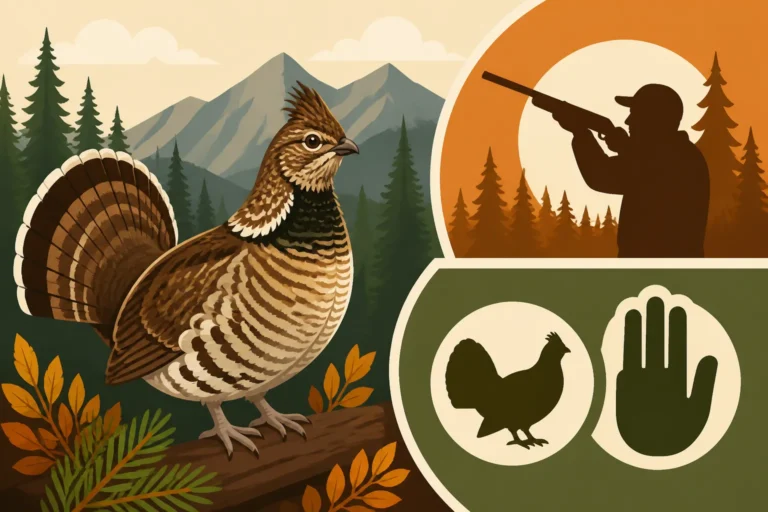
For those who enjoy walking up birds with or without a dog, Alberta's general upland bird opportunities are plentiful. A single Alberta Game Bird Licence covers all resident upland game birds, making it a very accessible and affordable hunt. You can chase ruffed grouse in the thick bush, sharp-tailed grouse in the prairie grasslands, or Hungarian partridge along farm shelterbelts.
Species like ruffed grouse, spruce grouse, and sharp-tailed grouse are found across vast areas of Crown Land, particularly in the Boreal Forest and Parkland regions. Hungarian partridge and pheasants are more often found in agricultural areas, often requiring permission from landowners. Alberta also has designated pheasant release sites, offering excellent opportunities for hunters to pursue these vibrant birds. Seasons typically open in early September and run through December or even January, depending on the species and WMU. Daily bag and possession limits apply to each species, and it's essential to check the regulations for your specific area. If you're looking for an active hunt with lots of walking, Upland Bird Hunting in Alberta is an incredible option, and it's all available on a general licence. Using mapping tools, like those found through GoHunt, can help you pinpoint good habitat for these various species, whether you're looking for dense cover for grouse or open fields for Huns.
Predator Pursuits: General Licences for Coyotes and Wolves
For hunters interested in predator control or just extending their time in the field, Alberta offers open seasons and general licences for coyotes and wolves. These species play crucial roles in ecosystem health, and hunting them can be a challenging and rewarding experience that often requires different tactics than big game.
Coyote Hunting: Year-Round General Opportunities
Coyotes are abundant across Alberta, particularly in the agricultural and parkland regions, and can be hunted year-round with a general licence. For residents, this typically means just having an Alberta Wildlife Certificate and often a basic hunting licence (like a general deer licence, even if you don't fill it, it ensures you meet the prerequisite). Non-residents will need the appropriate non-resident licence. There are usually no bag limits on coyotes, and the season is open provincially, though local bylaws or land access rules still apply.
Many hunters pursue coyotes for pest control, to hone their calling skills, or simply for the sheer sport. Coyote Hunting Alberta Farm Country offers endless opportunities, especially in winter when their fur is prime and they are more visible against the snow. Techniques range from calling and decoying to spot-and-stalk. While you don't need a special draw, understanding local populations and landowner relations is key to success. Remember to always seek permission when hunting on private land, even for coyotes.
Wolves: General Seasons in Designated Areas
Wolf hunting in Alberta is primarily managed through general seasons, which means you can purchase a wolf licence directly without needing to apply for a draw. However, wolf hunting is not open province-wide year-round like coyotes. General wolf seasons are typically offered in specific WMUs, largely coinciding with the Green Area (forested Crown Land) and some specific White Area (private land) WMUs. Seasons can be quite long, often extending from early fall through late winter or early spring.
The bag limits for wolves can vary by WMU, so it's critical to consult the regulations for the specific area you plan to hunt. While challenging, hunting wolves on a general licence can be an incredibly rewarding experience, requiring patience, tracking skills, and a deep understanding of wolf behaviour. It's important to be aware of any local restrictions or special considerations, especially when hunting near settlements or in areas with specific wildlife management concerns. Tools like GoHunt can be immensely helpful for overlaying WMU boundaries with wolf season dates, allowing you to quickly identify accessible hunting grounds.
Essential Steps to Securing Your General Licences
Getting your hands on an Alberta general licence is relatively straightforward, but there are a few prerequisites and a clear process to follow. Rushing this can lead to frustration or, worse, unintended legal issues in the field. Let's walk through what you need and how to get it done.
Prerequisites: WIN Card, Wildlife Certificate, and Hunter Education
Before you can even think about buying a hunting licence in Alberta, you need to meet a few fundamental requirements. First and foremost, you need an Alberta Wildlife Identification Number (WIN) Card. This is your unique client ID for all hunting and fishing-related transactions in the province. It's valid for five years and is essentially your permanent customer number. If you don't have one, or if yours has expired, you'll need to get or renew it through the AlbertaRELM website or at a licence issuer. You can find more detailed information on Alberta's WIN Card and Wildlife Certificate to ensure you're squared away.
Next, you'll need an Alberta Wildlife Certificate. This is an annual purchase that acts as your base permit, allowing you to hunt in Alberta (assuming you have the appropriate species-specific licences) and contributing to wildlife conservation efforts. Think of it as your annual membership fee to participate in hunting. For most resident hunters, this is purchased concurrently with their first hunting licence of the season.
Finally, if you're a new hunter to Alberta or haven't held a hunting licence in the province before, you'll need to complete the Alberta Conservation and Hunter Education Course. This course covers hunter safety, wildlife identification, ethics, and conservation principles. It's a mandatory requirement to obtain your first hunting licence. Even seasoned hunters from other jurisdictions might need to demonstrate equivalency or take a shorter course. This foundational knowledge is crucial for safe and responsible hunting. You can find out more about Alberta Hunter Education Course Requirements to ensure you meet them.
Purchasing Your Licences: Online and In-Store
Once you have your WIN Card, Wildlife Certificate, and have met the hunter education requirements, purchasing your general licences is simple. The most convenient method for many is online through the AlbertaRELM (Recreational Licence & Permit) website. This portal allows you to select your desired species licences (e.g., General White-tailed Deer, Black Bear, Game Bird, Wolf) and pay securely. You can then print your licences at home or save them digitally to your phone, though having a physical copy is always a good backup, especially in remote areas where cell service might be spotty.
Alternatively, you can purchase your licences in person at numerous authorized licence issuers located throughout the province. These are typically sporting goods stores, some convenience stores, and other retail outlets. The staff there can often answer basic questions and help you navigate the process, which can be helpful if you're new to the system or have specific questions about a particular licence. Both methods provide you with the same legal documentation, so choose whichever is most convenient for you. Always double-check that all your information on the licence is correct before heading into the field.
Demystifying Season Dates and Wildlife Management Units (WMUs)
One of the most critical aspects of hunting in Alberta, especially with general licences, is understanding the intricate dance between season dates and Wildlife Management Units (WMUs). This is where many new hunters get tripped up, and correctly interpreting these details is paramount to a legal and ethical hunt.
Interpreting the Alberta Hunting Regulations
The Alberta Hunting Regulations are your bible in the field. They are published annually and are available online (usually as a PDF) or in print at licence issuers. You absolutely must read and understand the regulations for every species and every WMU you intend to hunt. This is not light reading; it's dense, legally binding information. It details open seasons, bag limits, sex restrictions (e.g., antlered only, antlerless only), weapon restrictions (e.g., archery only, rifle, muzzleloader), and any special conditions.
WMUs are specific geographic areas, each with a unique number (e.g., WMU 200, WMU 330, WMU 404). Season dates and regulations are often broken down by these WMUs. For example, the general antlered white-tailed deer season might open in early September for archery in WMU 200 but not until November 1st for rifle in WMU 404. Similarly, black bear seasons will vary depending on whether you are in the northern boreal forest or the southern foothills. My advice: download the PDF to your phone and tablet, and highlight the sections relevant to your target species and chosen WMU. This can be complex, but resources like Reading an Alberta WMU Map Before You Go can help clarify the system. Tools like GoHunt often have regulation overlays that can simplify this, but always cross-reference with the official government document.
Navigating WMU Boundaries and Season Lengths
Understanding WMU boundaries is crucial. These boundaries are often rivers, highways, power lines, or surveyed land sections. Hunting even a few yards outside your chosen WMU, if the season is closed there, can result in serious penalties. Therefore, good mapping tools are indispensable. Modern GPS apps and online mapping platforms are invaluable for identifying precise WMU lines in the field. When Scouting an Alberta WMU Before Season, always pay close attention to these boundaries.
Season lengths for general licences can vary widely. White-tailed deer seasons are often quite long, especially for archery, offering many weeks of opportunity. Black bear seasons typically have distinct spring and fall periods. Upland bird and waterfowl seasons also have varying opening and closing dates by zone. This variety allows hunters to spread out their efforts and take advantage of different times of the year. For instance, you might chase September whitetails, shift to waterfowl in October, and then return to a late-season deer hunt. Always consult the most recent Alberta Big Game Season Dates and Alberta Game Bird Seasons and Limits to plan your year effectively. This table provides a simplified overview, but always verify with official regulations.
| Species Group | Typical General Licence Seasons | Common WMU Groups | Weapon Types | Notes |
|---|---|---|---|---|
| White-tailed Deer | Sept (Archery), Nov-Dec (Rifle) | Provincial (most) | Archery, Rifle | Antlered general, Antlerless often draw |
| Black Bear | Mid-Apr to Mid-June (Spring), Sept-Nov (Fall) | Provincial (forested) | Archery, Rifle | Two bears per year in some WMUs |
| Mule Deer | Limited Rifle (3-pt or greater), some Archery | Specific WMUs (e.g., northern, eastern) | Archery, Rifle | Check specific WMU rules carefully |
| Ducks/Geese | Early Sept-Oct/Nov (varies by zone) | Provincial (all zones) | Shotgun | Federal permit req, non-toxic shot mandatory |
| Upland Birds | Early Sept-Dec/Jan | Provincial (habitat-dependent) | Shotgun, .22 rifle | Daily/possession limits apply |
| Coyote | Year-round | Provincial | Archery, Rifle, Shotgun | No bag limit for residents |
| Wolf | Fall-Spring (varies by WMU) | Green Area, some White Area | Archery, Rifle, Shotgun | Bag limits vary by WMU |
Maximizing Your Opportunities with General Licences
Just because a licence is "general" doesn't mean the hunting is easy or that you don't need to put in the work. In fact, due to higher pressure in some readily accessible areas, effective strategies, thorough scouting, and securing good access become even more critical. General licences often mean more freedom, but that freedom comes with the responsibility of smart planning.
Scouting and Public vs. Private Land Access
Effective scouting is your best friend when hunting on general licences. With the flexibility to hunt across many WMUs, you can scout multiple areas, looking for game sign, food sources, and travel corridors. This is especially true for species like white-tailed deer and black bears. Utilize satellite imagery and digital maps extensively. I often spend hours virtually exploring different WMUs using platforms that show Crown Land boundaries, potential pinch points, and cover. Consider using tools like GoHunt that provide layered maps for public land identification and recent harvest data. This can help you identify areas with good potential and less pressure.
Access to land is another massive factor. While Alberta has vast tracts of Public Hunting Land in Alberta, including extensive Crown Land, it's often more challenging to access or sees heavier pressure, especially on opening weekends. Don't overlook private land. Many general licence opportunities, particularly for deer, upland birds, and waterfowl, exist on private agricultural land. Successfully Getting Private Land Permission in Alberta can unlock incredible, low-pressure hunting. This involves respectful communication, asking well in advance, and always leaving the land better than you found it. It’s about building relationships, and those relationships can lead to years of fantastic general licence hunting.
Understanding Pressure and Adapting Your Strategy
With general licences, especially for popular species like white-tailed deer, you need to be realistic about hunting pressure. Easily accessible Crown Land, particularly near urban centers, can get hammered on opening day and weekends. This doesn't mean you can't be successful, but it does mean you need to adapt your strategy. Instead of hunting the first timber block off the road, be willing to walk further, hike into less accessible areas, or investigate those tricky parcels of Crown Land surrounded by private property.
Consider hunting during weekdays if your schedule allows, or targeting later in the season when many fair-weather hunters have packed it in. For example, Hunting Deep Cold Late in the Season can be incredibly productive for whitetails, as deer are concentrated on food sources and other hunters are scarce. For waterfowl, adapt to changing bird patterns; if one field is being pressured, try to find another. Don't be afraid to put in the miles. The more ground you cover, and the more willing you are to go where others aren't, the higher your chances of success, even on the most common general licences. Being adaptable and having a plan B (and C, and D) is the hallmark of a successful general licence hunter.
Disclaimer
Please note that hunting regulations, season dates, and licence requirements in Alberta are subject to change. While this guide provides comprehensive information, it is your responsibility to consult the most current official Alberta Hunting Regulations published by the Government of Alberta before heading into the field. This content is for informational purposes only and does not constitute legal advice.