Alberta’s Mandatory CWD Submission WMUs
Navigating the ever-evolving landscape of hunting regulations can sometimes feel like trying to hit a moving target, and when it comes to Chronic Wasting Disease (CWD), the rules often come with extra layers of responsibility. Many hunters feel the burden of these additional steps, especially when time is precious after a successful harvest. This guide is here to cut through the confusion and provide a comprehensive, clear breakdown of Alberta's mandatory CWD submission Wildlife Management Units (WMUs), explaining why they exist and what you, as a hunter, need to know to comply.
Understanding Chronic Wasting Disease CWD
Let's start by getting a handle on what CWD actually is, because understanding the "why" often makes the "what" a lot easier to swallow. It's a topic that can spark a lot of concern and even a little fear in the hunting community, but knowledge is truly power when it comes to protecting our wildlife.
What Exactly is CWD?
Chronic Wasting Disease is a serious, fatal neurological disease affecting cervids – that's deer, elk, moose, and caribou. Unlike bacterial or viral infections, CWD is caused by abnormal proteins called prions. These prions essentially turn a healthy animal's brain tissue into a spongy, degraded mess over time. It's a slow-acting disease with a long incubation period, meaning an animal can be infected for months or even years before showing any outward signs. When symptoms do appear, they can be heartbreaking: drastic weight loss (hence "wasting"), stumbling, excessive salivation, difficulty swallowing, and a general lack of awareness. It's always fatal, and there's no known cure or vaccine. The insidious nature of prions means they are incredibly resistant to degradation, making them a persistent threat in the environment.
The concern for hunters and wildlife managers is immense because CWD poses a significant threat to cervid populations. While there's no evidence to suggest CWD can be transmitted to humans, health agencies still recommend against consuming meat from CWD-positive animals. This disease can decimate local herds, altering population dynamics and potentially impacting future hunting opportunities. It’s a silent, relentless enemy that demands our attention and collective effort to manage.
How CWD Spreads and What it Means for Game Populations
CWD is a master of transmission. It spreads through direct animal-to-animal contact, but also, and perhaps more alarmingly, through environmental contamination. Infected animals shed prions through saliva, urine, feces, and even decomposing carcasses. These prions can persist in soil and plants for years, acting as a reservoir of infection for healthy animals coming into contact with contaminated areas. Imagine a deer urinating in a prime feeding spot; those prions can linger, infecting other deer who graze there later. This environmental persistence is a major challenge for wildlife management, as it means removing infected animals alone isn't always enough to stop the spread.
The implications for game populations are severe. As the disease becomes more prevalent in a herd, it can lead to increased mortality rates, reduced fawn survival, and a decline in the overall health and size of the population. This isn't just about losing individual animals; it's about potentially destabilizing entire ecosystems. Understanding How CWD Spreads Through a Deer Herd is critical for all hunters, as our actions in the field can either help or hinder efforts to control it. The long-term effects could mean fewer deer, smaller racks, and a less robust hunting future. We saw some concerning figures last season regarding Alberta's CWD Positive Rate Last Season in certain zones, which further highlights the need for continued vigilance.
Why Mandatory CWD Submission WMUs Exist
It's easy to feel like mandatory CWD submission is just another hoop to jump through, an added layer of bureaucracy when all you want to do is process your game. But these requirements aren't arbitrary; they are the bedrock of Alberta's strategy to combat this pervasive disease.
The Importance of Surveillance and Monitoring
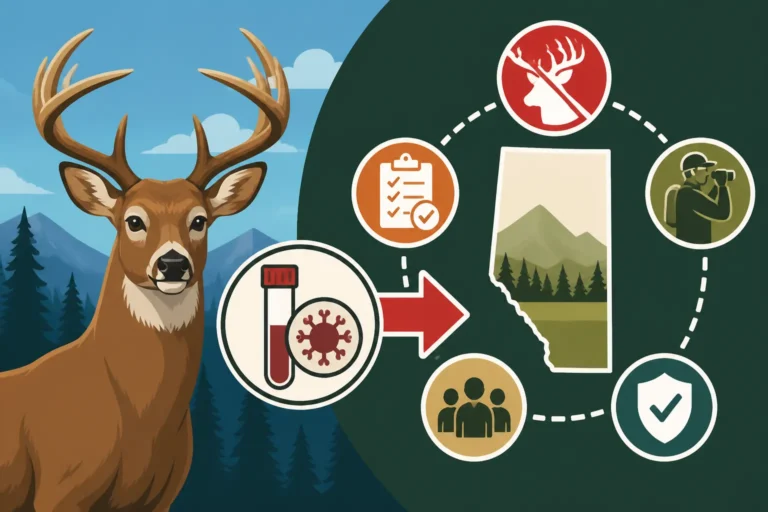
The primary reason for designating mandatory CWD submission WMUs (Wildlife Management Units) is surveillance. Think of it like a public health official tracking an outbreak in humans; you need data to understand where the disease is, how prevalent it is, and whether it's spreading. For wildlife managers, collecting samples from harvested animals in these specific zones provides critical, real-time data on the distribution and intensity of CWD in the province. Without this consistent influx of samples, wildlife biologists would essentially be flying blind, unable to make informed decisions about herd management, season structures, or other intervention strategies.
Early detection is paramount. If CWD can be identified in new areas quickly, there's a greater chance of containing its spread and implementing targeted management actions. This proactive approach helps protect healthy populations in other WMUs. Every hunter who submits a sample from a mandatory zone contributes directly to this vital data collection effort, which ultimately benefits the long-term health of Alberta's cervid populations and ensures sustainable hunting opportunities for future generations. It’s a collective effort, and your participation is crucial for these insights into the health of our deer, moose, and elk. These efforts feed directly into Alberta's CWD Testing Requirements that are updated annually.
The Role of Hunters in CWD Management
As hunters, we are often the first line of defence and the most valuable partners in wildlife conservation. When it comes to CWD, our role is absolutely indispensable. We are out in the field, actively harvesting animals, and are uniquely positioned to provide the samples that wildlife agencies need. By participating in mandatory CWD submission, you're not just following a rule; you're actively contributing to scientific research and conservation. You're helping map the disease, understand its spread, and protect the very resources we cherish.
It's an ethical responsibility that comes with the privilege of hunting. While it adds a step to your post-harvest routine, it’s a small price to pay for the immense benefit it provides to the health of our herds. Imagine if no one submitted samples; the disease could spread unchecked, leading to widespread population declines and potentially devastating impacts on hunting seasons. By submitting your sample, you become an active participant in safeguarding the future of hunting in Alberta. Many hunters use tools like GoHunt to quickly identify if their WMU is mandatory, streamlining the process of staying compliant.
Identifying Alberta's Mandatory CWD Submission WMUs
Okay, so you understand why CWD submission is so important. Now, let's get down to the practical details: where are these WMUs, and what do you need to do?
Navigating the Regulations for Current WMUs
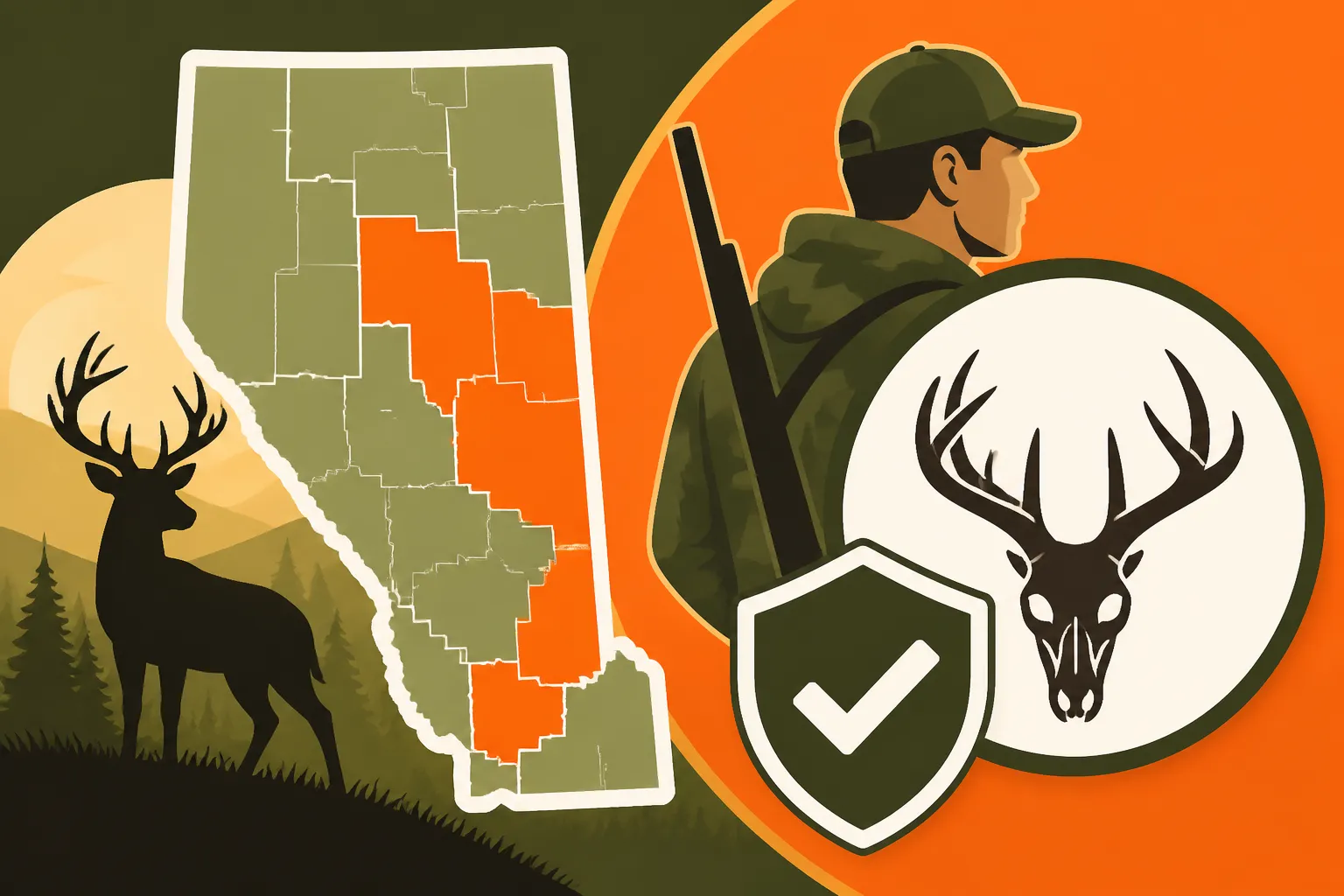
The specific Wildlife Management Units (WMUs) that are designated for mandatory CWD submission can, and often do, change from year to year based on disease prevalence and surveillance needs. This means that what was mandatory last season might not be this season, and vice-versa. Relying on outdated information is a sure way to find yourself out of compliance. The absolute best and most current source for this information is always the official Alberta Hunting Regulations, which are updated annually by Alberta Environment and Protected Areas (AEPA). You can find these regulations online through the AlbertaRELM website or pick up a physical copy wherever hunting licences are sold.
When you're planning your hunt, especially if you're venturing into areas known for CWD activity, it's non-negotiable to consult the most recent regulations. Look for sections specifically detailing CWD surveillance areas and mandatory submission WMUs. Some hunters find digital tools incredibly helpful for this. Apps like GoHunt often integrate current WMU boundaries and CWD submission requirements right into their mapping features, making it easier to check on the fly while scouting or hunting. This helps you identify the boundaries on your digital map, which is crucial as you're Reading an Alberta WMU Map Before You Go. It’s also important to cross-reference with Alberta Big Game Season Dates to ensure you're hunting within the legal window for your chosen species and WMU, and if it falls within a CWD mandatory submission zone.
Species Affected by Mandatory Submission Rules
While CWD can affect all cervid species, the mandatory submission requirements in Alberta primarily focus on white-tailed deer and mule deer. These species are often the first to show higher prevalence rates in affected areas, making them key indicators for tracking the disease. In some WMUs, particularly where CWD is more established or where there's concern about spread to other species, mandatory submission may extend to elk or even moose.
It's vital to check the regulations for the specific WMU you're hunting and the species you intend to harvest. For example, a WMU might have mandatory CWD submission for mule deer, but not for elk, even if both species inhabit the area. Always confirm which species are included in the mandatory testing for your chosen WMU to avoid any misunderstandings or non-compliance after a successful hunt. The regulations will explicitly list the WMU numbers and the species for which submission is mandatory.
What to Do If You Harvest in a Mandatory WMU
Okay, the moment of truth. You’ve harvested an animal in a mandatory CWD submission WMU. What's next? Don't panic! The process, while an extra step, is straightforward if you know what to do. The key is to be prepared and follow the instructions carefully.
First and foremost, you'll need to submit the head of your harvested animal. Specifically, wildlife officials need the lymph nodes at the back of the throat and a section of the brain stem (obex) for testing. This means you should leave the skull plate and brain stem intact when field dressing. You can remove the antlers if you wish, but the head itself, from just behind the jaw forward, needs to be submitted.
Next, ensure you have your hunting licence information and the harvest tag readily available. Each submitted head needs to be clearly tagged with your WIN (Wildlife Identification Number) card details, the species, date of harvest, and the WMU where it was taken. This information is crucial for tracking purposes.
Finally, you’ll need to take the head to a designated CWD drop-off freezer location. These freezers are strategically placed across the province, particularly in and around mandatory WMUs. You can find a list of these locations on the AlbertaRELM website, or often through hunting apps like GoHunt which can show you the nearest drop-off point. Make sure the head is placed in a clean bag to prevent leakage and that all the necessary information is filled out on the provided forms at the freezer site. For a complete list of locations, refer to Where Alberta's CWD Freezers Are. This process ensures that samples are collected efficiently and accurately, contributing to the overall CWD surveillance program.
Practicalities of CWD Sample Submission
The actual act of submitting a CWD sample might seem daunting, but once you've done it a couple of times, it becomes second nature. It's all about being prepared and knowing the logistical details.
Preparing Your Harvest for Submission
Proper preparation of your harvested animal's head is critical for a valid CWD sample. The goal is to ensure the required tissues – specifically the lymph nodes in the throat and a section of the brain stem (obex) – are intact and uncontaminated. When you’re field dressing, you can proceed as normal with gutting the animal. However, when it comes to the head, you need to be mindful.
The general advice is to leave the skull plate and brain stem intact. You can remove the antlers if you wish, but don't cut into the skull or remove the brain. The head should be removed from the animal at the first cervical vertebra (the atlas joint), just behind the skull. Place the head in a clean, sturdy plastic bag to contain any fluids and prevent contamination of your vehicle or other gear. Keep it cool and out of direct sunlight. If you're going to be a few days before reaching a drop-off freezer, freezing the head is recommended. It's also important to remember the rules around Moving a Carcass Out of a CWD Zone, especially regarding high-risk tissues, to prevent any further spread. This care helps ensure the integrity of the sample for accurate testing.
Locating and Using CWD Drop-Off Freezers
Finding a CWD drop-off freezer when you're tired after a hunt can be a pain if you haven't planned ahead. These freezers are unstaffed, self-serve stations, usually located in various communities, often near Fish and Wildlife offices, government compounds, or local businesses that partner with the province.
Before you even head out hunting, especially in a mandatory WMU, take a few minutes to pinpoint the nearest drop-off locations to your hunting area and plan your route. The AlbertaRELM website has an interactive map, and popular hunting apps like GoHunt also usually highlight these locations, providing addresses and sometimes even photos of the drop-off sites.
When you arrive, you'll find a freezer, often a chest freezer, along with submission forms and plastic bags. Clearly label your bagged head with your WIN number, species, date of harvest, and the WMU. Fill out the submission form completely and accurately – this data is vital. Double-check that all information is correct before you seal the bag and place it in the freezer. Remember, these freezers are often shared by many hunters, so ensure your contribution is clean and organized. It's a simple process, but accuracy and cleanliness are key.
Understanding Your CWD Test Results
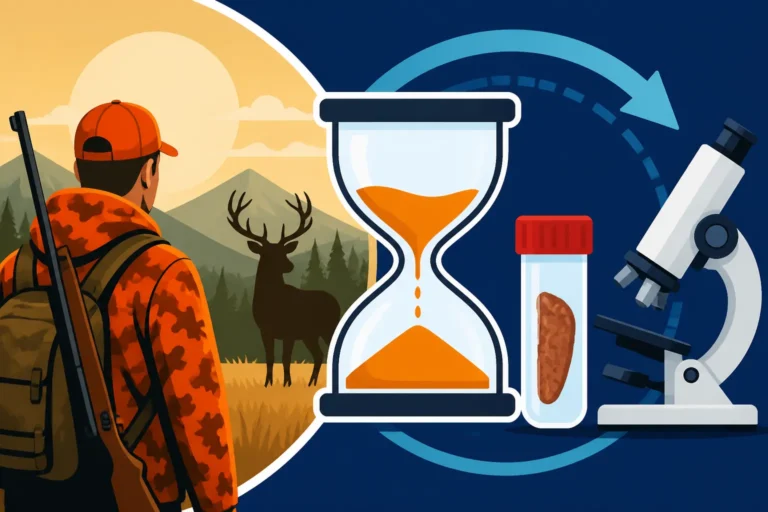
Once you've submitted your animal's head, the waiting game begins. The samples are sent to a lab for analysis, and this process does take time. Generally, you can expect results to be communicated via email or phone within a few weeks, but during peak hunting season, it can sometimes take longer. Don't worry if you don't hear back immediately – the labs are processing a huge volume of samples. You can often check the status of your sample online using your WIN number through the AlbertaRELM portal. Knowing How Long CWD Results Take can help manage your expectations.
If your sample tests negative for CWD, you'll simply receive notification that your animal was CWD-free, and you can proceed with consuming the meat with peace of mind. However, if your animal tests positive for CWD, you will be notified directly by Fish and Wildlife. In this unfortunate event, the recommendation from health authorities is to not consume the meat. While there is currently no confirmed case of CWD jumping to humans, the best practice is to err on the side of caution. Fish and Wildlife will provide specific guidance on What Alberta Does With a Positive CWD Result, which often includes proper disposal methods. This is why the testing is so crucial, allowing hunters to make informed decisions about their harvest.
Hunter Responsibilities Beyond Mandatory WMUs
Even if you’re hunting in a WMU that doesn’t have mandatory CWD submission, you still have an important role to play in managing and preventing the spread of this disease. Conservation is a collective effort, and every hunter's actions contribute to the bigger picture.
Voluntary Testing and Why It Matters
Let's be real, after all the hard work of hunting and field dressing, the idea of voluntarily taking an extra step to submit a sample might not be at the top of your list. However, voluntary CWD testing, even in non-mandatory WMUs, is incredibly valuable. It provides wildlife managers with a broader and more complete picture of CWD prevalence across the province. Think of it as expanding the 'eyes on the ground' for disease surveillance.
Early detection in new areas is critical. If CWD is silently present in a WMU that isn't under mandatory surveillance, voluntary submissions could be the first alert, allowing wildlife agencies to implement targeted actions before the disease becomes widespread. It's a proactive measure that speaks to the true spirit of conservation and ethical hunting. By participating, you’re helping to safeguard not just the deer you harvested, but the health of entire herds in your favourite hunting grounds. It's an investment in the future of hunting in Alberta.
Preventing the Spread of CWD
As hunters, we have a direct impact on the environment and the health of wildlife. Taking simple precautions can significantly reduce the risk of spreading CWD. First, and perhaps most important, understand the rules around carcass disposal. Never dump carcasses haphazardly, especially in areas where other cervids might come into contact with them. If you harvest an animal, especially in an area with CWD, consider boning out the meat in the field to leave behind high-risk tissues like the brain, spinal cord, and spleen. This minimizes the amount of potential prion material that could be transported.
Thoroughly clean all your hunting tools, knives, and equipment with a bleach solution after handling an animal, particularly if it was harvested in a CWD-positive zone. This prevents cross-contamination. Avoid transporting whole carcasses across WMU boundaries, especially from CWD-positive zones to CWD-negative ones. The regulations on Moving a Carcass Out of a CWD Zone are in place for a very good reason. Many hunters find resources like GoHunt useful for quickly checking WMU specific regulations and guidelines regarding carcass handling. These responsible practices are essential to protecting the long-term health of our wildlife and ensuring the sustainability of our hunting heritage.
Staying Informed About CWD Updates
CWD research is ongoing, and as new information becomes available, regulations and best practices can evolve. Staying informed isn't just about compliance; it's about being an educated and responsible steward of our wildlife resources. Make it a habit to check the Alberta Environment and Protected Areas (AEPA) website annually before hunting season. They publish the most up-to-date hunting regulations, including any changes to CWD mandatory submission WMUs or new recommendations.
Subscribing to newsletters from Alberta Fish and Wildlife or reputable hunting organizations can also provide timely updates. Apps like GoHunt are excellent for delivering alerts and integrating regulation changes directly into their platforms. Attend local hunter education clinics or conservation meetings if they're available in your area. These platforms often discuss CWD and other wildlife health issues, providing opportunities to ask questions and learn from experts. Understanding Which Alberta Rules Changed This Year is crucial, and CWD regulations are often among the most dynamic. Your vigilance helps ensure you’re always hunting ethically and legally, contributing positively to Alberta’s wildlife management efforts.
CWD Submission Quick Reference
| Action Item | Description | Key Considerations |
|---|---|---|
| Check Regulations Annually | Before your hunt, verify the current year's Alberta Hunting Regulations for mandatory CWD submission WMUs. | WMUs and affected species can change. Use AlbertaRELM or tools like GoHunt. |
| Field Dress Appropriately | If hunting in a mandatory WMU, plan to remove the head at the atlas joint, leaving the skull plate and brain stem intact. Antlers can be removed. | Essential for a valid sample. Minimizes prion spread if high-risk tissues are left in the field. |
| Prepare the Head for Submission | Place the head in a clean, sturdy plastic bag. Keep it cool or freeze it if there will be a delay in submission. | Prevents leakage and contamination. Ensures sample integrity. |
| Locate Drop-Off Freezers | Identify the nearest designated CWD drop-off freezer locations to your hunting area before your hunt. | Websites (AlbertaRELM) and apps (like GoHunt) provide maps and addresses. |
| Complete Submission Form | At the freezer site, fill out all required information accurately, including your WIN, species, harvest date, and WMU. | Critical for data tracking and receiving your results. |
| Monitor Test Results | You'll typically be notified via email or phone within weeks. Results can often be checked online with your WIN. | Understand How Long CWD Results Take. If positive, What Alberta Does With a Positive CWD Result will be communicated along with health recommendations. |
| Practice Responsible Carcass Handling | Even in non-mandatory WMUs, consider boning out meat in the field to leave high-risk tissues. Properly dispose of carcass parts. Clean tools thoroughly. | Helps prevent How CWD Spreads Through a Deer Herd. Avoid Moving a Carcass Out of a CWD Zone improperly. |
| Consider Voluntary Submission | If hunting in a non-mandatory WMU, consider submitting a sample voluntarily to aid surveillance efforts. | Contributes valuable data for overall CWD management and early detection. |
Disclaimer
The information provided in this guide is intended for general informational purposes only and does not constitute legal advice. Hunting regulations in Alberta are subject to change, and it is the hunter's sole responsibility to consult the most current official Alberta Hunting Regulations published by Alberta Environment and Protected Areas (AEPA) or relevant government authorities before engaging in any hunting activities. Always prioritize safety, ethical hunting practices, and compliance with all local, provincial, and federal laws and regulations.