Alberta Non-Resident Deer Licence Cost
Planning a deer hunt in Alberta as a non-resident can feel like navigating a maze, especially when it comes to understanding all the associated costs. It's not just about the deer tag itself; there's a whole framework of mandatory fees, permits, and planning expenses that can quickly add up and catch you off guard. This guide will meticulously break down the actual cost of an Alberta Non-Resident Deer Licence and all the other necessary expenditures, ensuring you can budget accurately for your dream hunt.
Understanding Alberta's Non-Resident Hunting Framework
Why the Costs Are Different for Non-Residents
It's a common point of frustration for hunters from outside Alberta: why does it cost so much more for them to hunt here? This isn't just about an arbitrary markup; it's rooted in wildlife management principles and the funding structure of conservation efforts. Alberta's wildlife resources are primarily managed for its residents, who contribute through various taxes and provincial fees year-round. Non-resident fees are designed to ensure that those who don't contribute to the province's tax base are still contributing fairly to the substantial costs of wildlife conservation, habitat preservation, and enforcement.
Think about it this way: maintaining healthy deer populations, managing public lands, and running game warden patrols all come with a hefty price tag. These higher fees help offset those costs, ensuring that Alberta's incredible hunting opportunities remain viable for everyone, while also managing pressure on certain game populations. It's not about exclusion, but about sustainable resource management and equitable contribution. The difference in cost also reflects the demand for Alberta's highly sought-after hunting opportunities, drawing hunters from across North America and beyond.
The Core Licence Components You Need
Before you can even think about which deer you're chasing, there are a few foundational pieces of paperwork and associated costs that every non-resident hunter needs to secure. These aren't optional; they're the absolute prerequisites to legally hunt anything in Alberta. First and foremost, you'll need an Alberta Wildlife Identification Number, or WIN Card. This is your personal hunting identifier, and it's something you'll keep for life, renewing it periodically. It's similar to a social security number for hunting, linking all your licences and harvest reports. The initial purchase of a WIN Card carries a small fee, which contributes to the administrative costs of the system.
Then there's the Wildlife Certificate, which acts as your general licence to hunt big game and other species, covering the administrative costs of managing the hunting system. This certificate is mandatory for all hunters pursuing big game in the province, including deer. Without the WIN Card and the Wildlife Certificate in place, buying any actual game species licence, including a deer licence, is impossible. It's like needing a driver's license before you can legally operate a specific type of vehicle. Understanding these initial steps is crucial for anyone looking to hunt in Alberta, and they represent the first financial commitments in your hunting journey. You can find detailed information on Alberta's WIN Card and Wildlife Certificate to get a clear picture of these essential documents and their current fees.
Breaking Down the Costs for a Non-Resident Deer Hunter
The Mandatory Base Costs
Let's get down to brass tacks regarding what you absolutely must pay before you even start considering the deer tag itself. As mentioned, the WIN Card is essential. For a non-resident, the initial purchase will have a specific fee, typically in the range of $10-$15 CAD. While it's a one-time purchase for the card itself, there's a renewal fee every five years or so to keep your profile active. This minimal fee helps maintain the database of hunters.
Next up is the Wildlife Certificate. This certificate, which is mandatory for all big game hunters, has a non-resident specific price that is notably higher than the resident fee. Expect this to be in the range of $70-$100 CAD annually. These two items alone represent a significant portion of your upfront costs, regardless of whether you're chasing whitetails or mule deer. They are the non-negotiable entry points into hunting Alberta. It’s vital to factor these in first, as they form the bedrock of your hunting budget. Even when you're using advanced mapping and research tools like those offered by GoHunt to scout potential areas, these administrative fees are universal and must be accounted for early in your planning.
Deer Licence Options and Their Price Tags
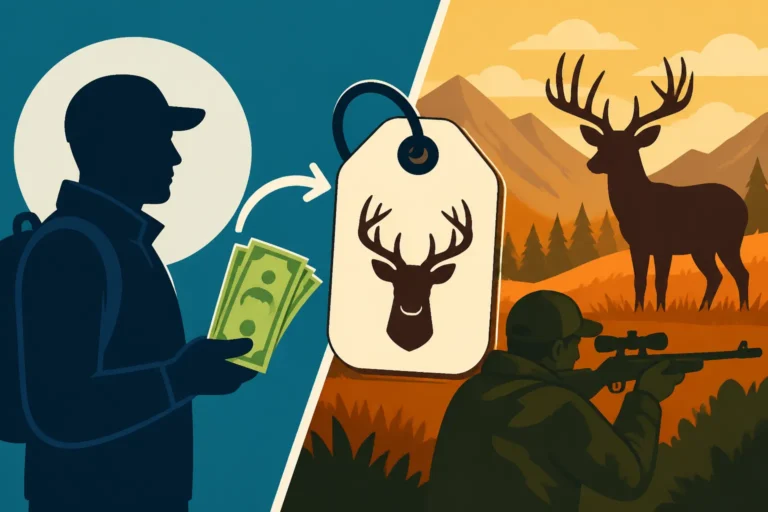
Now for the main event: the actual deer licence. For non-residents, Alberta offers different deer licence options, primarily for white-tailed deer and mule deer. It's crucial to understand that these come with distinct price tags, reflecting the demand, management costs, and typical success rates associated with each species. A non-resident white-tailed deer licence, for example, will have a set fee, often ranging from $250-$350 CAD for an antlered tag. Similarly, a non-resident mule deer licence will have its own cost, frequently falling within the same price range for an antlered tag.
These are general tags, often available over the counter, meaning you don't need to apply through a draw system to acquire them, unlike many resident-only opportunities or antlerless licences. However, it's always important to verify current regulations for specific WMUs and seasons, as some areas might have antlerless opportunities available only through special draws, which would incur a separate application and licence fee if successful. The prices are set annually and can see slight adjustments, so always check the most current Alberta hunting regulations guide before planning your budget. These licence fees are the largest single expense for most non-resident deer hunters, so ensure you have the correct figure for the species you intend to pursue. The exact Alberta Non-Resident Deer Licence Cost is a critical piece of information that fluctuates, so always confirm with the official government sources.
Here's a simplified breakdown of typical non-resident costs (approximate and subject to change annually, always verify with official Alberta regulations):
| Item | Approximate Non-Resident Cost (CAD) | Notes |
|---|---|---|
| WIN Card (New Purchase) | $10-$15 | One-time purchase, renewable every 5 years. |
| Wildlife Certificate | $70-$100 | Annual mandatory certificate for big game hunters. |
| White-tailed Deer Licence | $250-$350 | Specific to antlered or antlerless draws/general season. |
| Mule Deer Licence | $250-$350 | Specific to antlered or antlerless draws/general season. |
| Federal Migratory Bird Stamp | $17-$20 | Only if hunting migratory birds (e.g., ducks, geese) as well. |
| Firearm Declaration (CFSC) | $25 | Mandatory for importing firearms into Canada. |
Note: All prices are subject to change and should be verified with the official Alberta hunting regulations at the time of purchase.
Additional Fees and Considerations
Beyond the primary licences, there are several other costs that a non-resident hunter needs to factor into their budget. If you're bringing your own firearm across the border into Canada, you'll need to complete a Non-Resident Firearm Declaration Form (RCMP 5589) at your port of entry. There's a fee associated with this, typically around $25 CAD, and it's absolutely non-negotiable for importing your rifle or shotgun. Failure to declare your firearm or completing the form incorrectly could lead to serious legal issues and seizure of your property. This fee covers the administrative processing of your declaration.
Another significant cost for non-residents, particularly those from outside Canada (Non-Resident Aliens), is the mandatory requirement to hunt with either a designated Hunting Alberta With a Hunter Host or a licensed outfitter. This isn't a licence fee per se, but the cost of engaging a hunter host or booking with an outfitter will undoubtedly be the largest expense of your entire trip, dwarfing the actual licence costs. While a hunter host might be a generous friend, able to provide their services without a commercial fee (though you would typically cover their expenses), an outfitter's fees can range from several thousands to tens of thousands of dollars, depending on the species, duration, and services included. Furthermore, don't forget the practical expenses: travel (fuel, flights), accommodation, food, specialized gear for Alberta's diverse terrains and weather, meat processing, and potentially taxidermy. These 'hidden' costs can easily double or triple your initial licence budget. Utilizing comprehensive resources like GoHunt's detailed maps and planning tools can help you identify remote camps or accessible areas, potentially saving on some of these logistical costs, but the core fees remain.
Navigating the Purchase Process and Planning Your Budget
Where to Buy Your Licences
The process for purchasing your Alberta hunting licences is fairly streamlined, but it’s essential to know where to go to avoid delays. The primary portal for all hunting and fishing licences in Alberta is the official provincial online system, found at albertarelm.com. This website allows you to create your WIN Card profile, purchase your Wildlife Certificate, and then select your specific deer licences. It's user-friendly and provides all the necessary information, making it the most convenient option for non-residents planning from outside the province.
Alternatively, you can also purchase licences in person at various authorized licence issuers across the province, typically sporting goods stores, hardware stores, or convenience stores that are registered agents. However, for non-residents planning from afar, the online platform is usually the best bet. Just make sure you initiate the process well in advance of your hunt, especially if it's your first time, to account for any potential issues or technical glitches. Remember, your WIN Card needs to be active before you can buy any tags, so get that sorted first. Checking Buying Licences on albertarelm.com will give you a direct link and detailed instructions on navigating the online purchase system.
How to Budget Beyond the Licence Fee
Thinking that the licence fee is the bulk of your hunting expense is a common oversight for non-residents. The reality is that the actual deer tag is often a small fraction of the total cost of an Alberta hunt. A truly comprehensive budget needs to stretch far beyond the initial purchase. Consider your travel expenses: flights to Calgary or Edmonton, then car rental or shuttle services to your hunting area. If you're driving from another province or state, factor in fuel costs, which can be substantial across Alberta's vast landscapes.
Accommodation is another big one, whether it's hotels, cabin rentals, or the cost of an outfitter's camp. Don't forget food and provisions for your trip, which can quickly add up, especially if you're in remote areas. Then there's hunting gear – are your boots worn out? Do you need new cold-weather clothing for a late-season hunt, as temperatures can drop significantly? What about optics, specialized navigation equipment, or first-aid supplies? And after the hunt, consider meat processing fees, potential shipping costs for meat or antlers back home (which can be surprisingly expensive), and taxidermy if you get a trophy. Tools like GoHunt can help you assess the logistics of your chosen WMU, allowing you to estimate fuel and accommodation needs more accurately. Overlooking these practical expenses can lead to unexpected financial strain during your trip, so meticulous planning is key to enjoying your time afield.
Tools and Resources for Non-Resident Hunters
In today's digital age, there are fantastic resources available to help non-resident hunters plan their Alberta adventure and manage their budget. Beyond the official AlbertaRELM website, online mapping platforms are invaluable. Companies like GoHunt provide detailed topographic maps, satellite imagery, and often overlays for public/private land, which can be critical for planning your access and understanding the terrain in your chosen Wildlife Management Unit (WMU). GoHunt, specifically, offers extensive information that can assist in scouting from afar, helping you identify potential hunting spots, access points, and even challenging terrain that might require specialized gear or more robust planning.
Additionally, online forums and social media groups dedicated to Alberta hunting can be excellent sources of real-world advice and recent information regarding regulations, conditions, and outfitter reviews. It’s always smart to cross-reference information, but these community resources can offer practical insights that official guides sometimes miss. Look into comprehensive guides such as Rules for Non-Residents Hunting Alberta to ensure you're fully prepared for the regulatory landscape. These resources are designed to demystify the process and help you feel confident and prepared for your hunt.
Key Regulations and What They Mean for Your Wallet
Hunter Host vs. Outfitter Requirements
One of the most significant regulatory differences impacting non-resident hunters in Alberta is the mandatory requirement to hunt with either a "Hunter Host" or a licensed "Outfitter." For non-Canadian residents (Non-Resident Aliens), this isn't optional; it's a legal necessity. This rule is in place for various reasons, including safety, responsible resource use, and to ensure that non-residents have proper guidance in unfamiliar territory and understand local regulations.
If you have a friend or family member who is an eligible Alberta resident and willing to act as your Hunter Host, this can significantly reduce your overall costs, as the host generally provides their services without a commercial fee (though you would, of course, cover their expenses for the trip). However, if you don't have this option, you must book with a licensed outfitter. The cost of an outfitted hunt, as touched on earlier, will be the single largest expense of your trip, potentially costing thousands of dollars for a deer hunt, depending on the outfitter's rates, the services provided, and the length of the hunt. Understanding When You Must Hunt With a Guide is paramount, as this decision fundamentally shapes your budget and the nature of your hunting experience. Always verify the eligibility of any potential Hunter Host and ensure your chosen outfitter is fully licensed and reputable.
Important Rules That Impact Your Spend
Beyond the direct licence fees and the hunter host/outfitter requirement, several other regulations can subtly impact your hunting budget. For instance, Alberta has specific rules regarding blaze orange clothing. Ensuring you have the correct, high-visibility attire (a solid patch of blaze orange on your head, back, and chest visible from all directions) is a small but necessary expense for safety and compliance. Failure to comply can result in fines.
Furthermore, if you're targeting deer in specific WMUs that are part of the Chronic Wasting Disease (CWD) surveillance program, there might be mandatory CWD testing requirements for your harvested animal. While the testing itself is usually free, the effort and time required to properly collect samples or submit the head to a designated freezer location can add to your logistical costs. Transportation rules for game meat and proof of sex are also critical; improperly handled or documented game could lead to fines and forfeiture, ruining your investment and all the money you spent on the hunt. Even things like legal Rules on Rifle Calibres for Big Game can affect your budget if you need to purchase a new firearm or specific ammunition for your hunt to ensure you are compliant. Being fully informed about all these regulations, well beyond just the licence costs, ensures a smooth, legal, and ultimately more enjoyable hunting experience in Alberta. Checking Alberta's CWD Testing Requirements will help you understand if your chosen area is affected and what your responsibilities are.
Disclaimer
The information provided in this guide is for general informational purposes only and does not constitute legal advice. Hunting regulations, licence costs, and requirements in Alberta are subject to change by the provincial government and related authorities without notice. It is the sole responsibility of every hunter to consult the most current official Alberta hunting regulations guide and relevant federal laws before planning and undertaking any hunting activities. Always prioritize safety and legal compliance.