Moving a Carcass Out of a CWD Zone
Navigating the intricate rules surrounding game carcass transport in Alberta can feel like another layer of complexity layered onto an already challenging hunt, especially when you’re dealing with Chronic Wasting Disease (CWD) zones. It’s frustrating to have a successful hunt only to be left scratching your head about whether you can legally get your hard-earned meat home. This guide is here to meticulously break down the regulations and best practices for moving a harvested carcass out of an Alberta CWD zone, ensuring you stay compliant and help prevent the spread of this serious wildlife disease.
Understanding Alberta's CWD Zones and Regulations
It’s easy to feel overwhelmed by all the regulations that come with hunting in Alberta, and CWD adds a whole new dimension of responsibility. But understanding the 'why' behind these rules makes it a lot easier to adhere to them.
What is CWD and Why Does it Matter for Carcass Movement?
Chronic Wasting Disease (CWD) is a neurological disease that affects cervids—animals like deer, elk, and moose. It's caused by abnormal proteins called prions that accumulate in the brain and other tissues, slowly degenerating the nervous system. The kicker? It's always fatal, and there's currently no vaccine or treatment. While there's no direct evidence of CWD transmitting to humans, health authorities strongly advise against consuming meat from infected animals. The disease spreads through direct contact between animals, but also through contaminated environments where infected carcasses, urine, or saliva have been.
This is precisely why carcass movement is such a hot topic. High-risk materials like the brain, spinal cord, lymph nodes, spleen, and eyes contain the highest concentrations of these prions. If an infected carcass is moved from one area to another without proper precautions, it can introduce CWD to new populations and contaminate previously unaffected landscapes. Alberta Environment and Parks (AEP) has implemented strict rules to slow the spread, protecting our wildlife and the future of hunting. For a deeper dive into the disease itself, you might find our guide on What CWD Is Doing to Alberta Deer particularly insightful.
Identifying Designated CWD Surveillance Zones
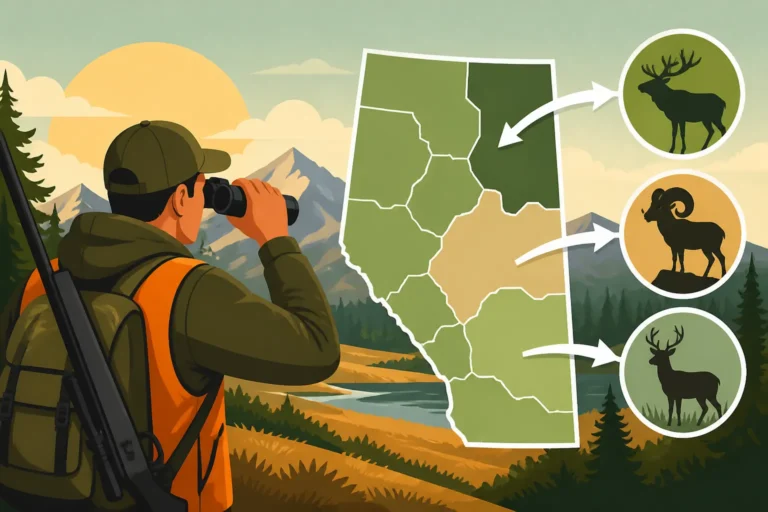
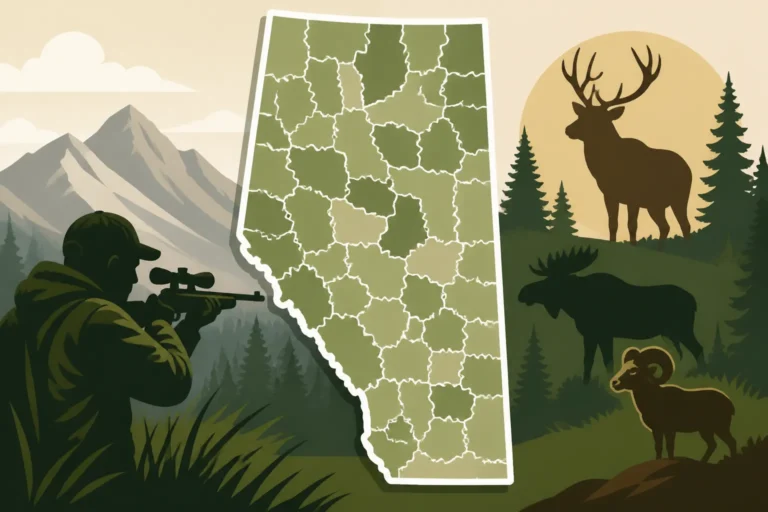
The first hurdle, and often the most confusing, is simply knowing if you're even in a CWD zone. Alberta's CWD surveillance zones are specifically defined by Wildlife Management Units (WMUs), and these aren't static; they can change based on disease prevalence and new detections. These zones are areas where CWD has been detected or is deemed a high risk for spread, necessitating mandatory CWD testing of harvested animals.
You’ll typically find these zones concentrated in the southeastern and central parts of the province, but they can extend into other regions as well. For example, WMUs like 204, 206, 728, and 730 are often cited as areas with CWD prevalence. It's absolutely crucial to check the most current Alberta Hunting Regulations every season, as boundaries and requirements are updated annually. Many hunters rely on digital mapping tools like the GoHunt app or the official AEP website to confirm their exact location within a WMU. Before you even head out, take the time to read your specific WMU on an up-to-date map. Our article on Reading an Alberta WMU Map Before You Go can help you with this crucial pre-hunt planning.
Legal Carcass Transport Rules from a CWD Zone
Once you've successfully harvested an animal in a CWD zone, the regulations shift from hunting to handling. This is where many hunters get tripped up, but it doesn't have to be complicated if you know the specifics.
Acceptable Carcass Parts for Transport
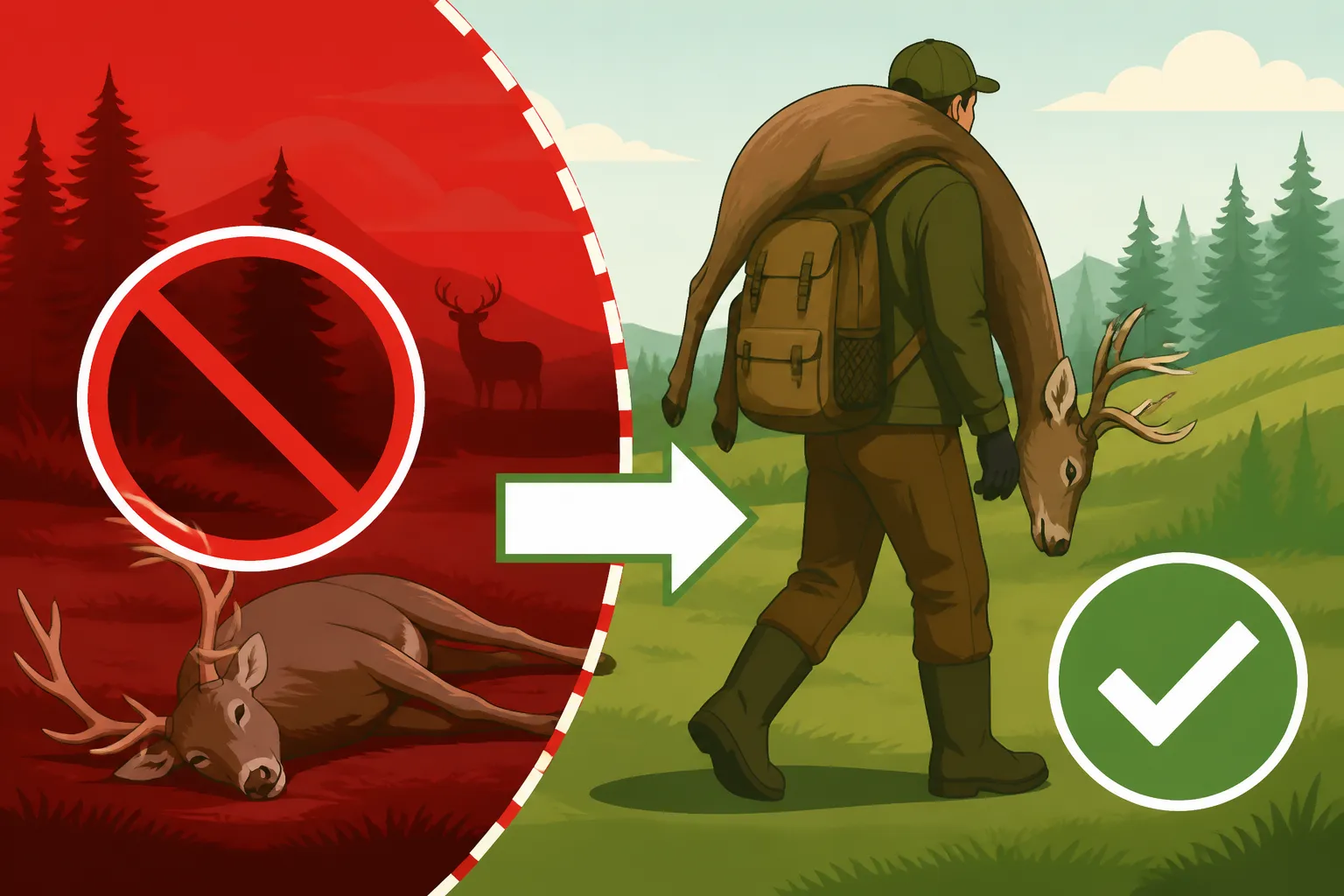
The core principle behind CWD carcass transport rules is to leave the "high-risk" parts of the animal in the WMU where it was harvested, thereby minimizing the chance of spreading prions to new areas. So, what can you take home?
You are generally permitted to transport the following out of a CWD mandatory submission zone:
- Deboned Meat: This is the safest and most recommended method. All meat that is completely removed from the bone and processed into cuts is good to go.
- Skull Plate with Antlers: If you want to keep your antlers, you can transport the skull plate, but it must have all brain tissue, eyes, and any attached soft tissue thoroughly removed and disposed of in the WMU of harvest.
- Cleaned Skull: Similar to the skull plate, a full skull can be transported only if all brain matter, eyes, and soft tissues have been meticulously removed.
- Hide: The hide can be transported.
- Quarters: Some regulations permit quarters with the bone in, but only if the spinal column and associated nervous tissues are completely removed from the spine. This means no spinal cord, brain, or associated lymphatic tissues are attached. However, deboning is often simpler and safer.
What you cannot transport is any part of the carcass that contains the brain, spinal cord, eyes, spleen, or lymph nodes still attached, especially the whole head or backbone, unless it’s being taken directly to a designated CWD collection site within or bordering the CWD surveillance zone. Make sure you are also familiar with the general rules for Transporting Game Meat and Proof of Sex to avoid any issues.
The "Head Submission" Requirement and Transport
In specific WMUs that are part of the CWD surveillance program, submitting the head of harvested deer and elk for testing is mandatory. This is a crucial part of Alberta's effort to monitor and manage the disease. If you harvest an animal in one of these designated WMUs, you are legally required to submit the head.
Here's how it typically works:
- Tagging: Immediately after harvest, you must attach your tag to the animal. For CWD submission, you'll need to fill out a separate CWD sample submission form, clearly indicating the WMU of harvest, date, species, sex, and your WIN card number. Accuracy is paramount here.
- Preparation for Submission: The head (with antlers attached if applicable) needs to be brought to a designated CWD freezer location. Ensure the head is handled carefully to avoid contamination of other parts of the carcass you plan to keep. The neck should be cut at the first vertebra below the skull to ensure enough brainstem material remains for testing.
- Transport to Freezer: You can transport the head (with the brainstem) directly from the kill site to an approved CWD freezer location which are strategically placed around the province, often near CWD zones. This is one of the few exceptions for transporting high-risk materials out of the immediate kill site. Once it's at the freezer, you deposit the head and the completed submission form. You can find up-to-date locations for these collection sites on the AEP website or via hunting apps. Our guide on Where Alberta's CWD Freezers Are lists these locations to help you plan. It's wise to plan this transport before your hunt, especially if you're in a remote area, as not all zones have immediate access to a freezer.
A table outlining common carcass parts and their transport regulations might be helpful:
| Carcass Part | Permitted for Transport from CWD Zone? | Specific Requirements/Notes |
|---|---|---|
| Deboned Meat | Yes | All meat must be removed from bone. |
| Skull Cap (with antlers attached) | Yes | Brain tissue, eyes, and all soft tissue MUST be thoroughly removed and disposed of in the harvest WMU. |
| Cleaned Skull (full) | Yes | All brain matter, eyes, and soft tissue MUST be thoroughly removed and disposed of in the harvest WMU. |
| Hide | Yes | No specific preparation beyond typical skinning. |
| Quarters (bone-in) | Yes, with caveats | Spinal column and associated nervous tissues MUST be completely removed. Deboning is generally safer and recommended. |
| Whole Carcass (including backbone/brain) | No | Must NOT be transported out of CWD zone, unless taken directly to an approved CWD freezer for mandatory submission. |
| Brain, Spinal Cord, Spleen, Lymph Nodes, Eyes | No | Considered high-risk materials; must be left at kill site or deposited at an approved CWD collection facility (if part of head submission). |
Always double-check the current Alberta Hunting Regulations, as rules can evolve based on scientific understanding and disease spread. For more specific information on where these rules apply, consult Which WMUs Require a Deer Head Submission.
Best Practices for Field Dressing and Preparation in CWD Zones
Even with the regulations in mind, the actual execution in the field can be daunting. Planning ahead for efficient and compliant carcass processing is key to a smooth hunt and a clean conscience.
Minimizing Risk During Field Dressing
When you’re in a CWD zone, your field dressing technique becomes more than just about cooling the meat; it’s about disease management. The goal is to leave as much of the high-risk material at the kill site as possible, minimizing its movement.
Here’s a detailed approach:
- Wear Gloves: Always use disposable gloves during field dressing. This isn't just for CWD prevention but also for general hygiene and protecting yourself from other potential pathogens.
- Evicerate Carefully: When opening the body cavity, be mindful not to puncture intestines or the stomach, as this can spread contents. Remove the internal organs as usual.
- Leave High-Risk Materials: The spleen, tonsils, and any obvious lymph nodes (often near the jaw or in the abdominal cavity) are considered high-risk. Dispose of these, along with the gastrointestinal tract, brain, and spinal column, at the kill site. Digging a small hole and burying them, if possible and practical, is a good option to deter scavengers, though regulations on burying carcasses can vary, so always refer to the specific rules for the area.
- Boning Out in the Field: This is the safest and most compliant method for getting meat out of a CWD zone. It involves completely removing all muscle tissue from the bone at the kill site. You'll need sharp knives, a game saw (for the pelvis/sternum if needed, though for deboning, this is less critical), and sturdy game bags. Lay out a tarp or ground cloth to keep the meat clean. Systematically remove each muscle group, carefully inspecting for any attached lymph nodes or other tissues and removing them. Package the deboned meat into breathable game bags for cooling and transport. For those late-season hunts, our guide on Field Dressing in Alberta's Deep Cold offers practical tips that can be adapted for CWD zones.
Transporting Processed Meat and Skull Plates
Once you've done the hard work of field dressing and deboning, proper transport ensures your efforts aren't wasted and you remain compliant.
- Meat Packaging: Deboned meat should be kept cool and clean. Use quality game bags to protect it from dirt and insects. In cooler weather, natural air circulation is often sufficient for initial cooling, but in warmer temperatures, you'll need ice or a walk-in cooler as soon as possible. Transport the meat in clean coolers or insulated containers. Ensure it's not sitting in pooled water from melted ice. For comprehensive advice, check out Meat Care in Alberta's Cold and Warm Swings.
- Skull Plate/Cleaned Skull: If you're keeping the skull plate or full skull for a trophy, the cleaning process is paramount. After cutting off the head (ensuring the brainstem is available for CWD submission if mandatory), all brain tissue must be scooped out thoroughly. The eyes must be removed. Then, meticulously scrape and clean all remaining soft tissues, muscle, and membranes from the skull plate or entire skull. A pressure washer can be very effective for this. Some hunters will then boil or macerate the skull to ensure it's completely clean of all organic material before transporting it home or to a taxidermist. Remember, the goal is no visible brain or soft tissue. The GoHunt app often has resources or links to specific cleaning protocols for CWD zones.
- Hides: Hides can be transported without extensive cleaning, but like any other game product, keeping it clean and cool will prevent spoilage. If you plan to salt it, do so once you're out of the CWD zone and have it home or at a tannery.
Practical Considerations and Common Pitfalls
Dealing with CWD regulations adds another layer of planning to your hunt. Being prepared and understanding potential issues will make your experience much smoother.
Planning Your Hunt Around CWD Regulations
Effective planning starts long before you pull the trigger. Ignoring CWD regulations can lead to fines, confiscation of your harvest, and contributing to the spread of disease – none of which any ethical hunter wants.
- Pre-Hunt Research: Before you even pack your truck, identify if your chosen WMU falls within a CWD mandatory submission zone. The Alberta hunting regulations are your bible for this. Use mapping tools like GoHunt to visualize WMU boundaries and confirm your hunting location. This helps you understand Alberta's 219 Wildlife Management Units and their specific rules.
- Equipment for Field Processing: If you're hunting in a CWD zone, bring the necessary tools to completely debone an animal in the field. This includes a high-quality field dressing kit, multiple sharp knives, a knife sharpener, disposable gloves, a bone saw (optional if strictly deboning), and ample, breathable game bags. A lightweight tarp or ground sheet can also be invaluable for keeping meat clean during the process.
- Contingency Plans for Large Animals: Boning out a deer is one thing, but a bull elk or moose presents a much larger challenge, especially if you're alone or in difficult terrain. Plan for how you'll manage this. Do you have enough help? Are you familiar with the technique? Could you quarter it carefully while removing the spine, if regulations allow and you're confident in doing it correctly? Knowing how to deal with a large animal, potentially even having to get it out on a frozen trail, is crucial.
What to Do If You Harvest an Animal Near a CWD Zone Boundary
Boundary lines can be tricky, especially in the field where natural features don't always align with precise WMU maps. The GoHunt app with its GPS capabilities is a game-changer for knowing your exact location relative to a WMU boundary.
- Know Your Location: Always be aware of your position relative to WMU boundaries. If you harvest an animal close to a boundary and are unsure if it was taken inside or outside a CWD mandatory submission zone, err on the side of caution. Assume you are in the CWD zone and follow the more stringent regulations for carcass transport and head submission.
- Consequences of Non-Compliance: Disregarding CWD regulations can lead to significant penalties, including substantial fines and forfeiture of your harvested animal. Beyond the legal ramifications, there's the ethical responsibility. As hunters, we have a duty to conserve wildlife, and preventing the spread of CWD is a critical part of that. Understanding Alberta Penalties for Hunting Violations can underscore the importance of strict adherence to these rules.
Utilizing Alberta's CWD Resources and Support
Alberta Environment and Parks (AEP) provides a wealth of information and resources to help hunters comply with CWD regulations. Their website is the official source for the most up-to-date hunting regulations, CWD zone maps, and locations of CWD freezer sites.
- AEP Website: This should be your first stop for current information. Look for sections on CWD surveillance, mandatory head submission, and carcass transport guidelines. They also provide maps that clearly delineate CWD zones.
- CWD Program Goals: Remember that the CWD surveillance program isn't designed to make hunting harder; it's a vital tool for understanding disease prevalence and protecting Alberta's cervid populations. By participating, you're contributing to valuable scientific data that informs management decisions. The more heads submitted, the clearer the picture of CWD in the province, helping to secure healthy herds for future generations.
It might feel like a lot of extra work, but ensuring the proper handling of your harvested game from a CWD zone is a small price to pay for the long-term health of our wildlife and the hunting opportunities we cherish.
Disclaimer
The information provided in this guide is for general informational purposes only and is not a substitute for the official Alberta hunting regulations. Always consult the current Alberta Hunting Regulations, available on the Alberta Environment and Parks website or at license vendors, before planning and executing your hunt. Regulations can change annually, and it is the hunter's responsibility to know and follow all applicable laws.