Alberta’s Report a Poacher Line
It’s a gut-wrenching feeling, isn't it? You spend countless hours scouting, learning the land, and respectfully pursuing Alberta's incredible wildlife, only to hear whispers or witness firsthand someone disrespecting those animals and the regulations we all live by. Poaching isn't just breaking a rule; it's stealing from every ethical hunter and future generation. This guide is here to empower you with the knowledge of Alberta's Report a Poacher Line, detailing how it works, what to report, and why your vigilance is absolutely critical.
The Urgent Need for the Report a Poacher Line
Let's be honest, seeing or suspecting poaching leaves a bitter taste. It undermines the very spirit of fair chase and conservation that most of us hold dear. The Report a Poacher Line isn't just a phone number; it's a vital tool in protecting our shared wildlife resources from those who choose to operate outside the law. This isn't about snitching on a fellow hunter; it’s about upholding the integrity of hunting and ensuring the sustainability of our game populations.
Understanding What Constitutes Poaching
Sometimes, it’s not immediately clear if something is poaching or just a misunderstanding. Poaching broadly refers to the illegal hunting, killing, or capturing of wild animals. This can encompass a huge range of activities, from hunting without a proper licence, harvesting animals outside of legal season dates, exceeding bag limits, or hunting in prohibited areas like private land without permission. It also includes things like shooting from a public road, using illegal weapons, or even abandoning game meat, which falls under Rules on Wasting Game Meat.
Think about it this way: every regulation we have, from season dates to weapon restrictions, is designed to manage wildlife populations and ensure ethical hunting practices. When someone ignores these, they disrupt that balance. For example, taking an animal out of season means it might be a sow with young or a buck not yet mature enough to breed effectively within the herd. Illegal hunting can directly impact local game numbers, affecting everyone who relies on healthy wildlife populations, whether for sustenance, recreation, or simply the joy of seeing them thrive.
Why Your Vigilance is Essential for Conservation
Conservation isn't just about drawing boundaries and setting limits; it's also about enforcing them. Alberta Fish and Wildlife officers do incredible work, but they can't be everywhere at once. That's where you, the eyes and ears of the hunting community, come in. When you report suspicious activity, you're not just reporting a crime; you're contributing directly to the enforcement efforts that protect our wildlife. Every report helps build a clearer picture of poaching hotspots, illegal activities, and trends that enforcement agencies can then tackle more effectively.
Consider the cumulative effect: a few isolated poaching incidents might seem minor, but widespread illegal activity can severely depress local populations of deer, moose, elk, or bears. This impacts not only the animals themselves but also the ethical hunters who follow the rules, reducing their opportunities and damaging the reputation of hunting as a whole. Your call to the Report a Poacher Line is a direct act of conservation, ensuring that the regulations, like those for Alberta's CWD Positive Rate Last Season which dictates mandatory head submissions in certain areas, are respected and our wildlife is safeguarded.
How Alberta's Report a Poacher Line Works
When you see something that doesn't feel right, knowing who to call and what to do next is crucial. Alberta's Report a Poacher Line is designed to make it as straightforward as possible for concerned citizens to contribute to wildlife enforcement efforts. It’s a dedicated, confidential service managed by Alberta Fish and Wildlife Enforcement.
Making the Call: The Dedicated Hotline
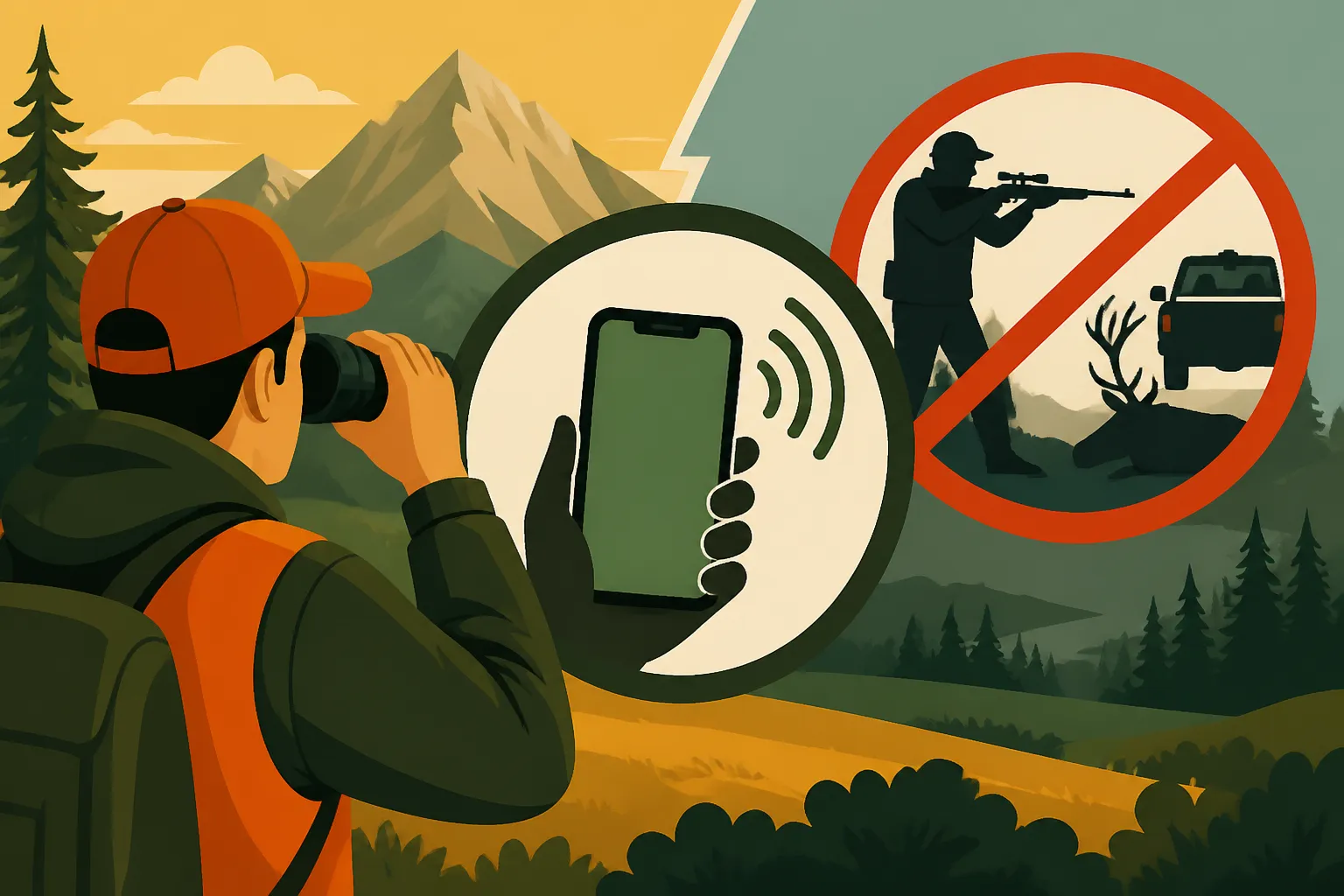
The primary way to report poaching in Alberta is by calling the dedicated 24-hour Report a Poacher line: 1-800-642-3800. This toll-free number connects you directly to a system that dispatches information to enforcement officers in the relevant area. It’s imperative to remember this number or have it stored in your phone, especially when you're out in the field. Don't hesitate to call, even if you're not 100% sure. It's always better to let the professionals investigate.
When you call, you'll speak with a trained operator who will ask you for details about what you've observed. They are there to gather as much information as possible to help officers investigate effectively. The process is designed to be efficient, but it's important to provide clear and concise information. Think of it as providing puzzle pieces to help them put together the full picture. You can remain anonymous if you wish, which is a major comfort for many who are hesitant to get involved. Your identity is protected, allowing you to report without fear of retribution.
Alternative Reporting Methods and When to Use Them
While the 1-800 line is the primary method, there are other situations or means you can use depending on the urgency and nature of the incident.
- For Immediate Threats or Emergencies: If you witness an active, dangerous situation, such as someone brandishing a firearm recklessly, threatening individuals, or causing direct harm to people, call 911 first. While related to wildlife, these immediate threats fall under emergency services, and they can then involve Fish and Wildlife officers as needed.
- Online Reporting: For less urgent matters, or if you prefer a digital route, you can often submit reports online through the Alberta Environment and Parks website. Look for sections related to Fish and Wildlife Enforcement or submitting public complaints. This might be suitable for past incidents you've only just discovered, like an abandoned gut pile that suggests a wasted animal, or persistent illegal activity you've noticed over time, but not an active event.
- Local Fish and Wildlife Offices: If you have specific, non-urgent questions or want to report something in person, you can contact your local Fish and Wildlife office during business hours. However, for actual poaching incidents, the 1-800 number is generally the most effective and direct route to get officers on the case quickly. It's often linked more directly to officer dispatch.
It's also worth noting that some hunting apps, like GoHunt, provide detailed mapping and land ownership information. While they don't have a direct "report poaching" button, they can be invaluable for gathering critical location data (coordinates, property lines) if you witness something illegal, which you can then relay to the Report a Poacher line.
What Information to Provide When Reporting Poaching
When you call the Report a Poacher line, the more accurate and detailed information you can provide, the better. Officers rely on these details to investigate effectively and increase the chances of catching offenders. It's not about being a detective, but about being a good observer.
Crucial Details for Effective Investigation
Think of yourself as an objective reporter. The operator will guide you, but having these key pieces of information ready will make your call much more impactful:
- What happened? Clearly describe the illegal activity you witnessed or suspect. Was it someone shooting out of a truck? Someone packing out an extra deer? A group hunting during a closed season? Be specific.
- When did it happen? Provide the date and exact time if possible, or an estimate if it was an older incident. "Yesterday morning around 8:30 AM" is far more useful than "sometime this week."
- Where did it happen? This is perhaps the most critical piece of information. Provide specific locations:
- GPS Coordinates: If you have a GPS device or a mapping app like GoHunt, jot down the precise latitude and longitude.
- Landmarks: Reference nearby roads, major intersections, specific field numbers, quarter sections (e.g., NE 15-20-3 W4), or unique natural features (a distinctive grouping of trees, a specific coulee, a well site).
- WMU: If you know the Wildlife Management Unit (WMU), that's incredibly helpful. Understanding Alberta's Wildlife Management Units is key for all hunters, and it's equally important for reporting violations.
- Access Points: How did the individuals access the area? Via a certain road, a trail, or across a specific field?
- Who was involved?
- Suspect Description: Number of people, gender, approximate age, hair colour, clothing, any distinguishing features (glasses, facial hair, build).
- Vehicle Description: Make, model, colour, year (if you know it), licence plate number (even a partial one is better than none!), any unique decals or damage, and if it has a specific outfitter's name on it.
- Gear: What kind of firearms or bows did they have? Were they carrying spotlights? Did they have dogs?
- Evidence: What evidence did you see? Was there fresh blood, gut piles, tire tracks, or spent casings? Where exactly was it?
Anonymity and Follow-Up Considerations
One of the biggest concerns for people reporting poaching is their safety and privacy. Alberta's Report a Poacher line operates with a strong emphasis on confidentiality. You absolutely have the option to remain anonymous. You will not be asked for your name or contact information, and if you choose to provide it, it will not be shared with the alleged offenders. This commitment to anonymity is designed to encourage more people to come forward without fear.
While you won't typically receive direct follow-up due to confidentiality, rest assured that every credible report is taken seriously. Officers use the information to prioritize investigations, conduct patrols, and gather further evidence. Your call initiates an official response, contributing to the overall effort to enforce wildlife laws. The system is set up to protect both the wildlife and the citizens who bravely speak up.
The Impact of Your Call: Protecting Alberta's Wildlife
Making that call might feel like a small action, but its ripple effect on Alberta's wildlife and the future of hunting is immense. Your vigilance is a cornerstone of effective wildlife management and ensures that the principles of fair chase and responsible stewardship are upheld.
How Your Report Leads to Action
Once you've made a report, it enters a system where trained dispatchers review the information and forward it to the appropriate Fish and Wildlife officers. These officers are highly dedicated individuals, often passionate hunters and conservationists themselves, who understand the landscape and the behaviours of both wildlife and people. They use the details you provide to:
- Initiate Investigations: Your report might be the missing piece of information they need to start a full investigation into a suspected poacher.
- Conduct Patrols: They can increase patrols in specific WMUs or areas where poaching is reported, acting as a deterrent and potentially catching offenders in the act. For example, knowing someone is repeatedly hunting in a certain area without permission could lead officers to a particular ranch where Getting Permission for a Goose Field is often an issue, even if it's deer they're after.
- Gather Evidence: Officers are skilled at finding and interpreting evidence, from tracks and shell casings to speaking with landowners and local residents. Your observations provide them with a starting point.
- Apprehend Offenders: Ultimately, the goal is to apprehend individuals engaged in illegal hunting activities, leading to charges and penalties. These penalties can range from significant fines to licence suspensions, and in serious cases, even jail time. You can learn more about these consequences in resources like Alberta Penalties for Hunting Violations.
The Long-Term Benefits for Wildlife and Ethical Hunting
Every successful prosecution of a poacher sends a strong message that illegal activities will not be tolerated. This has several profound long-term benefits:
- Healthier Wildlife Populations: By removing illegal pressure, particularly on vulnerable species or during critical times (like the rut or winter range), we help maintain healthier and more robust wildlife populations. This is essential for species like moose in the boreal forest or bighorn sheep in the mountains.
- Fairer Hunting Opportunities: When poachers are active, they are essentially taking opportunities away from ethical, law-abiding hunters. By curbing poaching, we ensure that hunting opportunities are distributed fairly among those who play by the rules, upholding the integrity of the draws and general seasons.
- Strengthening Conservation Efforts: Your report strengthens the overall conservation framework in Alberta. It supports the work funded by initiatives like The Canadian Wildlife Habitat Conservation Stamp and ensures that resources are being managed sustainably. It also fosters a culture where respect for wildlife and regulations is paramount.
- Protecting Landowner Relations: Poaching often involves trespassing, which can severely damage the crucial relationship between hunters and landowners. When hunters report trespassers and poachers, it demonstrates a commitment to respecting private property and helps maintain access for ethical hunters. Understanding Alberta's Trespass Act and Hunting is critical for this.
Your decision to report suspicious activity to Alberta's Report a Poacher Line is a powerful statement. It says that you care about Alberta's wildlife, you respect the law, and you stand in solidarity with the vast majority of ethical hunters who contribute to conservation every single day.
| Key Information to Report Poaching | Details to Provide | Why it Matters |
|---|---|---|
| What | Specific actions, e.g., "shooting from road," "spotlighting," "illegal harvest" | Helps classify the offense |
| When | Date, time (e.g., "Oct 12, 10:30 PM") | Crucial for timely response and alibis |
| Where | GPS coordinates, road names, closest town, WMU, landmarks, quarter section | Directs officers precisely to the location |
| Who | Number of individuals, descriptions, any names if known | Identifies suspects |
| Vehicle | Make, model, colour, licence plate (even partial), unique features | Vital for identification and tracking |
| Evidence | Tracks, spent casings, gut piles, photos/videos (if safe to obtain) | Corroborates testimony and aids investigation |
| Direction of Travel | Where suspects or vehicles were headed | Helps officers intercept or locate |
Disclaimer
The information provided in this guide is for general informational purposes only and does not constitute legal advice. While we strive to provide accurate and up-to-date information regarding Alberta hunting regulations, laws and regulations can change. Always consult the official Alberta Hunting Regulations Guide and relevant government websites (e.g., Alberta Environment and Parks, Alberta Fish and Wildlife) for the most current and authoritative information before making any hunting-related decisions or taking action. Ethical hunting practices and adherence to all regulations are the responsibility of the individual hunter.