Rules for Hunting With Dogs
Oh, the sheer joy of hunting with a good dog! There's nothing quite like watching a well-trained retriever burst through the cattails to bring back a downed duck, or a hard-working pointer lock up on a covey of Huns. But if you've ever tried to figure out exactly what the rules are for hunting with dogs in Alberta, you've probably felt a bit lost in the weeds. It's not always straightforward, and nobody wants to inadvertently break a regulation while out enjoying the wild. This guide is here to untangle all that confusion, giving you a clear picture of what's allowed and what's definitely not, so you and your loyal hunting partner can hit the field with confidence.
Understanding Alberta's Core Regulations on Hunting with Dogs
When it comes to hunting with dogs in Alberta, the first thing you need to grasp is that there's a big, bright line drawn between hunting game birds and hunting big game or most furbearers. The province's Wildlife Act is pretty clear on this, and understanding the nuances is crucial to avoid any unwelcome run-ins with Fish and Wildlife officers. It’s all about protecting our diverse wildlife populations and ensuring fair chase principles are upheld, especially when a dog's natural instincts could give a hunter an unfair advantage.
The General Prohibition for Big Game
Let's just get this out of the way upfront: generally speaking, you cannot use a dog to hunt big game in Alberta. This includes species like white-tailed deer, mule deer, moose, elk, bighorn sheep, and black bear. The reasoning is sound – a dog, even a well-trained one, could easily harass, corner, or injure big game, fundamentally changing the dynamic of a fair chase hunt. Imagine a powerful deer or a cautious elk being run to exhaustion by a dog; it's simply not what ethical hunting in Alberta is about. The regulations are strict to prevent such scenarios and maintain the integrity of our big game management. If you're out there pursuing big game, your dog needs to be home, or securely contained and not involved in the hunt in any way.
Exceptions and Specific Permissions
Now, like many rules, there are a few very specific exceptions, though they are rare and often don't apply to the average hunter. For instance, authorized individuals may use specially trained dogs for tracking wounded big game under very controlled circumstances, often involving a permit or a Fish and Wildlife officer. This isn't your everyday hunting dog joining you; these are typically highly specialized recovery dogs brought in as a last resort to prevent wounded animals from suffering. Furthermore, there might be specific instances, often related to problem wildlife control, where dogs are utilized, but again, these fall outside the scope of recreational hunting. For instance, the rules around hunting cougar in Alberta's Foothills can involve trained hounds, but this is a highly specialized pursuit, typically managed by licensed outfitters and under strict quota systems. It's a world away from taking your Labrador out for an elk hunt. Always check the current regulations annually, as minor changes or specific WMU rules can sometimes emerge, though the general big game prohibition remains steadfast.
Legal Requirements for Dog Control in the Field
Regardless of what you're hunting, or even if you're just out scouting, you are always responsible for your dog's actions. Alberta's Wildlife Act defines "harassing" wildlife, and allowing your dog to chase, pursue, or even unduly disturb any wild animal is a serious offense. This applies to all wildlife, whether it's legal game, protected species, or just general critters. Imagine you're out Scouting an Alberta WMU Before Season and your dog gets loose and starts chasing deer across a field – that's a violation, pure and simple.
Beyond wildlife, you also need to be mindful of private property. Many farms and ranches across Alberta are working landscapes, and allowing your dog to run unsupervised could lead to issues with livestock or simply be seen as disrespectful by landowners. Always ensure you have Alberta Landowner Permission Law firmly in mind, and that extends to your dog's conduct on their property. Some landowners might even specify they don't want dogs on their land, even if you have permission to hunt. It's always best to ask beforehand. Remember, even if you’re on public land, many areas have leash laws or require dogs to be under immediate control. A good rule of thumb is if your dog isn't actively working (like retrieving a bird), it should be on a leash or within arm's reach and responsive to voice commands.
Species-Specific Rules: Where Your Canine Companion Shines (or Stays Home)
While big game hunting is largely a no-go for dogs, there are certainly areas where your four-legged hunting buddy isn't just permitted, but an invaluable asset. This is where the magic happens, whether you’re pounding the bush for grouse or braving the cold for ducks. Understanding these specific allowances is key to maximizing your dog's potential and your hunting success.
Upland Birds and Waterfowl: A Dog's Domain
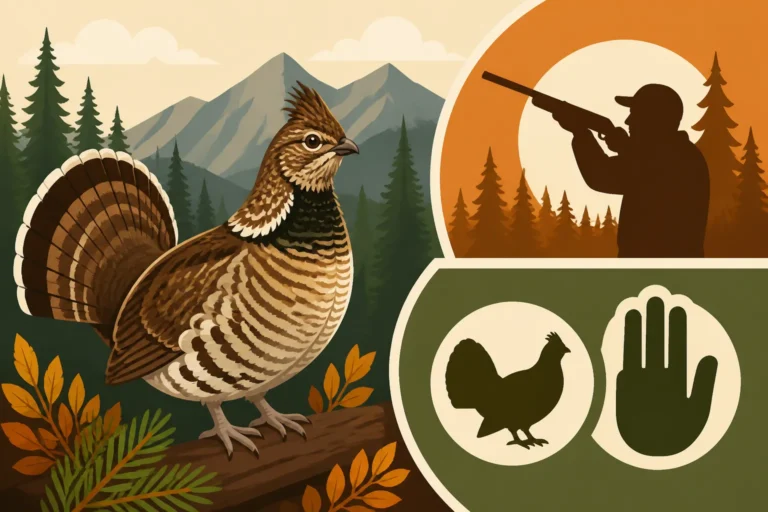
This is where hunting dogs truly earn their keep in Alberta. When it comes to upland birds like sharp-tailed grouse, Hungarian partridge, ruffed grouse, and pheasants, a good pointer or flusher can dramatically increase your chances of finding birds and making clean retrieves. Similarly, for waterfowl – ducks and geese – a strong retriever is practically essential for ethical hunting and preventing lost birds. Alberta's regulations fully support the use of dogs for Upland Bird Hunting in Alberta and Waterfowl Hunting Alberta's Grain Fields.
However, "allowed" doesn't mean "anything goes." You still need to ensure your dog is under control. A dog running wildly through prime habitat, flushing birds out of range or into areas you can't access, isn't helping anyone. The ideal is a dog that works efficiently, stays within reasonable range, and understands commands. Imagine a field hunt for geese where a perfectly positioned dog patiently waits in the blind, only moving on command to retrieve a bird. This is the epitome of responsible dog use. For those using apps like GoHunt to scout prime bird habitat, factoring in how your dog will work the terrain is part of the planning. Consider the density of cover for flushers versus the open fields for pointers, and plan your approach accordingly.
Predator and Furbearer Hunting with Dogs
Hunting certain predators and furbearers with dogs is also permitted, but with very specific caveats and often requires different licenses than typical big game or bird hunting. For example, Coyote Hunting Alberta Farm Country can sometimes involve dogs, especially in situations where hunters are trying to flush coyotes from thick cover. However, the use of dogs for hunting wolves and cougars falls into an even more specialized category.
Cougar hunting with dogs (hounds) is a traditional and highly effective method, but it is typically only conducted by licensed outfitters and guides with specific permits. You won't just take your family dog out to chase a cougar. These are specialized hounds, trained specifically for tracking and baying large predators. For wolves, regulations also allow the use of dogs, but again, this usually involves professional trappers or specific management scenarios rather than casual hunting. It is absolutely critical to check the Alberta Guide to Hunting Regulations for the exact rules pertaining to each specific furbearer or predator species, as these can be quite detailed and restrictive. Ignoring these details could lead to significant penalties, making your exciting hunt turn into a legal nightmare.
The Strict Realities of Big Game and Dogs
To reiterate, with the limited exceptions for tracking wounded animals or highly specialized outfitter-led cougar hunts, big game hunting in Alberta is not a place for your dog. This means no using your dog to sniff out a deer, no running them to push moose out of a dense stand of timber, and absolutely no allowing them to chase a wounded animal. The line is drawn clearly to ensure ethical hunting practices and protect the welfare of big game species. It's a sacrifice many dog owners feel, but it's paramount for maintaining respectful hunting traditions and healthy wildlife populations in our province. Trying to skirt these rules, even with a well-behaved dog, is an invitation for trouble.
Here's a quick reference for general dog usage:
| Species Category | Allowed for Hunting with Dogs? | Typical Dog Breeds Used | Notes & Restrictions |
|---|---|---|---|
| Big Game | Generally NO | N/A | Prohibited for pursuit/harassment. Rare exceptions for professional tracking of wounded game (special permit). |
| Upland Birds | YES | Pointers, Flushers, Retrievers | Dogs must be under control; no harassing non-game wildlife. |
| Waterfowl | YES | Retrievers (Labradors, Chessies) | Dogs must be under control; essential for ethical recovery. |
| Coyotes/Wolves | YES (specific conditions) | Scent hounds, Trailing dogs | Check regulations carefully. Often tied to furbearer licenses. |
| Cougars | YES (highly specialized) | Scent hounds (trained) | Almost exclusively by licensed outfitters/guides; strict quotas. |
| Other Furbearers | Generally NO (e.g., foxes) | N/A | Check specific species regulations for any allowances. |
Ethical Considerations and Best Practices for Canine Hunters
Having a hunting dog is a privilege, and with that comes a significant responsibility. It's not just about following the law; it's about being an ethical hunter and a good steward of both your dog and the land. These best practices will ensure your hunts are enjoyable, safe, and respectful to everyone involved.
Training, Conditioning, and Responsible Ownership
A well-trained dog is a joy to hunt with; an untrained one can be a liability. Before you ever hit the field, your dog should have a solid foundation in obedience. "Heel," "stay," "come," and "whoa" are non-negotiables. For upland birds and waterfowl, specialized training for pointing, flushing, and retrieving is essential. A dog that busts birds out of range or refuses to retrieve is not only frustrating but can lead to lost game. Proper conditioning is just as important. Hunting can be physically demanding, especially in Alberta's varied terrain, from the thick bush edges to the open prairie. Your dog needs to be fit and healthy to avoid injury and perform effectively. This also means understanding your dog's limits – don't push them too hard in extreme heat or cold. Think of it as preparing your hunting partner for the rigors of the field, just as you'd prepare yourself. Utilizing resources like the Alberta Hunter Education and Conservation Course isn't just for you, but for understanding how to interact responsibly with wildlife in all capacities, including with your canine companion.
Ensuring Safety for Your Dog and Others
Safety is paramount, for both your dog and anyone else you encounter in the field. One critical safety measure for dogs, especially during open seasons, is ensuring they are visible. Just as hunters are often required to wear Alberta Blaze Orange Requirements, equipping your dog with a blaze orange vest or collar is an incredibly smart move. This significantly reduces the risk of your dog being mistaken for game by another hunter. You might be focused on your bird dog, but another hunter might not see it moving through cover.
Beyond visibility, consider your dog's general health and well-being. Carry a basic dog first-aid kit. This could include paw balm for rough terrain, wraps for cuts, and anything else specific to your dog's needs. Ensure they have access to fresh water, especially during active hunts. If you're hunting in areas with known wildlife like coyotes or even cougars, be aware of the potential dangers to your dog. Using a GPS collar, especially in dense bush or large fields, is another excellent safety measure that can help you locate a dog that's wandered too far or become disoriented. GoHunt can also be a valuable tool here, allowing you to mark out-of-bounds areas or unsafe zones for your dog on your map.
Respecting Landowners and Fellow Hunters
Being a considerate hunter extends to your dog's behavior. If you're hunting on private land, always confirm with the landowner that dogs are allowed and adhere to any specific requests they might have. Their property is their livelihood, and a dog can unintentionally cause problems with livestock or simply be a nuisance if not properly managed. An excited bird dog running through a herd of cattle is a quick way to lose hunting permission for good.
Similarly, be mindful of other hunters you might encounter. Not everyone appreciates a dog running up to them, even if it's friendly. Keep your dog under close control, especially when approaching other parties. This also applies to non-hunters, like hikers or birdwatchers, who might be sharing public land. A well-behaved, controlled dog reflects positively on all hunters, helping to maintain access and good relationships within the outdoor community. If you are ever unsure about private land boundaries, resources like GoHunt can display property lines, helping you stay on the right side of the law and avoid accidental trespass, which is important for both you and your dog.
Navigating Licenses, Permits, and Future Rule Changes
The world of hunting regulations is constantly evolving, and staying informed is just as much a part of responsible hunting as shot placement. This applies strongly to rules concerning dogs, as societal views and wildlife management strategies shift over time.
Hunter Responsibilities Beyond Your Dog's Actions
It’s crucial to understand that while your dog is doing the work, you are ultimately responsible for its actions under the law. This means that if your dog harasses wildlife, you are liable for that offense. If your dog causes damage on private land, that responsibility falls on you. This isn't just about your hunting licence; it speaks to your overall conduct as a hunter. Therefore, having a perfectly trained dog is not just about efficiency but also about legal compliance and ethical conduct. Make sure your hunting license, wildlife certificate, and any federal migratory bird permits (if applicable for waterfowl) are all up to date, just as you would ensure your firearm or bow is legal. Understanding Alberta Game Bird Seasons and Limits is crucial, as is adhering to specific bag limits for the species you're pursuing with your dog.
Staying Informed About Regulatory Updates
Alberta Fish and Wildlife reviews and updates its hunting regulations annually. While major shifts in dog hunting rules are infrequent, minor tweaks, clarification of language, or specific WMU-level restrictions can happen. It's imperative that every hunter, particularly those hunting with dogs, obtains and thoroughly reads the most current Alberta Guide to Hunting Regulations each year. Don't rely on old information or hearsay. The digital version is readily available online and often has updates faster than printed copies. Services like GoHunt often integrate regulation summaries and alerts, but the official guide remains your primary source. Regularly checking in with Alberta Environment and Parks publications ensures you're always operating within the legal framework, protecting both your hunting privileges and your beloved canine partner.
Disclaimer
Please note that this guide provides general information based on current Alberta hunting regulations and common practices. Regulations can change, and specific situations may have unique requirements. Always consult the official Alberta Guide to Hunting Regulations published by Alberta Environment and Parks, and any relevant federal regulations, before heading into the field. It is your responsibility as a hunter to know and abide by all applicable laws.