Wolves Across the Boreal Forest
For many of us who venture into Alberta's vast boreal forest, the presence of wolves is a deep, primal truth. They are the ultimate wilderness ghost, often heard but rarely seen, sparking both awe and sometimes, a bit of frustration when we consider their impact on the game animals we pursue. This guide aims to pull back the curtain on these intelligent predators, exploring their lives, their role in the ecosystem, and how their presence shapes the hunting landscape in our northern wilds.
Understanding Alberta's Boreal Forest Wolves: An Elusive Hunter
The boreal forest in Alberta is a truly immense and wild place, a mosaic of dense spruce and pine, trembling aspen stands, vast muskegs, and countless lakes and rivers. It's a landscape that feels ancient and untamed, and at its heart thrive the grey wolves, or timber wolves as they're often called. These apex predators are intrinsically woven into the fabric of this ecosystem, playing a critical role in maintaining the health and balance of the wildlife within it. Understanding them starts with appreciating the vast, often harsh, environment they call home.
The Boreal Ecosystem and Wolf Habitat
Imagine miles upon miles of untouched wilderness, where the silence is broken only by the rustle of leaves or the distant call of a loon. That's the boreal for you, and it's perfect wolf country. Wolves are incredibly adaptable, but they truly thrive in these large, undisturbed tracts of forest that offer both dense cover for denning and travel, as well as abundant prey. The sheer scale of the boreal means wolves often have massive territories, sometimes spanning hundreds of square kilometers, which they meticulously patrol. This isn't your open prairie or foothills hunting, where you might glass a distant ridge and spot a pack. Here, the forest absorbs everything, making encounters with these elusive creatures a rare and special event. The thick timber provides ample opportunities for them to move silently, remaining hidden from even the keenest eye.
Their habitat choices are largely dictated by the availability of prey, the presence of suitable den sites (often in rocky outcrops, under roots of fallen trees, or dug into sandy banks), and minimizing interactions with humans. As we push further into these wild areas, we sometimes encroach on their traditional territories, but their adaptability means they often simply shift their patterns to avoid us, melting back into the deeper woods. This constant push and pull between human activity and wolf movements is a defining characteristic of hunting and living in the boreal fringes.
Dispelling Common Misconceptions About Wolves
When it comes to wolves, there are a lot of myths and misunderstandings out there, many fueled by old stories and a general lack of direct experience with these animals. One of the biggest misconceptions is that wolves are bloodthirsty killers that decimate game populations with reckless abandon. While they are incredibly efficient predators, their role is far more nuanced. They primarily target the old, the sick, and the weak, effectively culling less fit animals from the herd, which ultimately strengthens the overall health and genetics of prey populations. It's a tough but necessary natural selection process.
Another common myth is that wolves are a direct threat to human safety. In reality, documented attacks on humans are incredibly rare, especially in North America. Wolves are naturally wary of people and will almost always avoid confrontation. They are wild animals, of course, and deserve respect and space, but fear-mongering does a disservice to their true nature. Hunters often worry about their impact on their hunting prospects, and while wolves certainly affect game numbers, it's a complex interaction involving habitat, weather, disease, and human hunting pressure, not just a simple equation of "more wolves equals no deer." Getting accurate, fact-based information, perhaps from reliable resources like GoHunt, can help clarify their true impact versus anecdotal fears.
Wolf Behavior and Pack Dynamics in the Northern Wilds
Wolves are some of the most social and intelligent animals in the boreal forest. Their success as a predator is largely due to their intricate social structure and sophisticated hunting strategies. Observing or even just understanding these dynamics offers a fascinating glimpse into the wild heart of Alberta.
The Social Structure of a Wolf Pack
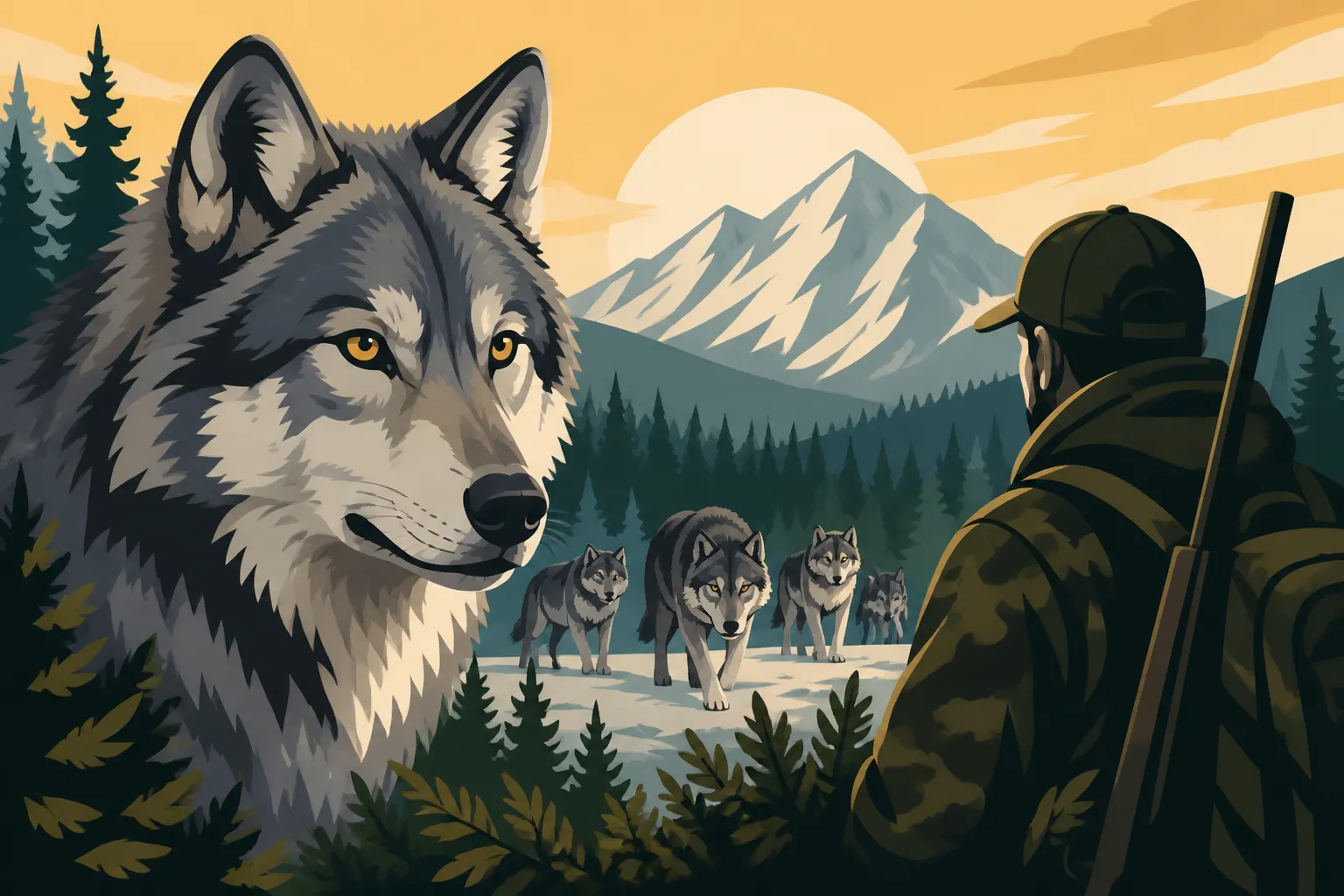
A wolf pack isn't just a random collection of individuals; it's a tightly knit family unit, typically consisting of an alpha male and female, their offspring from the current year, and sometimes a few older, subordinate offspring. The alpha pair are the primary breeders, and they lead the pack in hunts, territory defense, and pup-rearing. This hierarchical structure ensures cooperation and efficiency, especially when bringing down large prey like moose or elk. Each member has a role, from scouting to driving prey, and there's a clear pecking order that maintains stability.
Packs can range in size from just a few individuals to more than a dozen, depending on food availability and the density of prey in their territory. In the rich boreal habitat, healthy packs can grow quite large. This strong social bond is evident in everything they do, from their coordinated hunting efforts to their playful interactions and the mournful, yet beautiful, howls that echo through the night. It's this deep connection that makes them such formidable and successful hunters, something that seasoned hunters who have heard Wolf Pack Size in the Boreal often comment on.
Hunting Strategies and Prey Preferences
Wolves in Alberta's boreal forest are opportunistic carnivores, meaning they will hunt whatever prey is most readily available and easiest to catch. Their primary targets are typically ungulates like moose, elk, deer, and caribou. They are masters of endurance and strategy, often testing herds for weak individuals. A typical wolf hunt might involve a long chase, wearing down prey over several kilometers, using their superior stamina to their advantage. They will often use terrain features, like deep snow, thick bush, or even frozen lakes, to their benefit, funneling prey into advantageous positions for the pack.
While larger prey forms the bulk of their diet, especially during winter, wolves will also take smaller animals like beaver, snowshoe hare, and various birds when the opportunity arises. During spring and summer, when pups are in the den, they might spend more time hunting smaller game close to their den sites, ensuring easy access to food for the young. Understanding these preferences can help us appreciate their complex role as predators and how they interact with all levels of the food chain in the boreal.
Communication in the Wild: How Wolves Connect
The most iconic form of wolf communication, of course, is the howl. It's not just a spooky sound in the night; it's a sophisticated method of communication. Wolves howl for a variety of reasons: to assemble the pack, to locate separated members, to warn rival packs away from their territory, or sometimes, seemingly just for the sheer joy of it. The complexity of their howls, with different pitches and durations, allows for a surprising amount of information to be conveyed across vast distances in the dense forest.
Beyond howling, wolves use a complex array of other signals. Scent marking through urine, feces, and rubbing posts is crucial for delineating territory and conveying messages about pack status and reproductive condition. Body language, including tail position, ear movements, and facial expressions, facilitates close-range communication within the pack, expressing dominance, submission, playfulness, or aggression. Tracking fresh wolf sign, which we'll discuss later, is like reading a hidden language they leave on the forest floor, giving us clues about their movements and intentions.
The Impact of Wolves on Alberta's Big Game Populations
It's natural for hunters to consider how wolf populations affect the game numbers we pursue. The relationship between predator and prey is one of the most fundamental and complex dynamics in nature, and in Alberta's boreal, wolves are a major player.
Predator-Prey Relationships: Moose, Elk, and Deer
In the boreal forest, wolves are intrinsically linked to the health and distribution of their primary prey species: moose, elk, and white-tailed deer. These relationships are dynamic, influenced by many factors including habitat quality, winter severity, disease, and human hunting pressure. Wolves help regulate prey populations, preventing overgrazing and the spread of disease by culling weaker individuals. This natural selection process ensures that the strongest, healthiest animals survive to reproduce, which ultimately benefits the prey species in the long run.
However, these relationships are not always perfectly balanced. Severe winters, for instance, can weaken ungulate populations, making them more vulnerable to wolf predation, which can lead to localized declines in prey numbers. Conversely, if prey populations are particularly robust, wolf numbers can increase in response. It's a continuous dance, with both populations influencing the other, often creating cyclical patterns of rise and fall that can be observed over long periods. Understanding these cycles is key to appreciating the broader picture of wildlife management in Alberta.
Do Wolves Affect Alberta Moose Numbers?
This is a question many boreal hunters ponder, and for good reason. Moose are a cornerstone species in the northern forest, providing substantial food for wolves, especially during the harsh winter months. While it's clear that wolves prey on moose, attributing population declines solely to wolves is an oversimplification. There's strong evidence that factors like habitat degradation (from logging, energy development, and human encroachment), severe winter tick infestations, and changing climate patterns play equally significant, if not greater, roles in influencing Alberta's Moose Population by Region.
Some studies suggest that wolf predation, in combination with these other stressors, can indeed suppress moose populations in certain areas, particularly when calf survival rates are low. However, in healthy ecosystems with ample habitat, moose populations can often sustain a certain level of wolf predation. The key is balance, and wildlife managers continuously monitor these populations to understand the complex interplay of factors at work. For a hunter using tools like GoHunt, understanding these dynamics helps contextualize observed game numbers and informs scouting strategies.
Natural Cycles and Management Challenges
Nature operates in cycles, and predator-prey dynamics are a prime example. Periods of high prey numbers often lead to an increase in predator numbers, which eventually can lead to a decline in prey, followed by a decline in predators, and so on. These cycles are natural, but they can be dramatic, leading to frustration for hunters during perceived "lows." Managing these populations in a way that respects ecological processes while also addressing human interests (like hunting opportunities) is a constant challenge for wildlife agencies.
Management often involves monitoring both predator and prey populations, setting appropriate hunting quotas for various species, and sometimes implementing specific wolf harvest strategies in areas where their numbers might be impacting at-risk prey populations, such as caribou. It's a delicate balancing act, requiring sound scientific data and a deep understanding of the local ecology to ensure the long-term health of all species in the boreal forest.
Tracking and Interpreting Wolf Sign in the Boreal
For many hunters, actually seeing a wolf is a bucket-list item. More often, our encounters are with their sign – the tracks, scat, and territorial markers they leave behind. Learning to read these clues can turn a seemingly barren walk through the woods into a fascinating narrative of the wild.
Identifying Tracks, Scats, and Rubs
Becoming proficient at identifying wolf sign requires a keen eye and some practice. Wolf tracks are typically larger than those of a coyote or domestic dog, often more elongated, and feature a tight, compact toe arrangement. When a wolf is trotting, its hind foot often falls directly into the print of its front foot, creating a single, purposeful line of tracks that distinguishes it from the more meandering path of a domestic dog. The size and stride length are often the biggest giveaways.
Scats (feces) are another reliable indicator. Wolf scat is usually quite large, often tubular, and packed with hair and bone fragments from their prey. The appearance will vary depending on what they've been eating, but the sheer volume and contents are usually distinct. They'll often leave scat in prominent locations, like trail intersections or on top of logs, as a form of communication. Rubs, where wolves might scent mark or roll, can also be found, though these are less common and harder to distinguish without experience. For those serious about finding elusive game, learning to interpret these signs is as crucial as understanding where Moose Hunting Alberta's Boreal Forest might occur.
The Art of Locating Active Wolf Areas
Finding active wolf areas in the vast boreal can feel like searching for a needle in a haystack, but there are certain places they frequent. Wolves often use established game trails, old logging roads, seismic lines, and frozen waterways as travel corridors. Look for sign along these natural pathways, especially at intersections or choke points. They will also often patrol the edges of recent clearcuts or burns, as these areas can attract prey like moose and deer seeking new growth. Hunting a Burned-Over Boreal Block can often mean you're also in wolf country.
Water sources, like the banks of rivers or the shores of lakes, can also be hotspots for wolf activity, as prey animals come to drink. In winter, look for tracks on frozen lakes and rivers, or along the edges of muskegs. Using satellite imagery, perhaps on an app like GoHunt, to identify old cutlines and access points can give you a significant advantage in narrowing down potential travel routes and high-use areas. Remember, where you find abundant prey sign, you're likely to find predator sign as well.
Hunting Wolves in Alberta's Boreal Forest
While the primary focus for many hunters in the boreal is big game, wolves are a legal and challenging pursuit for those interested. It requires a different mindset and a deep understanding of their behavior and the regulations that govern their harvest.
Regulatory Framework and Ethical Considerations
In Alberta, wolves are classified as a furbearer and a big game animal in different contexts and are managed under specific regulations. Before even thinking about hunting wolves, it is absolutely essential to thoroughly review the current Alberta Guide to Hunting Regulations to understand season dates, bag limits, allowed methods of take, and any specific requirements for different Wildlife Management Units (WMUs). These rules change, so checking annually is a must. Ethical considerations are paramount; responsible wolf hunting emphasizes fair chase, minimizing suffering, and respecting the animal. It's not about eradication, but about responsible wildlife management and, for many, the ultimate hunting challenge.
It's important to remember that wolf hunting often carries a degree of public scrutiny, so conducting oneself with the utmost respect for the animal and the regulations is critical. Hunters contribute valuable data through harvest reporting, which aids wildlife managers in understanding populations and ensuring sustainable practices. This commitment to ethical hunting and adherence to rules is a cornerstone of our hunting culture in Alberta.
Strategies for Success: Calling, Trapping, and Still-Hunting
Hunting wolves in the boreal is notoriously difficult due to their intelligence, wariness, and the vast, dense terrain. Success often comes down to patience, perseverance, and a bit of luck.
One of the most popular and effective methods is calling. This involves imitating prey distress calls (like a wounded hare or deer) or actual wolf howls to attract curious or territorial wolves. Mastering wolf vocalizations can be incredibly challenging, but hearing a pack respond to your call is an experience unlike any other. Hunters often use electronic callers, but mouth calls can also be effective. Success with calling often relies on positioning yourself strategically downwind and being absolutely motionless, often in extremely cold conditions if Hunting Deep Cold Late in the Season.
Trapping is another method, primarily for furbearers, and it requires specialized knowledge, specific licenses, and a deep understanding of wolf behavior and trap placement. This is a highly regulated activity and typically requires extensive training and experience to be done ethically and effectively. Finally, still-hunting or spot-and-stalk can be attempted, though it's incredibly difficult in dense boreal cover. This involves moving slowly and deliberately through known wolf territory, looking for fresh sign or catching a glimpse of a wolf on the move. Calling Wolves Along a Frozen Cutline or an old logging road can be particularly effective tactics, as these provide natural corridors for wolves and opportunities for visibility.
Coexistence and Conservation: The Future of Alberta's Wolves
Wolves are an integral part of Alberta's natural heritage, and ensuring their long-term presence requires ongoing commitment to sound management and conservation practices. Their future in the boreal forest is intertwined with the health of the entire ecosystem.
Management Practices and Research Efforts
Alberta Fish and Wildlife, often in collaboration with research institutions and conservation groups, employs a variety of management strategies for wolves. This includes population monitoring through aerial surveys, tracking studies, and genetic sampling to estimate numbers, pack densities, and distribution. Research efforts delve into their diet, reproductive success, and how they interact with other wildlife, especially prey species like White-Tailed Deer, Alberta's Most Hunted Big Game and Elk in Alberta's Mountains and Farmland. This scientific data is crucial for making informed decisions about hunting regulations and conservation initiatives.
In some areas, management might focus on mitigating conflicts between wolves and livestock, while in others, it might involve managing wolf numbers to support struggling prey populations (such as specific caribou herds). It's a complex, multi-faceted approach that acknowledges the wolf's ecological importance while also addressing the concerns of landowners, hunters, and other stakeholders.
The Role of Hunters in Wolf Conservation
Hunters play a surprisingly significant role in wolf conservation, often without even realizing it. Firstly, the purchase of hunting licenses and tags directly contributes funds to wildlife management agencies, which are then used for research, habitat preservation, and enforcement, benefiting all wildlife, including wolves. Secondly, ethical hunting practices, such as selective harvesting, help maintain healthy game populations, which in turn support stable wolf populations. Hunters also serve as eyes and ears on the ground, providing valuable anecdotal observations to wildlife managers about wolf activity, movements, and their interactions with other species.
Furthermore, many hunters are deeply invested in the health of the wild landscapes they frequent. They advocate for responsible land use, habitat protection, and science-based wildlife management, all of which indirectly benefit wolves. By participating in regulated hunting, respecting seasons and limits, and reporting observations, hunters are crucial partners in the ongoing effort to ensure a robust and thriving ecosystem, where the howl of the wolf continues to echo through Alberta's magnificent boreal forest for generations to come.
Disclaimer
This article is for general informational purposes only and does not constitute professional advice. Laws, prices and regulations vary by location and change over time. Consult a qualified professional for guidance on your specific situation.