Bison in Alberta and Where They Stand
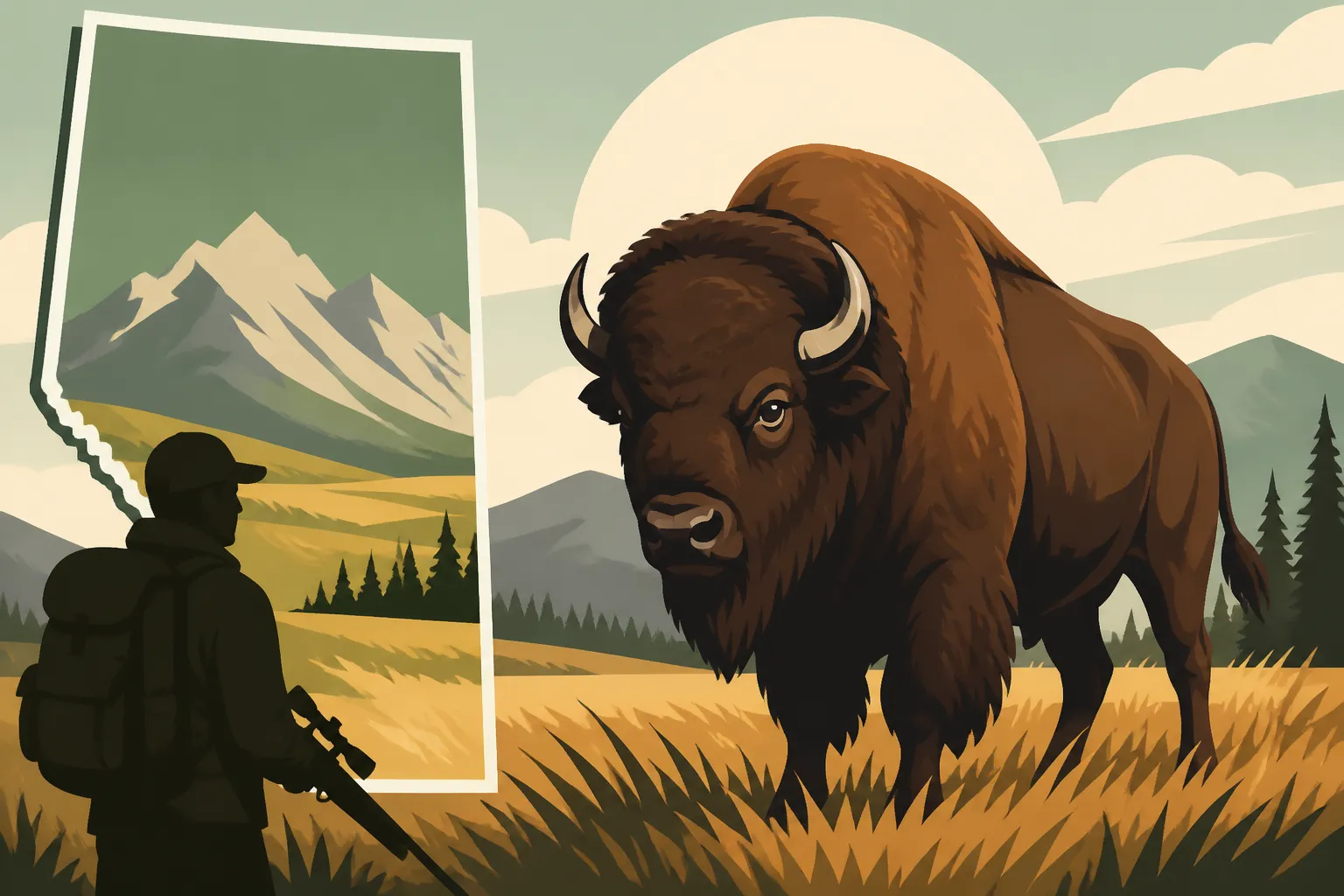
Many of us who love the Alberta outdoors, especially those with a deep respect for our province's rich wildlife heritage, often wonder about the mighty bison. It’s a species that evokes images of vast prairies and untamed wilderness, yet their presence in modern Alberta can feel a bit enigmatic. This guide will take a deep dive into the status of bison in Alberta, exploring their incredible history, where they exist today, and the intricate conservation efforts that keep these magnificent animals on our landscape.
The Complex Story of Bison in Alberta
For anyone who has spent time traversing Alberta's diverse landscapes, the ghost of the bison often feels palpable. You can almost hear the thundering hooves across the prairies, visualize the massive herds that once shaped the very ecosystem of this land. But today, their story in Alberta is far more nuanced than their historical dominance might suggest, involving incredible resilience, dedicated conservation, and ongoing challenges.
A Glimpse into the Past: Bison's Historical Dominance
Before European settlement, the plains and boreal forests of what we now call Alberta were home to millions of bison. These animals weren't just another species; they were the very architects of the prairie ecosystem. Their grazing patterns helped maintain grasslands, their hooves churned the soil, and their dung fertilized the land. They were a cornerstone species, and their abundance supported a complex web of life, from wolves and bears to countless bird species. Indigenous peoples revered the bison, relying on them for food, clothing, shelter, and cultural identity. The sheer scale of these herds is almost impossible for us to comprehend today, representing a natural bounty that truly defined the character of the North American plains and parts of the boreal forest.
The Near Extinction and Initial Recovery Efforts
The story of the bison's near disappearance is a stark and painful reminder of human impact. Over-hunting, driven by commercial interests and policies aimed at subjugating Indigenous populations, decimated their numbers in less than a century. By the late 1800s, wild bison were virtually gone from Alberta and most of North America. It’s a tragedy that still resonates. Thankfully, a few dedicated individuals and early conservationists stepped in, gathering the last remaining animals to begin captive breeding programs. The initial recovery efforts were a desperate race against time, collecting small, scattered herds of both plains and wood bison, some of which had found refuge in remote areas or private hands. These courageous initiatives, often undertaken with limited resources, laid the groundwork for any bison we see in Alberta today, pulling them back from the absolute brink of extinction.
Understanding Alberta's Bison Populations Today
When we talk about "bison in Alberta" today, it's not a single, simple picture. Instead, we're looking at a mosaic of populations, each with its own history, challenges, and future prospects. We have genetically distinct subspecies, living in very different environments, and facing unique management situations.
Wild Wood Bison: Sentinels of the Boreal Forest
In the vast, wild stretches of northern Alberta, particularly within Wood Buffalo National Park, you'll find the largest free-ranging herd of wood bison in the world. These animals are a truly incredible conservation success story, given how close they came to vanishing entirely. Wood bison are distinct from their plains cousins; they are typically larger, darker, and have a different hump structure adapted to their forested environment. They are hardy creatures, navigating the challenges of deep snow, thick bush, and predators like wolves and bears. Observing them, even from a distance, is like stepping back in time, witnessing a truly wild species thriving in its natural habitat. However, even these seemingly robust populations face challenges, particularly with disease management, which requires careful monitoring and intervention to ensure their long-term health. These herds are crucial for the genetic diversity of the species, representing a vital link to the continent's past.
Plains Bison: Remnants and Managed Herds
Plains bison, while historically dominant across much of central and southern Alberta, are no longer found in extensive wild herds in the same way wood bison are further north. Instead, their presence is primarily through smaller, managed populations in protected areas, as well as privately owned ranching operations. Elk Island National Park, for example, plays a critical role in plains bison conservation, maintaining a healthy, disease-free herd that acts as a genetic reservoir. Animals from Elk Island have been instrumental in re-establishing herds in other parts of North America. There are also a few instances where small, free-ranging plains bison populations exist on public lands, but these are often the result of escapes from private ranches or deliberate reintroductions into specific, smaller landscapes, such as those that were part of a unique cultural reintroduction in the area. The distinction between truly wild, free-ranging herds and those that are more actively managed or semi-domesticated is an important one when considering plains bison in Alberta.
Key Habitats and Geographic Distribution
The current distribution of bison in Alberta is a stark reflection of their past decline and subsequent recovery efforts. Unlike deer or elk, which can be found across many of Alberta's Wildlife Management Units, bison populations are quite localized and often confined to specific areas. Understanding these habitats is key to appreciating their conservation story.
Wood Bison Strongholds in the North
When you think of wild bison in Alberta, your mind should immediately turn north. The vast majority of Alberta's truly wild, free-ranging bison are the wood bison subspecies, primarily found within and immediately adjacent to Wood Buffalo National Park, which straddles the border with the Northwest Territories. This immense wilderness, characterized by boreal forest, extensive wetlands, and large areas of mixed wood, provides the kind of remote, undisturbed habitat these animals need to thrive. While these populations are technically wild, their movements can be influenced by natural factors like forage availability and predator presence. These are not areas where the average hunter will encounter bison, as they exist in highly protected zones. The ruggedness and remoteness of this country mean that these animals truly endure wild conditions, facing challenges like deep cold late in the season and navigating vast tracts of undisturbed land, much like you'd expect to see a healthy moose population thriving. Accessing these areas often means dealing with challenging terrain, including some of the same conditions one might encounter when Hunting Moose Along Cutlines and Seismic Lines.
Plains Bison Locations and Challenges
The story of plains bison distribution is quite different. While their historical range covered much of Alberta's white area and parkland, today their presence is far more fragmented. The most well-known and significant herd is within Elk Island National Park, east of Edmonton. This park serves as a crucial conservation ranch, maintaining a genetically pure, disease-free herd. Animals here live in a fenced, but still wild-like, environment, where they can roam vast pastures and woodlands. These animals are managed for conservation and genetic preservation, not for sport hunting.
Beyond Elk Island, smaller, more localized plains bison populations can be found in a few other contexts. Some are the result of deliberate reintroduction efforts into smaller protected areas, often with cultural significance. Others are semi-wild herds, often managed by Indigenous communities on traditional lands, where they contribute to cultural revitalization and sustainable land management. Additionally, a number of privately owned bison ranches dot the Alberta landscape, particularly in the agricultural regions. While these animals are technically livestock, some operate under more extensive, range-land conditions. For anyone interested in where specific wildlife populations exist, tools like GoHunt often provide excellent mapping resources, allowing you to visualize where different species might have a presence, even if it's within a protected or managed area. It's a testament to the efforts of many that these majestic animals have any foothold in their ancestral lands today.
Conservation, Management, and the Hunting Question
The story of bison in Alberta is fundamentally one of conservation, a testament to what determined effort can achieve, even after near-total loss. However, it's also a story of ongoing challenges and careful management decisions, especially when it comes to the question of hunting.
The Ongoing Struggle for Wild Bison Recovery
The recovery of wild bison in Alberta, particularly the wood bison in the north, has been a monumental undertaking. It involves constant monitoring of population health, genetic diversity, and disease prevalence. One of the biggest hurdles has been the issue of bovine brucellosis and tuberculosis, diseases carried by some bison populations that could potentially spread to domestic cattle. This has necessitated complex and sometimes controversial management strategies, including quarantines and periodic culling, to ensure the health of both wild herds and agricultural interests. Organizations like GoHunt are great for researching the science behind wildlife management decisions, helping to understand the scope of these challenges. The goal is always to maintain healthy, self-sustaining wild populations, but it's a delicate balance that requires collaboration between provincial and federal agencies, Indigenous communities, and conservation groups. The future of these herds is deeply tied to the ongoing health of their habitat, much like the intricate needs of Woodland Caribou and Why They Are Protected in similar boreal environments.
Why Bison Aren't a General Hunting Species in Alberta
This is a question many hunters, especially those new to Alberta, often ask: "Can I hunt bison in Alberta?" The short answer, for general hunters, is no. Unlike species such as moose, elk, or deer, bison are not typically available as a general hunting species in Alberta. This is primarily due to their conservation status. Wild bison populations are still recovering and are primarily located within protected areas like Wood Buffalo National Park, where hunting is prohibited. The smaller, managed herds in places like Elk Island National Park are also strictly protected as genetic reservoirs.
While there might be very limited, highly specific opportunities—perhaps a controlled hunt for disease management in a specific area, or a unique draw for a nuisance animal—these are extremely rare and not part of the regular Alberta Big Game Season Dates. If such an opportunity were to arise, it would be managed through a highly regulated special licence draw, similar to the process for other highly controlled species, and would be focused on management objectives rather than recreational hunting. For the vast majority of hunters, pursuing species like Whitetail Hunting in Alberta or Elk Hunting Alberta's Foothills on Alberta's Crown Land will be the focus, while admiring bison from afar remains the primary interaction with this iconic animal.
The Role of Disease Management in Bison Survival
Disease management is arguably one of the most critical and complex aspects of bison conservation in Alberta. The legacy of brucellosis and tuberculosis in certain wild wood bison populations has created a significant challenge for their expansion and integration into broader landscapes. Wildlife managers must constantly balance the ecological benefits of a large, free-roaming herd with the potential risks to agricultural livestock and the desire to maintain disease-free populations. This often involves controversial strategies like testing, culling, or establishing buffer zones.
These efforts are not taken lightly; they are the result of extensive scientific research and the careful weighing of many factors. The goal is to isolate and eventually eradicate these diseases from the wild herds, allowing for healthier, more robust bison populations in the long term. This rigorous approach is vital for any potential future reintroduction efforts or for allowing existing wild herds to expand their range without creating conflicts with human interests. It’s a stark reminder that managing wildlife in a modern, settled landscape is rarely straightforward and often requires difficult choices.
Differentiating Alberta's Bison: Wood vs. Plains, Wild vs. Domestic
When people talk about bison, there's often a general image that comes to mind. However, in Alberta, the reality is more intricate. There are distinct differences between the two subspecies present in North America, and also a critical distinction between truly wild animals and those that are managed or privately owned. Understanding these nuances helps appreciate the incredible conservation story unfolding right here in our province.
Physical and Behavioral Distinctions
While both wood and plains bison are iconic, they have evolved to thrive in different environments, leading to noticeable physical and behavioral differences.
Wood Bison (Bison bison athabascae):
- Size: Generally larger and heavier than plains bison, often earning them the title of the largest land mammal in North America.
- Colour: Typically darker brown, almost black, with a less pronounced "cape" of fur over their shoulders.
- Hump: The hump of a wood bison is taller and more pointed, positioned further forward over the shoulders. This adaptation helps them shovel snow with their heads while foraging in deep northern drifts.
- Skull: They tend to have a larger, more pronounced skull structure.
- Habitat Preference: Adapted to dense boreal forests and wetlands, they are excellent at navigating tough terrain and deep snow, often relying on browse as well as grasses.
Plains Bison (Bison bison bison):
- Size: Slightly smaller and lighter than wood bison, though still massive animals.
- Colour: Lighter brown, with a more distinct "cape" of shaggy fur on their forequarters.
- Hump: Their hump is more rounded and less prominent, situated further back on the body. This helps with endurance running across open prairies.
- Skull: Generally has a shorter, more compact skull.
- Habitat Preference: Naturally found in open grasslands and prairies, adapted for extensive grazing and long-distance movements.
These distinctions, while sometimes subtle to the untrained eye, are crucial for biologists managing these populations, especially when ensuring genetic purity in conservation herds. For instance, knowing these differences is vital when considering any reintroduction efforts, as placing the wrong subspecies in the wrong habitat could hinder their survival. When researching these animals, or any big game, platforms like GoHunt can provide detailed species profiles, helping users understand these important differentiators.
The Grey Area of "Wild" Bison and Managed Herds
The concept of "wild" takes on various meanings when discussing bison in Alberta.
-
Truly Wild Wood Bison: These are the populations found in Wood Buffalo National Park and surrounding areas, where they exist with minimal human intervention, facing natural predators and environmental challenges. They roam vast, unfenced landscapes, and their survival is dictated by the rhythms of nature. They are a testament to what a species can achieve when given the space and protection to thrive. These are the animals that embody the raw wilderness of Alberta's northern reaches, interacting with the same complex ecosystems as Black Bears in Alberta's Forests and Foothills and even Grizzly Bears in Alberta Today.
-
Managed Plains Bison: Herds like those in Elk Island National Park are often described as "wild," but they are managed within a fenced environment. While they exhibit natural behaviors—grazing, breeding, interacting within their social structures—their population numbers are controlled, and they undergo health checks. This management is essential for their genetic health and for providing a source of disease-free animals for reintroduction projects elsewhere. They are wild in their essence, but their existence is carefully orchestrated by conservationists.
-
Semi-Wild and Domestic Bison: Outside of protected parks, you'll find various other bison populations. Some Indigenous communities manage herds on their traditional territories, allowing them to roam relatively freely within large, fenced areas, fostering cultural connection and ecological restoration. Then there are the numerous private bison ranches. These animals are considered livestock, raised for meat or breeding. While they retain their inherent wild instincts, they live within agricultural systems. The legal and practical implications of encountering these various types of bison are vastly different. Knowing the difference is not just an academic exercise; it's fundamental to understanding their place in Alberta's natural and agricultural landscape.
| Feature | Wood Bison (Bison bison athabascae) | Plains Bison (Bison bison bison) |
|---|---|---|
| Size | Larger, heavier (largest land mammal in North America) | Slightly smaller |
| Colour | Darker brown, almost black | Lighter brown |
| Hump Shape | Taller, more pointed, located further forward | More rounded, less prominent, located further back |
| Head/Skull | Larger, more pronounced | Shorter, more compact |
| Habitat | Boreal forests, wetlands, deep snow environments | Open grasslands, prairies |
| Current Wild Status | Large, free-ranging wild herds (e.g., Wood Buffalo National Park) | Managed herds in fenced parks (e.g., Elk Island National Park), some semi-wild |
| Hunting in Alberta | No general hunting season; highly protected | No general hunting season; highly protected |
The story of bison in Alberta is a powerful narrative of loss, resilience, and unwavering dedication to conservation. From the edge of oblivion, these magnificent animals are slowly but surely reclaiming their place, albeit under careful watch. It's a journey that teaches us about the interconnectedness of ecosystems, the impact of human actions, and the enduring spirit of the wild.
Disclaimer
This article is for general informational purposes only and does not constitute professional advice. Laws, prices and regulations vary by location and change over time. Consult a qualified professional for guidance on your specific situation.