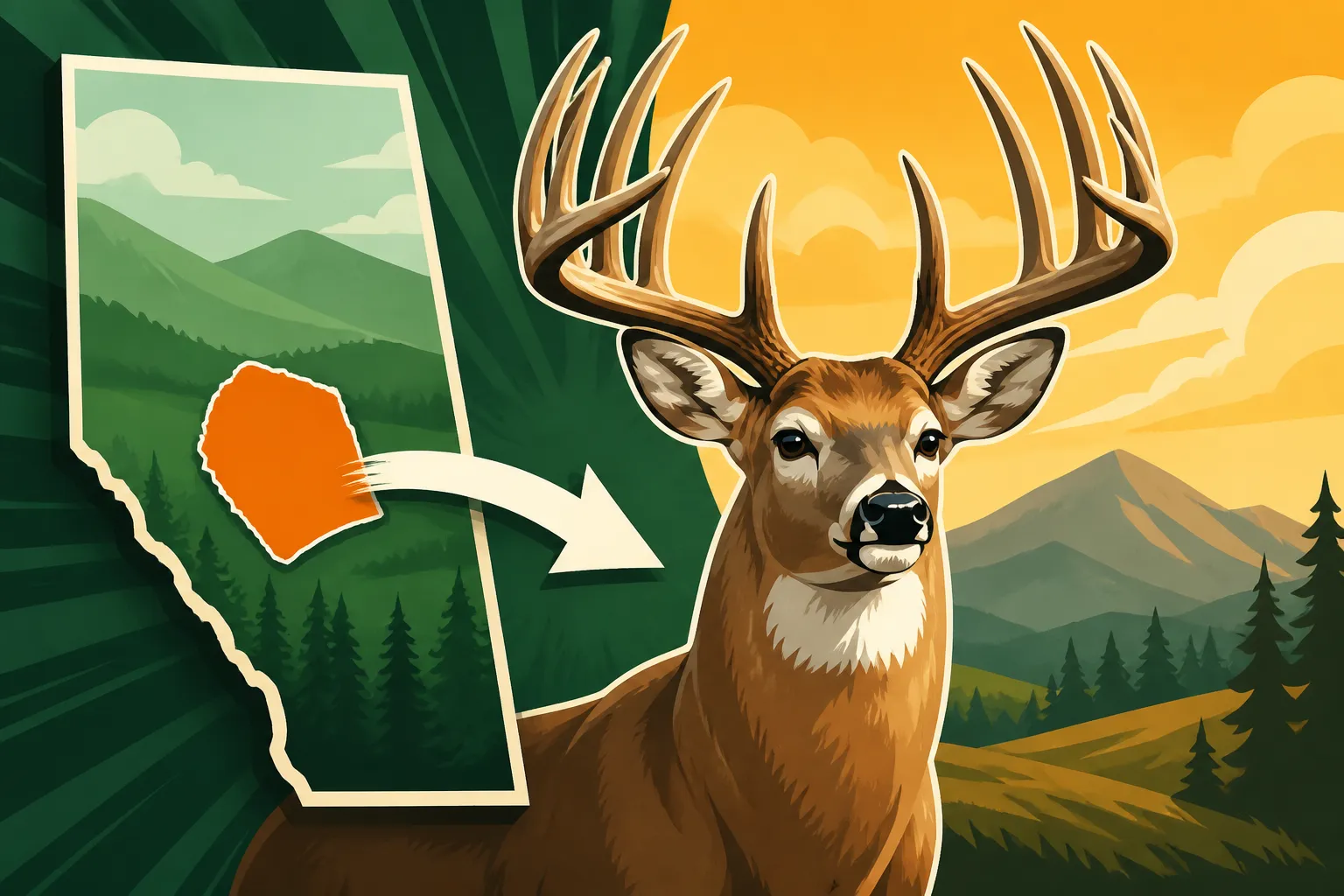
Where Alberta’s Record Whitetails Came From
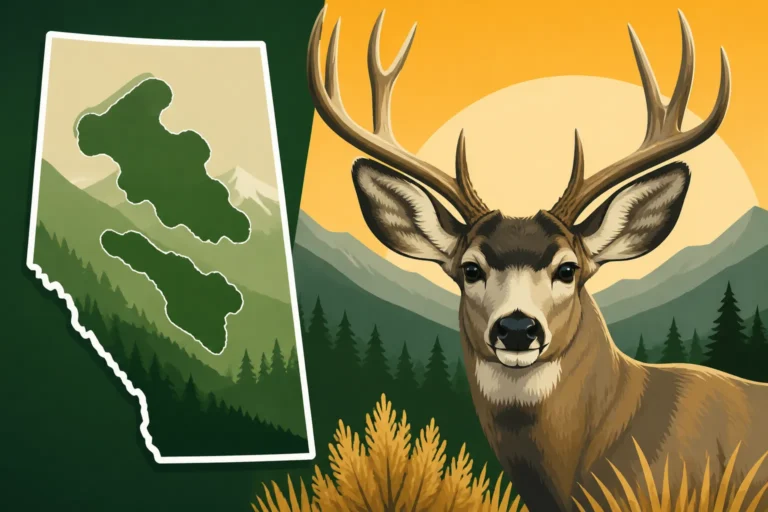
It's a question that every whitetail hunter in Alberta has asked themselves, usually late at night staring at maps or thumbing through old hunting magazines: where do those truly giant, record-book whitetails actually come from in this province? It's not just about luck; there are specific ingredients that come together to produce the kind of bucks that make jaws drop and etch themselves into the record books. This guide will take you through the unique factors and geographical sweet spots that have made Alberta a consistent producer of world-class whitetails, helping you understand where to focus your efforts and dreams.
The Recipe for a Record Whitetail: More Than Just Luck
When we talk about record whitetails, it's easy to picture some mythical beast stepping out of the timber, but the truth is, these animals are a product of their environment. It’s a complex interplay of several key factors, not just one lucky break. Think of it like baking a perfect sourdough loaf – you need the right ingredients, the right conditions, and enough time to let everything mature. For a giant whitetail, those ingredients are top-tier genetics, abundant and diverse nutrition, sufficient age, and, crucially, a certain level of hunting pressure management.
Genetics: The Blueprint for Antler Growth
Just like people, whitetail deer have genetic predispositions that dictate their potential for antler growth. Some deer are simply born with the blueprint to grow larger, more impressive racks. While you can't see a deer's genetics, areas that consistently produce big bucks often have a strong genetic pool. This isn't just about massive main beams or extra points; it's about the inherent ability to grow bone. This genetic potential is passed down through generations, meaning that if an area has a history of big deer, there's a good chance that potential still exists in the local herd. Environmental stressors or poor nutrition can certainly limit a buck's expression of that potential, but the underlying capability is still there.
Nutrition: Fueling the Rack Factory
Antlers are bone, and growing bone requires an incredible amount of energy and specific nutrients. Alberta's diverse landscapes offer some of the richest food sources available to whitetails. We're talking about vast agricultural fields, particularly in the central and southern parts of the province, providing high-protein alfalfa, peas, barley, and canola. Beyond the crops, the natural browse of aspen parkland and river bottomlands offers essential minerals and vitamins. A buck that has access to a year-round buffet, especially during the crucial antler-growing months, is going to have a far greater chance of developing a larger rack than one struggling to find sustenance. Think of a buck munching on lush alfalfa in the spring and then feeding on waste grain in the fall – that's prime antler-growing fuel. This kind of consistent, high-quality diet is a huge part of Why This Country Grows Heavy Antlers.
Age: The Ultimate Antler Builder
This is perhaps the most critical, yet often overlooked, factor. A whitetail buck needs time to mature. While a 3.5-year-old buck might have a respectable rack, a 5.5-year-old or older buck has had several more years to dedicate energy to antler growth. Their bodies are no longer focused solely on physical development, allowing more resources to be diverted to producing larger, denser, and more complex racks. Hunting pressure plays a huge role here; if an area is heavily hunted and bucks are harvested before they reach their prime, the chances of seeing truly record-class animals diminish significantly. It's a delicate balance to find areas where bucks can escape hunters long enough to hit those older age classes.
The Prime Habitats: Where Giants Lay Low
Alberta is a big province, and while whitetails are found across much of it, certain geographical areas and habitat types consistently produce the kind of bucks that make the record books. These aren't necessarily the densest deer populations, but rather areas where the "recipe" comes together perfectly.
The Parkland Fringe and Agricultural Mix
This is arguably Alberta's undisputed champion for producing trophy whitetails. The parkland region, which acts as a transition zone between the open prairie and the dense boreal forest, is a mosaic of aspen bluffs, willow thickets, small woodlots, and sprawling agricultural fields. Here, deer have the best of both worlds: ample cover for bedding, escape, and thermal protection, combined with an endless supply of high-energy food from the surrounding farms.
The deer in these areas can spend their nights gorging on crops like peas, lentils, and cereals, and then retreat into the dense cover of the bluffs during the day. This reduces daylight movement, making them harder to hunt and allowing more bucks to reach older age classes. The sheer diversity of food sources, combined with the ideal cover, makes these areas an absolute powerhouse for antler growth. Many of Alberta's most impressive whitetails, both typical and non-typical, have come from these transition zones. When you're Reading Whitetail Sign in Alberta Aspen Bluffs, you're often seeing signs left by bucks with massive potential.
River Valleys and Riparian Corridors
Throughout the province, major river systems like the North Saskatchewan, Battle, Red Deer, and Milk Rivers carve out incredible whitetail habitat. These river valleys act as natural travel corridors, offering a consistent blend of water, dense brush, mature timber, and often adjacent agricultural fields. The steep banks and rugged terrain provide excellent thermal cover and escape routes, making it difficult for hunters to access and press deer too hard.
The rich, moist soil in these riparian zones supports a diverse array of browse and forage, supplementing the agricultural crops found higher up on the benches. Bucks often find sanctuary in these thick river bottoms, especially during hunting season. They use the river as a highway and the thick cover as a fortress, allowing them to age gracefully and pack on antler mass. These areas are particularly exciting because they can produce big deer even in regions not traditionally known for record book animals, due to the microclimates and concentrated resources the river provides. Hunting a River Valley Bottom in Alberta often means navigating challenging terrain, but the reward can be substantial.
Remote Timber Pockets and Transition Zones
While the parkland and river valleys are prime, don't overlook the smaller, harder-to-reach pockets of timber within agricultural landscapes or the fringes of the larger boreal forest. These are areas that might not seem obvious at first glance – a small bluffy quarter section surrounded by open fields, a brushy corner of a grazing lease, or a finger of aspen pushing into stubble. These spots can be overlooked by hunters who prefer bigger blocks of timber or more obvious deer sign.
However, these isolated pockets offer exactly what an older, smarter buck needs: security. They provide just enough cover to allow deer to bed down safely after a night of feeding. The key here is low pressure. If bucks can consistently avoid detection and reach maturity, even a seemingly small patch of timber can hold a giant. Scouting with satellite imagery and paying close attention to these smaller "islands" of cover is crucial. Often, these bucks will be very nocturnal, only moving during daylight hours in the deepest parts of the season or during the rut when their guard is down. Consider Hunting a Shelterbelt Between Two Fields as an example of leveraging these smaller, high-potential areas.
How Hunters Connect with Record Whitetails
Finding these elusive giants isn't just about knowing where they live; it's about understanding how to hunt them effectively and manage expectations. It's a journey that often requires patience, persistence, and a willingness to adapt your strategy.
Patience and Persistence in Scouting
The biggest bucks are rarely found by accident. They are often the result of dedicated, year-round scouting. This means not just checking trail cameras, but also spending countless hours glassing fields at dawn and dusk, walking potential bedding areas for sign, and understanding deer movement patterns in specific areas. Utilizing mapping tools like those often highlighted by platforms like GoHunt can be a game-changer for identifying potential hot spots, analyzing historical data, and understanding public/private land access. Looking for rub lines from previous years, old scrapes, and heavy trails can give you clues about where an older buck might be calling home. It’s a commitment to understanding the specific piece of land you're hunting.
Accessing Prime Habitat: Private vs. Public
Many of Alberta's most productive record-whitetail habitats are found on private agricultural land. Gaining permission to hunt these coveted areas is often the biggest hurdle. It requires building relationships with landowners, demonstrating respect for their property, and often putting in time helping with farm work or other tasks. However, it's not impossible to find giants on public land. The key to public land success is often finding those harder-to-reach areas, going deeper, or hunting during less pressured times. Getting Private Land Permission in Alberta is a skill unto itself, but it can unlock access to truly exceptional hunting.
Even on public land, areas that are challenging to access—whether due to rough terrain, long walks, or restrictive vehicle access—tend to hold older bucks simply because they experience less human disturbance. Many hunters use tools like GoHunt to sift through WMU data and pinpoint areas that historically show good age structure or less hunter density, increasing their odds of finding those unpressured deer.
Hunting Strategies for Older Bucks
Older bucks are smart. They've survived multiple hunting seasons by learning to avoid pressure. This means traditional hunting methods might need to be refined. Still-hunting, glassing from a distance, understanding wind direction, and being scent-conscious are paramount. During the peak of the rut, aggressive calling and rattling can be effective, but outside of those intense periods, subtlety often wins. Targeting bucks during specific times like Hunting the Rut in Early November or focusing on late-season food sources when deer are most vulnerable can significantly increase your odds.
| Factor for Record Whitetails | Description | Ideal Habitat Example | Hunter Strategy |
|---|---|---|---|
| Genetics | Inherited potential for large antler growth. | Historically strong deer populations | Consistent scouting, reduce doe harvest |
| Nutrition | Abundant, high-quality food sources (protein, minerals). | Parkland fringes, river valleys, agricultural fields | Focus on areas with diverse food sources year-round |
| Age | Bucks allowed to mature past 4.5 years. | Low-pressure areas, dense cover adjacent to food | Smart hunting, pass younger bucks, hunt difficult terrain |
| Cover | Dense escape and bedding cover near food sources. | Aspen bluffs, willow thickets, river breaks | Identify hidden pockets, use satellite imagery for scouting |
| Low Pressure | Reduced human disturbance, allowing deer to move in daylight. | Remote public lands, permissioned private land | Hunt smart, access challenging areas, build landowner relationships |
Understanding Alberta's Boone and Crockett Records
For many, the ultimate measure of a record whitetail is making it into the Boone and Crockett Club's record book. Alberta has a proud history of producing world-class whitetails, holding numerous entries in both typical and non-typical categories. These records don't just happen; they're a testament to the combination of rich habitat, strong genetics, and good management practices that allow these animals to thrive and reach their full potential. Looking at the provincial records, you'll see a strong representation from the central and southern agricultural belts, with numerous entries from WMUs that boast that perfect mix of cover and food. Understanding Alberta's Boone and Crockett Whitetail Record can give you a better sense of the regions that consistently produce top-end deer.
The Role of Management and Hunter Ethics
While habitat and genetics are foundational, the way we manage our deer herds and the ethical decisions hunters make on the ground also play a significant role in where Alberta's record whitetails come from. This includes everything from provincial regulations to individual choices in the field.
Regulations and Seasons
Alberta's hunting regulations, including season dates and bag limits, are designed to manage deer populations responsibly. While general seasons often allow for the harvest of antlered whitetails across much of the province, specific draw-only tags or special licence categories in certain Wildlife Management Units (WMUs) might aim to achieve particular management goals, such as reducing antlerless deer populations or targeting certain age classes. These regulations, combined with the general licence options available to residents, influence hunting pressure and, consequently, the number of bucks that survive to older age. Understanding Alberta Whitetail General Season Dates is your first step in planning a hunt for a trophy.
For non-residents, the rules can be a bit different, often requiring a guide or a hunter host, which can concentrate hunting effort in specific areas but also sometimes lead to more focused trophy management by outfitters. Platforms like GoHunt can help hunters navigate these regulations and understand their implications for trophy potential in various WMUs.
Hunter Ethics and Voluntary Restraint
A significant factor in the proliferation of older-age-class bucks, particularly in regions known for big deer, is the voluntary restraint practiced by hunters. The decision to "pass" on a young buck, even a respectable one, in the hopes that it will grow into a truly magnificent animal in a few more years, contributes directly to the potential for record-class deer. This is a cultural shift that has been gaining traction among many Alberta hunters who prioritize quality over quantity.
When enough hunters in an area make the conscious choice to let younger bucks walk, it creates a localized environment where more deer reach that prime age of 4.5 to 6.5 years and beyond. This practice, combined with the other factors, is what truly allows an area to produce consistent giants. It’s a testament to the idea that hunters are an integral part of wildlife management, and our choices have a direct impact on the caliber of animals available.
Looking Ahead: The Future of Alberta's Record Whitetails
Alberta remains a top destination for whitetail hunters with dreams of a true giant, and for good reason. The combination of rich agricultural lands, diverse natural cover, and dedicated hunters who understand the importance of age and quality habitat will continue to make this province a powerhouse for trophy whitetails. As hunting strategies evolve and technology like advanced mapping (often available through GoHunt) becomes more integrated into scouting, hunters have new tools to identify and access these elusive giants.
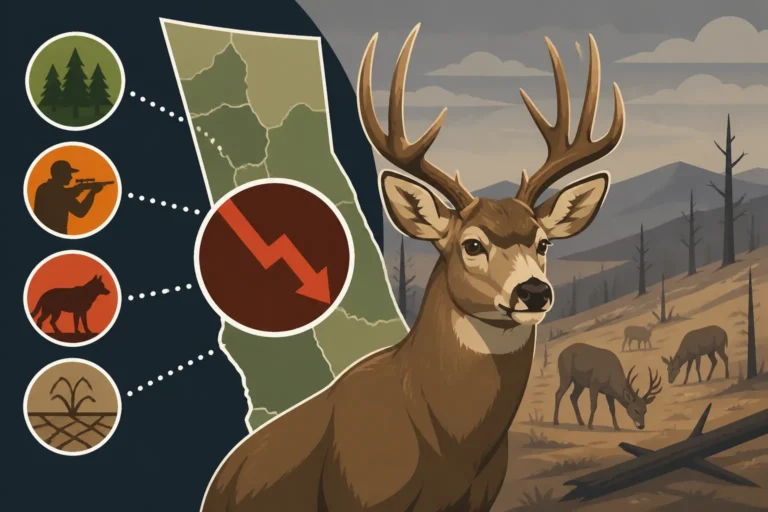
However, challenges remain, from habitat fragmentation to disease concerns like Chronic Wasting Disease (CWD). Continued responsible wildlife management, sound ethical hunting practices, and a deep understanding of whitetail biology will be essential to ensure that Alberta continues to produce those awe-inspiring, record-book bucks for generations to come. The hunt for a truly giant Alberta whitetail is as much about the journey and understanding the landscape as it is about the harvest itself.
Disclaimer
This article is for general informational purposes only and does not constitute professional advice. Laws, prices and regulations vary by location and change over time. Consult a qualified professional for guidance on your specific situation.