Where Hungarian Partridge Hold in Winter
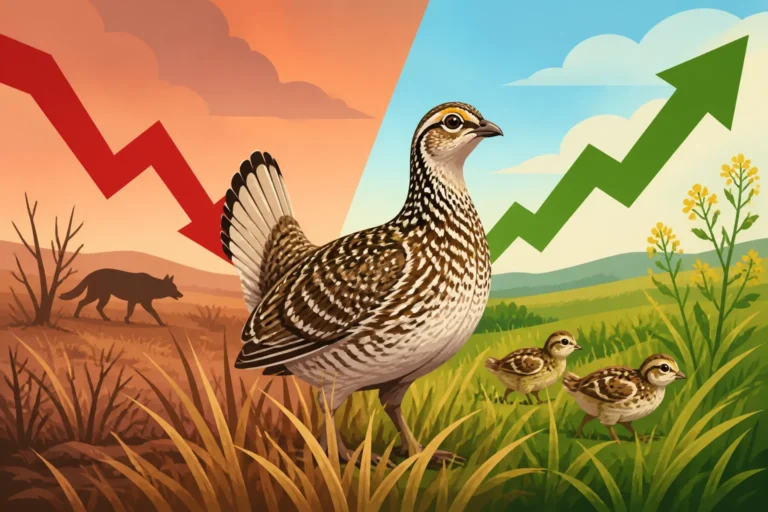
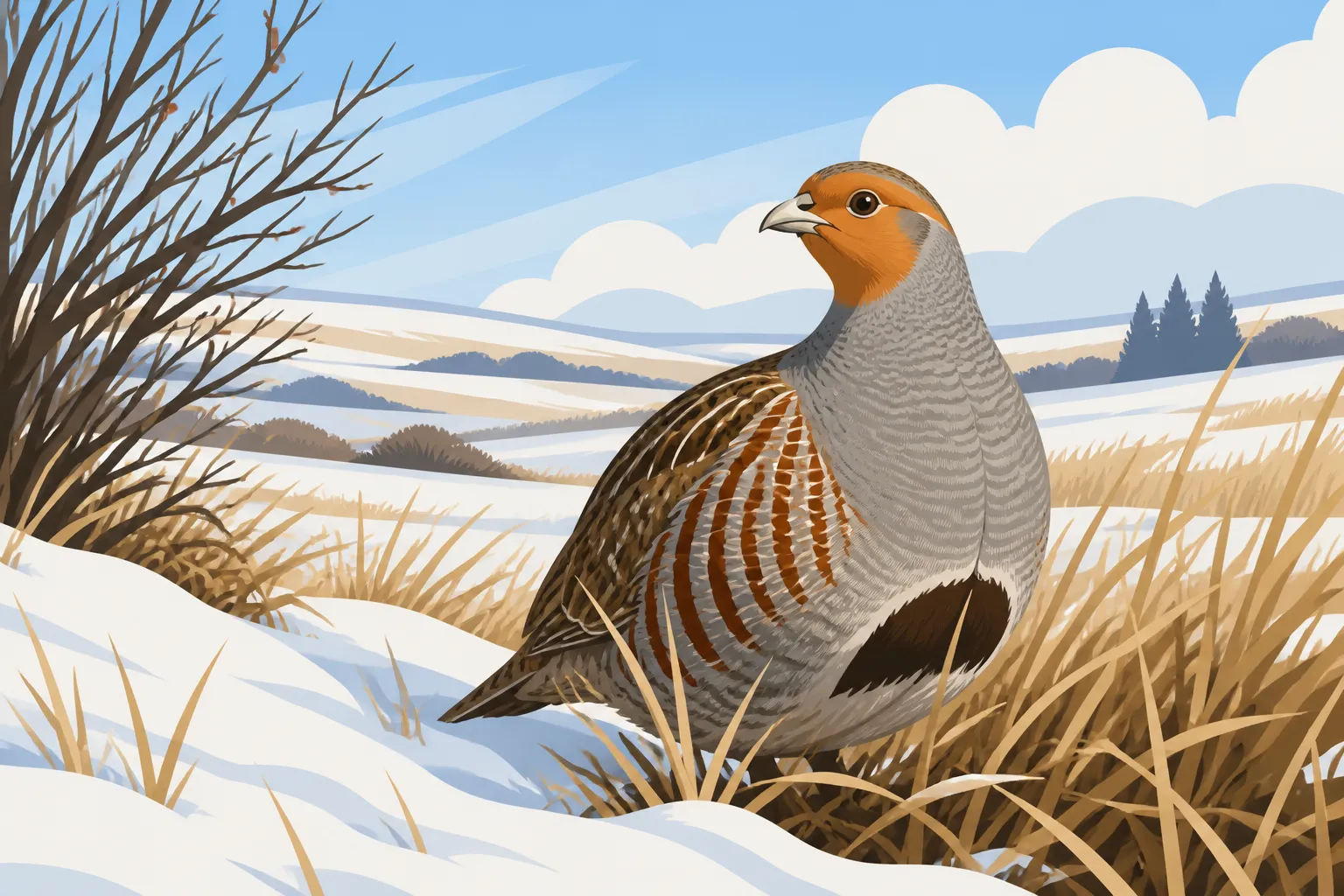
If you've ever bundled up for a winter hunt in Alberta, you know how incredibly challenging it can be to find upland birds like Hungarian Partridge once the snow starts to fly and the landscape transforms. It's not like the early season when they're buzzing everywhere. They seem to vanish, and figuring out where these resilient little game birds are hunkering down in the deep cold can feel like a guessing game. This guide will dive deep into understanding their winter survival strategies and pinpoint the exact kinds of cover and food sources where you're most likely to find Huns when the mercury drops.
Understanding Hungarian Partridge Behavior in Winter
Hungarian Partridge, affectionately known as Huns, are tough birds, but even they need to adapt significantly to survive Alberta's harsh winters. Their entire routine shifts from the bounty of fall to a desperate struggle for warmth and sustenance. If you want to find them, you've got to think like them and understand these fundamental changes.
The Critical Role of Snow Cover
Snow isn't just a nuisance for hunters; it's a double-edged sword for Huns. On one hand, light, fluffy snow can offer insulation. These birds are known to burrow into soft snow drifts, creating little "snow caves" that act as excellent thermal blankets against biting winds and extreme cold. It’s a remarkable survival tactic. They can stay hidden and relatively warm, conserving precious energy. On the other hand, heavy, crusty snow or a thick ice layer can be their undoing. When the snow is too deep or has a hard crust, it can bury their vital food sources, making it impossible for them to scratch through. Imagine trying to get at small seeds or frozen bugs under a solid sheet of ice – it’s a non-starter. This is why understanding the type and depth of snow is crucial to predicting where Huns might be able to feed and find cover. Hunting Alberta Winter Weather Safely isn't just about hunter comfort, it's about understanding how the weather dictates game behavior.
Foraging Habits and Food Sources
In the summer and fall, Huns have a smorgasbord of insects, green shoots, and ripe seeds to choose from. But winter? That's when their diet narrows dramatically. They become incredibly reliant on waste grain in stubble fields—especially those left unharvested or with significant spillage. Think about those vast wheat, barley, and pea fields after the combine has gone through; there’s always a little left behind. They'll also scratch for weed seeds, like pigweed, ragweed, and wild mustard, that manage to stand tall above the snow or are exposed along field edges. Finding these reliable food sources is paramount for their survival, and consequently, for your success. They'll expend considerable energy flying between cover and food, so finding areas that combine both is key.
Roosting and Thermal Cover Needs
Huns are not tree-roosting birds like pheasants or grouse. They prefer to roost on the ground, often in a tight circle, tails inward, heads outward, to maximize warmth and maintain watch for predators. This "wagon wheel" formation is a classic winter survival strategy. For ideal roosting and thermal cover, they need dense, low-growing vegetation that offers protection from wind and snow, while also providing concealment from aerial predators like hawks and owls, and ground predators like coyotes. Think thick stands of native grasses, brushy shelterbelts, or even dense patches of weeds along ditches. These spots break the wind and can accumulate just enough soft snow for them to burrow into. If you understand these basic needs, you can start to narrow down likely areas, even before you step out of your truck.
Identifying Key Winter Habitat for Huns
Knowing why Huns choose certain areas in winter helps you predict where they'll be. Alberta's diverse landscape offers various options, but specific features consistently draw them in. This isn't about finding a needle in a haystack; it's about understanding which haystacks are most likely to hold that needle.
Farm Edges, Shelterbelts, and Fence Rows
This is prime real estate for winter Huns. Farm fields provide the waste grain they need, but the open nature of these fields leaves them vulnerable. That's where shelterbelts, fence rows, and field edges come into play. A good shelterbelt, especially one composed of caragana, spruce, or dense willow, offers invaluable wind protection and thermal cover. These linear features often have uncultivated ground underneath them, allowing for weed growth and the accumulation of snow drifts perfect for burrowing. Similarly, overgrown fence rows provide a travel corridor and escape cover, connecting different feeding and loafing areas. They're like miniature highways and rest stops all in one. Pay close attention to south-facing edges where the sun might melt a little snow, exposing more food. Hunting a Shelterbelt Between Two Fields is a perfect example of targeting these high-value areas.
Unmowed Grasslands and Native Prairie
While Huns are often associated with agricultural land, patches of unmowed native grassland or even just neglected pastures can be winter havens. These areas, particularly if they feature taller, stiffer grasses like wheatgrass or fescue, provide excellent residual cover that stands up to snow. They create little pockets and tunnels that offer shelter and concealment. These areas might not have the same concentration of waste grain as a stubble field, but they often hold a consistent supply of weed seeds and insects, especially during periods of lighter snow cover. Look for draws, coulees, or slight depressions within these grasslands, as they offer additional protection from the elements. Hunting a Native Grassland Pasture can be incredibly productive for Huns, especially if it borders crop fields.
Proximity to Water Sources
Even in winter, access to water is important for Huns, although their needs are somewhat reduced and often met by consuming snow or dew. However, areas near frozen sloughs, dugouts, or slow-moving creeks can often feature different types of vegetation, such as willow and cattails, which provide denser cover than open fields. The edges of these water bodies might also have unique microclimates, where snow cover is thinner or specific types of weeds thrive. While you might not see them drinking from open water, the habitat complexity around these features makes them attractive. Often, these areas are less disturbed by human activity, offering a sense of security. Hunting a Slough Edge for Whitetails might be about deer, but the principles of finding dense cover near water apply equally to Huns.
Scouting and Hunting Strategies for Winter Huns
Alright, so you know what Huns need in winter and where they might find it. Now, how do you put that knowledge into practice? Winter hunting for Hungarian Partridge requires a bit more intentionality and patience than a sunny October walk.
Reading the Landscape for Winter Holding Areas
Before you even leave your truck, take a moment to really read the landscape. Look for the visual cues we just discussed:
- Stubble Fields: Identify fields with good waste grain. Pea stubble is particularly good, but wheat and barley can also be excellent.
- Shelterbelts and Tree Rows: Note their density, length, and proximity to stubble. Are they facing south for maximum sun exposure?
- Drainage Ditches and Coulees: These often hold thicker vegetation that acts as cover and can trap wind-blown seeds.
- Uncultivated Corners: Look for those neglected spots where weeds have gone to seed and provide structure above the snow.
- Snow Patterns: Observe how the wind has sculpted the snow. Are there soft drifts where birds could burrow? Is there a hard crust that would prevent foraging?
Using satellite imagery or hunting apps can be invaluable for this initial scouting. Platforms like GoHunt, or other similar mapping tools, allow you to identify these features from your couch, helping you plan your route and focus your efforts. Look for contrasting textures and colors that indicate different types of cover. A dense, dark line against a white field almost screams "shelterbelt!"
Best Times of Day and Weather Conditions
Hunting Huns in winter often means hunting smarter, not harder. The birds are conserving energy, so they’ll often have predictable patterns.
- Mid-morning to Mid-afternoon: After a cold night, Huns will often stay tucked into their thermal cover. They'll typically emerge later in the morning once the sun has had a chance to warm things up a bit and they've worked up an appetite. They'll feed intensely for a few hours before retreating to cover for the late afternoon.
- Sunny, Calm Days: These are golden opportunities. The sun provides warmth, making birds more active, and the lack of wind makes it easier for them to hear, see, and for you to hear them flush.
- Just After a Light Snowfall: A fresh, light snow can be fantastic. It covers old scent, yes, but it also reveals fresh tracks, showing you exactly where the birds are moving between cover and food. It also might soften previous crusts, making food more accessible.
- Avoid Extreme Cold and High Wind: On days with brutal wind chills or blizzards, Huns will be hunkered down, possibly snowed-in, and nearly impossible to flush. It's often safer and more ethical to stay home.
Working With a Dog for Optimal Success
Hunting Hungarian Partridge in winter without a good bird dog is like trying to find a specific grain of sand on a beach. It's incredibly difficult. Huns hold tight in cold weather, often flushing silently or running long distances. A well-trained pointing or flushing dog is your greatest asset.
- Pointing Dogs: A pointing dog can lock onto scent, allowing you to walk in for the flush, knowing exactly where the birds are. This is particularly effective when Huns are holding tight in dense cover. A good pointer will enable you to find birds you'd undoubtedly walk past. Using a Pointing Dog on Alberta Prairie is a skill worth developing for exactly this type of hunting.
- Flushing Dogs: Even a good flushing dog, like a Labrador or Springer Spaniel, can be invaluable for busting birds out of thick weeds or heavy snow. They cover ground efficiently and force birds into the air that might otherwise run or stay hidden.
- Training and Commands: Ensure your dog is conditioned for cold weather and knows commands like "whoa," "heel," and "fetch." Snow and ice can be hard on paws, so dog boots might be necessary. Keep an eye on your dog for signs of hypothermia or exhaustion.
Common Challenges and Troubleshooting Your Winter Hunt
Winter hunting isn't without its unique set of headaches. Even with the best scouting and a great dog, Alberta's winter can throw curveballs. Anticipating these challenges and having a plan can make all the difference.
Dealing with Heavy Snow and Ice
When Alberta gets hit with a proper dump of snow, or worse, a freezing rain event, things get tough for both hunter and birds.
- Deep Snow: If the snow is too deep, you'll be slogging, burning energy, and making lots of noise. The birds will be even more reluctant to flush. Focus your efforts on areas where the snow depth is more manageable, such as windswept ridges or areas with less accumulation. Look for tracks along field edges where the snow might be shallower. Consider using snowshoes if you're determined, but often, it's a sign to find a different area or wait for conditions to improve.
- Crusty Snow/Ice: This is the worst. A hard crust prevents Huns from accessing their food. If you hear that crunch under your boots, imagine what it's like for a small bird trying to scratch. On such days, Huns might abandon typical feeding areas for places where food is more exposed, like steep, south-facing banks that shed snow quickly, or where farm machinery has broken up the crust. These are tough days to hunt, and often, the birds will be extremely concentrated in very few accessible areas, or simply won't be feeding at all.
Hunter Pressure and Skittish Birds
Hungarian Partridge, like most game birds, learn quickly. If an area receives a lot of pressure, especially on public land or easily accessible private land, the birds will become extremely skittish.
- Early Season Pressure: Birds that have been hunted heavily in the early fall will be much warier by winter. They'll flush at longer distances, often out of range, or run on the ground well ahead of you and your dog.
- Finding Unpressured Spots: This often means going the extra mile. Look for access points that are less obvious, or walk deeper into areas that others don't bother with. Identifying crown land that's surrounded by private parcels can reveal pockets of less-pressured birds. Tools like GoHunt or other land access maps can highlight these underutilized areas. Sometimes, just walking an extra quarter-mile from the truck can put you into birds that haven't seen a hunter all season.
- Adjusting Your Approach: If birds are flushing wild, try a wider, slower walk. Use the wind to your advantage, approaching from downwind so your scent carries ahead, or from crosswind if you want to give your dog a better chance at scenting. Sometimes a silent approach, letting the dog work far ahead, is best.
Getting Permission on Private Land
Alberta's landscape is a mosaic of public and private land, and much of the best Hun habitat is often on private agricultural properties. Getting permission is paramount, not just for success, but for respecting landowners and ensuring access for all hunters in the future.
- Knocking on Doors: This is the tried-and-true method. Be polite, dress presentably, and always ask for permission in person. Explain what you're hunting, where you plan to go, and ask about specific areas they prefer you avoid (e.g., near livestock, buildings, or sensitive habitats). Asking an Alberta Landowner for Permission is an art form, and consistency and respect are key.
- Respecting "No Hunting" Signs: If land is posted, respect it. There's always another field.
- Building Relationships: If you get permission, leave the property cleaner than you found it. Offer to share some game or help with a small chore. A good relationship with a landowner can grant you access for years to come.
- Using Online Tools: While knocking on doors is vital, some online mapping tools can help you identify land ownership, though direct contact information is rarely provided. These tools are excellent for pre-scouting but don't replace face-to-face interaction. GoHunt and other similar platforms can show you land parcels and public access points, giving you a starting point. Reading Alberta's Crown Land Layers on onX is a great way to differentiate public from private.
When you're out there, remember The Hungarian Partridge Daily Limit and always hunt ethically and safely.
| Winter Habitat Type | Key Features for Huns | Why Huns Hold There | Scouting Tip |
|---|---|---|---|
| Shelterbelts | Dense trees/shrubs, often bordering fields. | Windbreak, thermal cover, overhead concealment. | Look for length, density, and proximity to stubble fields. |
| Field Edges/Fence Rows | Overgrown weeds, brush along field margins. | Food (weed seeds, waste grain), travel corridors, quick cover. | Check for unharvested strips, taller weeds, south-facing exposure. |
| Unmowed Grasslands | Taller, stiffer grasses, often undulating terrain. | Residual cover, nesting habitat, insect/seed sources. | Focus on depressions, coulees, and undisturbed patches. |
| Stubble Fields | Post-harvest crop residue (wheat, barley, peas). | Primary winter food source (waste grain). | Identify fields with visible waste grain; often used with cover. |
| Slough/Dugout Edges | Mix of willows, cattails, sedges. | Dense cover, microclimates, potential weed seeds. | Look for sheltered pockets of dense vegetation around water. |
Disclaimer
This article is for general informational purposes only and does not constitute professional advice. Laws, prices and regulations vary by location and change over time. Consult a qualified professional for guidance on your specific situation.