Canada Goose Numbers in the Cities
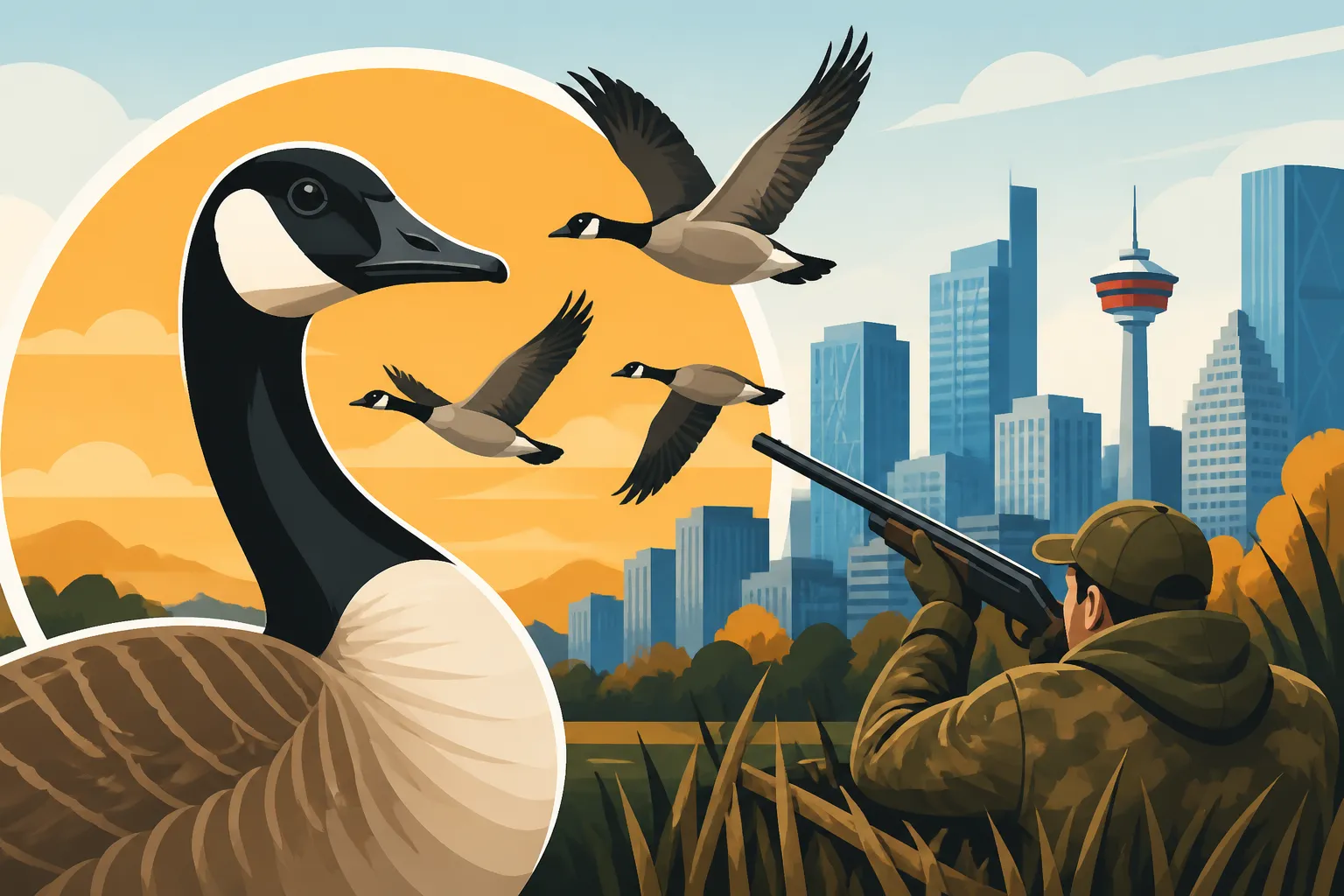
Many city dwellers across Alberta have noticed a significant shift in Canada Goose populations, particularly within our urban and suburban environments. What once felt like an occasional sight in a city park has now become a constant presence on golf courses, sports fields, and even residential lawns, bringing with it both a sense of wild beauty and, let's be honest, some considerable frustrations. This guide will dive deep into why these adaptable birds are increasingly making themselves at home in our bustling cities, the real-world impacts they have on our shared spaces, and what various options exist for managing their ever-growing numbers.
The Allure of Urban Living for Canada Geese
It might seem counterintuitive for a wild bird like the Canada Goose to thrive amidst the concrete and commotion of a city, but for many waterfowl, urban areas offer a surprising bounty of ideal conditions. These aren't just accidental visitors; they've actively chosen to make our towns and cities their home, and for very good reasons.
Abundant Food Sources and Manicured Landscapes
Think about what makes a perfect goose habitat in the wild: open water, lush grasses, and relatively safe nesting spots. Now, consider your local city park, golf course, or even a well-maintained corporate campus. What do you see? Expansive, impeccably mowed lawns, often fertilized and irrigated, providing a constant buffet of tender, nutritious grass. Geese are primarily grazers, and these manicured landscapes are literally an all-you-can-eat salad bar for them, available practically year-round where snow cover isn't too deep.
Beyond the grass, many urban areas feature retention ponds, decorative fountains, and storm drainage systems that create small, sheltered bodies of water. These provide safe drinking water, bathing opportunities, and, crucially, a place for young goslings to learn to swim and forage. We've inadvertently created a five-star resort for them, complete with endless greens and private swimming pools. Unlike natural wetlands, these urban water bodies often lack significant aquatic predators, making them even more appealing. The constant human activity, while sometimes a nuisance, also deters many natural predators that might otherwise target eggs or goslings. It’s a low-effort, high-reward lifestyle for a goose, and they've figured it out beautifully.
Safety from Predators and Hunting Pressure
In natural environments, Canada Geese face a host of predators: coyotes, foxes, raptors, and various other hunters on the landscape. They also contend with hunting pressure during open seasons, which keeps populations in check. Within city limits, however, most of these natural threats are significantly reduced. Domesticated dogs might chase them, but they rarely pose a fatal threat. True predators like coyotes are often less prevalent or more wary in densely populated urban cores, although this isn't always the case in fringe areas where urban meets wild.
More importantly for many goose populations, urban areas are generally off-limits to hunting. This creates a sanctuary where geese can feed, nest, and raise their young without fear of being pursued by hunters. This complete lack of hunting pressure, coupled with a higher survival rate for goslings due to reduced predation, means that urban goose populations can grow unchecked. These birds learn quickly that the city offers a safe haven, a stark contrast to the more dangerous rural areas. This phenomenon contributes significantly to the increasing numbers we see, as generations of geese are born and raised in these urban sanctuaries, never feeling the need to migrate far, if at all.
Ideal Nesting and Rearing Grounds
Urban environments often provide surprisingly perfect nesting sites. Think about those small islands in decorative ponds, the dense shrubs around office buildings, or even the roofs of low-rise structures. These locations offer elevated, secluded spots that protect nests from ground predators like skunks and raccoons, which might be more common in suburban fringes but less so in city centers. The proximity to food and water means females don't have to travel far from their nests, conserving energy.
Once goslings hatch, urban environments offer numerous advantages. The short, manicured grass makes foraging easy for small beaks, unlike taller, tougher wild grasses. The calm, protected waters of urban ponds are safer for young, clumsy goslings than fast-moving rivers or vast lakes with larger predatory fish. Public parks and green spaces often have fewer obstacles or dangers like tangled brush, making it easier for adults to keep track of their brood. Furthermore, the sheer volume of human presence, while sometimes irritating, often discourages other wildlife that might pose a threat to vulnerable goslings. Essentially, cities have become enormous, predator-reduced nurseries, allowing a much higher percentage of young geese to survive to maturity, contributing directly to the burgeoning urban flocks.
The Growing Challenges of Urban Goose Populations
While a few geese grazing peacefully might be a picturesque sight, their rapidly increasing numbers in urban settings are leading to a host of practical problems for residents, municipalities, and even the geese themselves. The conflicts are real and touch upon various aspects of urban living.
Environmental and Health Concerns
Perhaps the most visible and widely experienced issue is the sheer volume of droppings. A single Canada Goose can produce a significant amount of waste daily, and when you have hundreds or even thousands of birds congregating in one area, the accumulation is astounding. These droppings coat sidewalks, park benches, playgrounds, golf courses, and private lawns, making recreational areas unpleasant and unhygienic. Children playing in parks, or golfers trying to enjoy a round, often find themselves navigating a minefield of goose waste.
Beyond the aesthetic and cleanliness issues, there are genuine health concerns. Goose droppings can contain various bacteria and parasites, such as E. coli and Giardia, which can pose a risk to human health, especially in areas where direct contact is likely, like playgrounds or swimming beaches. While serious infections are rare, the potential is there, and it's a legitimate concern for public health officials. Furthermore, large quantities of goose droppings can contribute to nutrient loading in urban ponds and waterways. This excess nitrogen and phosphorus can fuel algal blooms, degrading water quality, reducing oxygen levels, and harming other aquatic life. Managing water quality in urban ponds becomes significantly more challenging when they're essentially serving as giant goose toilets.
Damage to Property and Green Spaces
The impact of large goose flocks extends far beyond just droppings; they cause tangible damage to property and infrastructure. Their constant grazing on manicured lawns can quickly turn lush green spaces into bare, muddy patches. This is particularly evident on sports fields, golf course fairways, and residential properties where turf is a significant investment. Geese literally eat the grass down to the roots in places, hindering regrowth and making these areas unusable or unsightly.
Moreover, their strong beaks and powerful legs can disrupt newly planted seedlings, flowerbeds, and even small shrubs. They might pull up young plants while grazing or trample delicate vegetation. Along the edges of ponds and waterways, their constant activity can lead to significant erosion, destabilizing banks and requiring costly repair work from municipalities. Golf courses, in particular, face substantial costs in turf repair and deterring geese from greens and fairways, often having to deploy specialized tactics to keep the flocks moving. It's a continuous battle to maintain the integrity and appearance of these costly urban green spaces.
Conflicts with Human Activities
The presence of large goose populations inevitably leads to direct conflicts with human activities. For runners, cyclists, and families trying to enjoy a stroll in the park, navigating around aggressive geese can be intimidating. During nesting season, protective parents can become quite territorial and confrontational, hissing, chasing, or even pecking at anyone they perceive as a threat to their eggs or goslings. This can make certain areas of parks or pathways feel unsafe, especially for children or pets.
Beyond aggression, their sheer numbers can overwhelm certain facilities. Public beaches might be closed due to excessive droppings. Golf courses see their rounds impacted as players have to contend with birds on the course. Outdoor events, picnics, and festivals can be disrupted by the birds and their mess. This directly affects the quality of life for urban residents who value these shared spaces. The goal isn't to eliminate geese entirely, but to find a balance where human and wildlife can coexist without constant friction and damage. This often requires understanding their behavior and implementing thoughtful management strategies.
Strategies for Coexistence and Management
Addressing the rising numbers of Canada Geese in Alberta's cities isn't about eradicating them entirely; it's about finding sustainable ways for humans and wildlife to coexist with minimal conflict. This often involves a multi-pronged approach combining various techniques.
Non-Lethal Deterrence Methods
Many communities start with non-lethal methods, aiming to make urban areas less attractive to geese without causing them harm. These strategies require persistence and consistency to be effective, as geese are intelligent and adaptable. One common approach is habitat modification. This involves making areas less appealing for grazing by allowing grass to grow taller in certain sections, planting shrubs or taller vegetation along pond edges to block easy access to water, or even installing fences. Geese prefer unobstructed views to spot predators, so dense plantings can make them feel vulnerable.
Another popular method is hazing. This involves using various techniques to scare geese away repeatedly. This could be as simple as walking a dog through an area (if regulations allow and the dog is controlled) or employing specialized noisemakers, lasers, or even remote-controlled vehicles designed to look like predators. The key here is consistency; geese quickly learn if the "threat" isn't real or persistent. Organizations specializing in goose management often utilize trained border collies, which have a natural herding instinct and can effectively move flocks without harming them. Some municipalities even employ "goose patrol" teams dedicated to this persistent hazing. It's a game of making the urban environment feel less safe and more annoying for them, encouraging them to find greener pastures elsewhere.
Public Education and Community Involvement
One of the most crucial, yet often overlooked, aspects of urban wildlife management is public education. Many conflicts arise because people, with good intentions, feed geese. While it might seem harmless, feeding geese habituates them to humans, makes them less wary, and concentrates them in specific areas. It also provides an unnatural food source that can lead to nutritional deficiencies and further reduces their natural foraging instincts. Educational campaigns through signage in parks, community newsletters, and social media can inform residents about the detrimental effects of feeding waterfowl and encourage responsible behavior.
Beyond feeding, community involvement can extend to reporting large congregations, nesting sites, or aggressive birds to local authorities or wildlife management groups. Volunteers can assist in habitat modification efforts, such as planting deterrent vegetation or participating in non-lethal hazing programs. When citizens understand the "why" behind management strategies and feel empowered to contribute positively, the overall effectiveness of these programs significantly increases. For example, understanding seasonal behaviors, which you can sometimes track using tools like GoHunt for larger migratory patterns, can help communities predict when goose presence might increase and proactively manage spaces.
Regulated Management and Hunting Outside City Limits
When non-lethal methods prove insufficient, or populations reach unsustainable levels, more direct management strategies become necessary. For eggs, addling (shaking eggs to prevent development) or oiling (coating eggs with corn oil to prevent oxygen exchange) are common humane methods used by permitted individuals to reduce reproductive success without harming adult birds. These methods are most effective when applied consistently over several years, targeting specific problematic nesting sites. Municipalities usually require specialized permits for these activities.
In severe cases, and always under strict regulatory oversight, culling or relocation may be considered. Relocation is often challenging as geese tend to return to their original territory or simply become a problem in a new location. Culling, if absolutely necessary, is typically a last resort and must be done humanely and with all necessary permits from provincial and federal wildlife authorities.
For hunters, it's important to remember that general hunting seasons for Canada Geese exist outside city limits. While urban areas are sanctuaries, hunters play a vital role in managing overall goose populations in rural and agricultural areas. Understanding Alberta's Migratory Bird Permits and Goose Season Dates by Zone is crucial for those participating in regulated hunting. This helps control regional populations and can indirectly reduce pressure on urban areas as well. Consulting resources like GoHunt can help hunters find legal hunting opportunities and understand migration patterns, contributing to population management beyond the cityscapes.
Understanding Regulations and Responsible Practices
Navigating the complexities of urban wildlife management, especially concerning Canada Geese, requires a clear understanding of the rules and an adherence to responsible, ethical practices. It's not just about what we want to do, but what we can and should do within the established legal frameworks.
Legal Aspects of Urban Wildlife Management
In Alberta, Canada Geese are considered migratory game birds and are primarily protected under federal legislation, specifically the Migratory Birds Convention Act. This means that any actions involving geese, their nests, or their eggs require careful consideration and often a permit from Environment and Climate Change Canada, even within city limits. It's not simply a matter of local bylaws. For instance, disturbing a nest or destroying eggs without proper authorization is illegal. Municipalities or landowners looking to implement control measures like egg addling or relocation must first obtain the necessary permits and often work with provincial wildlife officials.
Understanding the legal landscape is critical for both residents and local authorities. For individuals, this means refraining from harassing geese, their nests, or goslings, and certainly not attempting any unauthorized removal or harm. While feeding geese isn't typically illegal, it's strongly discouraged and can be problematic. If an individual encounters aggressive geese or significant issues, the first step should always be to contact local animal control or municipal services, who can then liaise with provincial and federal authorities to ensure any actions taken are legal and appropriate. It also means recognizing that hunting for geese, while a legitimate population control measure, is strictly confined to designated hunting areas and seasons outside of urban boundaries, as outlined in Alberta Game Bird Seasons and Limits.
The Role of Science in Population Control
Effective long-term management of urban Canada Goose populations relies heavily on sound scientific data and ecological understanding. Wildlife biologists study goose population dynamics, nesting success rates, survival rates, and movement patterns to develop effective strategies. This involves monitoring population trends, assessing the impact of various control measures, and understanding how environmental factors, such as habitat availability and food sources, influence urban goose numbers. Scientific research helps differentiate between localized nuisances and broader regional population booms.
For instance, understanding Alberta's Waterfowl and Migration Routes provides context for why certain urban areas might see higher numbers at different times of the year. This scientific approach helps ensure that management efforts are humane, effective, and sustainable, rather than simply reactive. It also helps in educating the public about the natural behaviors of these birds and the ecological reasons behind their urban proliferation. When residents see geese congregating in large numbers, tools like GoHunt, while primarily for hunters, can offer insights into waterfowl movements and historical data that might shed light on regional population densities, helping everyone understand the bigger picture of where these birds are coming from and why they're choosing city life. Ultimately, responsible management is about using the best available science to maintain healthy ecosystems for both humans and wildlife.
| Urban Goose Challenge | Description | Common Solutions | Effectiveness Notes |
|---|---|---|---|
| Excessive Droppings | Fecal matter accumulation on lawns, sidewalks, and recreational areas, posing hygiene and aesthetic issues. | Habitat modification (taller grass), hazing, public education (no feeding), designated "no-go" zones. | Requires consistent application; public buy-in on no-feeding is crucial. |
| Property Damage | Grazing damages turf, trampling of gardens, erosion of pond banks. | Fencing, specific deterrent plants, hazing, habitat barriers. | Effective for specific areas but can be costly to implement broadly. |
| Aggressive Behavior | Geese hissing, chasing, or attacking people, especially during nesting season. | Hazing (especially with trained dogs), avoiding known nesting areas, public awareness. | Critical during nesting season; consistency is key to changing behavior. |
| Water Pollution | Nutrient loading from droppings leading to algal blooms and reduced water quality in urban ponds. | Reduce overall goose population in the area (addling/oiling eggs, hazing), water treatment. | Long-term solutions require reducing goose presence, not just cleaning water. |
| Overpopulation | Unsustainable numbers leading to widespread issues across urban areas. | Egg addling/oiling programs, regulated hunting outside city limits, population monitoring. | Most effective when combined with other deterrents and sustained over multiple years. |
Disclaimer
This article is for general informational purposes only and does not constitute professional advice. Laws, prices and regulations vary by location and change over time. Consult a qualified professional for guidance on your specific situation.