Where Alberta’s Bison Herds Are
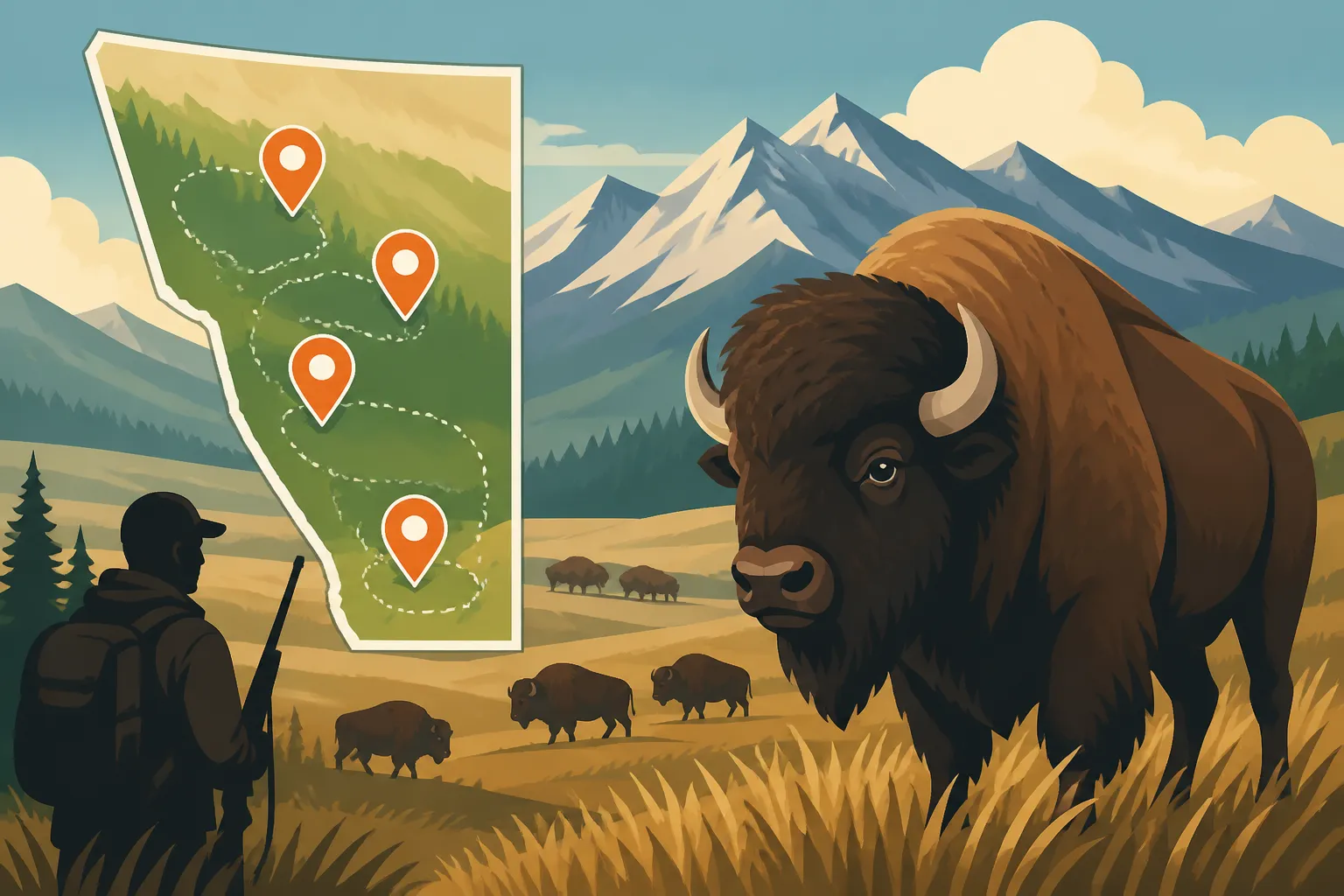
Many folks moving to or hunting in Alberta often wonder about the mighty bison. They hear tales of vast herds, but then they arrive and realize the reality is quite different from what they might have imagined. The truth is, genuinely wild, huntable bison are not a common sight across most of the province, leading to a lot of confusion and even disappointment for those hoping to connect with these iconic animals. This guide will clarify exactly where Alberta's bison herds can be found today, distinguishing between wild, conservation, and ranching populations, and shed light on why hunting opportunities for wild bison are exceptionally rare, if not non-existent, for the average hunter.
A Storied Past: Bison Across Alberta's Landscapes
Before we talk about where bison are today, it's important to understand where they came from. The history of bison in Alberta is a dramatic saga of immense numbers, near-total disappearance, and incredible, dedicated conservation efforts. It helps put into perspective why seeing a wild bison isn't as simple as driving out to the nearest open field.
From Roaming Herds to Near Extinction
Imagine the Alberta landscape centuries ago: vast prairies stretching to the horizon, dotted with millions of plains bison. They were an ecological force, shaping the grasslands, creating wallows, and serving as the lifeblood for Indigenous peoples. Their migrations were legendary, their numbers seemingly endless. However, with European settlement, the demand for hides and meat, coupled with intentional eradication efforts to subdue Indigenous populations, led to a catastrophic decline. By the late 1800s, the once-uncountable herds were reduced to a mere few hundred individuals across all of North America. It's almost unfathomable to think that an animal so prolific could be brought to the brink so quickly. The plains that once thundered with their hooves fell silent, a stark reminder of human impact.
The Long Road to Recovery and Reintroduction
The recognition of this immense loss spurred early conservationists into action. Starting with small private herds and a handful of dedicated individuals, efforts began to save the bison from total extinction. In Alberta, this meant careful management and reintroduction to protected areas. It wasn't about simply releasing them; it was about protecting the remaining genetics, ensuring their survival, and finding suitable habitats where they could thrive without coming into conflict with agricultural development. This monumental task involved acquiring animals from various sources, meticulously tracking their health, and creating sanctuaries where they could once again live in relative wildness. This phase was about stopping the bleeding and beginning the slow, arduous process of healing a landscape and its most iconic inhabitant.
Where to Find Bison Herds in Alberta Today
When most people think of bison in Alberta, they often picture a vast, free-roaming wild herd akin to what you might see in parts of the northern territories or a century ago. While some truly wild populations exist, primarily wood bison in the far north, the majority of Alberta's bison are found within protected national parks or are part of private ranching operations.
Wood Buffalo National Park: The Largest Wild Herd
If you're looking for truly wild bison in Alberta, your gaze must turn north, far north, to the remote corners of Wood Buffalo National Park. Straddling the Alberta-Northwest Territories border, this is the largest national park in Canada and home to the largest free-roaming herd of wood bison in the world. These aren't the smaller plains bison of historical lore but a larger, darker subspecies adapted to the boreal forest. The park encompasses a massive area of forests, wetlands, and prairies, providing ample habitat for these magnificent creatures.
Seeing them here means venturing into genuine wilderness. These bison are not fenced or managed in the traditional sense; they live out their lives as wild animals, interacting with predators like wolves and facing the challenges of natural cycles. Their range extends beyond the official park boundaries into adjacent provincial lands, particularly in the Peace-Athabasca Delta region and surrounding areas. This northern population represents our best hope for preserving truly wild bison behavior and genetics on a grand scale within Alberta, albeit in a very remote and often inaccessible landscape. While you might use tools like GoHunt to scout other species in more accessible WMUs, the scale and remoteness of Wood Buffalo National Park make traditional hunting planning very different, as wild bison hunting isn't a readily available option there.
Elk Island National Park: A Sanctuary for Conservation
Closer to populated areas, specifically east of Edmonton, lies Elk Island National Park. This park is a critical success story in bison conservation, but it's important to understand its role. Elk Island is a fully fenced national park that serves as a genetic reservoir for both plains bison and wood bison. The herds within Elk Island are managed very carefully, acting as a "Noah's Ark" for bison genetics. Animals from Elk Island have been sent to re-establish herds in other parts of North America and even internationally.
While these bison live in a large, natural environment and exhibit wild behaviors, they are not free-ranging in the same way the Wood Buffalo population is. They are part of a meticulously managed program, with population controls implemented through transfers to other parks or Indigenous communities, rather than traditional public hunting. Visitors to Elk Island National Park have an excellent opportunity to view these magnificent animals up close in their natural habitat, often just a short drive from major urban centers. It's an incredible experience to witness these animals thriving, knowing they were brought back from the brink here.
Smaller, Managed, and Private Herds
Beyond these two major national park populations, Alberta also has several smaller, managed bison herds and a significant number of private bison ranching operations.
- Other Conservation Areas: There might be smaller, specific conservation initiatives or managed herds in other localized areas, sometimes within provincial parks or ecological reserves. These are typically smaller populations focused on research, genetic preservation, or habitat restoration. Access to these areas and their bison is generally restricted, and they are definitely not open to hunting.
- Private Ranches: A significant portion of Alberta's bison population today is found on private ranches. These are commercial operations raising bison for meat, much like cattle. These animals are livestock, and while they retain many of their wild instincts, they are managed within fences and are not considered wild game. If you're interested in bison meat, these ranches are the primary source. Some of these operations might even offer "hunts" on their fenced properties, but this is a commercial venture for livestock, not a wild game hunt governed by provincial hunting regulations. It's a completely different experience from pursuing wild big game.
Here's a quick comparison of the types of bison populations in Alberta:
| Population Type | Location | Status | Hunting Opportunity | Primary Purpose |
|---|---|---|---|---|
| Wood Bison (Wild) | Wood Buffalo National Park (far northern Alberta) | Wild, free-roaming | None | Ecological preservation, natural ecosystem |
| Plains/Wood Bison (Managed) | Elk Island National Park (near Edmonton) | Managed, fenced | None | Genetic conservation, reintroduction source |
| Smaller Conservation Herds | Various localized protected areas | Managed, often fenced | None | Research, habitat restoration |
| Private Ranch Bison | Throughout agricultural areas | Domestic livestock | Commercial/private | Meat production, commercial ventures |
The Critical Role of Bison in Alberta's Ecosystem
The presence of bison, whether wild or in managed conservation settings, holds immense ecological importance for Alberta's landscapes. Their unique behaviours and grazing patterns contribute to the health and biodiversity of the environments they inhabit.
Ecological Engineers and Grassland Health
Bison are often referred to as "ecological engineers" because of the profound impact they have on their environment. Their grazing habits, where they selectively eat certain grasses and leave others, create a mosaic of plant heights and species diversity. This varying structure provides habitat for a wider range of insects, birds, and small mammals. Their wallowing creates depressions that collect water, forming temporary wetlands crucial for amphibians and invertebrates. The disturbance they cause by trampling and rubbing on trees also helps create clearings and rejuvenates plant growth.
Furthermore, their dung enriches the soil, returning nutrients and supporting a whole ecosystem of decomposers. When you look at an ecosystem where bison thrive, whether in Wood Buffalo or Elk Island, you see a more resilient and vibrant landscape. This integral role is a major reason why their conservation goes beyond just saving a species; it's about restoring a vital piece of the prairie and boreal ecosystems. Understanding the delicate balance helps us appreciate the complexity of Alberta's Wildlife Management Units and the unique challenges faced in different regions for various species.
Facing Modern Challenges: Disease and Genetics
While the comeback of bison is a conservation triumph, these populations still face significant challenges, particularly concerning disease and genetic diversity. In Wood Buffalo National Park, a major concern has been the presence of bovine tuberculosis and brucellosis within the wild wood bison herd. These diseases pose a risk to domestic cattle operations in surrounding areas, creating complex management dilemmas and debates about control measures, including culling or establishing disease-free zones. This is not dissimilar to the challenges faced by deer with Alberta's CWD Testing Requirements, where disease management is a constant balancing act.
Maintaining genetic diversity is also crucial. Small, isolated herds can suffer from inbreeding, making them less resilient to environmental changes or new diseases. Conservation efforts meticulously track genetics to ensure the long-term health and adaptability of these herds. These challenges highlight that bison conservation is an ongoing, dynamic process, far from a solved problem, requiring continuous scientific study and careful management decisions.
Hunting Alberta Bison: A Very Different Landscape
For hunters eager to pursue big game, the idea of hunting an iconic animal like a bison is incredibly appealing. However, when it comes to wild bison in Alberta, the reality is that opportunities are virtually non-existent for the general public. This contrasts sharply with other species like White-Tailed Deer, Alberta's Most Hunted Big Game or Moose Across Alberta's Boreal and Foothills, which have established hunting seasons.
Protected Status and Limited Opportunities
Alberta's wild bison populations are primarily protected, existing within national parks or as part of managed conservation programs where hunting is not permitted. The Wood Buffalo National Park herd, while wild and free-ranging, falls under federal park regulations, which explicitly prohibit hunting. Similarly, the herds within Elk Island National Park are managed as a genetic reserve, with population control primarily through transfers to other conservation programs or Indigenous groups, not public hunting seasons.
There may be very rare, highly specific, and extremely limited hunting opportunities for free-ranging bison on provincial land adjacent to Wood Buffalo National Park, perhaps through specific Indigenous harvest rights or extremely infrequent special draws, but these are not consistent or widely available. For the vast majority of resident and non-resident hunters, pursuing a wild bison in Alberta is simply not an option. It's a protected species in this context, viewed more as a conservation success story to be preserved than a general game animal. If you were looking to research opportunities, even a powerful tool like GoHunt would not list general public draws for wild Alberta bison.
The Distinction: Wild Bison Versus Ranch Bison
It's essential to reiterate the difference between wild bison and ranch bison when discussing hunting. As mentioned, there are numerous private bison ranches across Alberta. Some of these operations offer "canned hunts" or "guaranteed hunts" where you can pay a fee to harvest a bison within a fenced enclosure. While this provides an opportunity to take a bison, it is fundamentally a livestock harvest, not a wild hunt. These operations are regulated more like agricultural businesses than traditional hunting outfitters, and the experience is far removed from stalking a truly wild animal in its natural habitat.
For those interested in the meat or the trophy, a ranch hunt might be an option, but it won't satisfy the desire for a true wild hunting adventure. It's crucial for hunters to understand this distinction and decide what kind of experience they are truly seeking. While you might consult resources like GoHunt for information on Rifle Hunting Alberta's General Seasons for deer or elk, you won't find wild bison seasons listed there.
Exploring Other Big Game Opportunities
While wild bison hunting in Alberta is not a viable option for most, the province offers an incredible array of other big game hunting opportunities that are both challenging and rewarding. From the majestic Mule Deer in Alberta's Open Country on the prairies to the elusive Black Bears in Alberta's Forests and Foothills, there's a hunt for almost every interest and skill level.
Hunters can explore options for Whitetail Hunting in Alberta, try their hand at Elk Hunting Alberta's Foothills, or even pursue draw-only species like Hunting Alberta's Pronghorn Draw or sheep, with Bighorn Sheep in Alberta's Mountains. Each of these species offers a unique challenge and the chance to experience Alberta's diverse landscapes. Before planning any hunt, familiarize yourself with Alberta Hunting Licences and What They Cost, Alberta's Special Licence Draws, and the specific regulations for the species and Alberta's Wildlife Management Units you are interested in. While wild bison remain largely a conservation success story to be viewed and appreciated from a distance, the rest of Alberta's wild landscape is rich with other incredible hunting experiences.
Disclaimer
This article is for general informational purposes only and does not constitute professional advice. Laws, prices and regulations vary by location and change over time. Consult a qualified professional for guidance on your specific situation.