Diseases Alberta Game Managers Watch
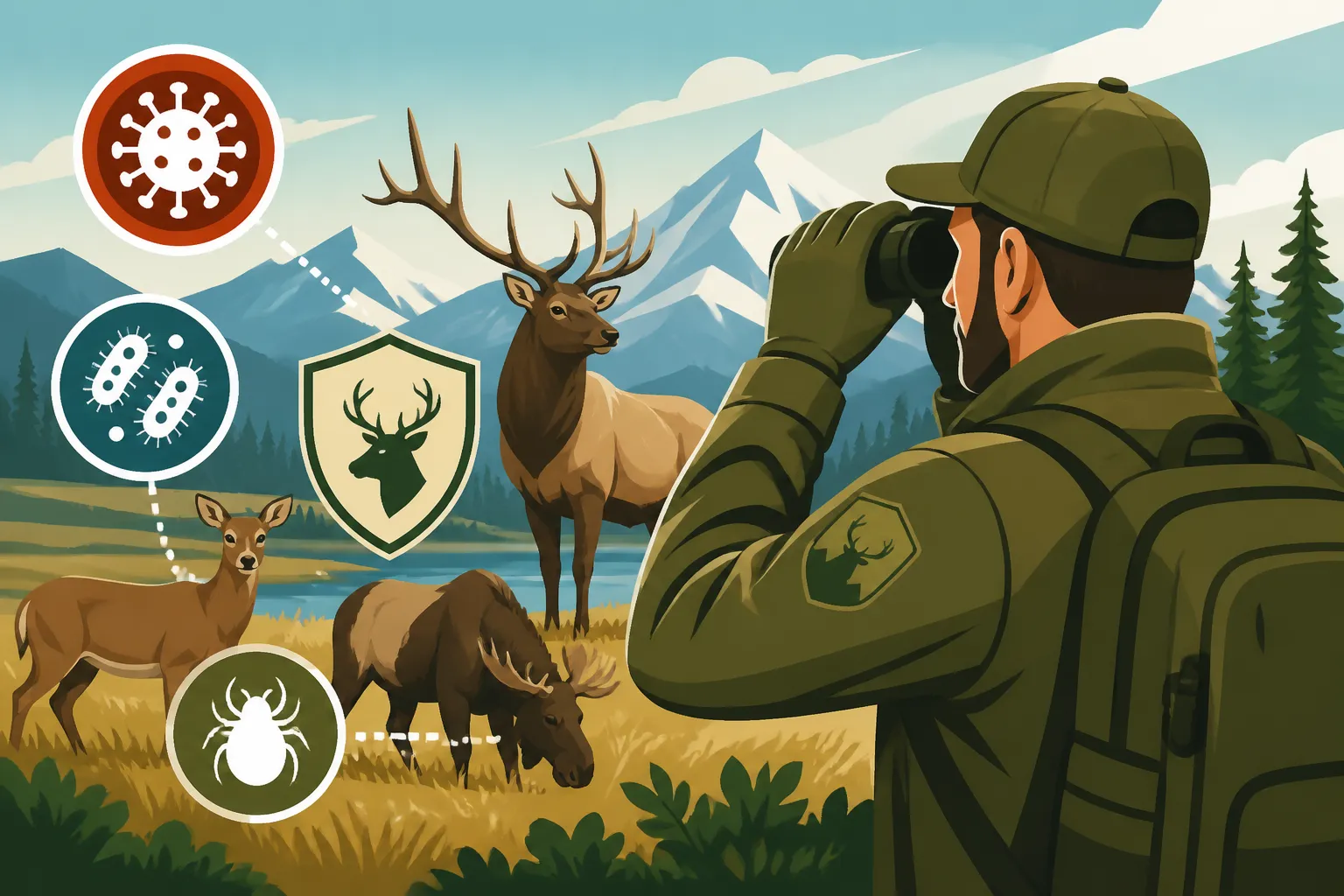
It can be incredibly disheartening, and frankly, a bit unsettling, to spot an animal in the field that just doesn't look quite right – or worse, to harvest one and then discover something concerning. Many of us spend countless hours afield, deeply invested in the health of Alberta's wildlife, and the thought of widespread disease can cast a shadow over our passion. This guide aims to shed light on the key diseases that Alberta's dedicated game managers are actively monitoring, what these health concerns mean for both our wildlife populations and for us as hunters, and how we can all contribute to keeping our herds healthy.
Chronic Wasting Disease CWD The Ongoing Challenge
Chronic Wasting Disease (CWD) is probably the most talked-about and concerning wildlife disease in Alberta right now, and for good reason. It’s a serious issue that game managers, researchers, and hunters are all watching incredibly closely. For anyone who spends time hunting deer, elk, or moose, understanding CWD isn't just a recommendation, it's pretty much a necessity.
What is CWD and Why Is it a Concern?
At its heart, CWD is a neurological disease that affects cervids – that's deer, elk, moose, and caribou. It's caused by abnormal proteins called prions, similar to mad cow disease. These prions accumulate in the brain and other tissues, slowly but relentlessly destroying the animal's nervous system. You won't see symptoms right away; it can take months or even years for an infected animal to show signs. When they do, it's often a tragic decline: severe weight loss (hence "wasting"), drooling, listlessness, stumbling, and an overall blank stare. Imagine seeing a magnificent whitetail buck, normally vibrant and alert, reduced to a skeletal figure wandering aimlessly. It’s a slow, certain death sentence for the animal, and there's currently no cure or vaccine.
The concern with CWD isn't just the individual animal's fate; it's the population-level impact and its relentless spread. CWD is highly contagious within cervid populations. It can be transmitted through direct animal-to-animal contact, but also indirectly through contaminated environments, as infected animals shed prions in their saliva, urine, and feces. These prions can persist in the soil for years, making a previously infected area a potential hotspot for future infections. This environmental persistence makes containing CWD incredibly difficult. The disease essentially creates an invisible minefield, where every patch of browse or water source could potentially infect the next animal. As hunters, we have a vested interest in healthy populations, and a disease that can decimate herds over time is a major threat to our hunting heritage.
While there's currently no strong scientific evidence suggesting CWD can transmit to humans, health authorities universally advise against consuming meat from CWD-positive animals. This is a "better safe than sorry" approach, and it’s one that every hunter should take seriously. The fear, however small, of a potential jump to humans is enough to warrant extreme caution and careful game handling. This adds another layer of responsibility to hunters to be aware, test their animals, and make informed decisions about their harvest.
Alberta's CWD Surveillance and Management Efforts
Alberta has been at the forefront of CWD surveillance and management for years, recognizing the gravity of the threat. The province runs a robust mandatory CWD testing program in specific Wildlife Management Units (WMUs), particularly those where the disease is known to be present or is expanding. When you hunt in these designated WMUs, submitting the head of your harvested deer or elk for testing isn't just encouraged, it's a legal requirement. These submissions are vital, acting as the eyes and ears for game managers to track the disease's prevalence and geographical spread. Without this data, understanding where CWD is, how fast it's moving, and what populations are most affected would be impossible. You can often find updated information, including the locations of CWD sample drop-off sites and any changes to mandatory submission WMUs, by checking resources like GoHunt or the provincial government's wildlife health pages.
Beyond mandatory submissions, Alberta also conducts voluntary testing across other WMUs, encouraging all hunters to submit samples, even if not required by law. This broader data collection helps create a more complete picture of the disease's footprint across the province, allowing for proactive measures before CWD becomes firmly established in new areas. When a hunter voluntarily submits a sample, they are contributing directly to the scientific understanding and management of this disease, essentially becoming citizen scientists in the fight against CWD. It's a testament to the collaborative spirit between hunters and wildlife agencies in Alberta.
Game managers also employ various strategies to try and limit the spread of CWD. These can include increased licence allocations in affected areas to reduce population density, which can slow transmission rates. There are also strict regulations about Moving a Carcass Out of a CWD Zone to prevent human-assisted spread of prions to unaffected regions. These efforts are not always popular or easy, but they are born out of a deep concern for the long-term health of our wildlife. It's a constant battle, and the strategies are continually refined as new research emerges and the disease evolves.
What Hunters Need to Know About CWD
As hunters, we are critical partners in CWD management. First and foremost, if you're hunting in a mandatory CWD submission zone, you absolutely must submit your animal's head for testing. It’s the law, and it's for the greater good. Make sure you understand Alberta's CWD Testing Requirements for the WMU you're hunting in before you head out. These requirements are clearly outlined in the annual regulations, and you can usually find mapping tools on the provincial government website or through handy apps like GoHunt that show the designated zones. When you drop off a head, ensure it's properly tagged with your WIN card number and any other required information so results can be accurately tracked back to you.
Secondly, always practice good field hygiene. Wear gloves when field dressing any animal, regardless of whether you suspect CWD. While direct human transmission isn't proven, it's simply good practice when handling raw animal tissue. Avoid cutting through the brain or spinal cord if possible, as these tissues are known to contain the highest concentration of prions in infected animals. After dressing, thoroughly clean and disinfect your tools and hands. If your animal tests positive for CWD, the recommendation is clear: do not consume the meat. Alberta's CWD program will notify you of the results, and they can advise you on how to properly dispose of the carcass. It’s a tough pill to swallow after a successful hunt, but it’s the responsible choice.
Finally, stay informed. The situation with CWD is dynamic. Rules and recommendations can change as more is learned about the disease. Regularly check the Alberta hunting regulations and the provincial wildlife health websites. Pay attention to specific information regarding Which Alberta Species Test Positive Most in your area, and understand How CWD Spreads Through a Deer Herd. Your vigilance and adherence to regulations are essential in helping Alberta’s wildlife managers monitor and mitigate this significant threat.
Parasites and Other Infectious Agents Beyond CWD
While CWD rightly gets a lot of attention, it's far from the only health challenge facing Alberta's wildlife. Our diverse ecosystems are home to a myriad of parasites and other infectious agents that can affect game animals, sometimes with noticeable impacts on their health, and occasionally with implications for hunters. Understanding these less-talked-about issues helps paint a fuller picture of wildlife health.
Winter Ticks and Moose Health
Anyone who spends time in the boreal forest or certain foothill regions will eventually encounter ticks. But the winter tick (Dermacentor albipictus) specifically poses a significant threat to moose populations, especially in some areas. Unlike the ticks we might pick up during a summer hike, winter ticks spend their entire life cycle on one host. Moose can accumulate tens of thousands of these ticks over the fall and winter, leading to a condition often called "ghost moose."
Imagine a moose, normally a picture of strength and resilience, slowly weakening as thousands of tiny parasites feed on its blood. This massive parasitic load causes significant blood loss, leading to anemia, weakness, and extreme irritation. The constant itching causes moose to rub and break off their hair, often resulting in large patches of bare skin. This loss of insulation can lead to hypothermia, particularly during Alberta's brutal winters, and makes them more susceptible to other diseases. Calves are especially vulnerable, and severe infestations can lead to high mortality rates, impacting local moose populations. Hunters are critical observers of this phenomenon; spotting a "ghost moose" is a clear indicator of a high tick load in an area. How Winter Ticks Affect Alberta Moose is a serious area of study for wildlife biologists.
Game managers monitor these tick populations and their impact on moose health through various surveys and hunter reports. While there aren't direct interventions for tick control on free-ranging moose, understanding the severity and prevalence of infestations helps inform management decisions, such as adjusting harvest quotas or focusing research efforts on population dynamics. Hunters who observe moose with significant hair loss or other signs of severe tick infestation are encouraged to report these sightings, as this information contributes to the broader understanding of population health. When field dressing, you might notice ticks, especially early in the season, and it's a good reminder of the unseen pressures these animals face.
Liver Fluke and Lungworm in Elk and Deer
Other parasites, while less dramatic than a full-body tick infestation, are also common and worth noting. Liver flukes (Fascioloides magna) are internal parasites that can infect a variety of cervids, particularly elk and deer. These flatworms take up residence in the liver, forming large cysts that can cause significant damage to the organ. While a light infection might not overtly harm an otherwise healthy animal, heavy infestations can lead to liver damage, poor body condition, and increased susceptibility to other diseases.
When field dressing an animal, you might notice these flukes as dark, gelatinous masses or discoloured tracts in the liver. Finding them doesn't necessarily mean the meat is bad, but it does mean the liver itself should not be consumed. This is a crucial point for hunters: knowing what's normal and what's not when inspecting internal organs. Ticks and Parasites in Big Game are a natural part of the ecosystem, but their prevalence and impact are key indicators of herd health.
Similarly, lungworms are another group of internal parasites that can affect the respiratory system of deer and elk. Infected animals might exhibit a cough or show signs of respiratory distress, especially during periods of exertion. While severe cases can impact an animal's overall health and stamina, mild infections often go unnoticed by hunters. Again, when butchering, if you notice abnormalities in the lungs or other organs, it's always best to err on the side of caution and consult with a local wildlife official or veterinarian if you have concerns. Most of these parasites do not pose a direct threat to humans if the meat is properly cooked, but identifying them helps wildlife managers track disease presence and understand animal health stressors.
Brucellosis and Bovine Tuberculosis
Brucellosis and Bovine Tuberculosis (BTB) are two bacterial diseases that, while rare in Alberta's wild cervid populations, are vigilantly monitored due to their potential impact on both wildlife and livestock. Brucellosis is primarily associated with bison and elk in specific regions, and it can cause abortions in pregnant animals, impacting reproductive success within a herd. It's a significant concern for the cattle industry, which is why close monitoring of wild populations, particularly near ranching areas, is so crucial.
Bovine Tuberculosis, though even rarer in Alberta's wild populations today, has historically been a concern. It’s a respiratory disease that can cause lesions in the lungs and lymph nodes. Like brucellosis, it’s highly transmissible to cattle, making its presence in wildlife a serious agricultural concern. Rigorous surveillance programs are in place to detect any signs of these diseases in harvested animals. These programs involve testing samples from specific areas and species, and hunters play a role by submitting their animals for inspection if they are harvested in monitored zones.
The likelihood of encountering these diseases in Alberta's typical hunting scenarios is extremely low, but the proactive monitoring by game managers is a testament to their commitment to wildlife and agricultural health. If, by chance, you were to harvest an animal that showed unusual lesions in the lungs, lymph nodes, or reproductive organs, it would be extremely important to report it to wildlife officials immediately. They can arrange for testing and provide guidance on how to handle the carcass safely. This level of vigilance is part of a broader, integrated approach to disease management in a province with both robust wildlife populations and a strong agricultural sector.
Understanding Zoonotic Diseases Hunter Safety First
When we talk about diseases in wildlife, it’s not just about the health of the animals themselves. There's also the very real consideration of zoonotic diseases – those that can be transmitted from animals to humans. As hunters, we have a unique level of direct contact with wild animals, making us a demographic that needs to be particularly aware of safe handling practices. It’s not about fear, but about respect for the animal and responsible self-protection.
Handling Game Safely in the Field
Field dressing is a fundamental part of hunting, but it's also where the potential for exposure to pathogens is highest. The first and most important rule of thumb is always to wear gloves. Simple disposable nitrile gloves are inexpensive, easy to pack, and provide an excellent barrier against bacteria, viruses, and parasites that might be present in blood, fluids, or tissues. This small step goes a long way in protecting your hands from cuts and potential contamination. Imagine kneeling over a fresh kill, hands covered in blood – without gloves, any small cut or scrape on your hands becomes an entry point for unwelcome microbes.
When working with the internal organs, avoid rupturing the intestines or bladder as much as possible, as these contain bacteria that can contaminate the meat. It's also wise to avoid direct contact with the brain and spinal cord, particularly in cervids, due to CWD concerns. After field dressing, thoroughly wash your hands with soap and water if available, or use an alcohol-based hand sanitizer if you're in the backcountry. Don’t just wipe your hands on a rag and call it good. The goal is to minimize any potential transfer of pathogens from the animal to you or to your equipment. Proper Meat Care in Alberta's Cold and Warm Swings starts with cleanliness right there in the field.
Additionally, always inspect the animal's organs and general condition. Look for anything abnormal: unusual growths, lesions, abscesses, or discolored organs. While most anomalies are harmless to humans, some can be indicators of disease. If you see something truly unsettling – a liver riddled with cysts, unusual lesions, or a general sickly appearance – it's best to set aside those particular organs and contact Alberta Environment and Parks. They can advise you on whether further inspection or testing is warranted. It’s better to ask and be safe than to regret it later.
When to Be Concerned About a Sick Animal
Sometimes, the signs of illness are apparent even before the animal is harvested. As hunters, we spend a lot of time observing wildlife, and we often develop a keen eye for what a healthy animal looks like. If you observe an animal displaying unusual behavior, it should raise a red flag. This could include extreme lethargy, staggering, difficulty breathing, a coat that looks abnormally rough or patchy (like the "ghost moose" covered earlier), excessive drooling, or an overall emaciated appearance. An animal that seems completely unafraid of humans might also be a sign of neurological impairment or extreme illness.
It’s crucial to exercise caution if you encounter such an animal. Your first instinct might be to approach, but it’s safer to observe from a distance. If you harvest an animal that appeared outwardly healthy but reveals concerning signs upon field dressing (e.g., pus-filled lesions, widespread abnormalities in organs not previously mentioned), document what you see with photos and immediately contact a local Fish and Wildlife officer. They can assess the situation and determine if the animal needs to be sampled for disease testing. Remember, you are a vital link in the surveillance chain.
In cases where you suspect rabies in a predator like a fox or coyote (though this is extremely rare in Alberta’s big game), absolutely do not approach or handle the animal. Rabies is a fatal disease for humans if not treated quickly, and while not common, it's a serious risk. Any animal displaying unprovoked aggression, lack of fear, or neurological signs like stumbling or paralysis should be given a wide berth. These instances are rare, but awareness is key to staying safe afield.
General Guidelines for Meat Preparation
Once you’ve successfully harvested and processed your animal, proper meat preparation is the final step in ensuring safety. The vast majority of bacteria and parasites that might be present in wild game meat are eliminated through thorough cooking. Always cook wild game meat to an internal temperature of at least 160°F (71°C) to ensure it’s safe for consumption. This is particularly important for ground meat or sausages made from wild game, where bacteria can be distributed throughout the product. Use a meat thermometer to be sure.
Freezing meat for extended periods can also kill some parasites, but it's not a foolproof method for all of them, nor is it effective against prions (like those that cause CWD). Therefore, reliance should always be placed on proper cooking temperatures. When handling raw meat in the kitchen, continue to practice good hygiene: use separate cutting boards and utensils for raw meat, and wash everything thoroughly with hot, soapy water afterward. Cross-contamination is a real risk, so keep raw meat away from cooked foods and fresh produce.
It’s also important to remember the guidelines for specific organs. As mentioned, if you find liver flukes, the liver itself should be discarded. The same goes for any meat or organs that show signs of severe infection, cysts, or an abnormal appearance. While it might be disappointing to discard part of your harvest, your health and safety are paramount. Following these simple steps will allow you to enjoy the bounty of your hunt with peace of mind.
How Hunters Can Help Being Part of the Solution
As hunters, we are arguably the most important group on the front lines of wildlife disease surveillance. Our direct interaction with wild animals, our presence in remote areas, and our commitment to the resource make us invaluable partners to Alberta's game managers. You’re not just taking from the land; you’re contributing to its health and future.
The Importance of Reporting Sick Animals
One of the most powerful tools in wildlife disease management is early detection, and that often comes directly from hunters. If you see an animal in the wild that appears sick, injured, or behaving abnormally, don't hesitate to report it. Whether it's a deer struggling to move, an elk with obvious wounds, or a moose exhibiting severe hair loss, your observation is a piece of the puzzle. Who better to notice subtle changes in an animal's condition than someone who spends hours observing them?
Contact Alberta Environment and Parks or your local Fish and Wildlife office with your observations. Provide as much detail as possible: the species, location (GPS coordinates if you have them, or a clear landmark description), the date and time, and a description of the animal’s condition or behavior. This information helps wildlife biologists track potential outbreaks, identify emerging threats, and allocate resources for further investigation. It’s not just about reporting a problem; it’s about providing critical data that informs management decisions. Think of it as your responsibility as a steward of the land.
Even if you're unsure if what you're seeing is serious, it's always better to make the call. The worst that can happen is that it's a false alarm, but the best-case scenario is that you've helped identify a significant health issue before it becomes a widespread problem. This proactive involvement is a cornerstone of modern wildlife management and conservation efforts in Alberta.
Mandatory CWD Submissions and Why They Matter
We've talked about CWD extensively, and it bears repeating: your participation in mandatory CWD submissions is paramount. These requirements exist for a very good reason: to gather the data needed to understand Alberta's CWD Positive Numbers Last Year, to map the disease's spread, and to inform management strategies aimed at containing it. Every head submitted is a data point that contributes to a more accurate picture of CWD prevalence in a specific WMU.
Imagine if only a handful of hunters complied; the resulting data would be so incomplete as to be almost useless. But with widespread compliance, game managers can track trends, understand where the disease is intensifying, and even see if their management interventions are having an effect. This data can directly influence future hunting regulations, licence allocations, and research priorities. So, when you drop off that head, you're not just complying with a rule; you're directly participating in the long-term health and sustainability of Alberta's cervid populations.
Beyond the mandatory zones, voluntary submissions are equally valuable. If you harvest a deer or elk in a WMU where CWD testing isn't required but is available, consider submitting a sample anyway. This helps fill in the gaps and provides invaluable baseline data for areas that might not yet be considered high-risk. It’s an investment in the future of hunting in Alberta. Remember to always use approved CWD drop-off sites, which you can usually find listed on the GoHunt website or through official provincial resources.
Staying Informed with Provincial Resources
The world of wildlife disease is constantly evolving, with new research, changing prevalence rates, and updated management strategies. As hunters, it’s our responsibility to stay informed. Alberta Environment and Parks provides a wealth of information through their official website, including annual hunting regulations, wildlife health advisories, and specific details on CWD. This is your primary source for accurate, up-to-date information.
Utilize resources like the GoHunt platform or the official provincial hunting regulations guide. These tools often provide easy access to maps showing CWD zones, submission sites, and important updates. Familiarize yourself with the regulations for your specific WMU before each hunting season. Knowing the rules and the current wildlife health situation in your chosen hunting area can save you a lot of headaches and ensure you’re hunting responsibly.
Additionally, consider engaging with local hunter associations or conservation groups. These organizations often share valuable information, host educational events, and can be a great place to discuss wildlife health concerns with fellow hunters and experts. By actively seeking out and absorbing this information, you become a more knowledgeable, more responsible, and ultimately, a more effective participant in the grand scheme of Alberta's wildlife conservation.
Disclaimer
This article is for general informational purposes only and does not constitute professional advice. Laws, prices and regulations vary by location and change over time. Consult a qualified professional for guidance on your specific situation.