How Alberta Ranks for Record Book Deer
It's always exciting to dream about the next big hunt, isn't it? Many of us spend countless hours scouting, preparing, and then pursuing that truly exceptional animal. If you're wondering where Alberta stands in the grand scheme of North American trophy hunting, especially when it comes to deer, you're not alone. This guide will explore Alberta's impressive track record in official record books for its deer species and other notable big game, delving into the unique factors that contribute to our province's reputation for producing true giants.
White-tailed Deer: Alberta's Reigning Trophy King
When you talk about record book deer in Alberta, white-tailed deer are often the first species that comes to mind, and for good reason. Alberta has consistently proven itself as a powerhouse for producing massive whitetails, both typical and non-typical, landing numerous entries in the Boone and Crockett and Pope and Young record books. This isn't by accident; it's a combination of incredible habitat, robust genetics, and a dedicated hunting culture.
The Ecological Recipe for Giant Whitetails
Alberta's unique landscape, particularly in the central and northern parkland zones and along the transition into the boreal forest, provides an ideal environment for whitetails to not just survive, but truly thrive and reach their maximum potential. We're talking about rich agricultural lands providing a steady, high-energy diet of grain crops like canola, wheat, and barley, which are absolutely crucial for antler growth. Think about it: a deer that can feast on a buffet of nutrient-dense crops year-round is going to put on more mass and grow larger antlers than one struggling to find forage in less productive areas. These agricultural fields often border dense aspen bluffs and willow thickets, offering perfect bedding cover and escape routes from predators and human disturbance. This creates a mosaic of food and cover that minimizes energy expenditure and maximizes antler development. Reading Whitetail Sign in Alberta Aspen Bluffs is key to finding these prime areas.
Furthermore, the long, cold Alberta winters, while challenging, can also play a role in culling weaker animals, allowing the stronger, genetically superior deer to pass on their traits. When you combine this with sensible game management that often allows bucks to reach older age classes, you have a recipe for truly monstrous whitetails. The ability of whitetails to adapt to different environments, from sprawling prairies to the edges of urban centres, means that these prime conditions are spread across a significant portion of the province, offering diverse opportunities for hunters.
Record Book Categories: Typical vs. Non-Typical
It's important to understand that record books generally classify deer into two main categories: typical and non-typical. Typical antlers are symmetrical and follow a generally accepted pattern, with deviations counting as deductions. Non-typical antlers, on the other hand, embrace character, abnormal points, and asymmetry, often resulting in incredibly unique and massive racks. Alberta excels in both. Our province produces typical bucks with wide, tall racks that score exceptionally well due to their clean lines and impressive mass. But it's often the non-typical category where Alberta truly shines, with deer growing all sorts of stickers, droptines, and extra points that turn their antlers into true works of art. These non-typical giants are often a product of a combination of genetics, age, and sometimes even injury, which can stimulate abnormal growth. For many hunters, a non-typical buck with its unique character is the ultimate trophy, a testament to the wildness and variability of nature.
Hunter Effort and Management Impact
The high number of record book entries from Alberta isn't just about the deer themselves; it's also a testament to the dedication and skill of Alberta's hunters. Many hunters in this province understand the importance of passing up younger bucks, focusing on ethical harvesting, and embracing management strategies that promote healthier herds. The extensive road networks in many areas mean hunters can cover a lot of ground, but the most dedicated often venture into areas with less pressure. Using tools like mapping applications, such as those offered by GoHunt, helps hunters identify potential hotspots, understand property boundaries, and pinpoint remote pockets of cover where mature bucks might hide. This kind of proactive scouting, combined with knowledge of deer behaviour during key periods like Hunting the Rut in Early November, significantly increases the chances of encountering a record-class animal.
Alberta's wildlife management units (WMUs) are also structured to provide varying levels of opportunity and management. While general tags are available, special draws for antlered deer in specific WMUs can create opportunities for older-aged bucks to develop without excessive pressure. Furthermore, programs like the mandatory Chronic Wasting Disease (CWD) submission in certain WMUs not only help monitor herd health but also gather valuable data that contributes to a better understanding of our deer populations, which indirectly supports the conditions necessary for growing big deer. What CWD Is Doing to Alberta Deer is a critical concern that affects herd health and trophy potential.
Mule Deer: Prairie and Badlands Giants on the Record Boards
While whitetails often grab the most headlines, Alberta's mule deer also consistently produce incredible trophy animals, particularly from the rugged coulees of the prairies and the broken country of the badlands. Mule deer hunting in Alberta offers a distinctly different experience, often involving extensive glassing and challenging spot-and-stalk tactics.
The Unique Mule Deer Habitats of Alberta
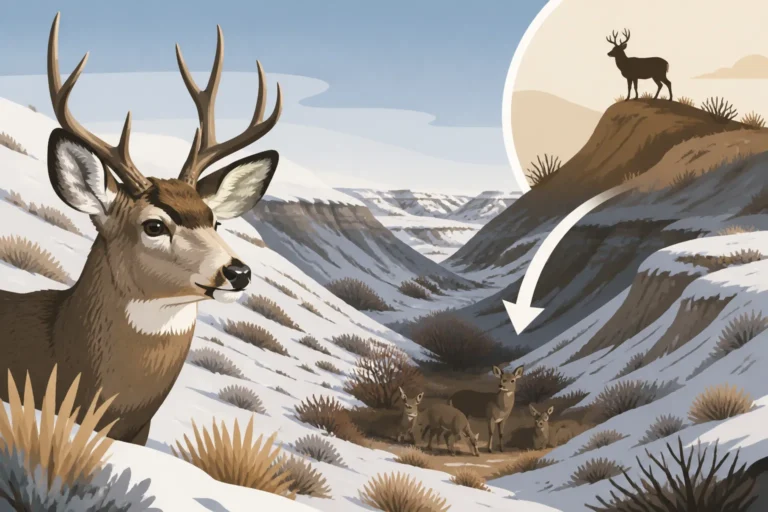
Alberta's mule deer are creatures of the open and broken country, perfectly adapted to the vast prairies, rolling foothills, and the dramatic river valleys and badlands of the southern and central parts of the province. Unlike whitetails that prefer dense cover, mule deer often seek out the shelter of coulees, river breaks, and scattered pockets of aspens or thick brush along drainage systems. These areas provide excellent visibility for spotting predators and abundant forage like sagebrush, browse, and forbs. The sparse cover often necessitates different hunting strategies, but it also allows for excellent nutritional intake without having to push through heavy timber. Hunting Mule Deer in the Badlands Coulees is a prime example of this unique habitat.
The sheer scale of these landscapes means that mature mule deer often have extensive home ranges, allowing them to utilize diverse food sources and escape hunting pressure. Similar to whitetails, agricultural influences also play a role, particularly where croplands meet the natural breaks, providing an additional food source that contributes to antler growth and overall body size. The robust genetics of Alberta's mule deer, combined with these expansive, productive habitats, lay the groundwork for impressive trophy potential.
What Makes an Alberta Muley Record-Worthy
Mule deer are generally judged on their typical configuration, focusing on symmetry, length of tines, and spread. Alberta has a strong history of producing wide, heavy-antlered mule deer that score well in these categories. A truly record-worthy mule deer buck from Alberta often boasts deep forked antlers, impressive mass throughout the beams, and a wide inside spread that makes for an imposing sight. The pursuit of these animals often involves days of patient glassing and meticulous stalking. Hunters frequently use high-quality optics, often aided by features found in applications like GoHunt, to thoroughly pick apart distant hillsides and coulees, searching for that tell-tale wide rack or distinctive ear size that indicates a mature animal.
The physical challenge of hunting mule deer in these environments also means that often only the most dedicated hunters succeed, which can further contribute to allowing bucks to reach older age classes. Understanding how mule deer use terrain, especially in relation to wind and sun, is crucial for success. Glassing an Alberta Coulee for Mule Deer requires patience and a keen eye.
The Role of Strategic Hunting
Hunting mule deer in Alberta often demands a different approach than chasing whitetails in the bush. It's a game of patience, optics, and often long-range shooting skills. Hunters dedicate themselves to spotting and stalking, sometimes covering miles on foot just to get within range of a bedded buck they've seen from a distance. The open nature of the terrain means that mistakes are easily spotted, and a successful stalk is a true accomplishment. This selective hunting pressure, where hunters are specifically targeting mature, larger-antlered bucks, contributes to the overall health and trophy quality of the herd. The hunting season dates are also structured to provide opportunities while considering the breeding cycles, allowing most bucks to participate in the rut before being heavily pressured. Mule Deer Hunting Alberta's Prairie and Badlands requires a deep understanding of these tactics and the terrain.
Beyond Deer: A Look at Alberta's Other Record Book Big Game
While the focus for "deer" typically lands on whitetails and muleys, it's impossible to talk about Alberta's record book potential without acknowledging the outstanding performance of other big game species. Alberta holds a very strong position for several other iconic animals, cementing its reputation as a premier destination for trophy hunting across North America.
Bighorn Sheep: A Special Mention
Alberta is, without a doubt, a world-class destination for bighorn sheep. Our mountains and foothills consistently produce some of the largest rams on record, making it a dream hunt for many. The combination of rugged, high-alpine habitat, excellent genetics, and conservative management ensures that rams often reach prime maturity before being harvested. The difficulty of these hunts, often requiring significant physical exertion and backpacking into remote areas, means that hunting pressure is naturally limited to the most determined individuals. The prestige of a full-curl bighorn ram from Alberta is unmatched, and hunters from all over the globe vie for the rare opportunity to pursue them. Backpacking Into Alberta Sheep Country is a monumental undertaking that often leads to these legendary animals.
Moose and Elk: Notable Entries
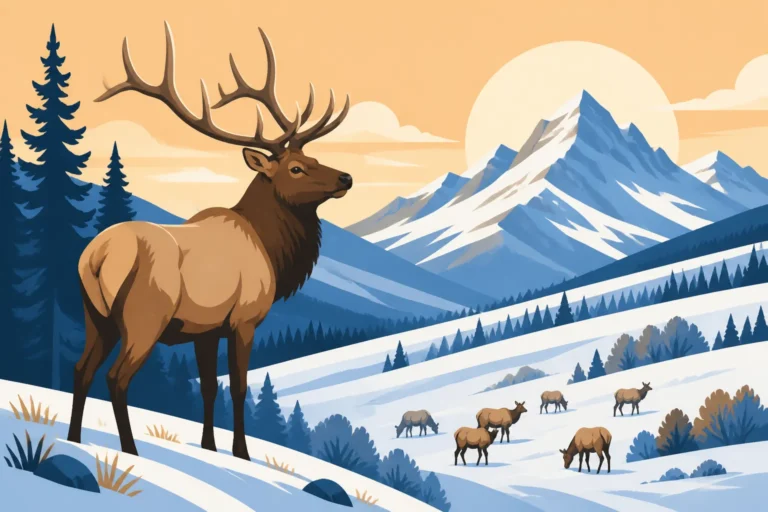
Alberta also has a solid reputation for producing very respectable moose and elk, with numerous entries in the record books. Our vast boreal forests and northern regions are home to significant moose populations, where bulls can grow truly impressive racks due to abundant forage and age. Similarly, the foothills and parkland transition zones support healthy elk herds, many of which are capable of growing massive, symmetrical antlers, especially on agricultural fringe lands where food is plentiful. While perhaps not as globally dominant as our whitetails or bighorns, the opportunities for harvesting record-book quality moose and elk are very real for dedicated hunters. Moose Hunting Alberta's Boreal Forest and Elk Hunting Alberta's Foothills highlight the diverse opportunities for these species.
Understanding the Record Book Process and Alberta's Future
Record books are more than just a list of big animals; they are a historical registry that documents the quality of wildlife populations, the effectiveness of conservation efforts, and the dedication of hunters. Understanding what they represent helps put Alberta's impressive standing into perspective.
What Record Books Mean for Hunters
For many, achieving a record book entry is the pinnacle of a hunting career, a tangible recognition of a lifetime of effort, skill, and respect for the animal. It signifies that a particular animal, under fair chase conditions, reached an exceptional size and age. This isn't about mere luck; it often reflects years of scouting, understanding animal behaviour, developing shooting skills, and making ethical decisions in the field. Record books, while often seen as an individual achievement, also serve a larger purpose by highlighting areas of prime habitat and successful wildlife management. Hunters often use data points available through resources like GoHunt to research potential areas that historically produce large animals, which can influence where they apply for special licences or focus their scouting efforts.
Conservation and Sustaining Trophy Quality
Alberta's consistent production of record book animals is a testament to the overall health and robust nature of its big game populations, as well as the sound principles of wildlife conservation practiced in the province. Maintaining these populations requires ongoing effort, including habitat protection, sensible harvest regulations, and continuous monitoring of herd health (such as CWD testing). Hunters play a vital role in this by funding conservation through licence fees, participating in data collection, and adhering to regulations. The pursuit of trophy animals, when done ethically and within the framework of sustainable management, can be a powerful driver for conservation, as it motivates hunters to protect the very resources that make these opportunities possible. Looking ahead, continued vigilance against habitat loss, disease, and unsustainable practices will be crucial to ensure Alberta remains a top destination for record book deer and other big game for generations to come. Why Alberta Produces Record Bighorns or Why This Country Grows Heavy Antlers provide deeper dives into these contributing factors.
Here's a quick overview of Alberta's general standing for major big game species in North American record books:
| Species | Typical Whitetail | Non-Typical Whitetail | Typical Mule Deer | Non-Typical Mule Deer | Bighorn Sheep | Moose | Elk |
|---|---|---|---|---|---|---|---|
| Alberta's Rank | Excellent | Excellent | Very Good | Very Good | World-Class | Good | Good |
| Primary Habitat | Parkland, Farm | Parkland, Farm | Prairie, Badlands | Prairie, Badlands | Mountains | Boreal | Foothills |
| Key Factors | Genetics, Food | Genetics, Age | Genetics, Age | Genetics, Age | Genetics, Age | Food, Age | Food, Age |
Disclaimer
This article is for general informational purposes only and does not constitute professional advice. Laws, prices and regulations vary by location and change over time. Consult a qualified professional for guidance on your specific situation.