Alberta’s Provincial Grazing Reserves Explained
There’s nothing quite like the feeling of finding a promising piece of land for your next hunting adventure, only to be met with confusing signs, locked gates, or vague rules about access. It can be incredibly frustrating to try and decipher where you can and cannot hunt, especially when you're looking at what appears to be open ground. In Alberta, Provincial Grazing Reserves (PGRs) are often a source of this confusion for hunters, offering fantastic opportunities but coming with their own unique set of access guidelines. This guide is here to clear the air, explaining exactly what PGRs are, how you can gain access, and what to expect when you're hunting within them.
Understanding Provincial Grazing Reserves (PGRs) in Alberta
When you're pouring over maps, looking for that perfect spot, you've probably seen areas marked as "Provincial Grazing Reserve." These aren't just random patches of Crown Land; they're managed areas with specific purposes, and understanding those purposes is key to unlocking their hunting potential.
What Exactly is a PGR?
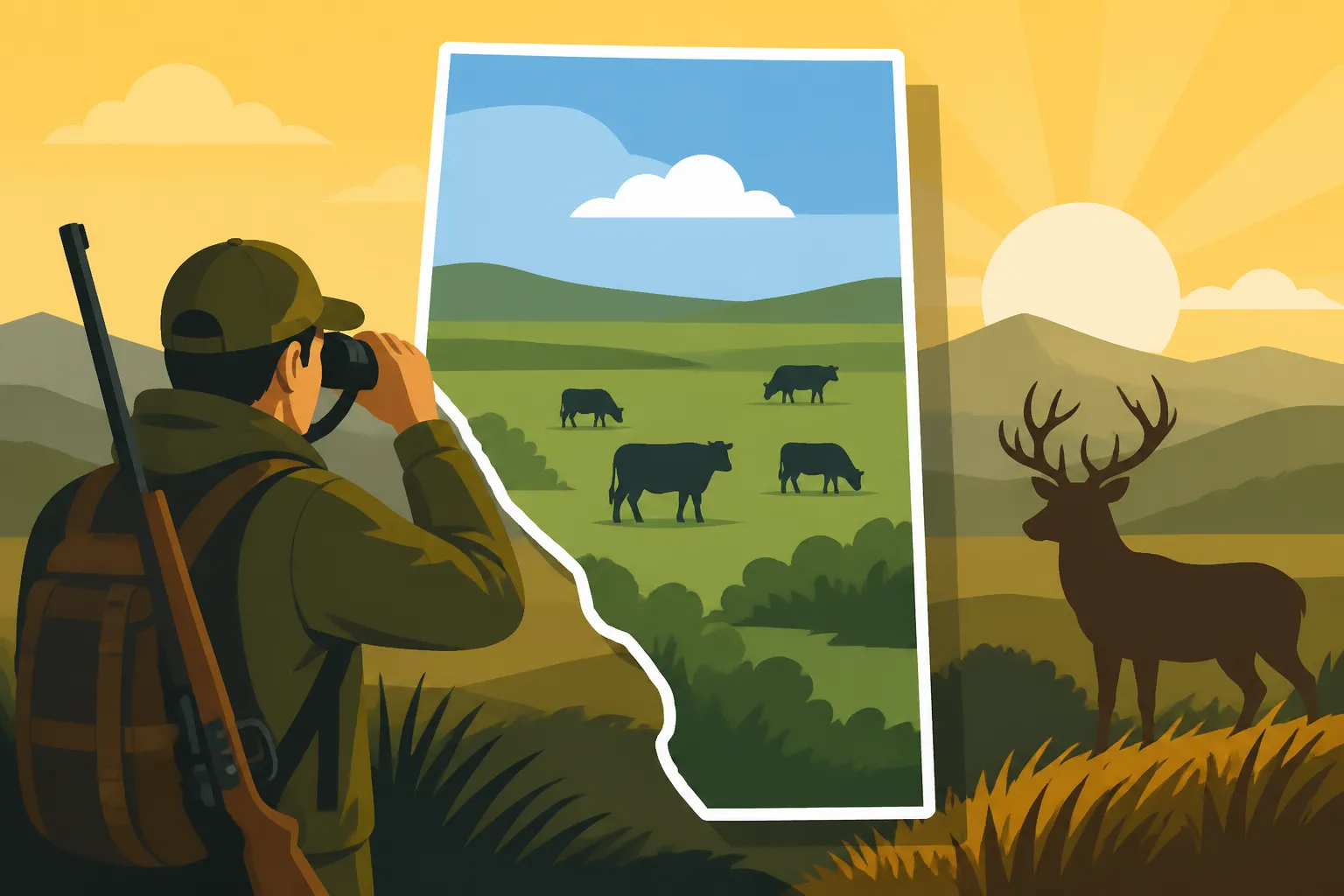
At its core, a Provincial Grazing Reserve is a piece of public land managed by the provincial government, primarily for agricultural purposes – specifically, for grazing livestock, often cattle. Think of them as vast, publicly owned ranches that provide pasture for local producers. These reserves are usually large tracts of land, often encompassing a mix of open grasslands, treed coulees, brushy draws, and sometimes even significant patches of aspen or boreal forest, depending on the region of Alberta they're in. They are part of the broader category of Crown Land, meaning they are owned by the province, not private individuals. However, unlike some other forms of Crown Land, PGRs have a very active commercial lease component. They are managed through grazing leases or permits issued to farmers and ranchers who then utilize the land for their livestock. This is where a lot of the nuance for hunters comes in, as the presence of livestock and the rights of the leaseholders play a significant role in access.
The Dual Purpose of Grazing Reserves
The main purpose of a PGR is, as the name suggests, grazing. They support Alberta's agricultural industry by providing essential pastureland, helping to maintain sustainable ranching operations. But here’s the crucial part for us hunters: while livestock production is the primary mandate, these reserves also serve as important wildlife habitat and are recognized as multi-use public lands. This means that while cattle roam, deer, moose, elk, and various upland birds are often thriving right alongside them. The provincial government recognizes the value of these lands for recreation, including hunting, fishing, and hiking, provided these activities don't interfere with the primary grazing operations. It's a delicate balance, and understanding that dual purpose is essential for every hunter who steps foot on a PGR. The land managers strive to manage the forage in a way that benefits both the livestock and the local wildlife populations, which often means healthy game populations and diverse habitats for hunters to explore.
Why Hunters Care About PGRs
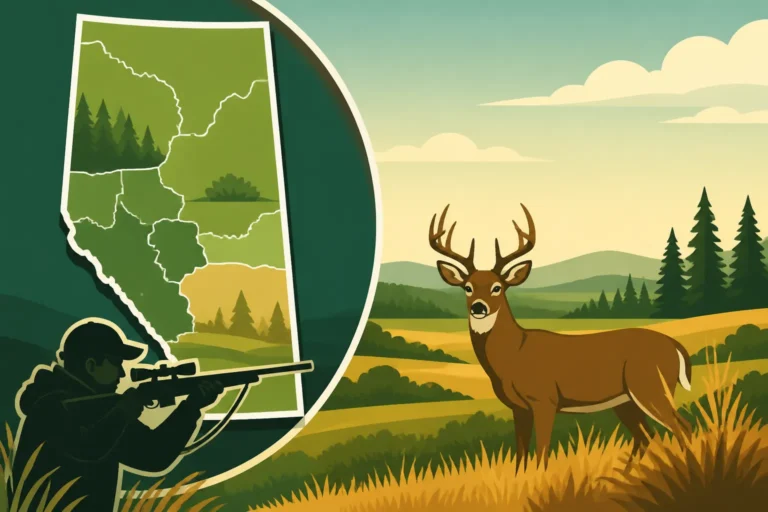
So, why should PGRs be on your radar as an Alberta hunter? Simply put, they represent some of the most accessible and productive public hunting grounds in the province, especially in the White Area, which is typically dominated by private land. Many PGRs are found in the parkland and prairie zones, areas where finding large, contiguous blocks of public land can be challenging. They offer diverse habitats, from open plains where Spot-and-Stalk Mule Deer in Alberta can be incredibly effective, to willow-choked creek bottoms that hold whitetails.
The consistent presence of water sources, varied topography, and the rotational grazing practices often create excellent forage and cover for game animals. Plus, because they are actively managed, they generally have established access points and often a network of tracks or trails that, while not always open to vehicles, can provide crucial foot access into promising areas. For many hunters, PGRs are a fantastic alternative to navigating the complexities of private land permission or travelling deep into the Green Area. They offer a blend of wild feel with often more straightforward access than some remote Crown Land.
Accessing Provincial Grazing Reserves for Hunting
Alright, so you’re convinced that a PGR might be the spot for your next big adventure. But how do you actually get in? This is where many hunters get hung up, and it's absolutely critical to understand the rules. Unlike simply walking onto a patch of remote Crown Land, PGRs have specific protocols.
General Access Rules and Regulations
The good news is that Provincial Grazing Reserves are, by and large, open to the public for recreational activities like hunting. However, this access is not always unrestricted, and it's paramount to remember that the grazing operation always takes precedence. You can't interfere with the livestock or the rancher's ability to manage them. This means certain roads might be temporarily closed, gates might need to be left as you found them (open or closed), and you need to be constantly aware of where cattle are present.
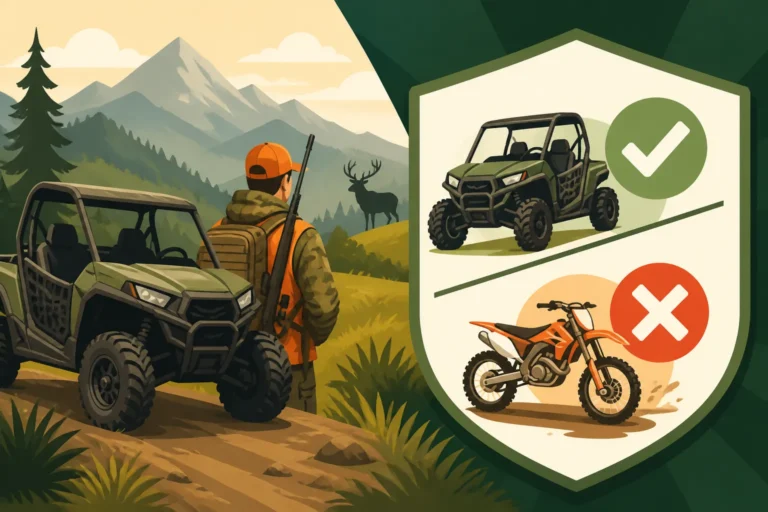
Vehicle access is often limited to designated public access points and main trails, with off-road travel almost always prohibited to protect the land, forage, and prevent disturbance to livestock. Always check for signs at access points, as they often detail specific rules for that particular reserve, which can vary. Remember, while it's public land, it's also a working landscape, and treating it with respect goes a long way. Understanding Alberta Trespass Act and Hunting is still crucial, even on public lands, as interfering with agricultural operations can lead to issues.
Permission Requirements for Hunting
This is the most common point of confusion. While PGRs are public land, some of them do require permission for hunting, and it's not always as simple as checking a website. The general rule of thumb for many PGRs is that if the reserve is under a grazing lease, you will need to contact the leaseholder (the rancher) for permission to hunt. Yes, even though it's Crown Land. The leaseholder has significant rights and responsibilities to manage the land and livestock, and part of that often includes controlling access during hunting season to minimize conflicts and ensure safety.
Some PGRs, especially those not under active grazing lease or specifically designated for enhanced recreational access, might not require individual permission. The key is to verify for each specific PGR you intend to hunt. The best way to do this is often through the province's recreational access mapping tools or by contacting the local Fish and Wildlife office. They can confirm the current status of the reserve and any specific requirements for contacting the leaseholder. For reserves where permission is required, approaching the leaseholder respectfully, well in advance of the season, and being flexible with their operational needs, can often open doors. Don't show up on opening day expecting to get a green light.
Utilizing Mapping Tools for PGR Access
In this day and age, mapping tools are an absolute game-changer for hunting public land, and PGRs are no exception. Services like onX Hunt have become invaluable for identifying not just the boundaries of these reserves, but also often showing land ownership layers that clarify if it's Crown Land, private, or a lease. You can often see the exact outlines of Alberta's Provincial Grazing Reserves Explained right on your phone.
Using apps like onX Hunt or GoHunt allows you to overlay different land layers, clearly showing you where the Crown Land boundaries are, often indicating specific management zones like PGRs. They can also show you potential access roads, trails, and even topography that might indicate good hunting spots. While these tools are fantastic for general planning, always cross-reference with official provincial sources or direct contact with local Fish and Wildlife for the most up-to-date access rules, especially regarding permission from leaseholders. Reading Alberta's Crown Land Layers on onX is a skill every hunter should cultivate. Remember, technology is a fantastic aid, but it doesn't replace doing your due diligence and making those important phone calls to respect local operators.
| PGR Access Consideration | Public Land Nature | Permission Required | Best Practice |
|---|---|---|---|
| Land Ownership | Crown Land | Potentially, from leaseholder | Verify for each PGR individually |
| Primary Use | Livestock Grazing | Yes, if interfering | Avoid disrupting cattle/operations |
| Vehicle Access | Restricted | N/A | Stick to designated routes; walk often |
| Foot Access | Generally Open | N/A | Be aware of livestock & habitat |
| Mapping Tools | Highly Useful | N/A | Use onX Hunt/GoHunt, but verify |
| Respect for Leaseholders | Critical | N/A | Contact early, be polite, follow rules |
Common Hunting Opportunities and Challenges in PGRs
Now that we've got the access sorted, let's talk about what you can actually expect when you hit the ground in an Alberta PGR. These areas present both exciting opportunities for bagging game and unique challenges that require a bit of strategic thinking.
Species You Can Expect to Find
PGRs are incredibly diverse and can offer fantastic hunting for a variety of species, largely depending on their location and habitat. In the parkland and prairie regions, white-tailed deer are often abundant, thriving in the brushy draws, poplar bluffs, and willow bottoms that intersperse the grazing areas. You might also find healthy populations of mule deer, especially in PGRs that feature rolling hills, coulees, and broken country. These areas can be fantastic for both general season tags and the coveted draw-only tags in certain WMUs.
Upland birds like sharp-tailed grouse and Hungarian partridge are also frequently found in PGRs, especially in the mix of native grass, crop edges, and shelterbelts. For those willing to put in the legwork, PGRs can be phenomenal places for a mixed bag hunt. In PGRs that push up against the Green Area or are found in more transitional zones, you might even encounter elk or moose, particularly along major river systems or where heavy timber edges the grazing lands. White-Tailed Deer, Alberta's Most Hunted Big Game certainly make their home in these reserves, offering excellent opportunities for resident hunters.
Navigating Cattle and Fences
Hunting in a Provincial Grazing Reserve means you're almost guaranteed to encounter cattle and fences – sometimes a lot of them. This can present both logistical and ethical challenges. First and foremost, you must always be respectful of the livestock. Never harass, disturb, or endanger cattle. Avoid walking directly through large herds, give them a wide berth, and be aware of their presence at all times. If you’re archery hunting, for example, remember that a broadhead can be mistaken for an arrow at a distance, and an excited or defensive animal could react unexpectedly. It's also your responsibility to ensure gates are left as you found them to prevent cattle from escaping. This might mean closing a gate behind you even if it means a longer walk back to your vehicle.
Fences are another reality. While some fences are designed for pasture rotation and might have gates, others might need to be crossed carefully, ideally at a sturdy post or a designated crossing point, to avoid damage. Never cut a fence, and always ensure you haven't damaged it when crossing. These fences are essential infrastructure for the leaseholders. A good strategy is to look for natural breaks in the topography or pre-existing cattle trails that pass through fence lines, often marked by worn-down areas or even rudimentary crossings. Hunting a Cattle Pasture Draw is a prime example of where you'll encounter these challenges and opportunities simultaneously.
Managing Hunter Pressure
Because PGRs offer accessible hunting in areas where private land dominates, they can sometimes experience significant hunter pressure, especially during opening weekends and peak rut periods. This is a common frustration for many public land hunters – you find a great spot, only to find three other trucks parked there at first light.
To manage this, it's crucial to employ smart strategies. Firstly, try to hunt mid-week if your schedule allows, as pressure often drops considerably. Secondly, be prepared to walk further than most. Many hunters will stick close to roads and easy access points; the further you get from the truck, the more likely you are to find undisturbed game and avoid other hunters. Consider scouting areas that require a longer hike or more challenging terrain to access. Thirdly, use mapping tools like onX Hunt to identify natural barriers or terrain features that might funnel game away from heavily accessed areas, or conversely, funnel hunters into certain spots that you can then avoid. Identifying these patterns can make a huge difference in your success.
Planning Your Hunt in an Alberta Grazing Reserve
A successful hunt in a Provincial Grazing Reserve, like any hunting trip, hinges on thorough preparation. Knowing what to expect and having a solid plan can turn potential frustrations into rewarding experiences.
Pre-Season Scouting Strategies
Pre-season scouting is absolutely non-negotiable for PGRs. Driving around and looking from the road is a start, but it's not enough. You need to get boots on the ground, ideally in the off-season when there's no hunting pressure and often fewer cattle. This allows you to identify game trails, bedding areas, water sources, and pinch points without disturbing animals or competing with other hunters. Look for areas where different habitat types converge – for example, where a stand of aspen meets an open grass flat, or where a deep coulee cuts through rolling pasture. These transition zones are often hotspots for deer and elk.
Pay close attention to fence lines and how game animals are crossing them. Are there natural crossings? Are the animals jumping? This will inform your own travel plans. Use your mapping apps to drop pins on promising locations, mark potential bedding cover, and plan your access routes. Since vehicle access is often limited, understanding foot travel times and distances is critical. If possible, talk to the leaseholder during scouting; they often have a wealth of knowledge about game movement and patterns on their specific reserve, which can be invaluable. Don't forget to scout for Hunting a Shelterbelt Between Two Fields, as these can be high-traffic areas for game.
Essential Gear for a PGR Hunt
When heading into a Provincial Grazing Reserve, your gear choices should reflect the mixed terrain and potential for long walks, sometimes through heavy cover or wet areas. Here’s a quick rundown of essentials:
- Good quality, waterproof hiking boots: You'll be covering ground, often off-trail, and potentially through wet grass or shallow water. Comfort and dryness are key.
- Layered clothing: Alberta weather can be unpredictable. Be ready for cool mornings, warm afternoons, and sudden changes. Blaze orange is often required during general rifle seasons, so ensure you have enough visible outerwear.
- Reliable mapping device: Your phone with onX Hunt or a dedicated GPS unit is crucial for navigation, marking spots, and staying aware of boundaries. Carry a power bank!
- Binoculars: Essential for glassing open fields, distant coulees, and spotting game that might be mixed in with cattle.
- First-aid kit: Accidents happen, especially when moving through rough terrain.
- Game cart or pack frame: If you're successful, you'll likely be packing an animal out over a distance, possibly through fences and rough ground. A sturdy game cart can be a lifesaver.
- Water and snacks: Always carry more than you think you'll need.
- Gate latches/ties: To secure gates that need to be left open or closed, ensuring they don't swing open unexpectedly or get pushed open by livestock.
Consider the physical demands. Many of these hunts will involve significant walking, so pack smart and stay hydrated.
Respecting the Land and Other Users
This cannot be stressed enough: respect is the currency of access on Provincial Grazing Reserves. Remember that this is not just "public land" in an abstract sense; it's a working farm or ranch for someone. Your actions directly impact their livelihood and the future of hunting access for everyone.
Always leave gates as you found them. Pack out all your trash, and anything you pack in. Be mindful of your shooting lanes, ensuring you have a safe backdrop and are far away from any structures, livestock, or other people. If you encounter cattle, move around them quietly and without disturbing them. If you see other hunters, offer a friendly nod and keep a respectful distance. Don't crowd them, and don't try to move in on their spot.
Report any suspicious activity or violations to Fish and Wildlife. By being a responsible, respectful, and ethical hunter, you contribute to maintaining good relationships with leaseholders and ensuring that PGRs remain open and accessible for future generations of hunters. This truly is about the long game, not just filling your tag this season. Finding Access on Alberta Crown Land relies heavily on demonstrating this respect, especially on lands with active agricultural operations.
Disclaimer
This article is for general informational purposes only and does not constitute professional advice. Laws, prices and regulations vary by location and change over time. Consult a qualified professional for guidance on your specific situation.