Camping Rules on Alberta Crown Land
There's nothing quite like the freedom of packing up your gear and heading out into Alberta's vast wilderness, knowing you can set up camp wherever the trail takes you. But let's be honest, trying to figure out the exact rules for camping on Alberta Crown Land can feel like navigating a maze blindfolded. You've heard whispers of "random camping," but what does that actually mean? Are fires always allowed? What about off-highway vehicles? This guide is here to clear up the confusion, lay out the essential regulations, and help you responsibly enjoy your time on Alberta's incredible public lands without any unwelcome surprises.
Understanding Alberta's Crown Land Landscape
Before you even think about throwing a tent up or parking your RV, it's crucial to understand the different designations of land in Alberta. Not all "public land" is created equal when it comes to camping rules, and knowing the difference can save you a lot of grief – and potentially a fine. It’s not just about finding a spot; it’s about knowing the type of spot you’re in.
White Area vs. Green Area for Camping
Alberta's landscape is broadly divided into two main categories: the White Area and the Green Area. This distinction is absolutely fundamental for anyone planning to camp on Crown Land.
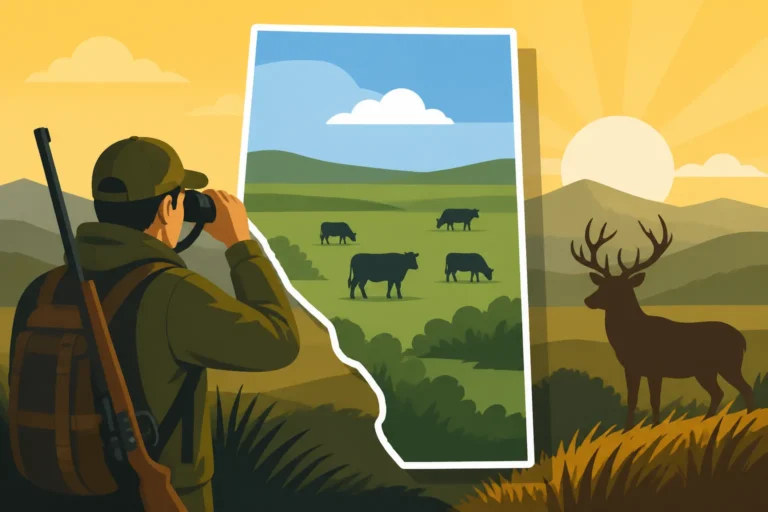
The White Area typically encompasses settled, privately owned lands, primarily agricultural areas. While there can be scattered parcels of Crown Land within the White Area, these are often surrounded by private property, which means access can be complicated. Random camping in the White Area is generally much more restrictive and often requires explicit permission, even on Crown parcels, if access must cross private land. Imagine trying to find a patch of Crown Land tucked away between fields of canola or barley. Even if you identify it on a map, getting there without trespassing can be a real challenge. For this reason, many hunters and campers focus their efforts elsewhere.
The Green Area, on the other hand, is predominantly made up of forests, mountains, and northern wilderness—the vast majority of Alberta's public land. This is where most "random camping" rules apply and where you'll find the most opportunities for dispersed camping. Think of the foothills, the Boreal Forest, or the vast stretches of timber north of Edmonton. These are the areas where you can truly escape and find solitude. However, even within the Green Area, there are specific designations like Public Land Use Zones (PLUZs) that have their own set of rules, which we'll dive into shortly. Understanding whether you're in the White or Green Area is your very first step in determining what you can and cannot do. For more on navigating these different regions, check out our guide on Hunting Alberta's Green Area and White Area.
The Importance of WMUs in Camping Regulations
While Wildlife Management Units (WMUs) are primarily designed for hunting regulations, they can indirectly influence your camping decisions, especially for those combining camping with hunting. WMU boundaries often align with different types of habitat and land use, which in turn can affect access and the general character of camping opportunities.
For instance, some WMUs might be almost entirely within the Green Area, offering vast stretches of accessible Crown Land for camping. Others might be a mix of Green and White Area, or even predominantly White Area with only small, fragmented Crown parcels. The type of WMU can also indicate the kind of terrain and wildlife you might encounter, which is always part of the camping experience. If you’re planning a hunt and want to set up a base camp, you'll naturally be looking at the WMUs relevant to your target species and season. Even if you're not hunting, understanding the WMU can give you a better sense of the area's characteristics, potential user conflicts (especially during hunting seasons), and any specific access considerations. Tools like onX Hunt can be incredibly helpful here, as they often layer WMU boundaries over land ownership maps, giving you a comprehensive view of the landscape and its associated regulations. Familiarizing yourself with Alberta's Wildlife Management Units is a smart move for any outdoor enthusiast.
Specific Rules for Random Camping on Crown Land
"Random camping" is the unofficial term for dispersed camping on suitable Crown Land, typically in the Green Area. It’s about pitching a tent or parking a camper outside of designated campgrounds. But while it offers immense freedom, it's not a free-for-all. There are specific rules designed to protect the environment and ensure fair use for everyone.
Duration Limits and Relocation Requirements
One of the most frequently asked questions about random camping revolves around how long you can actually stay in one spot. The general rule is that you can random camp on Crown Land for a maximum of 14 days in any 30-day period in a single location. This isn't just a suggestion; it's a regulation intended to prevent the establishment of permanent or semi-permanent camps and to ensure that public lands remain accessible and available to all users.
What does "single location" mean? It doesn't necessarily mean you have to pack up and drive 500 kilometres away. It means moving your camp a "reasonable distance" – typically a few kilometres – to a new spot. The idea is to allow the previous campsite to rest and recover from your presence. If you're staying longer than two weeks, you need to relocate your camp, even if it's just to another suitable spot down the road or on an adjacent piece of Crown Land. This encourages responsible use and minimizes environmental impact on any single site. Failure to comply could result in enforcement action, so always keep track of your days.
Firewood, Campfires, and Safety
There's nothing quite like a crackling campfire under a starry Alberta sky. However, campfires on Crown Land come with very strict rules and responsibilities. While random campfires are generally permitted on Crown Land outside of developed campgrounds, there are critical caveats.
First, you must use deadfall wood only. Cutting down live trees, even small ones, is strictly prohibited. This is about protecting the natural environment and ensuring forests can regenerate. You should also ensure that your fire is contained within a suitable fire pit. Often, previous campers will have left a rudimentary ring of rocks, which you can use, but always make sure it's clear of flammable materials for at least three metres in all directions.
The biggest concern, and rightfully so, is fire safety. Always have water nearby and a shovel to properly extinguish your fire. It is your legal responsibility to ensure your campfire is out cold before you leave it unattended for any amount of time or before you break camp. This means dousing it thoroughly with water, stirring the ashes, and dousing it again until it's cool to the touch. Alberta experiences dry conditions frequently, and wildfires can spread incredibly quickly, devastating vast tracts of land and endangering communities. Always check for current fire bans or advisories before heading out. These bans can be regional or province-wide, and ignoring them carries significant penalties. A little preparedness goes a long way in preventing a disaster.
Waste Management and "Leave No Trace" Principles
The "Leave No Trace" philosophy is more than just a catchy phrase; it's a set of ethical principles that guide responsible outdoor recreation, and it's absolutely essential when random camping on Alberta Crown Land. Essentially, it means packing out everything you pack in, and leaving your campsite in as good, or better, condition than you found it.
This includes all garbage, food scraps, and even seemingly innocuous items like orange peels or apple cores, which can take a long time to decompose and can attract wildlife, leading to human-wildlife conflicts. Human waste needs to be properly managed too. If you don't have access to a pit toilet or outhouse, dig a cathole at least 6-8 inches deep and 200 feet (about 70 steps) away from water sources, trails, and campsites. Bury your waste and pack out all toilet paper. For dishwater, strain out food particles and scatter the water broadly, again away from water sources.
The impact of improper waste management isn't just unsightly; it can harm wildlife, contaminate water, and degrade the natural experience for everyone who follows. We have a shared responsibility to protect these wild spaces. A little planning, like bringing extra garbage bags and a small trowel, can make a huge difference.
Navigating Public Land Use Zones (PLUZs) for Camping
Public Land Use Zones, or PLUZs, are specific areas within Alberta's Green Area that have additional, often more detailed, regulations regarding recreational activities, including camping. These zones are established to manage conflicts between different user groups and to protect sensitive ecological areas. They are incredibly important to understand, as their rules can differ significantly from general Crown Land regulations.
Unique Regulations within PLUZs
Many popular recreational areas, especially in the foothills and mountains, are designated as PLUZs. For example, the Ghost, McLean Creek, and Livingstone-Porcupine Hills areas are well-known PLUZs. Within these zones, you'll often find specific rules concerning the size and type of camping unit allowed, where you can camp, and sometimes even a permit system for longer stays. Some PLUZs might designate specific "random camping areas" or prohibit random camping altogether in certain sensitive locations.
It's not uncommon for a PLUZ to have restrictions on large RVs or trailers in certain parts, particularly on less developed access roads, to prevent environmental damage and ensure fair access. These regulations are usually posted at the entry points to the PLUZ, but it's always best to research them before you go. The Alberta government's website is the primary source for current PLUZ regulations, and it's a good habit to check it before every trip. Ignorance of the rules is not a valid excuse if you encounter an enforcement officer. Understanding Alberta's Public Land Use Zones Explained can greatly enhance your planning.
Vehicle and OHV Restrictions in PLUZs
Another critical aspect of PLUZs, especially for hunters and campers who use off-highway vehicles (OHVs), are the specific rules regarding vehicle access and OHV use. Many PLUZs have designated trails for OHVs and strictly prohibit random off-trail riding. This is to prevent erosion, protect sensitive vegetation, and minimize disturbance to wildlife.
In some PLUZs, you might be able to drive your truck to a particular point and then use an OHV to access more remote camping spots. In others, OHV use might be restricted to specific seasons or even completely prohibited. It's crucial to know the rules for the specific PLUZ you plan to visit. Often, these rules are clearly marked on maps available online or at the entrance to the zone. Using apps like onX Hunt can be incredibly beneficial here, as they often have overlays that show designated trails and restricted areas, helping you stay compliant. Remember, improper OHV use can lead to hefty fines and damage to the environment. Our guide on Alberta's Quad and OHV Trail Rules provides more detailed information on responsible use.
Respecting Other Users and Wildlife
PLUZs, by their very nature, are often heavily used by a variety of outdoor enthusiasts: hikers, mountain bikers, horseback riders, hunters, and other campers. This means you’re sharing the landscape, and respecting others is paramount. Keep noise levels down, especially during quiet hours, and be mindful of your camp's footprint.
Wildlife is also a critical consideration. Many PLUZs are important wildlife habitats, and your presence can impact animals. Store all food and scented items in bear-resistant containers or hung from a tree, away from your tent, to avoid attracting bears or other animals. Keep a clean camp, pack out all garbage, and if you encounter wildlife, observe from a distance and never feed them. Remember, you are a visitor in their home. The goal is to minimize your disturbance and ensure that these areas remain healthy and vibrant for both wildlife and future human enjoyment.
Essential Tools and Practices for Responsible Crown Land Camping
Being a responsible and effective random camper on Alberta Crown Land isn't just about knowing the rules; it's also about having the right tools and adopting smart practices. Planning and preparation are your best friends in the backcountry.
Mapping Tools for Identifying Crown Land and Regulations
In today's digital age, knowing exactly where you are and what type of land you're on has never been easier, and it's absolutely crucial for Crown Land camping. Gone are the days of relying solely on paper maps, although they still have their place as a backup. Digital mapping applications are game-changers.
Apps like onX Hunt or similar platforms are invaluable. They offer detailed land ownership overlays, showing you precisely where Crown Land begins and ends, differentiating it from private property, grazing leases, and other designations. Many of these apps also include layers for WMUs, PLUZ boundaries, and even forestry roads or designated OHV trails. This level of detail allows you to scout potential camping locations from home, understand access points, and avoid inadvertently trespassing. Before you head out, download offline maps for your intended area, as cell service is often non-existent in remote Crown Land. Even if you're not using onX Hunt, there are other resources, like the Alberta government's recreational access mapping tool, that can provide similar information. Our article on Reading Alberta's Crown Land Layers on onX goes into more detail on how to leverage these tools.
Planning Ahead and Pre-Scouting Your Camp Spot
"Winging it" might sound adventurous, but when it comes to Crown Land camping, a bit of foresight can prevent a lot of frustration. Planning ahead involves more than just picking a WMU.
- Research Access: How will you get to your chosen spot? Are the roads accessible by your vehicle type? Are there any gates or closures you need to be aware of? Information on Alberta Forestry Road Access and Gates can be critical.
- Check Regulations: Always verify the specific rules for the area you plan to visit, especially if it’s a PLUZ. Fire bans can pop up quickly, and specific area closures can occur due to wildfires or other events.
- Consider Water Sources: If you're backpacking, identify potential water sources and plan to filter or treat all water.
- Weather Forecast: The weather in Alberta can change dramatically, especially in the mountains and foothills. Plan for all conditions, even if the forecast looks good.
- Backup Plans: Have a few alternative camp spots in mind in case your primary choice is occupied or inaccessible.
Pre-scouting, even virtually with mapping apps, can help you identify flat areas suitable for a tent, natural clearings for a campfire, and proximity to trails or water. For those truly wild adventures, sometimes you just have to go and explore, but having a general idea of the terrain and access points beforehand can save valuable daylight and effort.
Accessing Crown Land and Respecting Private Boundaries
While Crown Land is public, accessing it sometimes requires crossing or travelling adjacent to private land. It is your legal responsibility to know where private property begins and ends, and you must always obtain permission before entering or crossing private land. This is not just a courtesy; it's a legal requirement under the Alberta Trespass Act.
Even if Crown Land is un-posted, if you need to cross private land to get to it, you need permission from the landowner. A good mapping app can highlight these boundaries clearly. If you are ever unsure, err on the side of caution and find an alternative route that stays on public land. Building positive relationships with landowners is vital for maintaining access to Alberta's wild spaces. For a deeper dive into this often-tricky subject, our post on Asking an Alberta Landowner for Permission offers valuable insights. Remember, the actions of one individual can impact access for many, so always be respectful and responsible.
Crown Land Camping Quick Reference Guide
To help you keep track of the key rules for random camping on Alberta's Crown Land, here's a quick overview. Always remember to verify current conditions and specific PLUZ regulations before you head out.
| Rule Category | General Crown Land (Green Area) | Public Land Use Zones (PLUZs) | Key Consideration |
|---|---|---|---|
| Duration Limit | 14 days in any 30-day period in one location | Varies; often 14 days, some designated sites, permits required for longer | Prevents permanent camps; requires relocation after 14 days |
| Campfires | Permitted (deadfall only, contained, extinguished) | Often permitted with strict conditions; check for fire bans | Always have water/shovel; ensure fire is out cold |
| Firewood | Deadfall only; no cutting live trees | Deadfall only; some areas might have restrictions on collection | Protects forest health and regeneration |
| Waste Management | Pack in, pack out all garbage; bury human waste properly | Strict Leave No Trace; specific waste disposal instructions | Protects environment, wildlife; prevents human-wildlife conflict |
| OHV Use | Generally permitted on trails/roads | Restricted to designated trails; check specific PLUZ rules | Prevents erosion, habitat damage; reduces user conflict |
| Vehicle Access | Permitted on designated roads/trails | Designated roads/trails; some size/type restrictions for camping units | Know your vehicle's capabilities; respect road conditions |
| Land Ownership | Verify Crown Land via mapping tools | Clearly defined boundaries, often with special rules | Absolutely critical to avoid trespassing |
| Permits | Generally not required for random camping | May be required for specific campsites or longer stays | Always check specific PLUZ guidelines; obtain before arrival |
Disclaimer
This article is for general informational purposes only and does not constitute professional advice. Laws, prices and regulations vary by location and change over time. Consult a qualified professional for guidance on your specific situation.