Hunting West of Rocky Mountain House
The expansive wilderness west of Rocky Mountain House is a magnet for hunters seeking adventure, but the sheer scale of the landscape and the complexities of access can feel overwhelming. Many hunters struggle to pinpoint where to even begin, wondering how to navigate the vast public lands, understand the terrain, and what species they can realistically pursue in such a rugged environment. This guide will cut through that confusion, offering a realistic look at hunting the diverse and challenging country west of Rocky, helping you understand the lay of the land, the species you'll encounter, and how to plan for a successful and safe hunt.
Understanding the Landscape West of Rocky Mountain House
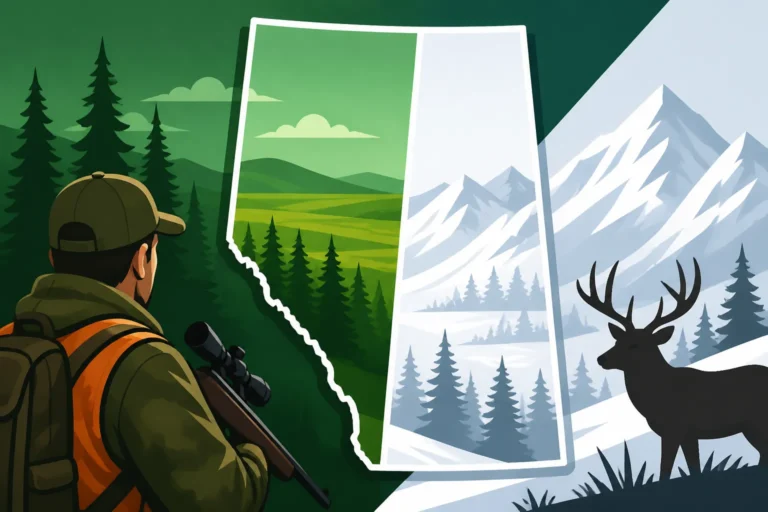
The area west of Rocky Mountain House is where Alberta's agricultural plains give way to the undulating foothills and eventually meet the towering peaks of the Rocky Mountains. This transition zone creates an incredibly diverse ecosystem, offering a range of hunting experiences from accessible timber stands to remote, unforgiving backcountry. It's a land of rolling hills, deep river valleys carved by the North Saskatchewan and Ram Rivers, dense coniferous forests, and pockets of aspen parkland. This varied terrain means different challenges and opportunities depending on where you focus your efforts.
The Rugged Topography and Its Influence on Hunting
As you head west from Rocky, the elevation steadily climbs, and the terrain becomes significantly more broken. We're talking about steep ridges, narrow valleys, and countless drainages that crisscross the landscape. This isn't flat farm country; it's a physically demanding area. The forests often consist of mature spruce and pine, interspersed with regenerating clearcuts and natural openings from old burns or beaver activity. This ruggedness makes for tough hiking, but it also provides excellent cover for game. Animals have vast tracts of undisturbed habitat to live out their lives, and finding them often requires serious effort and a willingness to put miles on your boots. The very nature of this country means that road-hunting is largely ineffective, and successful hunters are those who are prepared to hike, climb, and sometimes, even backpack into more remote areas. The weather here can change on a dime, too, from warm autumn sunshine to heavy snowfall in a matter of hours, adding another layer of challenge to an already demanding environment.
Key Game Species and Their Preferred Habitat
This transitional zone is rich in a variety of big game and predators. Elk are perhaps one of the most sought-after species here, thriving in the mix of open clearcuts, mature timber, and river bottoms. You'll find them grazing on lush grasses in meadows and then bedding down in the security of dense timber. Moose also call this region home, particularly favoring the wet, boggy areas, beaver ponds, and willow thickets along rivers and creeks, especially in the more northern and western reaches. Mule deer are prevalent in the more open, broken country, often frequenting the edges of clearcuts and natural meadows, while whitetails tend to stick to the river valleys and the thicker timber found closer to the "white zone" (private land) fringe. Black bears are abundant throughout the forests, drawn to berry patches, fresh green-ups in spring, and denning sites in the thickest cover. Predators like wolves and coyotes are also present, following the migratory patterns of the deer, elk, and moose. Understanding the specific habitat preferences of each species is absolutely crucial to planning your hunt here, as simply wandering through the woods isn't likely to yield results.
Navigating Access and Land Status
One of the biggest hurdles for hunters in the Rocky Mountain House area is understanding where they can legally hunt. Much of the land west of town is Crown land, managed by the province, but it's not all open access. There are specific rules and designations you need to be aware of, especially concerning Public Land Use Zones (PLUZs), forestry roads, and the occasional private land parcels that can checkerboard public tracts. Neglecting to thoroughly research access can lead to frustrating encounters or, worse, unintended trespassing.
Understanding Public Land Use Zones (PLUZ)
A significant portion of the Crown land west of Rocky Mountain House falls within various Public Land Use Zones, or PLUZs. These zones are established to manage recreational activities, including hunting, and often have specific rules regarding vehicle use, camping, and even where you can ride off-highway vehicles (OHVs). For example, the Ghost River Wilderness Area or the Bighorn Backcountry, while technically Crown land, have different regulations than some of the general forest areas. The most important thing to remember is that these rules are in place to minimize impact and ensure sustainable use, but they also dictate how you can approach your hunt. Many hunters rely on mapping applications like onX Hunt to visualize these boundaries and understand permitted activities. Before you head out, you absolutely need to consult the specific PLUZ regulations for your chosen area. Ignoring them can lead to fines and a ruined hunt. Think of it as knowing the speed limit before you drive into a new town – it's just basic courtesy and legality. Understanding Alberta's Public Land Use Zones Explained is essential for any hunter heading into this country.
Forestry Roads and Backcountry Trails
The vast network of forestry roads is the arterial system for accessing the deeper wilderness west of Rocky. These roads, often unpaved and sometimes rough, allow you to get further into the hunting grounds, but they aren't always a free-for-all. Many are subject to seasonal closures, particularly during spring thaw or periods of high fire risk. Some are permanently gated, requiring foot or horseback access beyond that point. Beyond the main arteries, you'll find an intricate web of old logging roads, seismic lines, and quad trails. While these can offer excellent access to less-pressured areas, it's crucial to know the rules around OHV use on Crown land, especially within PLUZs. Not all trails are open to motorized vehicles, and some might be designated for specific types of use only. This is where a good GPS with up-to-date mapping, combined with pre-scouting using satellite imagery, becomes indispensable. Tools like GoHunt can help you analyze terrain and potential access points from afar, saving valuable time on the ground. Hunting an Old Logging Road in the Foothills can be a very productive strategy, but knowing the regulations is paramount.
Respecting Private Land Boundaries
While much of the area west of Rocky is public, you'll still encounter private land, especially closer to the fringes of settlement. These private parcels might be working ranches, agricultural fields, or isolated recreational properties. It’s absolutely critical to know exactly where these boundaries lie and to obtain explicit permission before stepping foot on private land. The last thing you want is to inadvertently trespass, damaging the reputation of all hunters. Even if you're pursuing game that crosses a boundary, you cannot follow without permission. Again, a reliable GPS mapping app like onX Hunt, which shows property lines, is your best friend here. Don't guess; know for sure. Respecting private property isn't just a legal requirement; it's a fundamental part of being an ethical hunter and helps maintain positive relationships between landowners and the hunting community.
Species-Specific Hunting Strategies in the Foothills
Hunting the country west of Rocky Mountain House demands a nuanced approach, tailored to the specific behavior and habitat of your target species. General tactics might get you in the woods, but specialized strategies are what truly lead to success in this challenging environment.
Elk Hunting in Foothills Benches
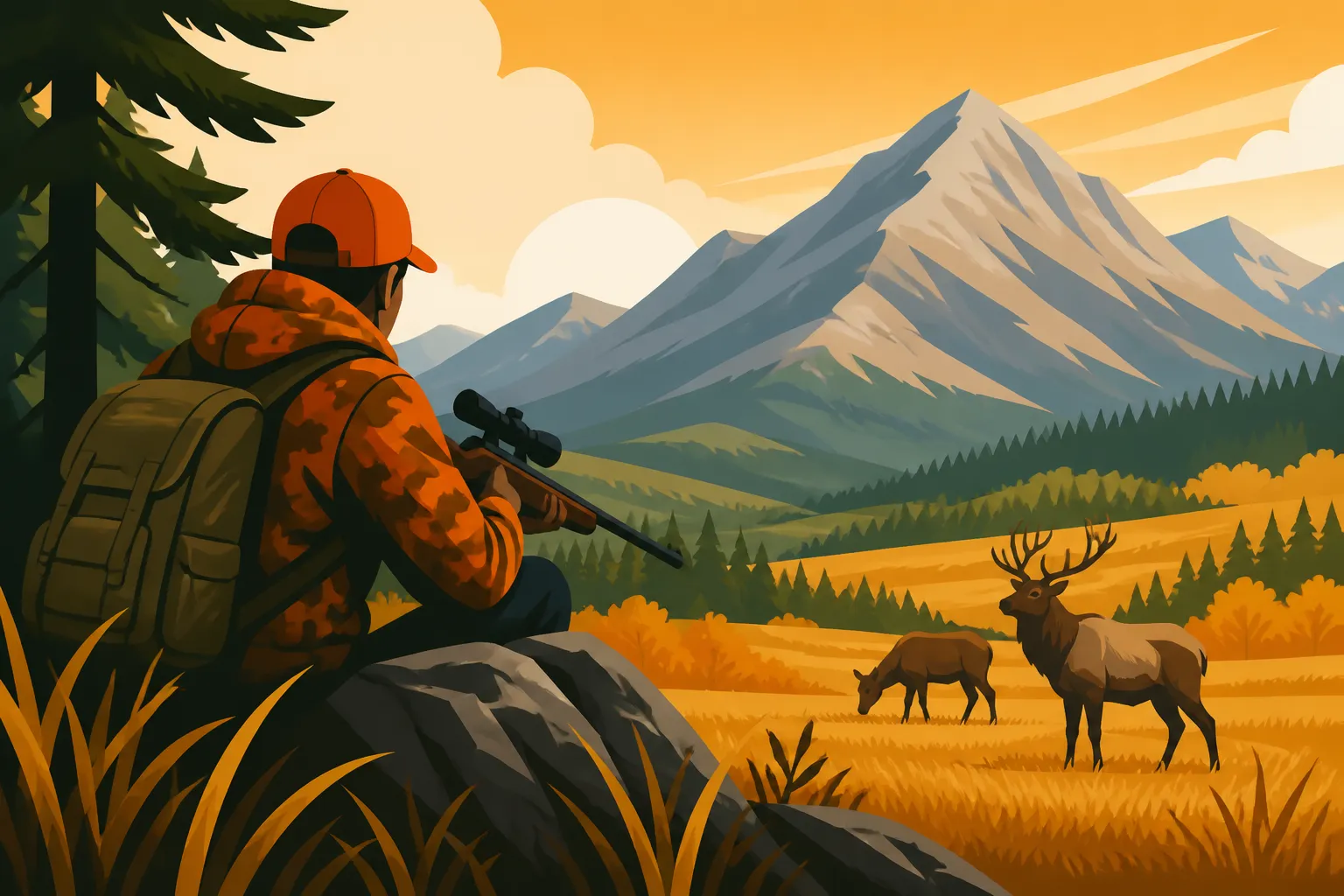
Elk are the crown jewels of the Foothills, and chasing them west of Rocky is a quintessential Alberta hunting experience. During the archery season, especially in September, the bulls are often vocal, making bugling and cow calling highly effective. Find the highest vantage points you can, glassing into clearcuts, natural meadows, and the long, rolling benches that characterize the terrain. Elk often feed in these open areas during low light hours and retreat to the dense timber on north-facing slopes for bedding during the day. As the rifle seasons open, elk become warier and often move into even thicker cover. Spot-and-stalk tactics, coupled with patience and a deep understanding of their movement patterns between feeding and bedding areas, become paramount. Focus on transition zones – where timber meets meadows, or where different forest types converge. Remember that elk herds can cover significant ground, so being physically prepared to hike long distances and spend days away from your vehicle is crucial. Understanding Bugling Elk in Alberta's Foothills can significantly increase your odds.
Moose Along Rivers and Cutlines
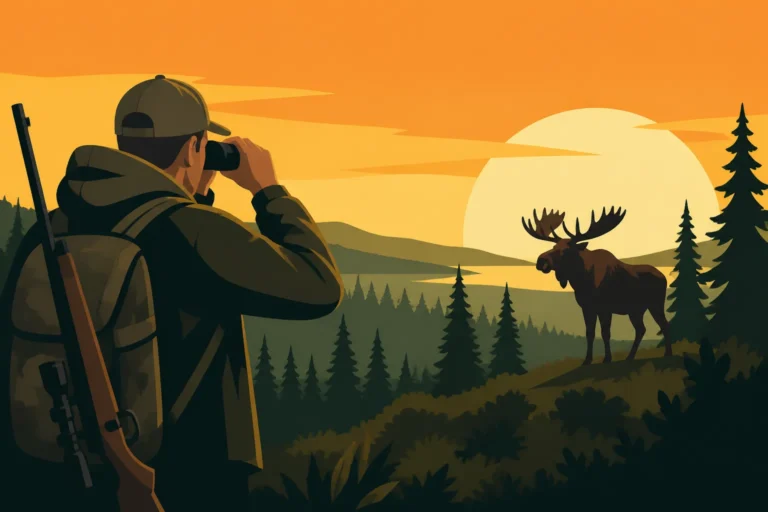
Moose hunting west of Rocky often focuses on areas with abundant water and dense cover. The river bottoms of the North Saskatchewan, Ram, and their tributaries, with their willow flats, alder thickets, and beaver ponds, are prime moose habitat. Look for fresh browse, broken saplings, and large tracks along muddy banks. During the rut, typically late September through October, calling can be incredibly effective. Mimicking a cow in heat or the challenge of a bull can draw a curious or territorial bull right into your setup. Beyond the river systems, old clearcuts and seismic lines within the boreal forest fringe can also be productive, especially if they are regenerating with willows and aspen. Moose often use these linear features for easy travel and browsing. Early mornings and late evenings are key, as moose are often most active during these cooler periods. Be prepared for tough sledding when it comes to packing out a moose in this rugged, often wet, environment. For more detailed insights, you might want to read Calling Moose in Alberta's Boreal Forest.
Deer in Transitional Zones
Both mule deer and whitetails are found west of Rocky, though their preferred haunts often differ. Whitetails tend to stick to the lower elevations, river corridors, and areas with a mix of aspen bluffs and dense coniferous cover, particularly closer to the transition into agricultural lands. They thrive in the pockets of cover that offer both feed and security. Hunting whitetails here often involves still-hunting through aspen thickets, focusing on creek bottoms, or setting up on natural funnels. Mule deer, on the other hand, typically prefer the more open, broken country of the foothills, gravitating towards clearcuts, burned areas, and steep, brushy slopes. Spot-and-stalk is a highly effective method for mule deer, requiring keen optics and a patient approach. Finding a good vantage point at first light and systematically glassing slopes and clearcut edges for deer movement is often the most successful strategy. Both species become more active during the rut in November, which can be an excellent time to hunt, but also one where the weather can turn brutally cold.
Black Bear in Spring and Fall
Black bears are common throughout the forests west of Rocky Mountain House, offering excellent hunting opportunities in both spring and fall. Spring bear hunting (typically May to mid-June) focuses on finding bears as they emerge from their dens, seeking out the first green shoots of vegetation. Look for south-facing slopes, clearcuts, and riparian areas where new growth appears earliest. Bears will often spend hours grazing in these open areas. During the fall, bears are busy fattening up for winter, keying in on berry patches, oat fields (if present on the eastern fringe), and areas with abundant mast crops like hazelnuts or saskatoons. Hunters often employ spot-and-stalk tactics or may utilize bait sites where legal and permitted. Patience and good optics are vital, as distinguishing between a boar and a sow with cubs is critical. Remember, colour phase bears (cinnamon, blonde) are common in Alberta, so don't be surprised to see bears that aren't black. For further reading, check out Black Bear Hunting in Alberta.
Here's a quick look at typical habitat preferences for major game species west of Rocky Mountain House:
| Species | Preferred Habitat | Hunting Strategy Considerations |
|---|---|---|
| Elk | Clearcuts, timbered benches, river valleys, north-facing slopes for bedding | Bugling/Calling (rut), spot-and-stalk, still-hunting timber |
| Moose | Willow flats, beaver ponds, wet river bottoms, regenerating cutlines | Calling (rut), still-hunting dense cover, focusing on browse |
| Mule Deer | Open, broken foothills, clearcut edges, steep brushy slopes | Spot-and-stalk, glassing vantage points, still-hunting draws |
| Whitetail | Aspen bluffs, river corridors, mixed forest pockets | Still-hunting timber, stand hunting natural funnels, creek bottoms |
| Black Bear | Clearcuts (spring green-up), berry patches (fall), dense forest for cover | Spot-and-stalk, baiting (where legal), focusing on food sources |
Essential Gear and Planning for Success
Hunting west of Rocky Mountain House is not a casual affair. The rugged terrain, unpredictable weather, and often remote nature of the hunting grounds demand thorough preparation and the right gear. Going in ill-prepared can quickly turn an exciting adventure into a dangerous situation.
Navigating the Shifting Weather
Alberta weather, especially in the Foothills, is famously temperamental. You can experience all four seasons in a single day. A crisp, sunny September morning can quickly give way to a driving snowstorm by afternoon, or a warm October day can be followed by sub-zero temperatures overnight. This makes layering your clothing absolutely critical. Think breathable base layers, insulating mid-layers, and a waterproof/windproof outer shell. Always pack for colder and wetter conditions than the forecast suggests. Hypothermia is a real risk if you're caught unprepared. A quality sleeping bag rated for colder temperatures than you anticipate, and a sturdy tent capable of handling wind and snow, are non-negotiable for any overnight trips. Being able to adapt to changing conditions will not only keep you safe but also allow you to remain comfortable and focused on the hunt. Consider reading Hunting Alberta Winter Weather Safely for more insights into cold-weather preparedness.
Physical Demands and Preparation
The country west of Rocky Mountain House is not for the faint of heart or the out of shape. Whether you're chasing elk through a series of steep ridges or packing a moose out of a deep valley, the physical demands are substantial. You'll be climbing, descending, and traversing uneven terrain, often with a heavy pack. A solid fitness regimen leading up to your hunt is highly recommended. This should include cardiovascular endurance, strength training, and, ideally, practice hikes with a weighted pack. Nothing ruins a hunt faster than being physically unable to keep up or safely extract your game. Beyond the physical, mental fortitude is also key. The conditions can be challenging, the hiking tough, and the animals elusive. A positive attitude and persistence will go a long way. If you're considering a more remote hunt, like those for mountain species, Backpack Hunting Alberta's Bighorn Country offers valuable lessons in physical readiness and gear selection for arduous conditions.
Crucial Mapping and Communication Tools
In this vast and often unserviced area, reliable navigation and communication tools are not luxuries – they are necessities. A high-quality GPS unit or a robust GPS app on your smartphone (like onX Hunt or others that allow for offline maps) is non-negotiable. Always carry spare batteries or a portable power bank. While cell service might exist on some high ridges, it's generally spotty to non-existent in the valleys and deeper bush. A satellite communication device, such as an inReach or Spot device, is a wise investment for emergency communication. These devices allow you to send texts and SOS messages even without cell service. Don't forget the old-school basics: a good compass and a paper map of your chosen Wildlife Management Unit (WMU) are essential backups. Knowing how to read an Alberta WMU map before you even leave home is a fundamental skill. Sharing your hunt plan with a trusted person who knows your expected return time and itinerary is another vital safety measure. Always be prepared for the unexpected when you venture into the rugged wilderness west of Rocky.
Disclaimer
This article is for general informational purposes only and does not constitute professional advice. Laws, prices and regulations vary by location and change over time. Consult a qualified professional for guidance on your specific situation.