Alberta Posted Land and Signage Rules
One of the most frustrating things as an Alberta hunter is encountering "No Trespassing" signs or confusing boundary markers when you're just trying to enjoy your passion. It creates immediate uncertainty, can quickly derail a hunt, and nobody wants to inadvertently break the law. This guide is here to unravel the complexities of Alberta's posted land and signage rules, helping you understand your rights and responsibilities so you can hunt with confidence and respect for private property.
Understanding the Legal Landscape of Posted Land in Alberta
Alberta has a vast and varied landscape, from sprawling private farmlands to immense tracts of Crown land. Knowing the difference, and understanding the laws that govern access to each, is absolutely critical for any hunter. The rules around posted land are designed to protect private property rights, and as hunters, it's our duty to respect those boundaries.
The Alberta Trespass Act and Hunter Obligations
At the heart of private land access in Alberta is the Trespass Act. This legislation clearly states that a person must not trespass on land, and "land" includes not only the ground itself but also anything on it, like buildings or crops. For hunters, this means you cannot enter or remain on private land without the express permission of the owner or occupier. It doesn't matter if there's a fence, a ditch, or a bright orange sign; if it's private land and you don't have permission, you're trespassing. This isn't just a minor infraction; trespassing can lead to significant fines and, perhaps more importantly, erode the trust between landowners and the hunting community.
The onus is always on the hunter to know whose land they are on. Imagine you're walking along what looks like a public trail, but it subtly veers onto a corner of private property. Without knowing the exact boundary, you could be unknowingly breaking the law. This is where tools and knowledge become vital. It’s not enough to assume land is public; you need to verify it. Think about the goodwill you can build by showing that you understand and respect these laws, even if you’re just passing through. It helps ensure that future access remains open for everyone. For a deeper dive into the specifics, you might find The Alberta Trespass Act and Hunting particularly helpful.
Differentiating Private Land from Crown Land in Alberta
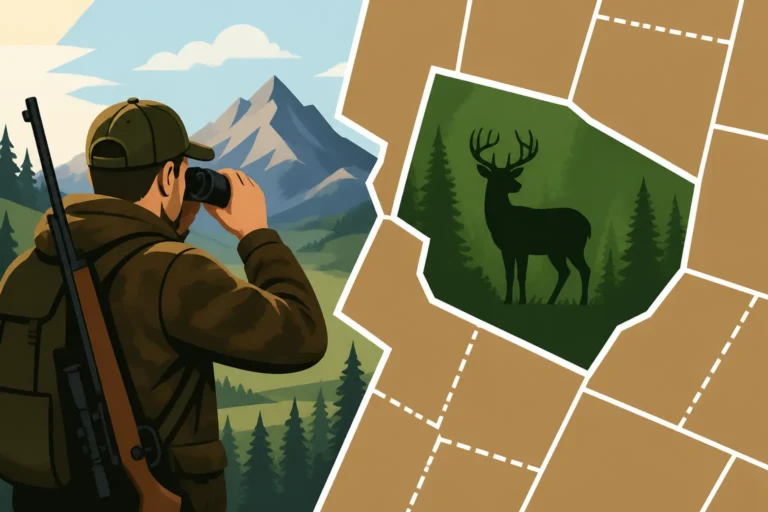
One of the biggest challenges for hunters, especially those new to an area, is simply knowing whether they are on private land or Crown (public) land. In many regions, particularly the White Area (settled agricultural zone), private parcels can be interspersed with smaller sections of Crown land, often referred to as "Crown land fragments" or unassigned public land. These fragments can be small, sometimes only a quarter section, and might not be clearly marked on the ground.
Crown land, by its nature, is generally open for public recreational use, including hunting, unless specifically restricted (like in provincial parks or certain Public Land Use Zones). However, private land requires permission. The transition from one to the other can be seamless on the ground, making identification difficult without proper tools. A field could suddenly become private, or a bush line might divide public from private land. It's not uncommon to hear stories of hunters mistakenly venturing onto private property, only to be confronted by a landowner. This is precisely why it's so important to utilize modern mapping technologies. Understanding how to navigate these distinctions is key to a successful and legal hunt, and there are many resources that explain Finding Alberta Public Land Boundaries.
What Constitutes Legal Posted Land Signage?
When a landowner wants to explicitly deny access, they often use signs. But what exactly counts as "legal signage" in Alberta, and what should hunters be looking for? It's not always a simple bright red "No Hunting" sign.
Specifics of "No Trespassing" Signs
Alberta's Trespass Act doesn't actually specify a particular size, color, or wording for "No Trespassing" signs to be legally binding. The general principle is that the landowner must make it clear that entry is prohibited. This means a sign saying "No Hunting," "Private Property," "Keep Out," or even just "No Trespassing" is usually sufficient. These signs don't need to be every 10 feet along a property line, but they should be reasonably visible and placed in locations where people would likely enter the property, such as along main roads, at gates, or where trails cross boundaries.
It's also important to remember that even without signs, land can still be considered posted if the landowner has previously communicated that entry is forbidden, either verbally or in writing. However, signs are the most common and clear way for landowners to communicate this. When you see a sign, even if it looks old or faded, err on the side of caution. That sign is the landowner's direct message to you: "Do not enter." Disregarding it is not only illegal but deeply disrespectful.
The Role of Fences and Boundaries
Beyond specific signs, physical features like fences and well-defined property lines also play a crucial role in indicating private land. While not every fence legally denotes a "no trespassing" zone automatically, a fence usually delineates private property from an adjacent area, whether it be another private parcel or public land. In many agricultural areas, fences are ubiquitous and clearly mark property boundaries.
Consider a situation where you're hunting along a fenceline that separates a field from a bush patch. Even if there are no explicit "No Trespassing" signs on the fence itself, if the field is clearly cultivated and the bush beyond it looks like managed pasture or woodlot, it's a strong indicator that you're looking at private property. The absence of a sign does not automatically grant permission to enter. It simply means the landowner hasn't chosen that specific method to convey their restrictions. Always operate under the assumption that if it looks like private property, it probably is, and permission is required. This applies especially when you are hunting species like deer that might move between different land types. For tips on gaining access, refer to Asking an Alberta Landowner for Permission.
Navigating Posted Land: Hunter Responsibilities and Best Practices
So, what's a responsible hunter to do when faced with posted land or uncertain boundaries? It comes down to preparation, diligence, and respect. There are excellent tools and practices that can save you a lot of grief and foster positive relationships with landowners.
Always Seeking Explicit Permission
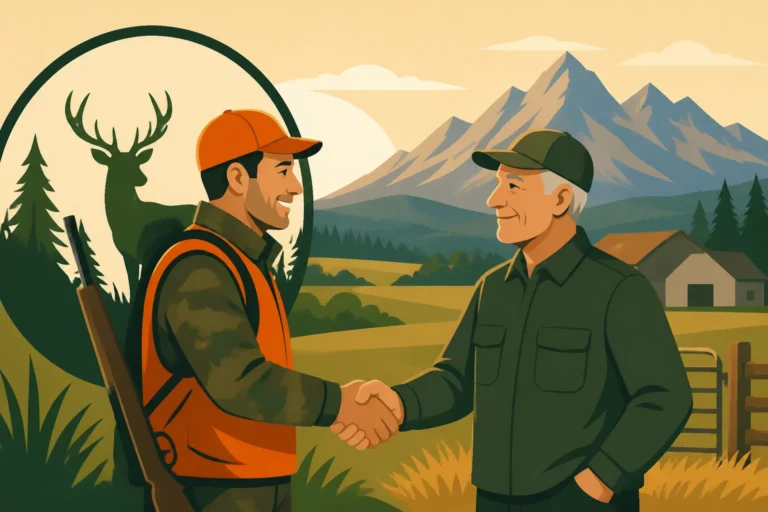
This is the golden rule of hunting private land in Alberta: always seek and obtain explicit permission before entering. This isn't just a courtesy; it's a legal requirement. Permission should ideally be obtained directly from the landowner or occupier. While verbal permission is legally binding, many seasoned hunters prefer to get permission in writing, or at least confirm it via text or email, to avoid any misunderstandings. This might seem like an extra step, but it protects both you and the landowner.
When you approach a landowner, be respectful, introduce yourself, and clearly state your intentions. Are you looking to hunt deer? For how long? Will you be bringing a quad? Will you be walking the land or driving? Being upfront and clear builds trust. A landowner who knows who you are and what you're doing is far more likely to grant access than one who suspects you might just show up without asking. And remember, permission for one day or for one specific species doesn't automatically extend to another day or another species. Always clarify the scope of your permission. A great resource for understanding this process is Getting Private Land Permission in Alberta.
Using Mapping Tools for Land Identification
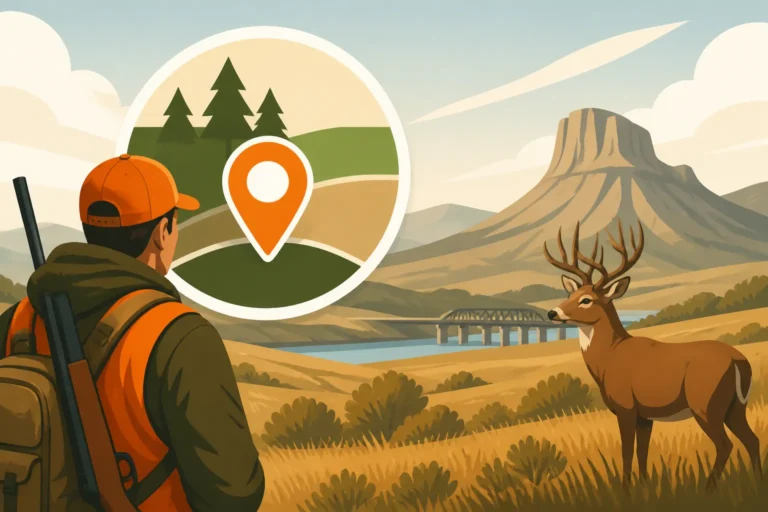
In today's world, there's no excuse for not knowing whose land you're on. Modern mapping applications have revolutionized how hunters navigate Alberta's diverse landscape. Tools like onX Hunt and GoHunt provide detailed property boundaries, landowner names (where publicly available), and designations for Crown land, grazing leases, and other land types. Using these apps on your smartphone or GPS device can give you real-time information about your location relative to property lines.
Imagine you're stalking a mule deer and it crosses into a patch of bush. With a mapping app, you can instantly see if that bush is still Crown land or if it belongs to a private landowner. This allows you to make informed decisions on the fly, preventing accidental trespass. Before heading out, spend time scouting your chosen Alberta WMUs a First-Timer Should Try with these digital maps. Mark potential access points, identify public land pockets, and note any clearly marked private properties. These tools are invaluable for planning your hunt and staying on the right side of the law.
| Feature | Description | Hunter's Benefit |
|---|---|---|
| Property Lines | Digital overlay showing precise boundaries of private and public land parcels. | Clearly identifies where private land begins, preventing accidental trespass. |
| Landowner Names | Provides names of property owners (where publicly accessible). | Helps identify who to contact for permission. |
| Crown Land Layers | Highlights designated public lands (Forestry, Parks, PLUZs). | Confirms areas where public access is generally permitted for hunting. |
| Grazing Leases | Shows boundaries of provincial grazing leases. | Crucial for understanding specific access rules and who to contact for permission. |
| Topographic Maps | Detailed elevation, terrain features, water bodies. | Aids in navigation and understanding how game might use the landscape. |
What to Do if You Encounter Ambiguous Signage
Sometimes, signage isn't perfectly clear. Maybe a sign is old, partially obscured, or the property line is hard to discern. In these situations, the best practice is always to assume it's private land and do not enter without explicit permission. It's far better to err on the side of caution than to risk a trespassing charge or anger a landowner.
If you're unsure, try to identify the landowner using your mapping apps (like onX Hunt, which can often display landowner info) or by asking locals if it's feasible and safe to do so. If you can't get clarity or permission, move on to another area. There's plenty of hunting opportunity in Alberta, and risking a confrontation isn't worth it. A friendly note left at a gate with your contact information, explaining your query, can sometimes open doors, but never use it as an excuse to enter beforehand. Always remember the rules set out in Alberta Posted Land and Signage Rules are there for a reason.
Addressing Common Misconceptions and Specific Scenarios
Even with a good understanding of the rules, certain situations can still cause confusion for hunters. Let's clear up some common misconceptions and address specific scenarios.
Retrieving Game from Private Land
This is a scenario that causes a lot of anxiety and misunderstanding. You've made a great shot, and your deer runs onto adjacent private land where you don't have permission. What do you do? The simple answer is: you still need permission to retrieve your animal. The fact that your animal crossed a boundary does not automatically grant you the right to follow it onto private property.
Contacting the landowner immediately is paramount. Explain the situation calmly and respectfully. Most landowners, especially those who hunt themselves, will understand and often grant permission for retrieval, or even help you. However, they are under no legal obligation to do so. If permission is denied, or you can't reach the landowner, your options become limited. You cannot legally enter the property. In such a frustrating situation, reporting the situation to Fish and Wildlife enforcement officers might be your next step, as they may have the authority to assist, or at least document the situation. This specific scenario is covered in more detail in Retrieving Game From Private Land in Alberta. It's a tough pill to swallow, but respecting property rights always comes first.
Hunting Near Buildings and Occupied Dwellings
Even on public land, or land where you do have permission, there are strict rules about hunting too close to dwellings or occupied buildings. Alberta's regulations state that you cannot discharge a firearm or a bow within 183 meters (200 yards) of any occupied building (without the consent of the owner or occupant). This rule is in place for public safety and to prevent disturbance.
An "occupied building" includes houses, barns, sheds, and even temporary structures like cabins or camping trailers if they are in use. This means that even if you're on a piece of Crown land, you need to be aware of any nearby private residences or farmsteads. It's not just about what you can see; sound travels, and a bullet can travel much further than you might imagine. Always maintain a safe and respectful distance, even if you think you have a clear shot. This is a crucial safety regulation that protects lives and prevents property damage, and it applies regardless of whether the land is posted or not. Being mindful of these rules also includes understanding Rules on Hunting Near Buildings.
Conclusion
Navigating Alberta's posted land and signage rules can seem daunting at first, but with a clear understanding of the law, the right tools, and a respectful approach, it becomes a straightforward part of responsible hunting. Always do your homework before you head out, verify property boundaries with reliable mapping tools like onX Hunt or GoHunt, and never hesitate to ask for permission. Building positive relationships with landowners is vital for preserving hunting opportunities for all of us. By respecting private property, you're not just following the law; you're contributing to a culture of ethical hunting that benefits everyone.
Disclaimer
This article is for general informational purposes only and does not constitute professional advice. Laws, prices and regulations vary by location and change over time. Consult a qualified professional for guidance on your specific situation.