Hunting a River Island in the Boreal
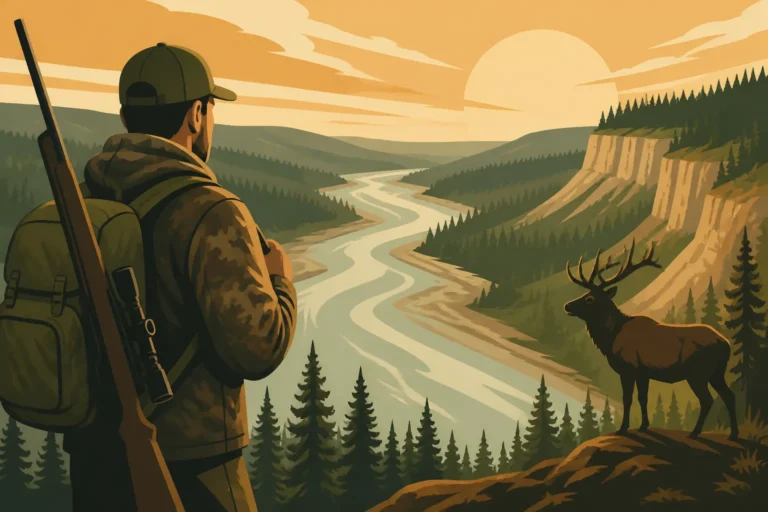
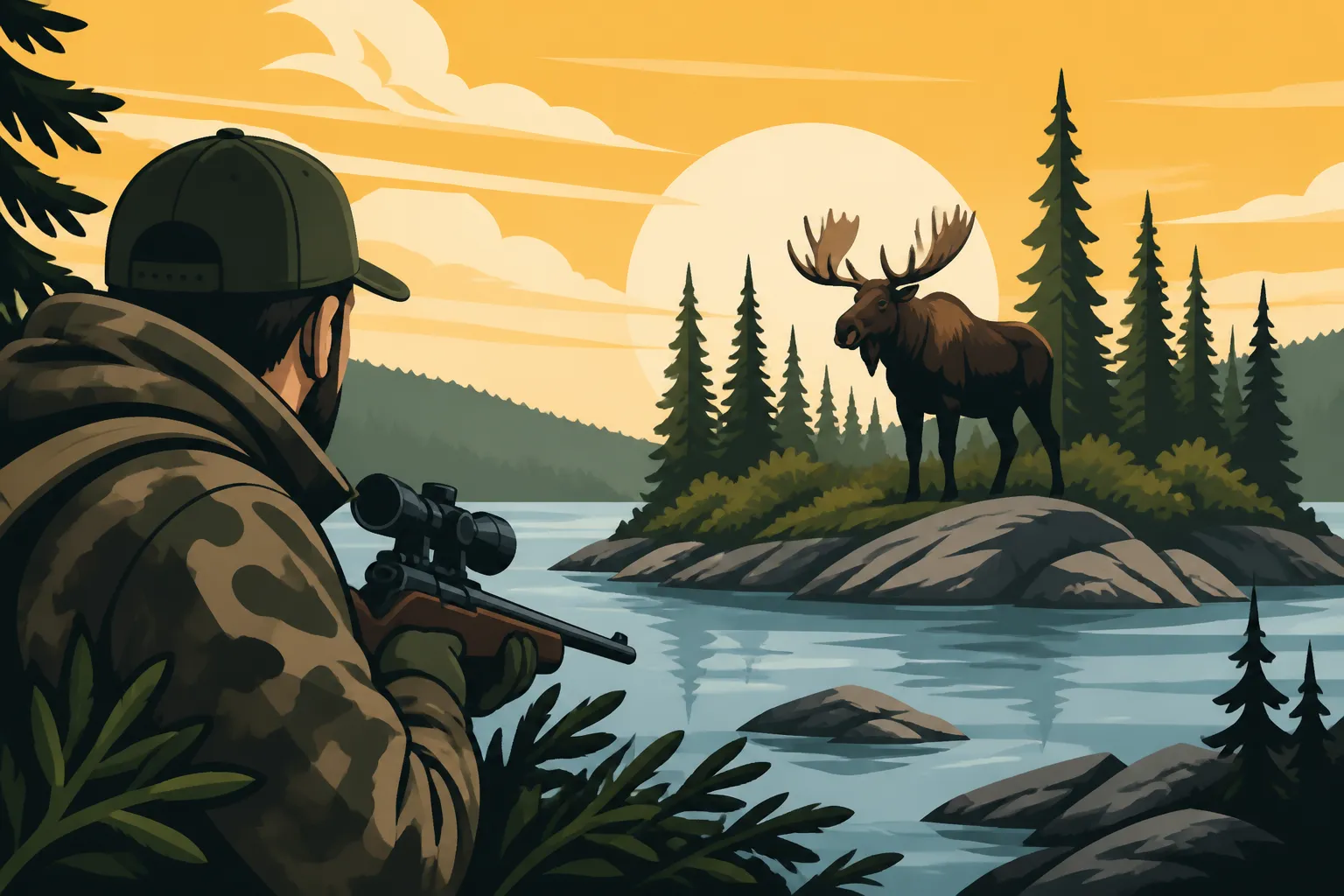
For any hunter who has spent time in Alberta's vast boreal forest, the sight of a timbered island rising from the middle of a flowing river often sparks a unique curiosity. These isolated pockets of land, surrounded by water, can be incredibly intimidating to access, but they also represent a truly untapped frontier, holding the potential for undisturbed game that rarely sees human pressure. This guide will walk you through the unique challenges and incredible rewards of hunting these remote river islands, helping you understand how to locate, access, and successfully hunt these unique boreal havens.
Why River Islands Are Prime Habitat in the Boreal
River islands in Alberta's boreal forest are more than just land surrounded by water; they are often miniature ecosystems that provide exceptional habitat for a variety of big game. The very isolation that makes them challenging for hunters to reach is precisely what makes them so attractive to wildlife. Understanding why animals gravitate to these islands is the first step in formulating a successful hunting strategy.
Natural Sanctuary for Big Game
Think about it: a river island offers a natural fortress. The water acts as a significant deterrent, both to most human disturbance and often to some predators. While bears and wolves are strong swimmers, the consistent barrier can limit their casual movement and pressure compared to mainland areas. This means game animals that seek refuge on these islands can often live out their lives with less stress and fewer encounters with hunters or predators. You might find older, wiser animals using these spots as consistent bedding areas or seasonal refuges. Deer, moose, and even black bears often recognize these islands as safe zones, especially during periods of high pressure on the mainland, like the opening week of rifle season. They know that once they're on an island, they're relatively secure, making them a high-value target for a diligent hunter.
Consider a scenario where hunting pressure builds on the main riverbanks. A savvy whitetail or a mature bull moose will often simply slip into the river and swim to a nearby island, knowing full well that few hunters will follow. They'll bed down there, waiting out the commotion, and only return to the mainland when things quiet down. This makes scouting for these islands crucial, as you might find fresh sign indicating recent activity, even if the surrounding mainland areas seem empty. It's about thinking like the animal and finding their safe spaces.
Diverse Forage and Cover
Boreal river islands often boast a surprisingly rich diversity of vegetation. The proximity to water creates a unique microclimate and soil conditions that can support different plant species than the surrounding upland forest. You might find lush pockets of willow and alder along the banks, offering prime browse for moose and deer. Further inland on the island, you could encounter a mix of mature spruce and pine, providing excellent thermal cover and bedding areas, interspersed with younger aspen or birch stands that offer abundant forage.
This varied landscape means animals don't need to travel far to find everything they need: food, water, and security. A moose could browse on willow shoots by the river in the morning, then retreat to a thick conifer stand on the island's interior for bedding during the day. Deer might find a sheltered pocket of tall grass or a dense understory to hide fawns. This concentration of resources makes islands incredibly efficient habitats for game. When you're Hunting a Beaver Meadow in the Boreal or a similar diverse habitat, you understand the value of varied forage, and river islands amplify this benefit by compacting it into an isolated sanctuary.
Seasonal Movement and Bottlenecks
While islands offer refuge, they also play a role in the broader seasonal movements of game. During late summer and early fall, lower water levels might expose sandbars or create shallower crossings, allowing animals to move onto and off islands more easily. As winter approaches and ice begins to form, these islands can become temporary havens, or even traps, depending on the ice thickness and stability.
Rivers themselves act as natural funnels and travel corridors. Animals often follow river systems, using them as navigation aids or moving between feeding and bedding areas. Islands, therefore, can become critical stopping points or natural bottlenecks where animals concentrate. Imagine a herd of elk moving along a river valley; a large, well-vegetated island might be a perfect spot for them to pause, feed, and rest before continuing their journey. For the astute hunter, these movements create predictable patterns. Understanding Moose Across Alberta's Boreal and Foothills often means understanding how they use these river systems and the islands within them for travel and security.
Scouting and Accessing Boreal River Islands
The allure of an untouched river island full of game is strong, but the practicalities of scouting and accessing these spots are where many hunters hit a wall. It requires careful planning, the right tools, and a healthy respect for the river itself. Rushing into an island hunt without proper preparation is a recipe for a bad day, or worse.
Mapping Tools and Satellite Imagery
Before you even think about putting a boat in the water, your first scouting mission should be digital. High-quality mapping applications are your best friend here. Tools like onX Hunt or GoHunt allow you to pour over satellite imagery, identify potential islands, assess river width, and even get a sense of the vegetation density on the island itself. Look for areas where the river widens, creating larger islands, or where braided river sections might indicate shallower waters and more potential crossing points.
Zoom in closely to look for signs of game trails leading to and from the water's edge on the mainland, which might indicate consistent crossing points. Observe the river's characteristics – are there rapids, tight bends, or wide, calm stretches? This visual reconnaissance from your couch or office can save you immense amounts of time and effort in the field. You can mark potential landing spots, create waypoints for deep channels to avoid, and even estimate the distance you'll need to paddle or motor. It's truly revolutionizing how we approach these remote areas and allows you to Scouting With Satellite Imagery in Alberta with incredible precision.
Watercraft Considerations
Choosing the right watercraft is paramount for safely and effectively accessing river islands. This isn't a one-size-fits-all decision, as the type of river, the distance to the island, and the amount of gear you need to transport will all play a role.
- Canoes/Kayaks: Excellent for quieter, slower-moving rivers or shorter distances. They are stealthy, relatively lightweight, and can navigate shallower waters. However, they have limited capacity for gear and a harvested animal. They are also less stable in strong currents or rapids.
- Jon Boats/Small Aluminum Boats: A step up in capacity and stability. These are great for rivers with a bit more flow or when you need to carry more gear. They can often be fitted with small outboard motors, significantly reducing travel time. Ensure your motor is suitable for the depth and any potential snags.
- Jet Boats: If you're on a larger river with consistent current and potential shallow spots, a jet boat might be the only way to go. Their ability to run in very shallow water over gravel bars is a huge advantage, though they are louder, heavier, and require more skill to operate in moving water.
| Watercraft Type | Pros | Cons | Ideal River Conditions | Capacity (Gear/Game) |
|---|---|---|---|---|
| Canoe/Kayak | Stealthy, lightweight, shallow draft | Limited capacity, less stable, slow | Slow-moving, shallow, short distances | Low |
| Jon Boat | Stable, decent capacity, motorizable | Can be heavy, requires deeper water for propeller | Moderate flow, longer distances, some shallow areas | Medium |
| Jet Boat | Excellent for shallow water, fast, high capacity | Expensive, loud, fuel-intensive, requires skill | Larger rivers, strong currents, significant shallows | High |
| Inflatable Raft | Packable, durable, stable | Slow, paddling intensive, wind affects heavily | Moderate flow, portaging, unpredictable conditions | Medium |
Always wear a personal flotation device (PFD), even if you're a strong swimmer. River conditions can change rapidly, and accidents happen. Having a reliable boat and knowing how to handle it in varied conditions is as critical as your hunting skills. Remember to factor in not just getting to the island, but also getting back, potentially with a heavy load.
Reading the River and Terrain
Successfully navigating to a river island requires a keen understanding of river dynamics. What looks like calm water can hide swift currents, submerged logs, or sudden drops in depth. Always approach with caution, especially if you're unfamiliar with the waterway. Look for "V" shapes in the water that point upstream; these often indicate submerged obstacles or rocks. Downstream V's usually indicate deeper, clearer channels. Sandbars and gravel bars can shift with every flood event, so what was clear last year might be an impassable shallow this year.
When you finally reach the island, take the time to safely land your watercraft and secure it. Then, spend some time reading the island's terrain. Look for natural funnels, pinch points, and dense cover where game might be bedding. Identify trails leading from water sources to feeding areas and then to bedding locations. Are there old growth pockets, areas of thick regrowth, or open clearings? These details, combined with your satellite reconnaissance, will help you predict animal movement and formulate your hunting plan. For a comprehensive understanding of Hunting Alberta's Boreal Forest Country, understanding this interplay of water and land is fundamental.
Hunting Strategies for Island Terrain
Once you've safely reached your chosen river island, the real hunting begins. The unique environment of an island calls for specific strategies that capitalize on its isolation and the predictable movements of game within its confines. It's about being patient, methodical, and leveraging the island's natural boundaries.
Still Hunting and Stand Placement
Still hunting, or slowly walking and observing, is an incredibly effective tactic on smaller to medium-sized river islands. The confined space means animals often don't have endless escape routes, and a careful, quiet approach can surprise game in their bedding areas or feeding zones. Move slowly, stopping frequently to scan, listen, and glass. Pay close attention to wind direction, as the swirling currents around an island can make scent control even more challenging.
For stand placement, look for key areas that funnel game, such as narrow sections of the island, points of land jutting into the river, or dense cover near a water source. River banks can be excellent travel corridors, so setting up a stand overlooking a well-used trail along the water's edge can be productive. Consider prevailing winds and sun position to avoid being silhouetted or having your scent blown directly onto game trails. If you've been doing your homework using onX Hunt to mark potential hot spots, this is where that planning pays off. Think about how you would approach Hanging a Stand on an Alberta Bush Edge but with the added element of the river as a boundary.
Using the Water to Your Advantage
The surrounding water isn't just a barrier; it's a strategic asset. On smaller islands, you might consider setting up a slow, quiet drive with a partner or two, using the water as a natural blocker. The goal isn't to push animals into the water unless absolutely necessary, but rather to funnel them towards a waiting hunter on a stand or positioned along a narrow escape route. Be very mindful of safety and ethics if attempting any type of drive, ensuring all participants know safe shooting lanes and animal behavior.
Alternatively, the water's edge itself can be a fantastic place to hunt. Animals often travel along the banks, using the denser vegetation for cover while still being able to quickly access water. Moose, in particular, love to browse along riparian zones. Setting up an ambush point overlooking a section of river where animals might cross (especially during lower water levels) or a heavily browsed bank can be very effective. This is similar to Hunting a Frozen Slough Crossing where you leverage natural barriers and travel patterns.
Extracting Your Harvest
This is perhaps the most critical and often underestimated challenge of hunting a river island: getting your animal out. A successful hunt on an island becomes a logistical nightmare if you haven't planned for extraction. Before you even pull the trigger, you need a solid plan.
Consider the size of the animal and your watercraft's capacity. For a deer, you might be able to quarter it and load it into a canoe, making multiple trips if necessary. For a moose or large elk, you'll almost certainly need to quarter it in the field. This means bringing appropriate game bags, a sharp knife, and possibly a small saw. Once quartered, can you get the meat to your boat? Is the bank steep or muddy?
If you have a larger boat, like a jon boat or jet boat, you might be able to load quarters directly. If your boat is smaller, you might need to make several trips back to the mainland. Factor in the time it will take, daylight hours, and potential weather changes. Cold temperatures are your friend here for meat preservation, but extreme cold can also make the work brutally hard. Meat Care in Alberta's Cold and Warm Swings is critical, especially when you have to transport it by water. Having ropes, a game cart (if the island terrain allows), or even a small sled (for winter hunting) can make a world of difference. Always prioritize safety over speed; an overloaded boat in moving water is extremely dangerous.
Gear and Safety Essentials for Island Hunting
Hunting a river island pushes you into a more remote and often more challenging environment than a typical mainland hunt. This means your gear choices and safety preparations need to be elevated to match the potential risks. Being well-equipped isn't just about comfort; it's about survival.
Essential Gear for Remote Boreal Hunts
Beyond your standard hunting kit, island hunting demands some specialized items. Your primary concerns are water safety, navigation, and self-sufficiency.
- Water Safety Gear: This includes a properly fitted PFD for everyone in the boat, a bailer, a whistle, a throw bag with rescue rope, and potentially an anchor depending on the river. A repair kit for inflatables or a patch kit for aluminum boats is also wise.
- Navigation Tools: While
onX HuntandGoHunton your phone are fantastic, always carry a physical map (a printed copy of your WMU map is ideal) and a compass. Electronics can fail due to water, cold, or battery drain. A GPS unit can also be a lifesaver. Ensure you know how to use them without relying solely on a screen. Being able to read an Alberta WMU Map Before You Go is a core skill. - Dry Bags: Invest in high-quality dry bags of various sizes to protect your clothing, electronics, food, and sleeping gear from water. Even a small splash can ruin your day or your trip.
- Survival Kit: A comprehensive survival kit is non-negotiable. This should include fire-starting materials, a multi-tool, headlamp with extra batteries, an emergency shelter (tarp or space blanket), cordage, and a water purification method.
- First-Aid Kit: A robust first-aid kit, capable of handling minor injuries, severe cuts, and even hypothermia is essential. Consider taking a wilderness first-aid course.
- Communication Devices: Cell service is often non-existent in remote boreal areas. A satellite messenger (like an inReach or Spot device) is highly recommended for emergency communication.
Navigating Changing Conditions
The boreal forest is known for its dynamic weather, and being on a river amplifies the impact of these changes. Water levels can fluctuate rapidly due to rainfall or upstream dam releases, turning a calm crossing into a treacherous one. Strong winds can make paddling or motoring difficult and create dangerous waves. Early or late-season hunts might encounter ice, which can be unstable and extremely hazardous.
Always check the weather forecast before you leave, and be prepared for conditions to worsen. If the wind picks up, or if rain is turning to snow, don't hesitate to pull off the water and wait it out. If you're Hunting Alberta Winter Weather Safely, pay close attention to ice formation and open water, especially if you're planning to cross. A small amount of preparation and caution can prevent a dangerous situation from escalating. Knowing when to call it a day and head back to the mainland is a sign of experience and good judgment.
Emergency Preparedness
Despite all precautions, emergencies can still happen. Being prepared means having a plan and the right tools. Always tell someone your exact hunting location, your planned route, and your estimated return time. If something goes wrong, someone will know where to start looking.
Your satellite communication device should be your primary tool for calling for help, but know how to signal for rescue if that fails. Carry brightly colored flagging tape to mark your location or a trail. Pack enough extra food and water to last at least 24-48 hours longer than your planned trip, just in case you're stranded. This goes beyond what you might pack for a day trip and leans more towards proper Emergency Plans in Alberta's Backcountry.
Understand the signs of hypothermia and frostbite, and how to treat them. If you get wet, particularly in cold weather, the priority is to get dry and warm immediately. A spare set of warm, dry clothing in a dry bag is invaluable. Hunting remote river islands is an incredible adventure, but it demands a higher level of respect for the elements and a commitment to personal safety.
Disclaimer
This article is for general informational purposes only and does not constitute professional advice. Laws, prices and regulations vary by location and change over time. Consult a qualified professional for guidance on your specific situation.