Hunting Alberta’s Sandhills Country
Hunting Alberta's Sandhills Country presents a truly unique challenge and a deeply rewarding experience, but it’s a landscape that can leave even seasoned hunters scratching their heads. Unlike the familiar aspen parkland or open prairie, the Sandhills hide their secrets in rolling dunes, dense jack pine forests, and marshy pockets, making finding game and navigating effectively a real puzzle. This guide will help you understand this distinct ecosystem, identify the prime game species it holds, and equip you with the knowledge to access and hunt these intriguing areas successfully.
Understanding Alberta's Sandhills Ecosystem
The Sandhills in Alberta are a fascinating geological anomaly, a stark contrast to the surrounding agricultural fields or dense boreal forest. They aren't just big sandboxes; they're a complex mosaic of habitats that demands a different approach from hunters. If you've ever driven through one of these areas, you know they can feel almost alien, with their distinct flora and undulating terrain.
The Unique Terrain and Vegetation
Imagine rolling dunes, sometimes surprisingly steep, covered not in prairie grass but in vast stands of jack pine. This isn't your typical open-country glassing opportunity. The sandy soil, a legacy of ancient glacial lake beds and wind deposition, supports a specific type of vegetation that thrives in these drier, well-drained conditions. You'll find a lot of jack pine, certainly, but also pockets of aspen, willow, and various shrubs, especially in the low-lying areas between the dunes. These vegetation changes are crucial; they dictate where game will feed, bed, and travel.
The sandy terrain can be a blessing and a curse. It's often quieter to walk on than crunchy frozen ground, but it can also be tiring, especially when combined with the constant up-and-down of the dunes. After a good rain, those sandy trails can become incredibly soft, making vehicle access tricky even for four-wheel drives. Understanding this ground is your first step to success. Don't go in expecting flat, easy walking; prepare for a workout and a different kind of stealth.
Water Sources and Game Concentration
While the Sandhills might seem dry due to the sandy soil, they're often punctuated by numerous small wetlands, sloughs, and even larger lakes nestled within the dunes. These depressions collect water, creating crucial oases for wildlife. During drier periods, these water sources become even more critical, acting as magnets for everything from deer and moose to waterfowl. Finding these sloughs, especially the ones with good cover around them, is like finding gold.
Game animals, particularly moose and whitetails, will often gravitate towards the edges of these wetlands, seeking both water and the thicker browse that flourishes in the moister soil. Ducks and geese, of course, will utilize the open water, but don't overlook those shallow, reedy fringes for bedding deer. Before you even set foot in the Sandhills, spend time on your mapping apps like Scouting With Satellite Imagery in Alberta to identify these water features and their surrounding cover. They are almost always key travel corridors and feeding areas, especially during the dry parts of the season.
Key Game Species and Hunting Tactics
The Sandhills may look different, but they hold a surprising variety of game. While they're not typically known for massive deer herds like some agricultural regions, the unique habitat can produce some truly impressive animals for those willing to put in the effort. Your tactics will need to adapt to the dense cover and undulating terrain.
Whitetail Deer in the Pines
Whitetails are often the primary big game target in Alberta's Sandhills. They absolutely thrive in the thick jack pine cover, which provides excellent thermal protection from winter winds and deep snow, as well as ample bedding areas. The beauty of hunting whitetails here is that they often don't have far to go for food, water, or bedding, creating relatively small home ranges within these areas. They might not be as visible as whitetails in open farm country, but they are there.
To hunt whitetails effectively in the Sandhills, think stealth and still-hunting. The thick jack pine makes long-range glassing difficult, so you'll be relying more on keen observation, tracking, and moving slowly through the cover. Look for trails that weave through the pines, especially those leading to and from pockets of aspen or willow, or towards those critical water sources. Often, deer will use the ridges and saddles between dunes as travel corridors. A well-placed treestand or ground blind in a key funnel can be incredibly effective, especially if you've done your scouting. Think about focusing on choke points, like narrow strips of timber between open areas or along the edges of larger wetlands. Reading Whitetail Sign in Alberta Aspen Bluffs can give you similar clues for tracking through the timber here.
Moose and Elk in Low-Lying Areas
While not as prolific as in the boreal forest or foothills, moose can definitely be found in the Sandhills, especially in the larger, wetter depressions and around marshy lake edges. They are drawn to the willow and aquatic vegetation that grows in these areas. If you find a good-sized slough with heavy willow growth, there's a good chance you'll find moose sign. Their sheer size often means they'll leave noticeable trails and rub lines, even in dense cover.
Elk are less common but can sometimes be present, especially in Sandhills areas that border more traditional elk habitat like mixed forest or river valleys. If you're targeting elk, focus on areas with slightly more diverse forage and perhaps some open meadows or grasslands interspersed with the pines. Both moose and elk will often use the thick jack pine for bedding cover, moving into the wetter, lower areas to feed. For moose, calling can be effective, particularly during the rut. Calling a Bull Moose in the Rut or Hunting Moose Around Alberta Beaver Ponds are great resources, even for this distinct habitat.
Upland Birds and Waterfowl Opportunities
The Sandhills also offer fantastic opportunities for upland birds and waterfowl. Sharp-tailed grouse often thrive in the mixed grassland and shrubby edges, particularly where the pines transition to more open, grassy areas. Hungarian partridge might be found in the more open agricultural fringes adjacent to the Sandhills. Ruffed grouse, on the other hand, love the aspen and willow pockets within the pine stands. If you have a good bird dog, these areas can be incredibly productive for walking up birds.
For waterfowl, those numerous sloughs and small lakes scattered throughout the Sandhills can be phenomenal. Ducks, particularly mallards and pintails, will use these potholes for resting and feeding, especially during migration. Setting up a small spread on a secluded pothole can lead to some memorable hunts. Remember, Pothole Hunting Ducks on Small Water requires careful scouting to ensure good bird numbers and safe access.
Accessing and Navigating the Sandhills
Accessing the Sandhills can be one of the biggest challenges. These areas are often a mix of Crown Land and private property, and the terrain itself can be difficult to traverse. Planning your route and understanding land boundaries is paramount.
Identifying Crown Land and Public Access Points
Many of Alberta's Sandhills regions contain significant parcels of Crown Land, making them excellent public hunting opportunities. However, these blocks of Crown Land can be interspersed with private property, making it vital to know exactly where you are. This is where modern mapping tools become indispensable. Applications like onX Hunt are incredibly valuable for clearly showing land ownership boundaries, allowing you to confidently hunt public land without inadvertently trespassing. Before you go, spend time familiarizing yourself with the specific WMU and its land status. Reading an Alberta WMU Map Before You Go is a critical first step for any hunt, especially in these mixed-use areas.
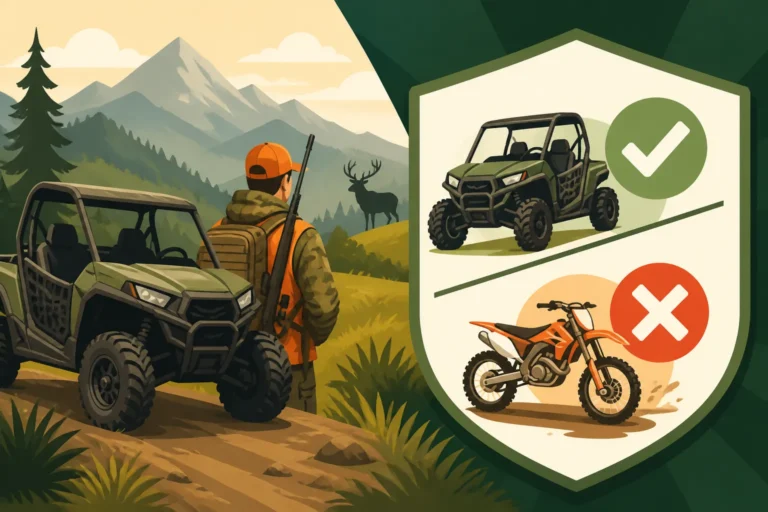
Even on Crown Land, access might be limited. Some areas have designated Public Land Use Zones (PLUZs) with specific rules for vehicle use, while others might have old seismic lines or forestry roads that eventually become impassable. Always check for road closures or access restrictions, especially after wet weather. Don't assume that because it's Crown Land, you can drive anywhere. Respecting signage and gates is not just a courtesy, it's the law.
Dealing with Private Land and Permission
Since Sandhills areas often border agricultural land, you might encounter private parcels. Obtaining permission from landowners is always the best approach, whether you're trying to cross their land to reach Crown Land or want to hunt their property directly. This requires knocking on doors, being polite, and having a clear understanding of your intentions. Always carry a map and be prepared to show them exactly where you want to go. Remember, their answer is final. For more in-depth advice on this, check out Asking a Grazing Leaseholder for Access or Knocking on Doors in Alberta Farm Country.
When seeking permission, be clear about the game you're after and the dates you plan to hunt. Build a good relationship; a good first impression can lead to years of access. Sometimes, even if they don't allow hunting on their deeded land, they might grant access to Crown Land that is otherwise landlocked by their property. It never hurts to ask respectfully.
Navigation and Vehicle Considerations
The sandy terrain of the Sandhills can be incredibly deceiving. What looks like a firm trail on a dry day can become a deep, rutted quagmire after a heavy rain. A reliable 4×4 truck or ATV/side-by-side is often essential, but even then, caution is key. Always be prepared for getting stuck; a shovel, traction mats, and a winching recovery kit are not optional.
When you're out of the vehicle, navigating on foot through the rolling dunes and dense jack pine can be disorienting. A handheld GPS or a mapping app like onX Hunt with downloaded offline maps is an absolute must. Don't rely solely on your phone's cell service, as it can be spotty or nonexistent in these remote areas. Mark your truck, key terrain features, and any game sign you find. The constantly undulating ground can make it easy to lose your bearings, especially when tracking game or trying to find your way back to camp at dusk. Hunting Alberta Winter Weather Safely also reminds us that even relatively short distances in unfamiliar terrain can become dangerous in adverse conditions.
| Game Species | Preferred Sandhills Habitat | Key Hunting Tip |
|---|---|---|
| Whitetail Deer | Dense jack pine, aspen pockets, slough edges | Still-hunt slowly, focus on pinch points and trails |
| Mule Deer | Higher, drier dunes with sparse pine/grassland | Spot and stalk in more open sections, glass ridges |
| Moose | Large, marshy sloughs, willow thickets | Focus on water sources, use calling during rut |
| Elk | Mixed forest edges, larger meadows near pines | Less common, focus on diverse forage areas |
| Sharp-tailed Grouse | Grassland/shrub edges, transitioning to pines | Walk up with a flushing dog, hunt morning/evening |
| Ruffed Grouse | Aspen and willow pockets within pine stands | Hunt bush trails and thickets, look for drumming |
| Waterfowl | Numerous potholes and small lakes | Scout secluded water, use decoys for ducks/geese |
Planning Your Sandhills Hunting Trip
A successful hunt in Alberta's Sandhills isn't just about knowing the game; it's about meticulous planning, adapting to the environment, and being prepared for anything this unique landscape throws at you.
Gear Considerations for Sandy Terrain
Your gear choices can significantly impact your comfort and success in the Sandhills. Footwear, in particular, is critical. You'll be doing a lot of walking, often on soft or uneven ground. Sturdy, waterproof boots with good ankle support are essential. Lightweight gaiters can also be a blessing to keep sand and debris out of your boots, especially if you're crossing dry, loose dunes. When it comes to clothing, layers are always important, but consider durable fabrics that can withstand pushing through dense jack pine branches.
Beyond your personal attire, consider what you'll need for your vehicle and camp. Extra fuel, a robust recovery kit, and good quality navigation tools are non-negotiable. If you're planning on a backcountry spike camp, a reliable tent and sleeping system are paramount. The Sandhills can get surprisingly chilly, even outside of winter, and being wet or cold can quickly ruin a hunt.
Best Times to Hunt the Sandhills
Like many areas in Alberta, the early archery season in September can be fantastic, especially for deer and bears moving through the thick cover. The cooler temperatures are a relief, and the animals are often still in their summer patterns around water and specific food sources. When Alberta's Archery Season Opens is a great time to be out there.
However, the general rifle season, particularly later in October and November, often brings snow, which can be a game-changer. Fresh snow makes tracking much easier in the dense pines, allowing you to follow deer and moose trails that might otherwise be invisible. It also encourages animals to move more during daylight hours. The whitetail rut in early to mid-November can be especially productive, as bucks become more active and less cautious. Hunting the Rut in Early November is prime time. Don't underestimate the potential of late season hunts when snow depths push deer to specific winter ranges or feed sources.
Environmental Awareness and Safety
Hunting in the Sandhills demands a strong sense of environmental responsibility and safety. Wildfires can be a significant concern, especially during dry periods, so always be mindful of fire restrictions and exercise extreme caution with any open flames. The dense cover and remote nature of some Sandhills areas mean that getting lost or injured can be a serious issue. Always let someone know your plans, expected return time, and specific hunting area. Carrying a satellite messenger or personal locator beacon (PLB) is highly recommended, especially if you're venturing far from main roads or hunting alone.
Remember to pack out everything you pack in, and perhaps even a little more. Leave no trace. Preserve the unique beauty of the Sandhills for future generations of hunters and outdoor enthusiasts. It’s a special part of Alberta, and it deserves our utmost respect.
Disclaimer
This article is for general informational purposes only and does not constitute professional advice. Laws, prices and regulations vary by location and change over time. Consult a qualified professional for guidance on your specific situation.