Alberta Outfitters in the Boreal North
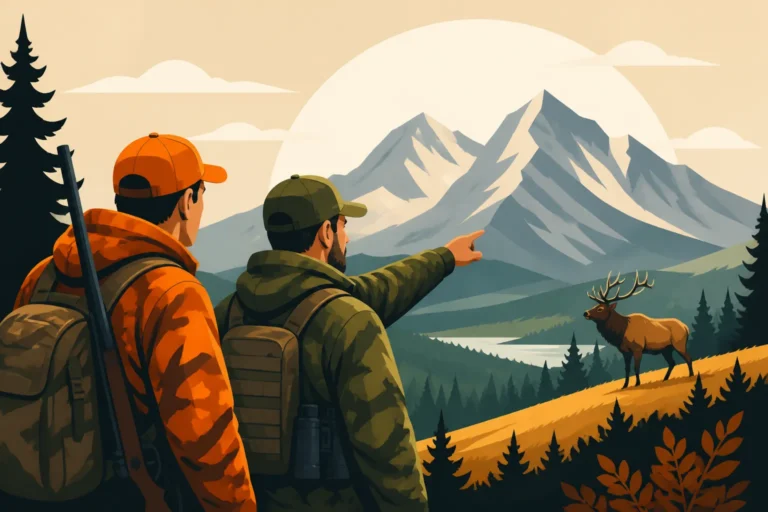
The vast, wild expanse of Alberta's Boreal Forest can be an incredibly intimidating place for a hunter, especially if you’re not intimately familiar with its dense timber, challenging muskeg, and often elusive game. It's easy to feel overwhelmed by the sheer scale and remoteness of it all, wondering how you'll ever navigate such an environment and find success. This guide is here to shed light on how experienced Alberta outfitters operating in this northern frontier can transform a daunting prospect into a truly unforgettable, successful hunting adventure.
Understanding Alberta's Boreal North for Hunting
Hunting in Alberta's Boreal Forest is a world away from hunting open prairie or even the foothills. It demands a different approach, a keen understanding of the ecosystem, and a level of preparation that can be challenging for those unfamiliar with its unique character. This isn't just a bigger woodlot; it's a vast, interconnected wilderness that stretches for hundreds of kilometers.
The Unique Challenges of the Boreal Landscape
Imagine thick stands of black spruce, tamarack, and aspen that seem to swallow sound and sight. Beneath your feet, the ground is often a mosaic of boggy muskeg, beaver ponds, and tangled blowdowns, making every step an effort. Access points can be few and far between, with winding seismic lines and cutlines offering temporary relief before plunging back into the dense bush. Navigating this terrain requires specialized equipment and an innate sense of direction that only comes from years of experience. A wrong turn can quickly lead to being lost, and a misstep can mean a wet boot or worse. The weather, too, plays a significant role, with early snows, freezing rain, and sudden temperature drops being common occurrences, especially deeper into the fall season.
This environment is precisely why many hunters, even seasoned ones, find the Boreal to be a humbling experience on their own. The sheer physical exertion required, coupled with the difficulty of spotting game in such thick cover, can quickly turn an exciting hunt into a frustrating slog. Alberta's Boreal Forest Country is a place that truly tests your mettle.
Key Game Species Targeted in the Boreal
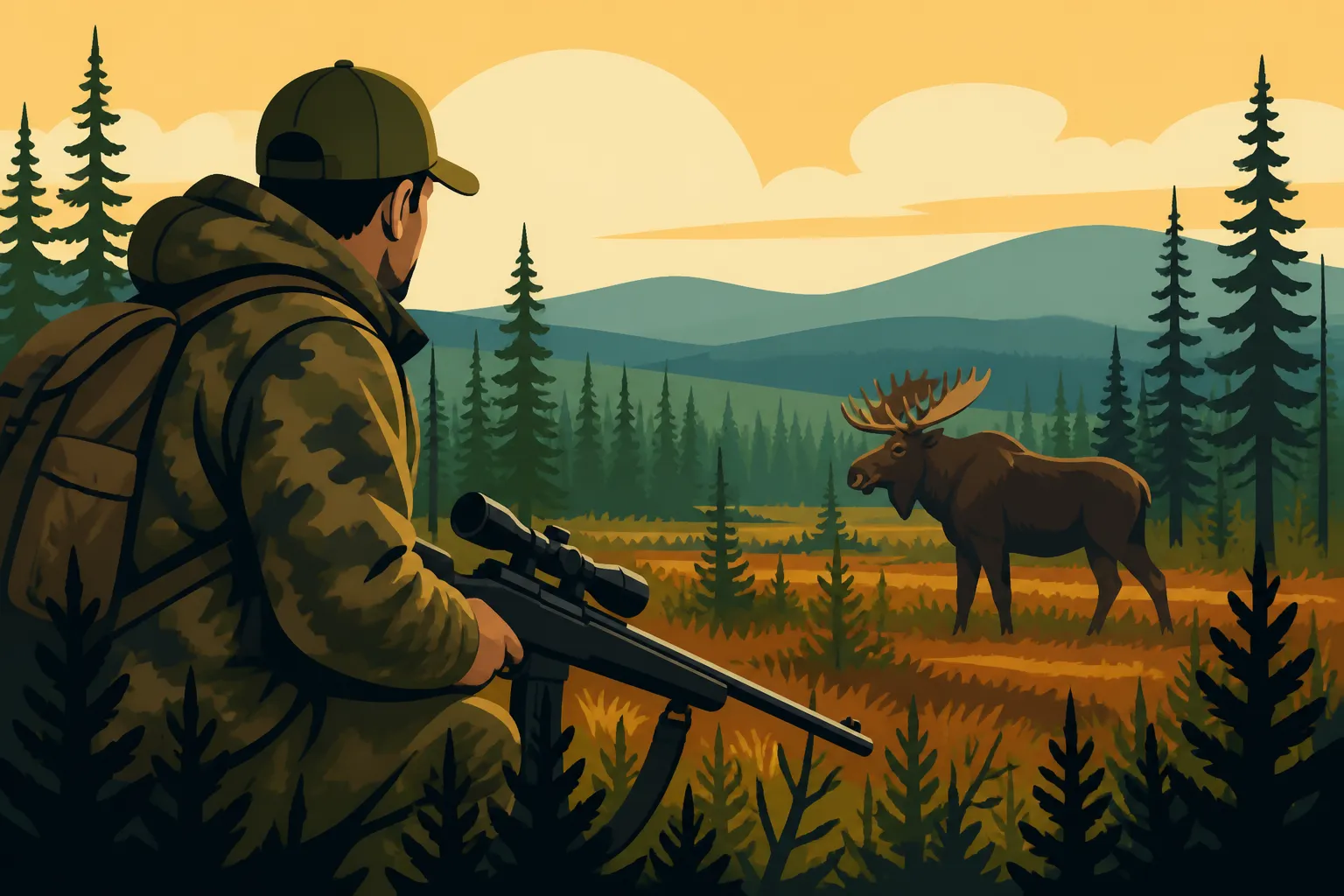
While the Boreal Forest offers a habitat for a variety of wildlife, outfitters in this region primarily focus on a few key big game species that thrive in its specific conditions. Moose are undoubtedly the kings of the Boreal. Their preference for willow thickets, regenerating cutblocks, and the edges of muskeg makes them a prime target here. A big bull moose is a truly magnificent animal, and the Boreal offers some incredible opportunities for them. Moose Hunting Alberta's Boreal Forest is an experience like no other.
Black bears are another major draw. The vast, undisturbed areas of the Boreal provide excellent habitat for bears, and many outfitters specialize in spring or fall bear hunts, often utilizing baiting methods. Black Bear Hunting in Alberta in these northern zones can be incredibly rewarding, with a good chance of encountering color-phase bears. While not as prevalent as in other parts of Alberta, you can also find whitetail deer in the more transitional zones and along the fringes of agricultural land, though they typically aren't the primary focus for deep boreal outfitters.
Why an Outfitter is a Game-Changer Here
For many, attempting to hunt the Boreal without an outfitter can be like trying to navigate a maze blindfolded. Outfitters bring unparalleled expertise to this challenging environment. They spend countless hours scouting, understand the intricate movements of game, and know the safest and most efficient ways to traverse the land. They have the necessary equipment, from heavy-duty quads and Argos to boats for river access, which would be cost-prohibitive for most individual hunters to own or transport.
Beyond logistics, an outfitter provides a crucial layer of safety and confidence. They have emergency plans, communication devices that work where cell service doesn't, and the skills to handle unexpected situations. More importantly, they know where to hunt. They've identified productive areas – whether it's a specific cutline, a series of beaver ponds, or a remote feeding ground – that would take years for a lone hunter to discover. This local knowledge, combined with their ability to set up comfortable camps and handle the heavy lifting of game retrieval, turns a potentially overwhelming trip into a focused, enjoyable, and often successful pursuit.
What to Expect from an Alberta Boreal Outfitter
When you decide to book a hunt with an outfitter in Alberta's Boreal North, you're not just paying for access; you're investing in an entire experience. Understanding the different facets of what an outfitter provides can help you choose the right fit for your expectations and budget. The services and setup can vary wildly, from rustic spike camps to more comfortable lodge-based operations.
Types of Camps and Accommodations
The remoteness of the Boreal often dictates the style of camp. Many outfitters operate out of robust wall tent camps, which are surprisingly comfortable. These typically feature wood-burning stoves for heat, cots or bunks, and a dedicated cooking tent where hearty meals are prepared. They offer a genuine backcountry experience while still providing essential comforts. For truly deep wilderness hunts, some outfitters might utilize spike camps – smaller, more mobile setups that are often packed in daily to get closer to active game signs. These are usually much more minimalist, designed for maximum efficiency in remote locations, focusing on hunting rather than amenities.
On the other hand, some Boreal outfitters, especially those with established bases, might offer lodge-style accommodations. These provide more amenities like private rooms, showers, and permanent structures, offering a "hard roof" experience after a long day in the bush. While less common deep in the Boreal, they do exist, usually on the fringes of more accessible areas. Each camp style offers a different level of immersion and comfort, so it's vital to discuss this with your outfitter to ensure it aligns with your preferences.
Typical Hunt Packages and Inclusions
An Alberta Boreal outfitter's package typically covers a range of services designed to maximize your hunting opportunity and comfort. Generally, you can expect guides, transportation to and from the hunting area (often from a designated meeting point like a local airstrip or town), all meals, and field preparation of your game. For moose hunts, this often includes calling and tracking expertise. For bear hunts, it might include pre-baited sites and stands. What an Alberta Guided Moose Hunt Includes can give you a better idea of what to expect for that specific species.
However, it's crucial to understand what's not included. Your hunting licenses and tags will always be an additional cost. Specific travel to the region (flights, personal vehicle fuel), gratuities for your guides and camp staff, and taxidermy or meat processing services are usually separate. Many outfitters also offer options like trophy fees for certain animals, or extra days at an additional rate. Always ask for a detailed breakdown of costs to avoid any surprises. Remember, good communication with your outfitter about what is and isn't covered is paramount for a smooth trip.
Understanding Guide-to-Hunter Ratios
The guide-to-hunter ratio is a critical factor that directly impacts the intensity and personalized nature of your hunt. The most common ratios you'll encounter are one-on-one and two-on-one. A one-on-one hunt means you have a dedicated guide solely focused on you and your hunting success. This offers the most personalized experience, allowing the guide to tailor the hunt entirely to your physical capabilities, preferences, and the specific opportunities that arise. It often results in more ground covered and quicker reactions to changing conditions.
A two-on-one hunt involves two hunters sharing one guide. This can be a great option for hunting partners or friends who want to share the experience, and it often comes at a slightly lower price point per hunter. While still effective, it naturally means the guide's attention is split between two individuals, and decisions might need to accommodate both hunters. Some outfitters might offer different ratios depending on the species and type of hunt, so ensure you clarify this when booking. For instance, a bear hunt from a stand might lend itself more easily to a two-on-one setup than a physically demanding spot-and-stalk mule deer hunt, which is less common in the deep Boreal. For a deep dive into specific package inclusions, looking at Alberta Bear Hunt Packages might show how ratios differ.
| Hunt Style/Accommodation | Key Characteristics | Typical Game Species | Pros | Cons |
|---|---|---|---|---|
| Lodge-Based Hunt | Permanent structure, amenities (showers, private rooms), often on accessible fringes. | Moose, Bear, sometimes Whitetail | More comfort, less rustic, often closer to amenities. | Can be less immersive, potentially further travel to remote hunting grounds, higher cost. |
| Wall Tent Camp | Canvas tents with wood stoves, cots/bunks, central cooking/dining tent, usually more remote. | Moose, Bear, sometimes Whitetail | Authentic backcountry feel, good balance of comfort & wilderness, closer to hunting action. | Basic amenities, weather-dependent comfort, requires a tougher mindset. |
| Spike Camp | Highly mobile, minimalist setup (small tents, tarps), carried in daily, deep wilderness. | Moose, Bear | Maximum proximity to game, deepest wilderness experience, highest chance of untouched areas. | Very rustic, minimal comfort, physically demanding, limited gear. |
| Baited Bear Stand | Pre-established stands over bait sites, often in secluded forest clearings. | Black Bear | High success rates, less physical exertion, can be combined with other hunts. | Less active hunting (waiting), dependent on bait activity, not for all hunters. |
Navigating the Challenges of Boreal Hunting with a Guide
The Boreal Forest is a formidable landscape, and successfully hunting within it requires more than just a keen eye and a steady hand. It demands intimate knowledge of the terrain, animal behavior, and an unwavering commitment to safety. This is where an experienced outfitter truly shines, transforming potential hazards into manageable elements of an exciting hunt.
Accessing Remote Boreal Hunting Grounds
Getting to where the game lives in the Boreal is often half the battle. Unlike areas with extensive road networks, the deep Boreal often relies on specialized transport. Outfitters frequently utilize All-Terrain Vehicles (ATVs) or Side-by-Sides (UTVs) to navigate old logging roads, seismic lines, and cutlines. These machines are often equipped for tough terrain, capable of pushing through mud, crossing small streams, and carrying essential gear. For even more challenging, swampy conditions, some outfitters employ Argo-style amphibious vehicles, which can traverse muskeg and water bodies where even quads would get stuck.
Beyond terrestrial vehicles, boats are crucial for accessing areas along Alberta's numerous rivers and lakes, opening up entire corridors of untouched wilderness. In the most remote locations, bush planes might be used to fly into secluded lakes or airstrips, dropping hunters and guides deep into areas that are otherwise inaccessible. This diverse fleet of specialized transport is a significant investment for outfitters and provides access that few individual hunters could manage on their own, allowing them to truly get off the beaten path and into prime habitat. Hunting Moose Along Cutlines and Seismic Lines often involves this kind of specialized access.
Expertise in Tracking and Animal Behaviour
A boreal outfitter's most valuable asset is their profound understanding of local game. They spend months, if not years, learning the patterns of moose, bear, and other species within their specific hunting areas. This includes knowing where animals bed, feed, and travel based on seasonal changes, weather, and hunting pressure. Their tracking skills are honed by countless hours in the bush, allowing them to discern fresh sign from old, and to follow faint tracks through challenging cover. This is especially critical in the dense Boreal where visibility is often limited to a few yards.
Furthermore, these guides are masters of animal calling. For moose, they can skillfully replicate cow and bull calls, drawing in curious or territorial animals. Calling Moose in Alberta's Boreal Forest is an art form that takes years to perfect. For bear, they understand baiting strategies and can interpret bear behavior at bait sites. Their ability to read the landscape, predict animal movement, and communicate effectively with game significantly increases your chances of a successful harvest. They become your eyes and ears in a landscape that's designed to keep its secrets.
Safety and Logistics in a Wild Frontier
Hunting the Boreal is not without its inherent risks, and a reputable outfitter prioritizes your safety above all else. They are equipped with advanced communication devices like satellite phones or Garmin InReach systems, which are vital in areas without cell service, ensuring emergency contact is always possible. Guides are typically trained in wilderness first aid and carry essential safety gear, from survival kits to bear spray. They understand local wildlife, including the presence of grizzly bears in some northern zones, and educate clients on how to react to encounters.
Logistically, outfitters handle everything from camp setup and maintenance to ensuring a steady supply of food and water. They have contingency plans for equipment breakdowns, severe weather, or unexpected delays. After a successful harvest, they expertly field dress, quarter, and often pack out your game, a monumental task in the challenging terrain. Meat Care in Alberta's Cold and Warm Swings is something they are intimately familiar with, ensuring your hard-earned trophy is preserved properly. This comprehensive approach to safety and logistics allows you to focus on the hunt itself, knowing that experienced professionals are managing the complexities of the wilderness.
Choosing the Right Boreal Outfitter for Your Adventure
Selecting the right outfitter is arguably the most crucial decision you'll make when planning a Boreal hunting trip. It can mean the difference between the hunt of a lifetime and a frustrating, disappointing experience. With many options available, a little research and due diligence go a long way.
Vetting Outfitters and Asking the Right Questions
Before committing to any outfitter, thorough vetting is essential. Start by checking if they are properly licensed and permitted to operate in Alberta. You can usually find this information through the provincial government's hunting regulations or by directly contacting the provincial wildlife authorities. Then, gather references from past clients. A good outfitter will readily provide contact information for several previous hunters. When speaking with references, ask specific questions about their experience: Was the camp as described? Were the guides knowledgeable and professional? How was the food? Were there any unexpected costs?
Beyond references, don't hesitate to ask the outfitter direct questions: What is their primary focus species? How long have they been operating in that specific WMU? What is their typical success rate (and what does "success" mean to them – shot opportunity or harvested animal)? What is their policy on inclement weather or unforeseen circumstances? Platforms like BookYourHunt or GoHunt can be useful starting points for finding potential outfitters and reading reviews, but always follow up with direct communication and reference checks. Remember, you're building a relationship for a week or more in the wilderness, so clear communication is key. How to Vet an Alberta Outfitter provides a detailed checklist.
Understanding Success Rates and Realistic Expectations
Outfitters often advertise "success rates," which can be a powerful marketing tool. However, it's vital to understand what these numbers truly represent. A "100% success rate" might mean 100% shot opportunity, not necessarily 100% harvested animals. Or, it could reflect very specific conditions or smaller, easier-to-hunt animals. Some outfitters may also be very selective about the clients they take to maintain high numbers.
Approach success rates with a healthy dose of realism. Hunting in the Boreal, especially for large animals like moose or a specific quality of bear, is never a guarantee. Weather can turn, animals can move, and sometimes luck simply isn't on your side. Focus more on the quality of the hunting experience – the effort, knowledge, and dedication of the guides – rather than just the final number. A reputable outfitter will be honest about the challenges and variability of hunting, managing your expectations while still striving for the best possible outcome. Understand that What an Alberta Guided Hunt Costs usually reflects the level of effort and infrastructure, not a guarantee of a trophy.
Booking Considerations: Timing, Deposits, and Cancellations
Once you've chosen an outfitter, understanding the booking process is critical. Boreal hunts, especially for prime dates (like the moose rut or spring bear season), can book up a year or more in advance. Start your planning early. Expect to pay a deposit, often a significant percentage of the total hunt cost, to secure your spot. Make sure you understand the payment schedule for the remaining balance.
Cancellation policies are also extremely important. Life happens, and sometimes plans change. A good outfitter will have a clear, written policy regarding cancellations, refunds, and rescheduling. Ask about their policy if they have to cancel due to unforeseen circumstances (e.g., severe wildfires, unexpected access restrictions, guide illness). Consider purchasing travel insurance that specifically covers hunting trips and potential cancellations, as this can offer peace of mind. Discussing these details upfront will prevent headaches down the road and ensure both parties are clear on the terms of the agreement.
Preparing for Your Boreal Hunt: Gear and Fitness
A successful hunt in Alberta's Boreal North requires more than just a good outfitter and a bit of luck; it demands proper personal preparation. The wilderness here can be unforgiving, and being physically and mentally ready, with the right gear, will make a world of difference to your comfort and success.
Essential Gear for the Boreal Environment
The Boreal demands durable, warm, and waterproof gear. Layering is key, as temperatures can fluctuate wildly, from crisp mornings to surprisingly warm afternoons, and then drop rapidly again. Think good quality base layers, insulating mid-layers (fleece or synthetic down), and a robust waterproof and windproof outer shell. Your outerwear should be quiet to avoid spooking game in the thick bush. Don't forget a warm hat, gloves, and a neck gaiter.
Footwear is paramount. Waterproof, insulated hiking boots with good ankle support are a must, especially given the wet, uneven terrain. Many hunters also bring rubber boots or knee-high pack boots for traversing muskeg and shallow water. Beyond clothing, a reliable headlamp with extra batteries, a personal first-aid kit, and a good pair of binoculars are indispensable. While your guide will have navigation tools, carrying your own compass and a basic understanding of map reading is always wise as a backup. Don't forget a quality backpack for daily essentials and carrying out capes or meat if you're involved in the initial pack-out.
Physical Demands of a Boreal Hunt
While a guided hunt reduces many logistical burdens, a Boreal hunt is still physically demanding. Expect to walk long distances over uneven, often wet and boggy terrain. You might be pushing through dense brush, climbing over fallen trees, and navigating steep banks. Hauling out a heavy pack, especially if you're helping with game retrieval, requires significant stamina and strength. A bull moose can weigh upwards of a thousand pounds, and while your outfitter will have equipment, you'll still be involved in the hard work of getting that animal back to camp.
Prior to your trip, engage in a fitness regimen that includes cardiovascular exercise (walking, jogging, hiking) and strength training, focusing on your legs, core, and back. Practice hiking with a loaded backpack to simulate the exertion of packing out game. The better your physical condition, the more you'll enjoy the hunt, keep up with your guide, and increase your chances of being there when the shot opportunity arises. It also helps with mental resilience when facing challenging conditions.
Trophy Care and Meat Handling in Remote Areas
A successful hunt doesn't end with the shot; proper field care is critical, especially in the Boreal's remote setting. Your outfitter and guide will be experts in field dressing and butchering game to ensure the meat is cooled quickly and efficiently. This is vital to prevent spoilage, particularly during warmer early season hunts. They'll also know how to cape an animal correctly for taxidermy, ensuring your trophy is preserved.
Once the animal is down, the hard work of extraction begins. Depending on the size of the animal and its location, this might involve quartering the animal and packing it out in pieces on backpacks, loading it onto ATVs or Argo, or even using a temporary cache to retrieve it with heavier equipment later. The guides will manage this process, but you will likely be expected to help with lighter loads or assisting in maneuvering meat through tough terrain. Discuss these procedures with your outfitter beforehand so you understand your role and their methods for ensuring your meat and trophy make it home in excellent condition.
Disclaimer
This article is for general informational purposes only and does not constitute professional advice. Laws, prices and regulations vary by location and change over time. Consult a qualified professional for guidance on your specific situation.