One-on-One Versus Two-on-One Guiding
It’s a common dilemma for anyone planning a guided hunt in Alberta: do you spring for the ultimate, personalized one-on-one experience, or does a two-on-one hunt offer enough value and success potential alongside the camaraderie? This choice isn't just about the money; it's about the kind of experience you're after, the species you're pursuing, and your personal hunting style. Understanding the differences is crucial to ensuring your investment in an Alberta hunt pays off in satisfaction, whether you're chasing a record book animal or simply looking to fill the freezer. This guide will walk you through the nuances of one-on-one versus two-on-one guiding, helping you understand what each entails so you can make the best decision for your next Alberta adventure.
The Personalized Focus of One-on-One Guiding
For many hunters, the dream hunt involves total immersion, undivided attention, and a guide whose sole focus is on their success. That's precisely what one-on-one guiding offers, and it's a premium experience for a reason. You're not just buying a tag and access; you're investing in a deeply personalized journey into Alberta's wild landscapes.
What One-on-One Guiding Truly Means
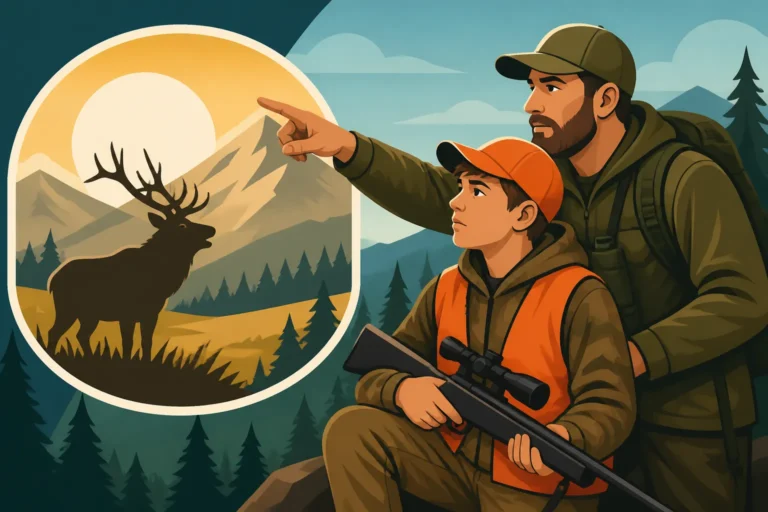
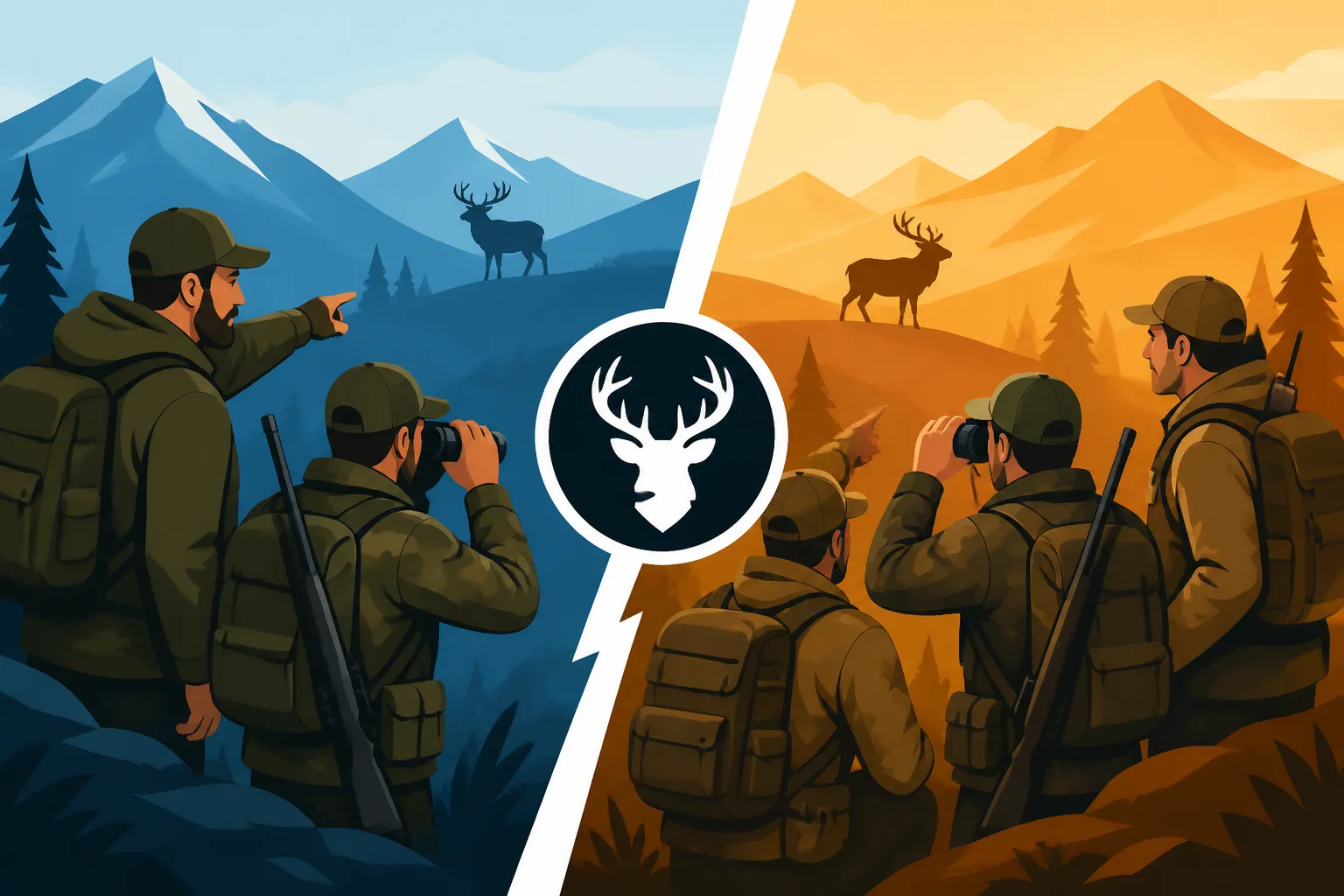
When you book a one-on-one guided hunt, it means you, the hunter, are the only client assigned to a specific guide for the duration of your trip. It's a 1:1 ratio, plain and simple. This isn't just a numerical difference; it translates into a fundamentally different hunting dynamic. Your guide's full attention is on your immediate needs, your comfort, your physical capabilities, and most importantly, your hunting goals.
Imagine you're stalking a trophy mule deer through a vast prairie coulee. With a one-on-one guide, every subtle hand signal, every whispered instruction, every adjustment to your pace or angle is made with only you in mind. There's no need for the guide to glance back at another hunter, ensure they're keeping up, or coordinate two different sets of shooting lanes. If you need to rest, you rest. If you want to spend an extra hour glassing a distant ridge, that's the plan. This level of direct communication and immediate responsiveness can be absolutely critical when dealing with fleeting opportunities or challenging terrain. It's like having a dedicated coach beside you every step of the way, fine-tuning your approach based on real-time observations and your personal performance.
Advantages of a Solo Guiding Experience
The benefits of a one-on-one guiding experience are extensive, especially for those who seek a highly specialized or challenging hunt. Firstly, there's unparalleled flexibility. The entire strategy for the day, from when you leave camp to where you focus your efforts, can be tailored precisely to your preferences and physical condition. If you want to spend the entire day still-hunting through thick timber for a monster whitetail, that's the program. If you discover you're struggling with a particular aspect of the hunt, your guide can immediately adapt to provide focused instruction and support. This adaptive approach maximizes your chances, especially when pursuing elusive game or hunting with unconventional methods like bowhunting.
Secondly, the intensive learning and skill development opportunities are immense. Without the distraction of another hunter, you get constant feedback and can ask endless questions. Your guide becomes an open book of knowledge, sharing insights into animal behavior, tracking techniques, wind awareness, and shot placement that might be less detailed in a group setting. For a newer hunter, this can be an invaluable fast-track to improving their woodsman skills. For a seasoned hunter, it allows for a deeper dive into advanced strategies or local nuances of the species being hunted. Furthermore, there's a certain privacy that comes with a one-on-one hunt. You're free to experience the highs and lows of the hunt without feeling the pressure of another hunter's presence or judgment, fostering a more intimate connection with the wild.
When One-on-One Guiding Shines Brightest
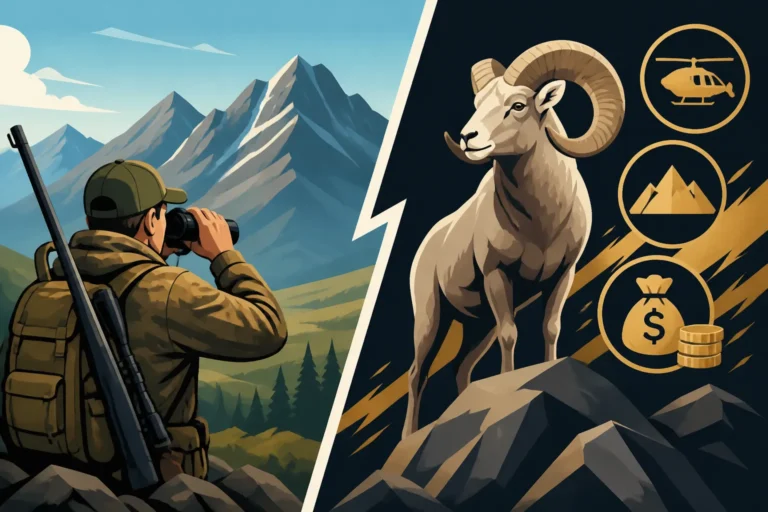
One-on-one guiding truly shines in specific hunting scenarios where precision, focus, and dedicated effort are paramount. This is often the case for species like bighorn sheep or mountain goat, where opportunities are rare and hard-earned, and success hinges on overcoming extreme terrain and limited time. Imagine the arduous climb into sheep country; having a guide focused solely on your safety and stamina can make all the difference. For these demanding hunts, many hunters will consult resources like Booking an Alberta Bighorn Sheep Hunt to ensure they're setting themselves up for success with the right outfitter and guide ratio.
Archery hunts are another prime example where one-on-one guiding offers a distinct advantage. The close-range nature of bowhunting often requires intricate stalking, precise wind management, and critical shot setup – all tasks where having a guide hyper-focused on your every move, without needing to coordinate a second hunter, vastly improves the odds. Similarly, hunters with specific physical limitations or those recovering from injuries can benefit immensely from a guide who can adjust the pace and exertion levels according to their individual needs, rather than having to keep up with another able-bodied hunter. Finally, for high-demand hunts where obtaining a tag is exceptionally difficult, such as certain special license elk or moose draws, maximizing the success potential with a dedicated guide often makes the additional cost a worthwhile investment.
The Camaraderie and Value of Two-on-One Guiding
While one-on-one guiding offers unparalleled personal attention, two-on-one guiding presents a different set of advantages, primarily centered around shared experiences, camaraderie, and often, a more accessible price point. This option is popular for a reason, allowing many hunters to experience Alberta's incredible opportunities without the higher investment of a solo guided trip.
Understanding the Two-on-One Dynamic
A two-on-one guided hunt involves one guide taking out two hunters simultaneously. This dynamic means the guide's attention, while still professional and dedicated, must be divided between two clients. This isn't necessarily a disadvantage, but it does mean that communication and coordination become slightly more complex. In practice, the guide will be managing two sets of expectations, two levels of physical fitness, and two potential shooting opportunities at any given moment.
For instance, if two whitetails step out simultaneously, the guide needs to quickly assess which hunter has the better shot, communicate effectively with both, and potentially assist with a range or shot placement recommendation for one, while the other is also preparing. This requires excellent communication from both the guide and the hunters. While the guide is ultimately the leader, successful two-on-one hunts often benefit from hunters who are patient, understanding, and willing to work as a team. You're not just sharing the cost; you're sharing the guide's time and expertise. Many outfitters excel at managing this dynamic, ensuring both hunters feel engaged and have ample opportunities throughout the hunt.
Benefits of Hunting with a Partner
The most obvious and often primary benefit of a two-on-one hunt is the significant cost-effectiveness. Splitting the guide fee with another hunter makes the overall guided experience much more accessible. When looking at What an Alberta Guided Hunt Costs, you'll quickly see that the per-person price for a two-on-one hunt is noticeably lower than a one-on-one, opening up possibilities for hunters who might otherwise find a guided trip out of reach. This isn't just about saving money, though; it's about the shared experience.
Hunting with a partner, whether a long-time friend, a family member, or even a new acquaintance, adds a layer of camaraderie that's hard to replicate on a solo hunt. The shared anticipation, the whispers of excitement when game is spotted, the celebration of a successful harvest, and even the commiseration during slow days all create lasting memories. Two sets of eyes are often better than one when it comes to spotting game, especially in dense cover or across vast landscapes. One hunter might spot movement while the other is focused on a different area, increasing the chances of locating animals. Moreover, having a partner can provide emotional support and encouragement, especially on physically demanding days or when frustration sets in. It’s a collective journey, and for many, that shared bond is an integral part of the hunting experience.
Scenarios Where Two-on-One Excels
Two-on-one guiding truly excels in scenarios where game populations are robust, hunting methods allow for multiple opportunities, or the primary goal is a quality experience at a more affordable price. General season hunts for species like whitetail deer or black bear are excellent candidates for a two-on-one setup. In areas with healthy populations, opportunities can present themselves frequently, allowing both hunters ample chances over the course of the trip. For example, during Rifle Hunting Alberta's General Seasons, a guide might spot a group of whitetails, and with proper positioning and communication, both hunters could have a shot opportunity.
This guiding ratio is particularly well-suited for hunters who know each other well – a father-son duo, two siblings, or a pair of hunting buddies. When you already understand each other's communication styles and hunting preferences, the shared dynamic becomes much smoother and more enjoyable. These hunts are often less physically demanding than, say, a mountain sheep hunt, focusing more on sitting in blinds, spotting from vehicles, or shorter stalks, which further minimizes potential conflicts or frustrations arising from differing fitness levels. When the budget is a primary concern, and the species being pursued is relatively abundant, a two-on-one guided hunt offers fantastic value. It allows hunters to experience the benefits of a professional guide – expertise, access, logistics – without the premium price tag.
Key Considerations for Your Guiding Ratio Choice
Choosing between one-on-one and two-on-one guiding isn't a simple right-or-wrong decision; it's about matching the experience to your individual needs, expectations, and resources. There are several crucial factors that deserve careful thought before you commit to an outfitter.
Budget and Cost Implications
Let's be realistic: money talks. The most significant difference between one-on-one and two-on-one guiding often lies in the price. A one-on-one experience will invariably be more expensive on a per-hunter basis, sometimes significantly so. This higher price covers the outfitter's cost of dedicating a guide exclusively to you, meaning they can't have that guide working with another paying client. It's an investment in exclusivity and undivided attention. When you start researching, you'll see the difference in What an Alberta Guided Hunt Costs.
However, it's vital to look beyond the initial sticker price. Understand exactly What a Guide Fee Actually Covers. Does it include meals, lodging, transportation from the nearest airport, trophy care, and initial meat processing? Or are these additional costs you'll need to factor into your budget? Sometimes, a higher-priced one-on-one package might actually include more amenities, narrowing the perceived gap. Conversely, a lower-cost two-on-one hunt might have more hidden expenses. Don't forget about tips; while the percentage might be similar, the overall amount for a one-on-one guide might be higher simply because the base cost is higher. While saving money is always appealing, remember that a significantly lower price often means some compromises in terms of flexibility, personal attention, or the pace of the hunt.
Your Hunting Style and Species Preference
Your personal hunting style and the species you're targeting should heavily influence your choice of guiding ratio. Are you a meticulous spot-and-stalk hunter who thrives on long glassing sessions and patient approaches? If so, a one-on-one guide can perfectly match your pace and focus, allowing you to execute your strategy without rushing or accommodating another hunter's preferences. This might be ideal for Spot-and-Stalk Mule Deer in Alberta or backcountry elk hunts where every move counts. If you prefer to sit in a heated blind over a bait site for black bears, or in a treestand overlooking a food plot for whitetails, the focused attention of a one-on-one guide might be less critical, making a two-on-one a perfectly viable and enjoyable option.
Consider the nature of the species itself. Hunting highly elusive animals, or those in extremely challenging terrain like the mountains, often benefits from the intense focus of a one-on-one guide. Their ability to react instantaneously, to adjust a stalk based on sudden wind shifts, or to make a critical call without hesitation can be the difference between success and failure. For more abundant species, especially those hunted in open country or from fixed positions, the shared attention of a two-on-one guide is usually more than adequate. Researching species-specific techniques, such as those covered in Booking an Alberta Mule Deer Hunt, can give you a better idea of how much individual attention might truly benefit your hunt.
Hunter Experience and Expectations
Your level of hunting experience and what you realistically expect from the hunt are also critical determinants. For a first-time hunter, or someone new to a specific type of hunting (e.g., their first big game hunt, or first mountain hunt), a one-on-one guide can provide invaluable, concentrated instruction and mentorship. They can dedicate time to explaining nuances, correcting techniques, and ensuring safety without diverting attention to another client. This hands-on, intensive coaching can accelerate the learning curve and build confidence significantly.
A seasoned hunter, on the other hand, might be perfectly comfortable with a two-on-one arrangement, perhaps wanting to bring a buddy along or valuing the cost savings more than the minute-by-minute guidance. They might be self-sufficient enough that the guide's role is more about locating game and handling logistics rather than constant instruction. It’s also important to align your trophy expectations with the guide ratio. If you're solely focused on harvesting a specific, record-book class animal, a one-on-one hunt often provides the best chance due to the flexibility and dedicated effort. If your goal is primarily to enjoy the experience, fill a tag, or simply harvest any mature animal, a two-on-one can certainly deliver. Understanding realistic Success Rates on Alberta Whitetail Hunts and what factors influence them can help manage expectations, regardless of your chosen guiding ratio.
Group Dynamics and Personalities
Finally, the human element cannot be overlooked. If you choose a two-on-one hunt, you’ll be sharing your guide and potentially a significant amount of your time with another hunter. If you’re booking with a friend or family member, this is less of a concern as you already know each other’s personalities and hunting styles. However, if the outfitter pairs you with a stranger, you need to be prepared for the unknown. Will their pace match yours? Do your personalities mesh? Are your hunting ethics and expectations aligned?
It’s completely valid to be apprehensive about spending a week in close quarters with a stranger, especially in a high-stakes environment like a guided hunt. This is why asking the outfitter specific Questions to Ask Before Booking is crucial. Inquire about their pairing process: do they try to match hunters by experience or personality? Can you request a private tent if available? Platforms like BookYourHunt or GoHunt might offer features where you can read reviews or get a sense of an outfitter's typical clientele, but direct communication is always best. Understanding that a successful two-on-one hunt often requires compromise and good communication from all parties involved is key. If you are someone who prefers solitude, or you have a very specific vision for your hunt that you're unwilling to adapt, the premium for a one-on-one experience might be a worthy investment to avoid potential frustrations.
Comparing One-on-One vs. Two-on-One Guiding
To help you visualize the core differences, here's a direct comparison of the typical experiences you can expect from each guiding ratio.
| Feature | One-on-One Guiding | Two-on-One Guiding |
|---|---|---|
| Hunter-to-Guide Ratio | 1:1 | 2:1 |
| Cost (Generally) | Significantly higher per hunter | More affordable per hunter |
| Personal Attention | Maximum; guide dedicated solely to your needs and goals | Shared; guide balances two hunters' needs and positions |
| Flexibility | High; strategy, pace, and decisions are tailored to you | Moderate; requires coordination with another hunter and guide |
| Learning Curve | Steepest; direct, constant instruction and feedback | Moderate; opportunities to observe and learn from partner and guide |
| Success Potential | Often perceived as higher for specific, challenging goals, or for hunters with specific needs | Good, especially for common species or less demanding hunts; relies on effective teamwork |
| Camaraderie | Primarily with the guide; can be a very intense, personal experience | With guide and hunting partner; fosters shared memories and mutual support |
| Ideal For | Archery hunts, mountain hunts (sheep, goat), specific trophy goals, first-time hunters seeking intensive coaching, hunters with special needs or limited mobility | Friends/family hunting together, budget-conscious hunters, general season hunts (e.g., whitetail, bear), hunts for abundant species where opportunities are frequent |
Maximizing Your Guided Hunt Experience
No matter which guiding ratio you choose, doing your homework and communicating openly with your outfitter is paramount. Think of it as a partnership; a good outfitter wants you to have a successful and enjoyable trip as much as you do. Don't be shy about asking questions when you're choosing the right Alberta outfitter.
Doing Your Homework Before You Book
The internet is a powerful tool for research, but it's important to use it wisely. Start by researching outfitters that specialize in the species you want to hunt and in the region of Alberta you're interested in. Look for outfitters that clearly state their guiding ratios and pricing structures. Many platforms, including BookYourHunt, allow you to filter or inquire about guide-to-hunter ratios directly, helping you narrow down your choices. Pay close attention to references and reviews, but also understand that reviews can be subjective.
Beyond online research, don't underestimate the power of a phone call. Have a list of specific questions ready for the outfitter. This isn't just about their operation, but also about the potential guide's experience and philosophy. Discuss your expectations openly: what kind of trophy are you hoping for? What are your physical limitations, if any? What is your preferred hunting style? The more information you share, the better they can advise you on the most suitable guiding ratio and hunt package. Remember to ask about everything from what equipment to bring to camp (referencing What to Bring to a Hunting Camp) to what permits and licences you'll need, like Alberta Hunting Licences and What They Cost.
Open Communication with Your Outfitter and Guide
Once you've booked your hunt, maintain open lines of communication with your outfitter and, once you arrive, with your assigned guide. If you've booked a two-on-one hunt and are being paired with a stranger, ask the outfitter if they can facilitate a brief introduction or conversation beforehand. This can help break the ice and ensure you both have a clearer understanding of each other's expectations before you even hit the field.
During the hunt itself, honesty is always the best policy. If you're feeling tired, say so. If you're unsure about a shot, ask for clarification. If you have a strong preference for how a certain situation should be handled, voice it respectfully. A good guide will appreciate your candor. While guides are professionals, they aren't mind readers. Clear and consistent communication from you, the hunter, ensures that everyone is on the same page, whether you're stalking a big bull moose or calling coyotes in Alberta farm country. This collaboration is what transforms a good hunt into a truly great one, no matter if you're alone with your guide or sharing the adventure with a partner.
Ultimately, the choice between one-on-one and two-on-one guiding boils down to your personal priorities for the hunt. It's not about one being inherently "better" than the other, but rather which experience aligns best with your budget, your goals, and the kind of adventure you envision. By carefully considering these factors, you can ensure your guided Alberta hunt is everything you've dreamed of and more.
Disclaimer
This article is for general informational purposes only and does not constitute professional advice. Laws, prices and regulations vary by location and change over time. Consult a qualified professional for guidance on your specific situation.