What to Bring to a Hunting Camp
There's nothing quite like the excitement of packing for an Alberta hunting camp, but let's be honest, it can also be a source of real anxiety. You're trying to anticipate everything from bone-chilling cold to unexpected rain, all while making sure you haven't forgotten that one crucial item that could make or break your trip. This guide is here to cut through the stress and give you a comprehensive breakdown of exactly what you should consider bringing to ensure your Alberta hunting adventure is comfortable, safe, and successful, whether you're heading to a remote wall tent or a cozy lodge.
The Essentials: Your Core Gear for an Alberta Hunt
When you're heading into Alberta's diverse landscapes, from the open prairies to the dense boreal forest, having the right core gear isn't just about comfort; it's about safety and effectiveness. This is the foundation of your packing list, the items that are non-negotiable for any serious hunting trip in our province.
Clothing for Alberta's Variable Weather
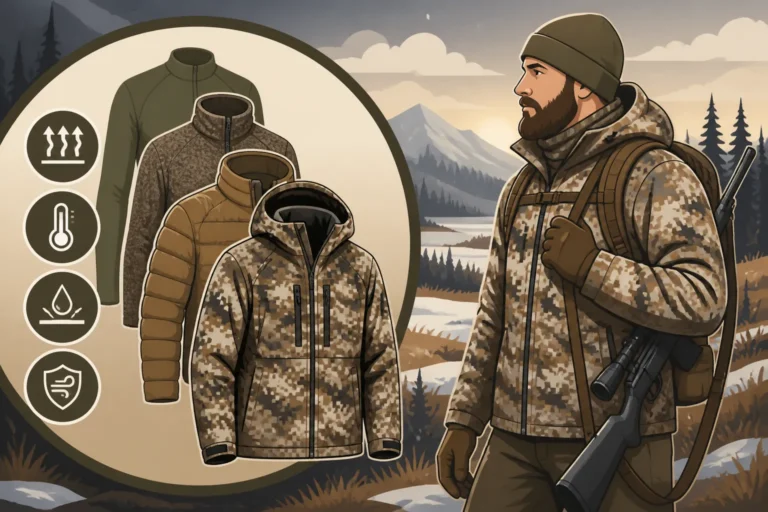
Alberta weather is famous for its unpredictability. You can start the day with frost on the ground and be sweating by noon, only for a cold front to blow in and drop temperatures dramatically by evening. This isn't just a minor inconvenience; it's a critical factor in how you dress. The key here is layering, and not just any layers, but smart ones. Start with a good base layer that wicks moisture away from your skin, even when you're exerting yourself hiking up a ridge or quartering an animal. Synthetic materials or merino wool are fantastic choices because they maintain insulation even when damp, unlike cotton which can become a cold, heavy burden.
Next, you need insulating mid-layers – think fleece jackets, puff vests, or heavier wool. These are your warmth providers, and having multiple thinner layers is always better than one thick, bulky layer. It allows you to adjust precisely to changing temperatures throughout the day. Finally, a robust outer layer is paramount. This should be windproof and waterproof, capable of shedding rain, sleet, or wet snow. A good quality hunting jacket and pants will protect you from the elements while also providing camouflage if that's part of your strategy. Remember to pack enough clothing to account for getting wet or muddy, especially on longer trips. You'll thank yourself for that extra dry pair of socks or an unsoiled base layer when you're back in camp after a long day in the field.
Footwear is another critical component. Your boots need to be comfortable enough for miles of walking, waterproof to handle marshy areas or stream crossings, and insulated appropriately for the season. If you're hunting in late fall, a heavily insulated boot designed for deep cold is essential. For earlier seasons, something lighter but still supportive and waterproof might be more suitable. Always break in new boots well before your hunt to avoid painful blisters that can ruin a trip. And never underestimate the power of good socks – wool blends designed for hiking will make a huge difference.
Hunting Equipment Specifics
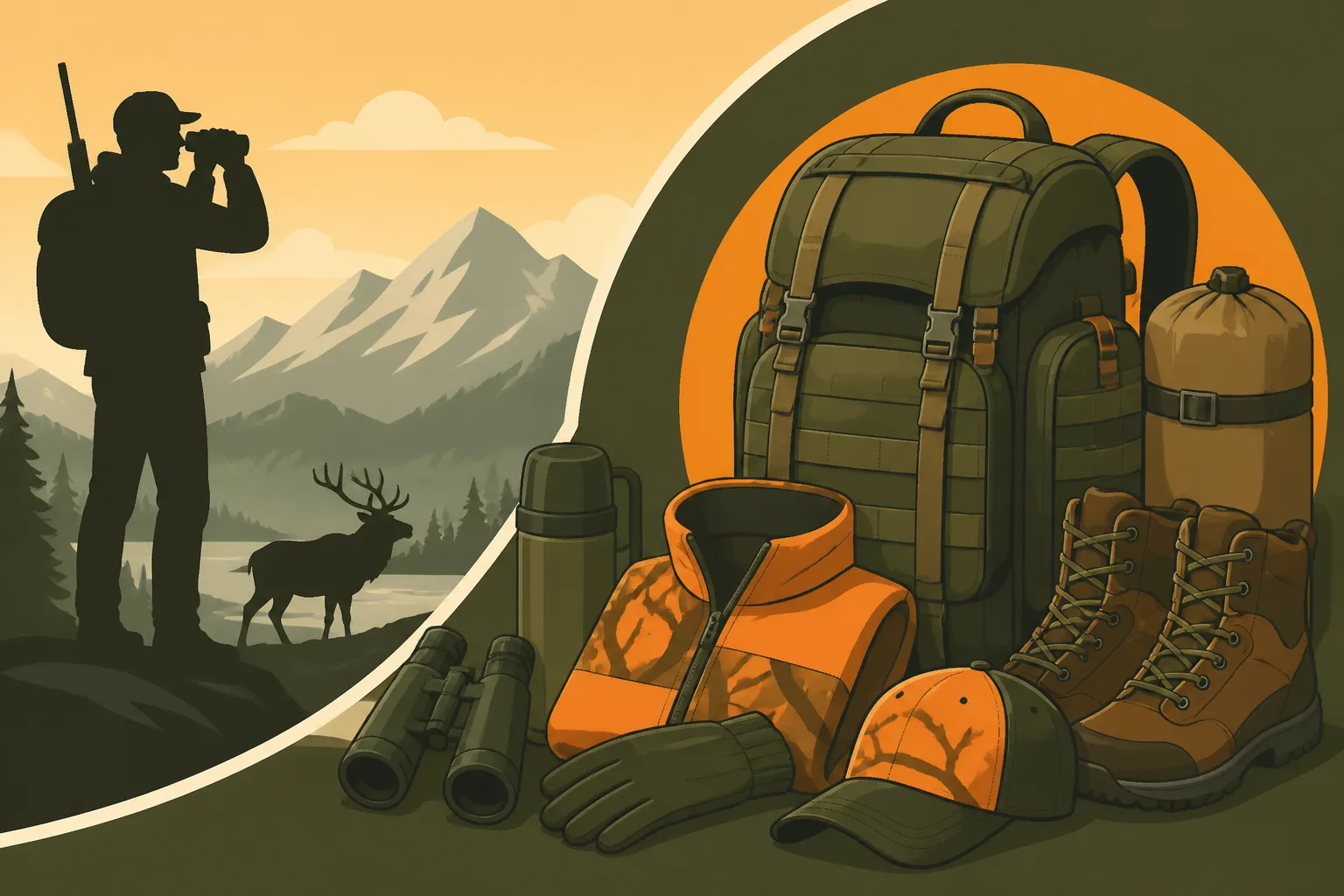
This category covers the tools of the trade. First and foremost is your weapon. Whether you're bringing a rifle, bow, or muzzleloader, ensure it's in perfect working order, sighted in, and that you have ample ammunition or arrows. For non-residents, remember the importance of correctly filling out The Non-Resident Firearm Declaration Form before crossing the border. Beyond the primary weapon, quality optics are indispensable. A good pair of binoculars, ranging from 8x to 12x magnification, will save your legs and help you spot game from a distance, especially in open country or dense timber. A rangefinder is crucial for ethical shot placement, particularly with modern archery gear or longer-range rifle setups. If you're hunting vast open areas, a spotting scope can also be a huge asset for identifying and evaluating animals without having to stalk closer.
Don't forget the tools for after the shot. A sharp, reliable hunting knife (or two) is a must for field dressing. Consider bringing a small sharpening stone or portable sharpener to keep your edge keen. Game bags are absolutely essential for protecting your meat from dirt, flies, and debris once an animal is on the ground. For those who use them, calls and scent control products should also be on your list. From a grunt tube for whitetails to an elk bugle or a moose call, these can be effective tools in specific scenarios. Make sure to practice with any calls well before your hunt so you're confident in their use. This gear isn't just a collection of items; it's an extension of your skill and preparation.
Navigation and Safety
Heading into Alberta's wild country demands a robust approach to navigation and safety. Even if you're hunting with an experienced outfitter who knows the area like the back of their hand, having your own navigation tools is a smart move. A GPS unit or a reliable hunting app on your phone (with downloaded offline maps) is crucial. Pair this with a physical map of your Wildlife Management Unit (WMU) and a compass – and critically, know how to use them together, even if your battery dies. Familiarize yourself with the terrain and potential escape routes before you even step foot in the bush. Many hunters use apps like GoHunt to scout and mark waypoints before their trip, which can save a lot of time and potential disorientation in the field.
Your personal safety kit should include a well-stocked first-aid kit, capable of handling minor injuries as well as more serious trauma until professional help arrives. Think about items like bandages, antiseptic wipes, pain relievers, and any personal medications. A headlamp or flashlight with extra batteries is non-negotiable for navigating in the dark or working on an animal after sundown. Fire-starting materials, like waterproof matches, a lighter, or a ferro rod, are essential for warmth and signaling in an emergency. Bear spray is a must-have when hunting in areas with bears, and remember to carry it in an accessible holster, not buried in your pack. A satellite messenger or personal locator beacon (PLB) can be a literal lifesaver in remote areas where cell service is non-existent, allowing you to communicate with loved ones or summon emergency services. Consider checking out services that cater to backcountry communication, some of which are integrated into platforms like BookYourHunt when dealing with remote guiding services.
Camp Life and Personal Comfort
A successful hunt isn't just about bagging an animal; it's also about being able to recover, stay rested, and maintain your morale in camp. These items contribute significantly to your overall well-being and readiness for the next day's adventure.
Sleeping and Shelter Considerations
After a long day of hiking, glassing, and perhaps tracking, a good night's sleep is paramount. Your sleeping system is key to this. For Alberta's often chilly nights, especially during fall hunting seasons, a sleeping bag rated for temperatures lower than you expect to encounter is a wise investment. Even if the forecast calls for mild weather, a sudden cold snap can drop temperatures significantly. Many hunters find that a bag rated for -10°C (14°F) or even -20°C (-4°F) is not overkill for late season hunts, especially in a tent or wall tent. For those exploring Backpacking Into Alberta Sheep Country or other remote areas, a compact and lightweight bag is essential.
Equally important is a good sleeping pad. This isn't just about cushioning; it's about insulation from the cold ground, which can leech warmth from your body surprisingly quickly. An insulated air pad or a closed-cell foam pad will make a world of difference. Don't forget a small, compressible pillow or at least a stuff sack you can fill with clothes for a makeshift pillow. If you're not staying in a lodge or outfitters' camp that provides shelter, you'll need to bring your own tent. Consider a robust, four-season tent that can withstand wind and snow, appropriate for the conditions you anticipate in your chosen Hunting Alberta's Foothills Country or other area.
Food, Water, and Cooking
Proper nutrition and hydration fuel your body for the rigors of hunting. For self-guided hunts, planning your food is critical. Focus on non-perishable, calorie-dense foods that are easy to prepare. Dehydrated meals are lightweight and convenient, but also pack plenty of snacks like energy bars, nuts, dried fruit, and jerky for quick boosts throughout the day. Consider coffee or tea for those chilly morning starts. If an outfitter is providing meals, you might still want to bring some personal snacks, especially for packing into your daypack.
Water is even more important than food. You need a reliable way to purify or filter water from natural sources, or enough bottled water if sources are scarce or contaminated. A good water filter or purification tablets are essential, as is a sturdy water bottle or hydration bladder. For longer trips, consider a larger water storage solution for camp use. If you're doing your own cooking, a compact and efficient camp stove, fuel, pots, pans, and basic utensils are necessary. Don't forget dish soap and a sponge for cleanup. Always remember the importance of maintaining hygiene around food to prevent illness in the backcountry.
Personal Hygiene and Health
Even in a rustic camp, maintaining some level of personal hygiene can do wonders for your comfort and morale. Pack a small kit with essential toiletries: a toothbrush, toothpaste, biodegradable soap, and a small, quick-dry towel. Wet wipes can be a lifesaver for quick cleanups when a full wash isn't possible.
Beyond basic hygiene, your health needs careful consideration. If you take any prescription medications, ensure you have enough for the entire trip, plus a few extra days in case of delays. Pack them in a waterproof container and keep them accessible. Sun protection – sunscreen, lip balm with SPF, and a wide-brimmed hat – is vital, even on cloudy days, as UV rays can be intense at higher elevations or on open prairie. Insect repellent is a must, especially during early season hunts when mosquitoes and black flies can be relentless. Consider bug nets for your face if you anticipate particularly bad conditions. Small comforts like hand warmers for cold mornings, moleskin for blisters, or even a good book for downtime can make a big difference in camp.
Important Documents and Miscellaneous Items
Beyond the obvious gear, there are crucial administrative and practical items that can easily be overlooked but are absolutely essential for a smooth and legal hunt in Alberta.
Licensing and Identification
This is the non-negotiable category. Before you even set foot in the field, you need to ensure all your paperwork is in order. For residents, this means your valid Alberta Hunting Licences and What They Cost, your Alberta's WIN Card and Wildlife Certificate, and any specific draw tags you've acquired. Double-check all dates and WMU designations on your licenses to ensure they match your hunting plans. For non-residents, the requirements are even more stringent, often including specific outfitter permits or hunter host declarations, in addition to your provincial or state hunting license and international permits if applicable.
Always carry photo identification with you, such as a driver's license or passport. It's a good idea to make photocopies or take pictures of all your important documents and store them separately from the originals, both physically and digitally. This provides a backup in case anything is lost or stolen. Some hunters even carry a small, waterproof pouch specifically for these documents, keeping them secure and dry at all times. Being caught without proper licensing can lead to serious legal consequences, so take the time to organize this well in advance of your trip.
Tools and Repair Kits
The backcountry is not the place to be caught unprepared for minor gear failures or unexpected situations. A good multi-tool or a small set of basic tools can solve a multitude of problems, from tightening a loose scope mount to field-repairing a piece of equipment. Headlamps with extra batteries are absolutely crucial – one for your head and a spare in your pack is always a smart idea. Consider investing in rechargeable ones, but ensure you have a way to charge them in camp, whether it's via a portable power bank or a vehicle charger.
A small repair kit tailored to your gear can be invaluable. This might include duct tape (always useful!), zip ties, safety pins, a sewing kit for clothing repairs, and specific repair patches for tents or sleeping pads. If you're driving into remote areas, consider a vehicle recovery kit including a shovel, tow strap, and jumper cables. Hunting often involves unexpected challenges, and being able to fix things on the fly can save your hunt from an early end. Sometimes, it's the small, overlooked items that prove to be the most critical when something goes wrong.
Post-Harvest Essentials
The hunt doesn't end when you pull the trigger or release an arrow. The ethical responsibility of caring for your harvest begins immediately. Ensure you have high-quality game bags – and enough of them – to protect all your meat. They should be breathable to allow the meat to cool while keeping insects and debris away. Lightweight but durable synthetic bags are often preferred over cheesecloth. You'll also need string or zip ties to secure the tags to the animal as required by regulation. Remember to consult Meat Care in Alberta's Cold and Warm Swings for detailed advice on handling game in varying temperatures.
If you're not planning on processing your animal in the field, consider how you will transport the meat out. This might mean durable coolers, plenty of ice (if temperatures are warm), or even arrangements with a local butcher for cold storage and processing. For larger animals, having a bone saw can significantly aid in quartering for easier packing out. Proof of sex and species must remain naturally attached to the meat until it's delivered to your permanent residence or a meat processor, so plan for that when butchering. If you're aiming for a trophy, protect the cape and antlers during transport. A large plastic tarp can be useful for keeping your vehicle clean during the transport of quarters.
Tailoring Your List to the Hunt Type
Not all Alberta hunts are created equal, and your packing list needs to reflect the specifics of your adventure. What you bring for a guided mountain sheep hunt will be vastly different from a self-guided whitetail hunt on farmland.
Guided vs. Self-Guided Considerations
The biggest variable in your packing list will often be whether you're embarking on a fully guided hunt or a self-guided adventure. If you've booked with an outfitter, they will typically provide many of the camp essentials. It's absolutely crucial to have a detailed conversation with your outfitter well in advance about what an Alberta guided hunt includes and, more specifically, What Outfitters Provide in Camp. They might supply tents, cots, cooking gear, and even some food, significantly reducing your burden. Your focus would then shift more heavily to your personal hunting gear, clothing, and individual comfort items. You might still want to bring specific snacks, beverages, or personal hygiene products.
However, if you're going self-guided, especially into public land, you are responsible for everything. This means packing your own shelter, sleeping system, all food and cooking supplies, extensive first-aid, water purification, and all the tools for field dressing and packing out an animal. The weight and bulk of your pack become critical considerations. This is where meticulous planning and careful selection of lightweight, multi-purpose gear truly pays off. Many experienced DIY hunters use resources like GoHunt to scout public land areas and determine logistical needs, knowing they'll be carrying every ounce of their success or failure on their backs.
Mountain vs. Foothills vs. Prairie Hunts
Alberta's diverse topography means vastly different hunting conditions, and your gear should match the terrain. For a mountain hunt, perhaps pursuing Backpacking Into Alberta Sheep Country or goats, ultralight gear is paramount. You'll be covering vast distances on foot, often at high elevations, so every ounce matters. Think specialized mountaineering boots, a sturdy backpack designed for heavy loads, and clothing optimized for extreme temperature swings and harsh winds. Trekking poles are almost a necessity for stability and reducing strain on your joints.
In contrast, a hunt in Alberta's foothills, as described in Hunting Alberta's Foothills Country, might involve more ATV access or horse packing into a base camp, allowing for slightly heavier gear. You'll still encounter significant elevation changes and rugged terrain, so durable, waterproof boots are essential, along with layered clothing to manage varied forest and open-ridge environments. On the open prairie, visibility is often excellent, meaning quality optics become even more critical for spotting game from a distance. A sturdy tripod for your spotting scope or binoculars can be a game-changer. Footwear might lean towards lighter, comfortable hiking boots rather than heavy mountaineering boots, but they still need to be tough enough to handle uneven ground, cactus, and long walks across stubble fields. The key is to research the specific WMU and terrain you'll be hunting and adjust your gear accordingly.
Early Season vs. Late Season Adjustments
The time of year you hunt in Alberta profoundly impacts your clothing and gear choices. Early archery seasons, typically in September, can still bring warm days, even hot ones, alongside cool nights. Think lightweight, breathable camouflage, insect repellent, and plenty of water. Layers are still important, but your heavy insulation will likely stay in the truck. You might focus more on scent control in warmer temperatures.
As you move into October and especially November, when the whitetail rut kicks in, temperatures drop significantly. This is when Hunting Deep Cold Late in the Season becomes a reality. Your packing list needs to prioritize serious insulation. Multiple heavy base layers, fleece, down or synthetic puff jackets, and highly insulated, waterproof outer shells are essential. Heavy-duty, insulated boots, thick wool socks, warm gloves or mitts, and a balaclava or warm hat become non-negotiable. For anyone planning a late-season outing, reading up on Hunting Alberta Winter Weather Safely is a must. If you're doing a stand hunt, pack warmers for your boots and pockets. The difference between a comfortable, focused hunter and a miserable, shivering one often comes down to anticipating the extreme cold and packing appropriately. Always err on the side of bringing too much warmth rather than too little when hunting Alberta in the late season.
| Category | Early Season (Sept) | Mid-Season (Oct) | Late Season (Nov-Dec) |
|---|---|---|---|
| Base Layers | Lightweight, moisture-wicking synthetic/merino | Medium-weight, moisture-wicking synthetic/merino | Heavyweight, maximum warmth synthetic/merino |
| Mid-Layers | Light fleece or vest | Medium fleece, wool sweater, light puff jacket | Heavy fleece, down/synthetic puff jacket, wool sweater |
| Outerwear | Waterproof/windproof shell (uninsulated) | Insulated waterproof/windproof jacket & pants | Heavily insulated waterproof/windproof parka & pants |
| Headwear | Ball cap, light beanie, bug net | Warm beanie, cap, neck gaiter | Insulated beanie, balaclava, neck gaiter |
| Gloves | Light shooting gloves | Medium-weight shooting gloves, liner gloves | Insulated mitts or heavy gloves with liner |
| Footwear | Waterproof hiking boots (light/medium insulation) | Insulated waterproof hunting boots (medium insulation) | Heavily insulated waterproof hunting boots |
| Other Essentials | Insect repellent, sun screen, hydration pack | Hand warmers, extra socks, heavier pack | Hand/foot warmers, emergency shelter, shovel |
Disclaimer
This article is for general informational purposes only and does not constitute professional advice. Laws, prices and regulations vary by location and change over time. Consult a qualified professional for guidance on your specific situation.