Lodging Before and After a Hunt
Oh, the often-overlooked details of a hunting trip! We spend countless hours scouting, practicing, and pouring over regulations, only to sometimes forget about the crucial comfort and convenience before and after the actual hunt. That travel day, whether it's a long drive or a flight across the country, can be exhausting, and having a solid plan for lodging before and after your hunt isn't just a nicety; it's essential for both safety and success. This guide is all about navigating those often-stressful logistics to ensure you start fresh and finish strong, making your Alberta hunting adventure truly memorable.
Why Pre- and Post-Hunt Lodging Matters More Than You Think
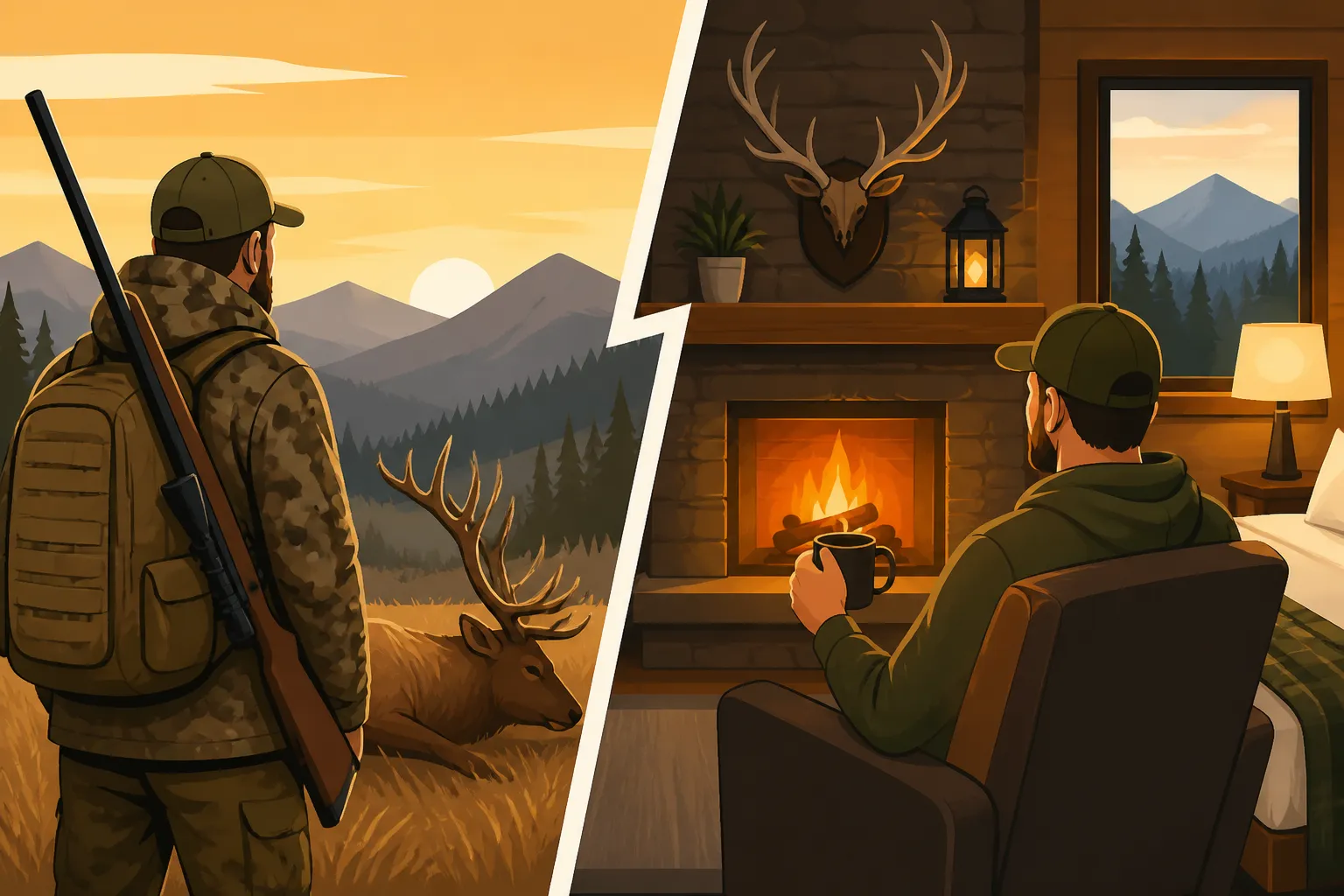
It's easy to dismiss a hotel room as just a place to crash, especially when your mind is already on that big buck or bull. But the truth is, where you lay your head before and after a hunt can dramatically impact your experience. Think about it: you've invested time, money, and emotional energy into this trip. Why let a lack of proper rest or a frantic scramble for accommodations undermine it? It's about setting yourself up for success and then allowing yourself a proper wind-down.
There's a real mental game involved in hunting, and showing up haggard from a sleepless night or a cramped drive won't do your focus any favours. Similarly, after the adrenaline crash of a successful harvest, or the quiet reflection of a tough hunt, you need a comfortable space to process, relax, and organize your gear for the journey home. This isn't just about luxury; it's about practical self-care that directly supports your hunting goals.
Shaking Off Travel Fatigue: How a Good Night's Rest Impacts Your Hunt
Let's be honest, travel is rarely relaxing. Whether you've been white-knuckling a steering wheel for ten hours, or navigating airport terminals with a rifle case and a mountain of bags, you arrive feeling less than your peak self. Trying to jump straight into hunting, especially on the early archery opener or a pre-dawn rifle hunt, when you're already drained, is a recipe for poor decision-making and missed opportunities. You're more likely to stumble on the trail, misjudge a shot, or simply miss crucial signs if your mind isn't sharp.
A good night's sleep in a quiet, comfortable bed allows your body and mind to truly recover. It's not just about energy; it's about mental clarity, reaction time, and even your mood. Imagine waking up refreshed, feeling ready to face the day, rather than dragging yourself out of bed with a stiff neck and fuzzy head. That extra hour or two of quality sleep can make all the difference in spotting that deer silhouette at first light or staying focused during a long stalk. It’s an investment in your performance that pays dividends in the field, reducing the risk of accidents and increasing your chances of success.
Organization and Gear Staging: The Benefits of a Proper Space
Beyond sleep, having a dedicated space to organize your gear is a game-changer. When you're rolling into a new area, especially if it's your first time hunting a specific Alberta WMU, you'll have a truck full of essentials. A decent hotel room or rental unit gives you the room to unpack, lay out your hunting clothes, check your optics, and perform those last-minute gear inspections without tripping over bags in a cramped truck stop or fumbling in the dark.
This is particularly important for tasks like Meat Care in Alberta's Cold and Warm Swings or sorting out your backpack for a long day. You can ensure your rifle is clean and sighted, your broadheads are sharp, and your calls are easily accessible. After the hunt, this space becomes invaluable for field dressing supplies, quartering considerations, and getting everything packed away properly for the journey home. Trying to do this on the tailgate in a freezing parking lot is nobody's idea of fun, and it often leads to forgotten items or damaged gear. A proper staging area ensures everything is in its place, ready for action or safe transport.
Choosing Your Accommodation Style: From Budget to Boutique
Alberta is a vast province, and its hunting lands span everything from wide-open prairie to dense boreal forest and rugged mountains. Naturally, the availability and style of lodging will vary just as much. Your choice often comes down to budget, location, and your personal preference for comfort versus self-sufficiency. There's no single "right" answer, but understanding the pros and cons of each option can help you make an informed decision that suits your hunt.
Some hunters prefer the no-frills practicality of a motel, while others crave the space and amenities of a private rental. Sometimes, proximity to your hunting area dictates the choice, pushing you towards a more rustic option like an RV park. Regardless of your preference, remember that the goal is to secure a place that allows you to rest, prepare, and recover effectively.
| Lodging Type | Cost (Shape) | Amenities (Typical) | Privacy | Hunter-Friendliness (Pros/Cons) |
|---|---|---|---|---|
| Hotels/Motels | Mid-range to High | Beds, private bath, TV, Wi-Fi, often breakfast, parking | Low/Medium | + Predictable, secure, easy booking. – Less space for gear, potential noise, strict rules. |
| Private Rentals | Varies (Mid-High) | Full kitchen, multiple bedrooms, laundry, privacy, yard | High | + "Home away from home," space for gear, cooking, flexible. – Cleaning fees, less consistent. |
| RV Parks | Low to Mid | Hookups (power, water, sewer), shared washrooms, fire pits | Medium | + Cost-effective, self-sufficient, easy access to outdoors. – Weather dependent, limited amenities. |
Hotels and Motels: The Convenient and Often Predictable Choice
Hotels and motels are often the default choice for hunters needing a place to stay before or after their adventure. They're typically found in towns and cities, providing predictable amenities like a warm bed, a private bathroom, and often Wi-Fi. Many offer continental breakfast, which can be a lifesaver when you're trying to get out the door before first light. The biggest advantage here is convenience and reliability. You know what you're getting, more or less, and booking is usually straightforward through popular travel sites or even dedicated hunting trip planning resources like BookYourHunt, which often have lodging options listed alongside outfitter packages.
However, hotels and motels aren't without their drawbacks. Space can be limited, making it tough to spread out gear, clean boots, or even manage a small cooler of meat. Some establishments have strict policies regarding firearms in rooms, or simply aren't accustomed to hunters coming in with muddy boots and hunting clothes. Noise from other guests can also be an issue if you're trying to get solid rest before a big day. Always check their specific policies if you plan on bringing firearms into your room (secure and unloaded, of course) or if you need extra space for gear.
Airbnb, VRBO, and Private Rentals: When a 'Home Away From Home' Makes Sense
For those who crave more space, privacy, and a "home away from home" feel, private rentals through platforms like Airbnb or VRBO can be fantastic options. These can range from a cozy cabin tucked away near your Hunting Alberta's Foothills Country to a spacious house in a small town. The key benefits are often a full kitchen, allowing you to cook your own meals and pack lunches, separate bedrooms for a group, and laundry facilities – a godsend after a week in the bush. This extra space is also perfect for laying out all your gear, cleaning equipment, and even some initial Transporting Game Meat and Proof of Sex preparations.
The challenge with private rentals can be finding them in very remote areas, and the cost can sometimes be higher, especially for shorter stays once cleaning fees are factored in. Communication with the host is crucial to ensure they're comfortable with hunters and understand your needs (e.g., parking for a truck and trailer, a place to air out gear). These platforms can be excellent resources for finding unique accommodations, but always read reviews and clarify details before booking. If you're using a planning tool like GoHunt to map out your trip, integrating a private rental into your itinerary might require a bit more legwork but can yield significant comfort.
RV Parks and Campgrounds: For the Self-Sufficient Hunter
For the truly self-sufficient hunter, or those already accustomed to camping, RV parks and established campgrounds offer a compelling alternative. If you own an RV or travel trailer, this can be the most cost-effective and flexible option. You bring your own accommodations, complete with cooking facilities, a bed, and your personal gear. Many RV parks offer power, water, and sewer hookups, making it a comfortable experience even in colder weather, which is common during Alberta's late season hunts. This setup often puts you closer to the actual hunting grounds, especially if you're exploring Hunting Alberta's Crown Land or public land use zones.
However, this option is highly weather-dependent. Early season might be pleasant, but a late November hunt could mean freezing temperatures, snow, and challenging conditions for an RV. Access can also be an issue if roads are unmaintained or deep in snow. While most RV parks are generally hunter-friendly, discretion is always advised when handling firearms and game meat. Remember, your comfort level with roughing it a bit more will play a huge role here. Always check seasonal operating dates and services before planning a stay, as many close down for winter.
Strategic Booking: Location, Amenities, and Hunter-Friendliness
Once you've decided on the type of lodging, the real work begins: finding the right one. This isn't just about clicking the cheapest option; it's about strategic planning that considers the unique demands of a hunting trip. You're not just a tourist; you're a hunter with specific needs for gear, space, and a certain level of understanding from your hosts. Missing these details can quickly turn your pre-hunt zen into a logistical nightmare.
Think about the flow of your hunt. How much time are you willing to spend driving each morning and evening? What absolutely essential items do you need your lodging to provide, or at least accommodate? These are the questions that will guide you to the perfect temporary home base, allowing you to focus on the actual hunting.
Proximity to Your Hunting Area: Saving Precious Time
One of the most critical factors in selecting your lodging is its proximity to your chosen hunting area. Every minute spent driving to and from your hunting spot is a minute you're not actually hunting or resting. For those early mornings, especially if you're planning to hunt the rut in early November, you want to be able to roll out of bed and be on stand or glassing within a reasonable timeframe. A 30-minute drive is often acceptable, but an hour or more each way can quickly add up to significant fatigue over several days.
Consider mapping out your primary hunting zones (whether it's private land you secured permission for or a specific block of Public Hunting Land in Alberta) and then searching for towns or rural accommodations within a comfortable radius. Sometimes, smaller, less-known communities might have hidden gems for lodging that put you right where you need to be. Tools like Google Maps, combined with apps like GoHunt that show WMU boundaries and public land, can be invaluable for pinpointing optimal locations. Don't be afraid to broaden your search slightly to find a place that truly minimizes commute time and maximizes your time in the field.
Essential Amenities for Hunters: What to Look For
Beyond the basic bed and bath, certain amenities can significantly enhance a hunter's stay. Adequate parking is huge – can you fit your truck, possibly a trailer, and maybe even a quad or side-by-side if you're taking one out to Quad and Side-by-Side Rules on Crown Land? Having an outdoor plug-in for your truck's block heater in cold weather is absolutely essential for a successful late-season hunt. A place to clean and dry muddy boots and wet gear, ideally outside or in a utility room, is far better than tracking mud through a carpeted hotel room.
Access to laundry facilities is a massive bonus, especially on multi-day hunts. Being able to wash clothes can help manage scent and keep you comfortable. A refrigerator and microwave, or even a full kitchen in a private rental, allows you to prepare your own food, which can be healthier and more cost-effective than eating out every meal. Finally, reliable Wi-Fi is often appreciated for checking weather forecasts, regulations updates, or connecting with family. When Booking an Alberta Hunt Off-Season, it's worth taking the time to confirm these seemingly small details, as they contribute significantly to your overall comfort and logistical ease.
Navigating Pet Policies and Firearm Storage: Important Details
These are two big ones that can cause major headaches if not addressed upfront. Many hunters travel with their loyal canine companions, especially if they're hunting upland birds or waterfowl and using a flushing or pointing dog. Always confirm the lodging's pet policy before booking. Are pets allowed? Is there a fee? Are there any restrictions on size or breed? A pet-friendly designation online is a great start, but a quick call to confirm is always best, especially for a hunting dog.
Similarly, responsible firearm storage is paramount. While many hotels might have policies against firearms in rooms, they may offer a secure safe at the front desk or have a system in place. Private rentals generally offer more flexibility, but it's still courteous and wise to mention that you'll be traveling with hunting firearms (unloaded and securely cased, as per Transporting Firearms Into Alberta rules). Clarity on this upfront prevents awkward situations upon arrival. It's about finding a place that not only understands but also respects the hunting lifestyle, ensuring both your equipment and your peace of mind are secure.
Making the Most of Your Stay: Preparation and Wind-Down
Your lodging isn't just a placeholder; it's an integral part of your hunting strategy. How you utilize that space, both before and after the actual hunt, can significantly impact your readiness, your safety, and your ability to properly enjoy and conclude your trip. It's where the rubber meets the road for last-minute checks and where you transition from the intensity of the field back to the comforts of home, even if temporarily.
Thinking ahead about how you'll use your space for these crucial steps will reduce stress and prevent forgotten items or rushed decisions. From the meticulous assembly of your gear to the careful processing of your hard-earned harvest, a well-chosen and well-utilized lodging spot is your silent partner in a successful hunting journey.
Pre-Hunt Rituals: Final Gear Checks and Mental Prep
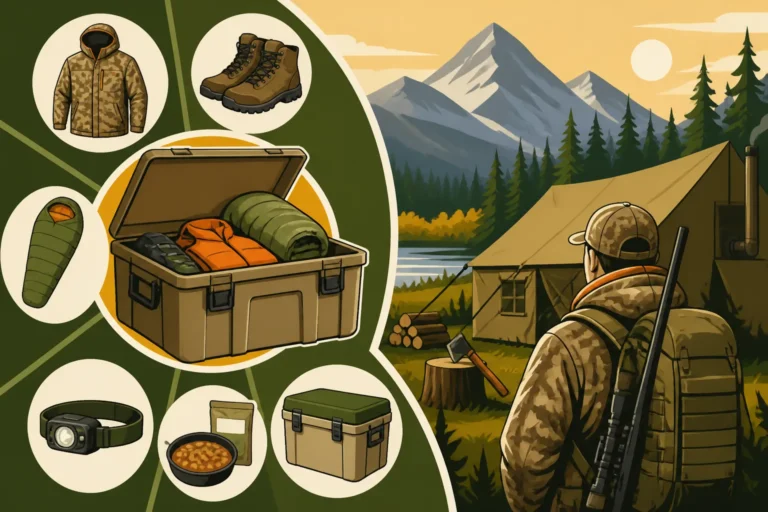
Use your pre-hunt lodging to perform those critical final checks that can make or break your hunt. Lay out your hunting clothes to ensure everything is accounted for and scent-free. Check all your gear: is your headlamp charged? Are your boots laced properly? Is your rangefinder functioning? This is the time to make sure your Winter Truck Kit for an Alberta Hunt is fully stocked and accessible. Take advantage of a full kitchen to pack a hearty lunch and snacks for your first day afield.
This downtime is also vital for mental preparation. Review your maps, confirm your access points, and visualize your approach. If you're using a planning resource like GoHunt, this is a great time to review any notes or waypoints you've marked. Don't underestimate the power of a calm, focused mindset before you even step foot in the bush. A comfortable room provides the quiet space you need to achieve this, allowing you to mentally transition into hunting mode without the distractions of travel or a busy home life. It’s your last chance for calm before the adrenaline hits.
Post-Hunt Logistics: Meat Care, Trophy Prep, and Relaxation
The hunt isn't truly over until the meat is processed and the memories are safely stored. Your post-hunt lodging becomes a crucial hub for these activities. If you've been successful, you'll need a place to clean and cool your game meat, especially if you're not heading straight to a processor. A large cooler, access to ice, and a clean space to work are invaluable. Many hunters use their rental's kitchen or garage for this, or a cooler in a secure vehicle. This is particularly important for tasks like Meat Care in Alberta's Cold and Warm Swings, where temperature management is key to preserving your harvest.
For trophy care, whether it's caping out a head for a shoulder mount or getting a skull ready for a European mount, a bit of space and access to water can make a huge difference. You'll also need to consider your plan for Shipping Meat Home From Alberta or shipping antlers, and having a base of operations for a day or two can simplify these arrangements. Finally, and perhaps most importantly, your post-hunt lodging is for relaxation. After days of hard hunting, a hot shower, a good meal, and a comfortable bed are exactly what you need to recover, reflect on your adventure, and recharge before the journey home.
Disclaimer
This article is for general informational purposes only and does not constitute professional advice. Laws, prices and regulations vary by location and change over time. Consult a qualified professional for guidance on your specific situation.