Finding a Butcher Near Camp
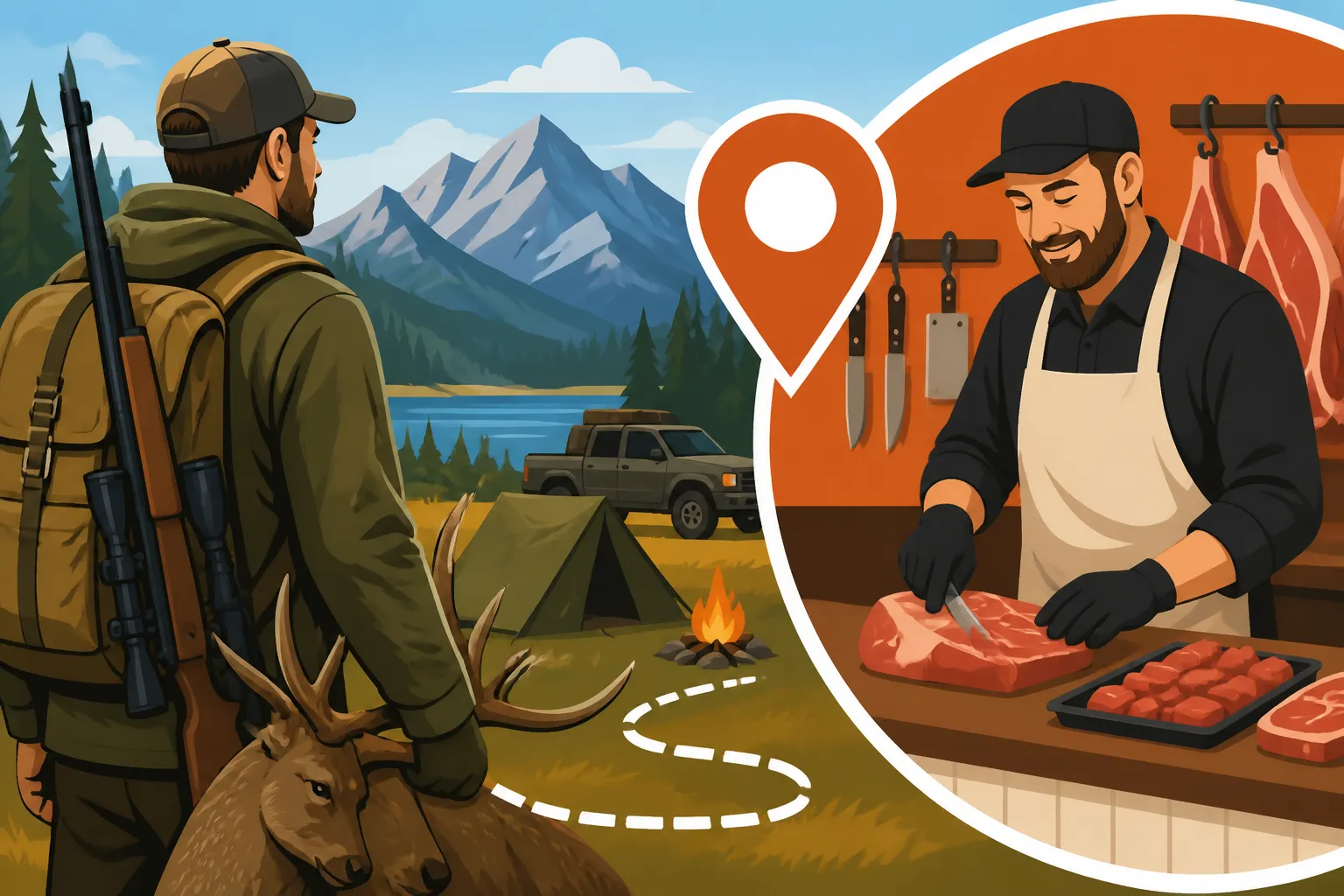
You’ve just put in the work. Hours of scouting, early mornings, cold sits, and finally, it paid off. You’re standing over your harvested animal, heart pounding with a mix of exhilaration and relief. But then, a wave of practicality hits you: now what? For many hunters, especially those traveling far from home or new to the experience, the question of "what to do with the meat" becomes a sudden, pressing concern. This guide is all about navigating the essential step of finding a reliable butcher near your hunting camp in Alberta, ensuring your hard-earned harvest is processed with care and efficiency, so your success doesn't turn into a logistical headache.
The Pre-Hunt Prep: Why You Need a Butcher Plan
It’s easy to get caught up in the excitement of the hunt itself – the gear, the scouting, the shot. But thinking about what happens after the shot is just as critical, if not more so, for truly appreciating your harvest. Many hunters, myself included, have learned this the hard way. Rolling into a small town with a mule deer in the back of the truck, only to find every local butcher is booked solid, is a scenario you want to avoid at all costs. Pre-planning your meat processing is an absolute game-changer, saving you stress, time, and potentially the quality of your meat.
The Reality of Field Dressing vs. Full Processing
When you harvest an animal, the immediate priority is always proper Meat Care in Alberta's Cold and Warm Swings. That means field dressing quickly to cool the carcass and prevent spoilage. For smaller game or in colder weather, you might quarter the animal in the field to make it easier to pack out or transport. This is a crucial first step, but it’s rarely the final one. Unless you have a dedicated processing setup at home with a meat grinder, band saw, and vacuum sealer, you're going to need a professional butcher.
The reality is, most of us don't have walk-in coolers or industrial equipment in our garages. Trying to break down a whole deer, let alone a moose or elk, into freezer-ready cuts with just a kitchen knife and a hacksaw is a monumental task. It’s messy, time-consuming, and honestly, unless you're highly skilled, the end result might not be what you envisioned. A professional butcher takes that quartered animal and transforms it into steaks, roasts, burger, and sausage, all neatly packaged and ready for your freezer. They have the expertise to maximize yield and ensure every cut is handled hygienically, preserving the quality you worked so hard for.
Avoiding the "What Now?" Panic
There's nothing quite like the feeling of accomplishment after a successful hunt. The last thing you want is that high to be replaced with a sinking feeling of panic because you're looking at a huge amount of raw meat and have no idea where to take it. I’ve seen it happen countless times. A buddy takes down a fantastic bull elk in a remote WMU, and then realizes the nearest town with a butcher is three hours away, and they close in an hour, assuming they even take walk-ins. The clock starts ticking, and the stress level skyrockets.
Having a butcher planned out beforehand, even if it's just a couple of options with their contact numbers, is like having an insurance policy for your hunt's success. It allows you to focus on the immediate tasks of Field Dressing in Alberta's Deep Cold and transport, knowing that the next critical step is already taken care of. This is especially true for those coming from out of province or even from a city to a more rural hunting area. Local resources might be scarce, or their hours might not align with your travel schedule. A little foresight here goes a very long way in preserving both your meat and your sanity.
Seasonality and Butcher Availability
One of the biggest frustrations hunters face with butchers is availability, and it all boils down to seasonality. Just like peak hunting seasons, butchers have their peak times too. When Alberta Big Game Season Dates kick off, especially for popular species like during Alberta Whitetail General Season Dates or early November for the rut, local butcher shops can get absolutely swamped. Imagine every successful hunter in a 100-mile radius trying to get their deer processed in the same two-week window. It's a logistical nightmare for the butchers, and it means long waits, limited slots, or even outright refusal for new customers.
Smaller, rural butchers often run with a limited staff and processing capacity. They might handle agricultural livestock for local farmers throughout the year, and then game processing becomes an additional, massive workload. If you show up unannounced during the first week of general season, you might be out of luck. Thinking about your hunt logistics well in advance, including contacting potential butchers a month or two ahead of time, can alleviate this pressure. Some butchers even allow you to call and "book a slot" for your animal, even if you don't know the exact date you'll be dropping it off, which offers incredible peace of mind.
How to Research and Locate Butcher Shops
Finding the right butcher isn't always as simple as a quick Google search, especially in some of Alberta's more remote hunting areas. You need to employ a multi-pronged approach to ensure you're getting reliable information and can secure a spot. Remember, you're not just looking for any butcher; you're looking for one that handles wild game, has a good reputation, and can accommodate your timeline.
Online Resources and Hunting Forums
The internet is a fantastic starting point, but you need to know where to look. A generic search for "butchers near [town name]" might bring up grocery store meat counters that don't process game. Instead, try "game processing Alberta" or "wild game butcher [specific region]". Many specialized game processors will market themselves this way.
Beyond direct searches, hunting forums and social media groups dedicated to Alberta hunting are goldmines of information. Hunters are usually more than happy to share their experiences, both good and bad, with local services. You can often find threads discussing specific butchers, their pricing, and their quality of work. While not explicitly for finding butchers, platforms like GoHunt often have robust community forums, and sites where you might book trips like BookYourHunt can sometimes indirectly lead to discussions about local services in popular hunting areas. Don't be shy about posting a question asking for recommendations in the specific WMU or region you plan to hunt. Just specify the type of game you're after, as not all butchers handle every species.
Local Word-of-Mouth and Outfitter Recommendations
Sometimes, the best information isn't online. When you're in a small town or rural area, local knowledge is king. Strike up conversations at gas stations, general stores, or local diners. Ask locals if they know a good game butcher in the area. They often know the hidden gems or the family-run operations that don't have a big online presence but do excellent work. These personal recommendations carry a lot of weight, as they come from people who likely rely on these services themselves.
If you're on a guided hunt, your outfitter is your absolute best resource. They deal with harvested animals all season long and will undoubtedly have established relationships with local butchers. A good outfitter will often have a preferred processor they work with and might even coordinate the drop-off for you as part of their service package. This is a huge benefit of booking an Alberta guided hunt – they take care of these logistical details. Even if you're not on a guided hunt, reaching out to outfitters or even local Fish and Wildlife officers in the area before your trip can yield valuable contacts. They know the area and its services intimately. Similarly, if you're hunting with a resident friend, they might fall under Alberta's Hunter Host Rule and would be an excellent source of local knowledge.
Checking for Game-Specific Processing
This is a critical step that often gets overlooked. Not all butchers are equipped or willing to process all types of wild game. Some might specialize in deer but won't touch a bear due to the fat content or handling requirements. Others might be set up for larger animals like moose or elk but charge a premium, or have limited capacity for them.
When you call a butcher, always be specific about the animal you intend to bring in. Ask:
- Do you process wild game?
- Do you process [Deer/Moose/Elk/Bear/etc.]?
- What is your capacity during [specific month, e.g., November]?
- Do you have any availability for [date range]?
- What is your typical turnaround time?
It’s much better to have this conversation upfront than to arrive with a 500-pound moose only to be told they can't take it. Also, inquire if they have any specific requirements for dropping off the animal, such as needing it skinned or quartered already. Some smaller operations might prefer it to be partially processed to save them time and space.
What to Expect from an Alberta Game Butcher
Once you've found a potential butcher, understanding their services, pricing, and procedures will help set realistic expectations and ensure a smooth experience. It's a professional service, and like any other, clear communication and understanding of the terms are key.
Services Offered and Customization
Most professional game butchers offer a range of services beyond just cutting and wrapping. The basic service will usually include skinning, breaking down the carcass into standard cuts (steaks, roasts, burger), and vacuum sealing or freezer paper wrapping. However, many offer additional options that can turn your wild game into gourmet fare:
- Sausage Making: This is incredibly popular. You can often choose from various blends, adding pork fat for flavour and moisture, and selecting seasonings like garlic, pepper, or breakfast sausage spices.
- Jerky & Pepperoni: A great way to use trim meat. Many butchers have their own recipes, or you might be able to request specific flavour profiles.
- Smoked Products: Think smoked hams or bacon from larger game, or smoked sausage.
- Custom Grinds: Beyond just burger, you might be able to request specific fat ratios for your ground meat.
- Specialty Cuts: If you have specific culinary plans, like bone-in chops or certain roast sizes, discuss this with the butcher. They’re often accommodating.
When you drop off your animal, you'll typically fill out a cutting order form. This is your chance to specify exactly how you want your meat processed. Don't be afraid to ask questions about options you don't understand. A good butcher will walk you through it. This is a crucial part of Getting Meat Processed After the Hunt to ensure you get exactly what you want for your dinner table.
Understanding Pricing and Turnaround Times
Pricing for game processing can vary significantly based on the butcher, the services requested, and the size of the animal. Most often, pricing is based on the hanging weight of the animal (after field dressing, before deboning) or the final packaged weight. There will likely be a base fee for standard cut-and-wrap, with additional charges for specialty items like sausage, jerky, or custom smoking. Always ask for a detailed price list or an estimate before you commit.
| Service Category | Typical Charge Basis | Common Add-ons | Notes |
|---|---|---|---|
| Basic Processing | Per pound (hanging/packaged) | Skinning fee, disposal fee | Includes cut, wrap, freeze. Vacuum sealing often extra. |
| Ground Meat | Per pound (product weight) | Pork fat added, seasoning blends | May be included in base, but custom blends cost more. |
| Sausage/Jerky | Per pound (product weight) | Casing, specific ingredients | Often a significant upcharge due to labour and ingredients. |
| Smoking | Per pound (product weight) | Specialty marinades | For hams, bacon, or large cuts. Requires specialized equipment. |
| Storage | Daily/Weekly after grace period | If meat isn't picked up promptly. |
Turnaround times are another variable. During the off-season, you might get your meat back in a few days. During peak hunting season, however, it's not uncommon to wait two to four weeks, sometimes even longer, especially for large animals like moose or elk. This is why inquiring about turnaround times before the hunt is essential, particularly if you're traveling a long distance and need to factor in a return trip to pick up your meat. If you're relying on their cold storage, ensure you know their policies and any potential fees for extended storage.
Storage and Transport Considerations
Once your meat is processed, it will be stored in the butcher's freezer. You'll need to arrange for pickup. This brings up several important considerations for when What Happens After You Fill Your Tag.
- Pickup Schedule: Confirm the butcher's hours for pickup. Many smaller shops might have limited hours, especially on weekends.
- Cooler Space: Ensure you have enough cooler space, preferably with ice or freezer packs, to transport the frozen meat home. Even if it's frozen solid, you want to maintain that temperature, especially on a long drive. For larger game, this might mean multiple large coolers.
- Vehicle Space: Processed game can take up a surprising amount of space. Factor this into your vehicle packing plans, particularly if you're driving a long distance.
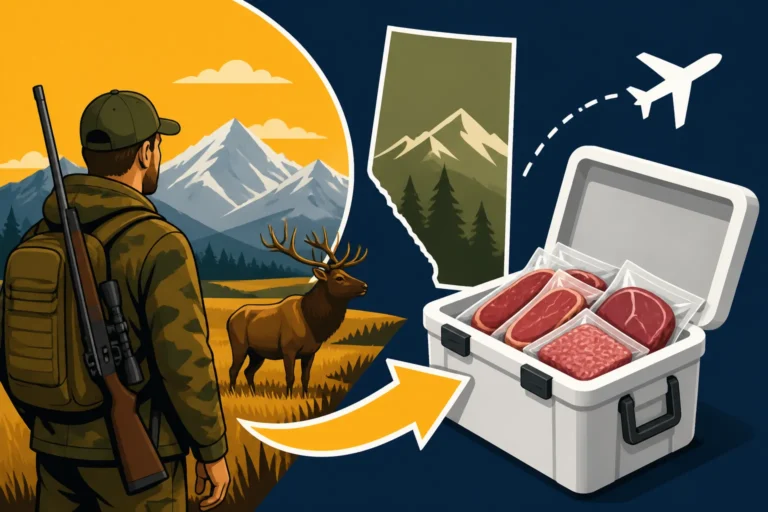
- Cross-Border Travel: If you're a non-resident hunter heading back to the US, there are strict rules for Transporting Game Meat and Proof of Sex across the border, including CWD testing requirements. Ensure your butcher is aware of this and can provide the necessary documentation. You'll need proof of lawful possession (your hunting licence, tags, and harvest report).
Before leaving the butcher, always double-check your order against the contents. Count packages, verify labels, and ensure everything you requested is there. It’s far easier to rectify any issues while you’re still at the shop.
Common Pitfalls and How to Avoid Them
Even with careful planning, things can sometimes go awry. Knowing the common challenges associated with game processing can help you mitigate risks and ensure a smoother experience.
The Busy Season Crunch
As mentioned, peak hunting season puts a huge strain on butchers. This isn't just about longer wait times; it can also affect the quality of service if they're rushing, or lead to miscommunications if they're juggling dozens of orders. The solution, simply put, is to call ahead, well in advance. Some popular hunting regions have butchers that are literally booked solid months before the season even opens.
Don't wait until you've pulled the trigger. Start making calls in late summer or early fall, even for hunts planned for late autumn. Explain your general timeline and the type of animal you hope to harvest. Ask if they take advance bookings or if they can advise on their busiest periods. Even if they can't formally book you, getting their advice on when to call back, or which weeks might be less hectic, can be invaluable. This proactive approach will save you from the disappointment of being turned away when you have a perishable animal in your truck.
Distance and Logistics Challenges
Sometimes, the nearest available or reputable butcher might not be "near camp" at all. You might find yourself having to drive an hour or two out of your way to drop off or pick up your meat. Factor this travel time and fuel cost into your hunting budget and schedule. After a long day of hunting, or especially after a successful harvest and pack-out, adding another few hours of driving can be exhausting.
Consider the logistics carefully. If your camp is deep in the bush, and the butcher is an hour's drive one way, you'll need to think about how to keep the meat cool and clean during transport. Having good quality game bags and large coolers ready is essential. You might even consider having two vehicles if you're hunting with a partner – one to continue the hunt, and one to make the butcher run. If you're hunting in a designated CWD submission zone, you'll also need to be aware of Alberta's Mandatory CWD Submission WMUs and how that impacts moving the carcass, and ensure your butcher is set up to handle the sample collection.
Communicating Your Expectations Clearly
This is perhaps the most important tip of all. A butcher isn't a mind-reader. If you have specific preferences, you must communicate them clearly and politely. Don't assume they know you want all the backstrap saved as whole roasts, or that you prefer vacuum sealing over freezer paper. Fill out the cutting order form completely and ask questions if anything is unclear.
For example, if you want some jerky, be specific about the flavour profile you prefer. If you don't want any bones in your ground meat, make that explicit. If you want the hide saved for tanning, or the skull for a European mount, confirm they offer these services or if you need to arrange for a taxidermist directly.
Conversely, listen to the butcher's advice. They are experts in their field and can offer valuable insights on how to best utilize your animal. Perhaps a certain cut is better suited for stew meat than steak, or a particular sausage blend is a local favourite. Building a good relationship with a local butcher can be an incredibly rewarding part of your hunting tradition, ensuring that every ounce of your hard-won game is respected and enjoyed.
Disclaimer
This article is for general informational purposes only and does not constitute professional advice. Laws, prices and regulations vary by location and change over time. Consult a qualified professional for guidance on your specific situation.