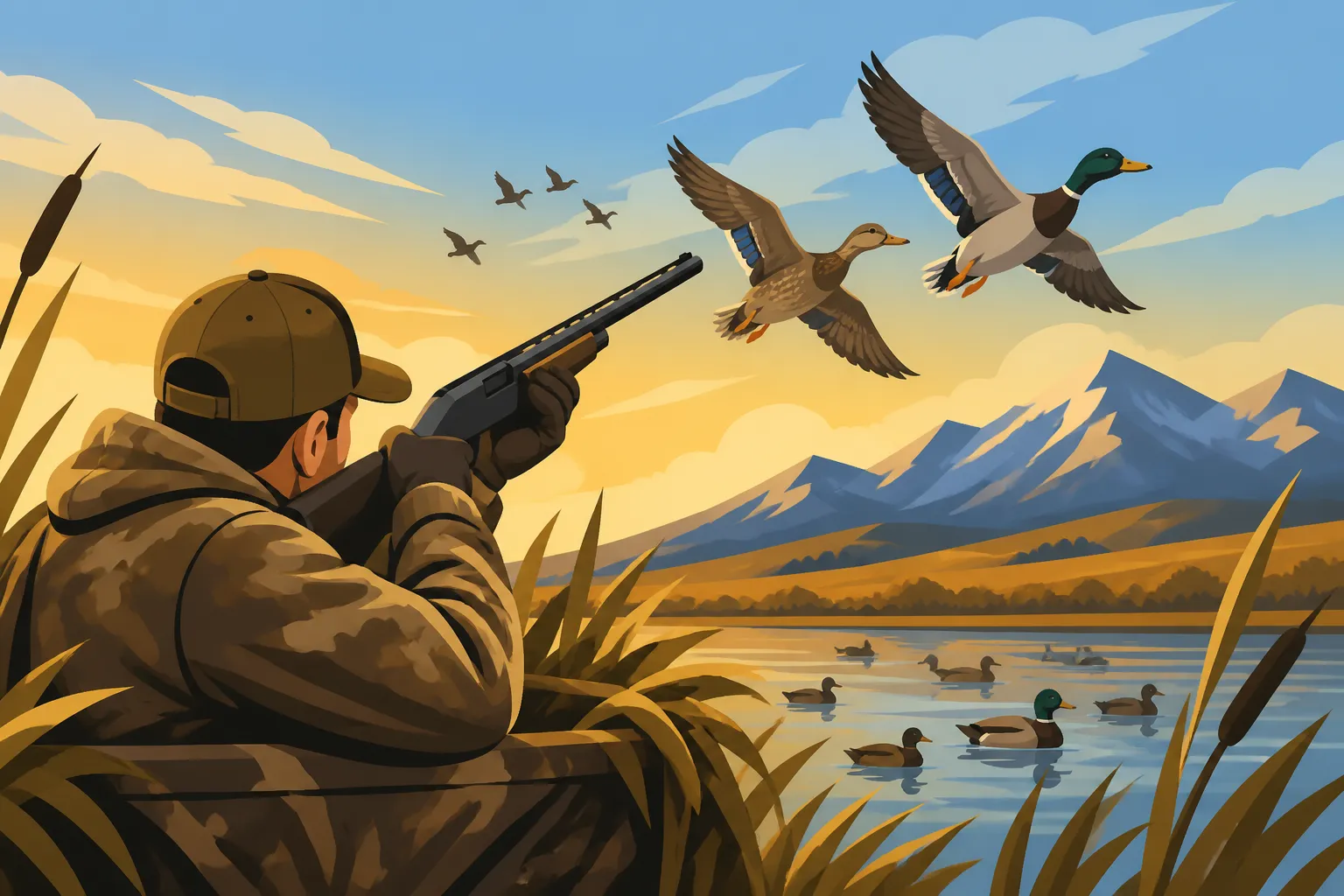
Alberta Waterfowl Guides and Field Hunts
Alberta's vast prairie and parkland are legendary among waterfowl hunters, drawing enthusiasts from all over. But if you've ever tried to piece together a do-it-yourself field hunt, you know the absolute headache of securing permission, scouting productive fields, and hauling enough decoys to make a convincing spread. This guide is all about simplifying that process by exploring the world of Alberta waterfowl guides and what they offer for those seeking an unforgettable field hunting experience.
Why Consider a Waterfowl Guide for Your Alberta Hunt?
Let's be honest, the idea of rolling out of bed, grabbing your gear, and having a perfect field hunt fall into your lap sounds like a dream. For most of us, especially if you're traveling a long distance, it's just not realistic. Alberta's waterfowl hunting can be incredibly rewarding, but the logistics can be a real bear. This is where a dedicated waterfowl guide steps in, turning potential frustration into genuine opportunity.
Navigating the Complexities of Field Hunting
The biggest hurdle for many hunters coming to Alberta, or even local hunters without extensive networks, is access. Finding private land where thousands of geese and ducks are feeding isn't easy. Farmers are busy, and they're often bombarded with requests. Guides, however, have cultivated relationships with landowners over years, sometimes decades. They often have exclusive access to prime agricultural fields – stubble, pea, barley, or wheat fields – that are practically magnets for hungry birds. Trying to secure permission on your own can feel like knocking on a hundred doors to find one that opens, and by then, the birds have likely moved on. A good guide already has those doors open and maintains those critical relationships. Beyond access, understanding bird movements, flight patterns, and preferred feeding grounds is a full-time job. What was hot yesterday might be dead today due to a change in wind, weather, or simply bird pressure. Guides are constantly scouting, adapting, and making those crucial decisions that put you in the right place at the right time. They know Scouting Fields for Alberta Waterfowl inside and out.
Maximizing Your Chances of Success
When you invest your time and money in a hunting trip, you want to make sure you're getting the most out of it. With waterfowl, success isn't just about shooting straight; it's about being where the birds want to be and presenting an irresistible spread. Guides provide the heavy lifting here. They monitor migration patterns, track local bird populations, and stay on top of the best feeding fields. This isn't just a casual drive-by; it's a dedicated effort that often involves hours of pre-dawn scouting, talking to farmers, and following bird movements. Imagine arriving in a new area, trying to figure out which of the thousands of fields holds birds, let alone getting permission. A guide eliminates that guesswork, dropping you into a high-percentage situation. They know the subtle nuances of setting up for different species, whether it's a giant Canada goose spread or a smaller, tighter duck setup. They also have the knowledge to adapt to changing conditions, which is paramount in waterfowl hunting where success can hinge on slight adjustments to decoy placement or calling strategy.
The Sheer Logistics of a Successful Waterfowl Hunt
Have you ever packed for a waterfowl hunt? It's not just your gun and some shells. You need a massive amount of gear: dozens, if not hundreds, of decoys (full bodies, silhouettes, shells), layout blinds, blinds for the guide, perhaps a dog, and a truck big enough to haul it all, often across muddy fields in the dark. For out-of-province hunters, bringing all this gear is practically impossible. Guides provide it all. They'll have top-notch decoys, often numbering in the hundreds for geese, along with comfortable layout blinds that keep you concealed and relatively warm. They'll also handle all the setup and takedown – something that can easily take an hour or more in the dark, usually in cold, wet conditions. This means less work for you and more focus on the hunt itself. From making sure you have the right Non-Toxic Shot for Alberta Waterfowl to ensuring the blind is perfectly camouflaged, they handle the nitty-gritty details. This level of logistical support allows you, the hunter, to focus purely on the experience, enjoying the camaraderie and the thrill of birds cupping their wings into your spread.
What to Expect from an Alberta Waterfowl Field Hunt
A guided waterfowl hunt in Alberta is a truly immersive experience, often starting long before dawn. It's a blend of anticipation, patience, and bursts of heart-pounding action. Understanding the rhythm of the day can help you prepare and fully appreciate what your guide is doing for you.
The Typical Day: From Dark to Decoy Pickup
Your day with an Alberta waterfowl guide usually starts in the deep pre-dawn darkness. You'll likely meet your guide at a predetermined spot, often a gas station or a small-town diner, where you can grab a coffee and review the plan for the morning. Then, it's a drive, sometimes a long one, to the chosen field. Once there, the real work begins. Under the beam of headlamps, everyone helps deploy the decoy spread. This can involve hundreds of decoys, from full-body Canada geese to snow goose socks, and layout blinds. The guide will have a specific strategy for the spread based on the wind, the species they're targeting, and the field topography. It's an organized chaos, but everyone pitches in to get it done quickly and efficiently. Once everything is set, you'll crawl into your layout blind, get comfortable, and wait for the first rays of light.
As the sky begins to lighten, the magic starts. You'll hear the distant chatter of geese, the whistling wings of ducks, and the guide will begin calling. The birds will start moving from their roosts to the feeding fields, and with a bit of luck and a lot of skill from your guide, they'll be headed straight for your spread. The shooting can be fast and furious, with multiple flights coming in. After the morning flight tapers off, typically mid-morning, the focus shifts to collecting birds and then the arduous task of packing up the entire spread. This is often as much work as the setup, sometimes more if the ground is muddy. Your guide will handle the bulk of this, but helping out is part of the experience. After the birds are collected and gear is stowed, you'll head back, usually tired but exhilarated. Some outfitters offer afternoon hunts, especially for ducks or cranes, but often the prime goose hunting is a morning affair. Guides often have a good sense of Goose Season Dates by Zone and Duck Daily Bag Limit by Species to maximize your opportunities.
Gear, Decoys, and the Setup
The equipment used on a guided waterfowl hunt is professional-grade and extensive. You're not just looking at a dozen cheap plastic decoys; you're looking at hundreds of realistic, motion-activated, and perfectly positioned decoys designed to fool even the wariest birds.
- Decoys: Expect a mix of full-body decoys, shells, and silhouettes for geese, often complemented by spinners and floating decoys for ducks in nearby potholes if applicable. For snow geese, spreads can be massive, sometimes numbering well over a thousand sock decoys, creating a visual spectacle that draws birds from miles away. The guide's knowledge of Setting a Goose Spread in Swathed Barley or Hunting a Big Snow Goose Spread is invaluable.
- Blinds: Most field hunts utilize layout blinds. These are low-profile, portable blinds that you lie down in, offering excellent concealment. They're typically camouflaged to match the stubble field, making you virtually invisible to overhead birds. They're also reasonably comfortable, offering some protection from the elements.
- Calls: Your guide will be an expert caller, using a variety of calls to mimic the sounds of geese and ducks, luring them closer. Listen closely; you might even pick up a few tips yourself!
- Dogs: Many guides employ well-trained retrieving dogs. Watching a skilled retriever work is a joy in itself, and it ensures that every downed bird is found and brought back efficiently, even in thick cover.
Your primary gear contribution will be your shotgun (12 gauge being most common), plenty of non-toxic ammunition, appropriate warm and waterproof clothing, and perhaps some snacks and a thermos of hot coffee. The guide will advise on specific ammunition requirements, typically steel shot, as it's mandatory for migratory birds.
Different Species, Different Strategies
Alberta is a waterfowl paradise, home to a diverse array of species, each requiring a slightly different hunting approach. A good guide will tailor the hunt to what's most active and what you're hoping to target.
- Canada Geese: These are often the bread and butter of Alberta field hunts. They're big, vocal, and often fly in large flocks. Guides will typically set up large spreads of Canada goose decoys, focusing on fields where geese have been actively feeding. Hunting Field Geese in Alberta Stubble is a classic approach.
- Snow Geese: Alberta sees incredible numbers of snow geese during migration, especially during the spring and late fall. These hunts involve massive, dazzling white spreads designed to attract the huge "ballets" of snow geese. The challenge is often managing the sheer volume of birds and picking out individual targets. Guides are experts at Snow Goose Limits and Late Seasons tactics.
- Ducks: While many ducks are shot over potholes, field hunting for ducks is also popular, especially mallards. These hunts often involve smaller, more agile spreads, sometimes near a water source or a particularly attractive grain field. Mallards can be incredibly wary, requiring precise calling and excellent concealment. You might also find yourself hunting Pothole Hunting Ducks on Small Water as a secondary option.
- Sandhill Cranes: Alberta also offers unique opportunities for sandhill crane hunting. These magnificent birds provide a challenging hunt and delicious table fare. Guides who specialize in cranes will know their specific field preferences and migration routes. If you're interested, you might look into Hunting Alberta's Sandhill Crane Season.
A guide's experience across these species means they can adapt the hunt to current conditions, ensuring you're always targeting the most viable and exciting opportunities.
Choosing the Right Waterfowl Guide or Outfitter
With so many guides out there, how do you pick one that's right for you? It's like finding a good mechanic; you want someone reliable, knowledgeable, and honest. Doing your homework is crucial to ensuring a positive experience.
What to Look for in a Reputable Operation
A reputable Alberta waterfowl outfitter or guide will possess several key characteristics that inspire confidence and promise a quality experience. Firstly, they should be fully licensed and insured. This isn't just about legality; it shows they operate professionally and take client safety seriously. Don't hesitate to ask for proof of their licenses. Secondly, experience is paramount. Look for guides who have been operating in Alberta for many years, as this speaks to their deep understanding of local bird patterns, access points, and weather conditions. A guide with a long-standing reputation is more likely to provide consistent success.
Thirdly, transparent communication is vital. A good guide will clearly outline what's included in your hunt package, what's expected of you, and any potential additional costs. They should be responsive to your questions and willing to provide references from past clients. Fourth, consider their gear and equipment. While you're not bringing your own decoys, the quality and quantity of their spread, their blinds, and their vehicles reflect their commitment to a professional operation. A guide who invests in top-tier equipment is generally more serious about client success. Finally, online presence and reviews can offer a good starting point. Platforms like BookYourHunt can connect you with reputable outfitters, but always cross-reference and seek out direct testimonials. Read reviews critically, looking for consistent themes about safety, ethical practices, and client satisfaction, not just kill counts.
Questions to Ask Before You Book
Before you commit to a waterfowl guide, arm yourself with a list of specific questions. This isn't being pushy; it's being prepared and ensuring alignment between your expectations and what the outfitter provides.
- What is your guiding philosophy? Do they prioritize high volume shooting, or a quality experience with an emphasis on ethical hunting and bird conservation?
- What's included in the price? This is critical. Does it cover licences, Alberta Migratory Bird Permits, The Canadian Wildlife Habitat Conservation Stamp, ammunition, meals, lodging, bird cleaning, or taxidermy prep? Be crystal clear on every detail to avoid surprises. Understanding What an Alberta Guided Hunt Costs means knowing what's baked into that number.
- What's your typical hunter-to-guide ratio? Smaller ratios (e.g., 2:1 or 3:1) often mean more personalized attention and a better overall experience.
- How many days are included in a typical package? What are the daily start and end times?
- What is your success rate, and what factors influence it? A guide should be realistic here; no one can guarantee birds every day, but they should be able to speak to historical success and what constitutes a "successful" hunt for them.
- What kind of fields do you typically hunt (stubble type, size, etc.)? This gives you a sense of the terrain and environment.
- What happens if the weather is bad or birds aren't flying? What's their cancellation or rebooking policy?
- Can you provide references from recent clients? A reputable guide will gladly connect you with past hunters. Call those references and ask about their honest experiences.
- What gear should I bring? Get a detailed list of clothing, footwear, ammunition types, and any personal items they recommend.
- What are the rules regarding bird limits and possession? A good guide will ensure you understand and adhere to all legal requirements for Duck Daily Bag Limit by Species and Snow Goose Limits and Late Seasons.
Understanding Costs and Inclusions
Guided waterfowl hunts in Alberta vary significantly in price, depending on the length of the hunt, the species targeted, the amenities provided (lodging, meals), and the guide's reputation. Generally, you can expect to pay a daily rate or a package price for multiple days. Day hunts tend to be more affordable, while multi-day packages that include lodging, meals, and multiple species hunts will naturally cost more.
Typical inclusions often consist of:
- Guiding services
- Decoys and blinds
- Bird retrieval
- Field transportation
- Basic bird cleaning (gutting, breasting out)
Common exclusions you'll likely pay extra for are:
- Travel to Alberta
- Alberta hunting licences and permits (WIN card, migratory bird permit)
- Ammunition
- Shotgun rental (if you don't bring your own)
- Alcoholic beverages
- Gratuities for guides and camp staff
- Taxidermy services or special meat processing beyond basic field dressing
- Accommodation and meals (unless specified in an all-inclusive package)
Always get a written breakdown of costs and inclusions. Some outfitters, like those you might find on GoHunt, offer detailed package descriptions, but a direct conversation with the outfitter is always best. Don't be shy about asking for clarification on any point. Remember, a cheaper price upfront might mean hidden costs later, or a less comprehensive experience. Invest in a reputable guide, and you're investing in a higher likelihood of success and a truly memorable adventure.
Making the Most of Your Guided Waterfowl Experience
So, you've booked your guide, sorted out the logistics, and your hunt date is approaching. Now it's time to think about how you can contribute to a successful hunt and ensure you have the best possible time. A guided hunt is a partnership, and your preparation and attitude play a big role.
Preparation is Key: Before You Arrive
Your preparation starts long before you pull into Alberta. Firstly, ensure all your licensing and permits are in order. This includes your Alberta Wildlife Identification Number (WIN) card, a current Wildlife Certificate, and the federal Migratory Game Bird Hunting Permit, along with the Canadian Wildlife Habitat Conservation Stamp. If you're coming from out of country, you'll also need to complete the Non-Resident Firearm Declaration Form for your firearms. Do not leave this to the last minute; apply for what you can online well in advance. Read up on Alberta Hunting Licences and What They Cost and Federal Migratory Game Bird Permit Cost.
Secondly, physical and mental preparation are important. While waterfowl hunting from a layout blind isn't physically grueling like a mountain hunt, you'll be getting in and out of blinds, carrying some gear, and spending hours in cold, potentially wet conditions. Dress in layers, choosing waterproof and windproof outerwear. Good quality insulated boots are non-negotiable for keeping your feet warm and dry. Practice your shooting. Many guided hunts involve pass-shooting or quick shots at incoming birds, so being proficient with your shotgun and familiar with your ammunition is essential. Head to the trap or skeet range and get some swings in.
Finally, communicate with your guide. A few weeks before your trip, touch base. Confirm meeting times, what the current bird activity is like, and if there's anything specific you should bring or any last-minute changes. The more informed you are, the smoother your arrival will be.
Etiquette in the Field
Being a good hunting partner and client contributes significantly to the overall success and enjoyment of the trip, not just for you, but for everyone.
- Be Punctual: Guides work on tight schedules, especially in the pre-dawn hours. Be at the meeting point on time, every time.
- Help Out: When it's time to set up or take down the spread, lend a hand. Don't expect your guide to do all the heavy lifting while you watch. It's a team effort, and many hands make light work.
- Follow Instructions: Your guide is the expert in the field. Listen to their commands regarding when to shoot, when to stay down, and how to call (or not call). Their experience is what you're paying for.
- Respect Safety: Always prioritize firearm safety. Keep your muzzle pointed in a safe direction, keep your finger off the trigger until you're ready to shoot, and know your target and what's beyond it. If you're unsure about a shot, don't take it.
- Manage Your Expectations: While guides work hard for success, hunting isn't a guarantee. Weather, bird movements, and other unpredictable factors can influence the hunt. Enjoy the experience, the camaraderie, and the beauty of nature, regardless of the bag count.
- Don't Overcall: Unless your guide asks you to, let them do the calling. They've spent years honing their craft and know what works best for the local birds.
- Practice Good Sportsmanship: Don't crowd other hunters, respect the land, and if you wound a bird, make every effort to retrieve it. Waste not, want not is a core principle of ethical hunting.
Post-Hunt: Processing, Travel, and Memories
Once the hunt is over and the birds are retrieved, there are still a few things to consider. Most guides will offer basic field dressing services, often breasting out ducks and geese. Be sure to confirm this beforehand. If you want full birds or special cuts, discuss this with your guide, as there might be an additional charge or they might recommend a local butcher. Remember your Meat Care in Alberta's Cold and Warm Swings advice, especially if traveling a long distance.
For hunters travelling internationally, be aware of the rules for transporting game meat and trophies across the border. Always check with customs on both sides before your trip to understand documentation requirements, packaging, and any restrictions. Your guide might have experience with this and can offer advice or connect you with a taxidermist or meat shipper.
Finally, cherish the memories. Take photos (respectfully and safely after the hunt, not during active shooting), share stories, and acknowledge the hard work your guide put in. Tipping your guide is customary and a great way to show your appreciation for their effort and expertise. Most hunters tip a percentage of the hunt cost, reflecting the guide's dedication and your satisfaction with the overall experience. A successful guided waterfowl hunt in Alberta isn't just about the birds in the bag; it's about the entire adventure, from the pre-dawn chill to the shared laughter in the field.
| Species Targeted | Typical Decoy Spread Size | Primary Hunting Method | Key Challenge for DIY Hunters |
|---|---|---|---|
| Canada Geese | 100-300+ full bodies | Stubble field layout blind | Access & scouting consistent fields |
| Snow Geese | 500-1500+ socks/shells | Stubble field layout blind | Scale of decoys & finding feeding patterns |
| Mallard Ducks (field) | 50-150 full bodies/shells | Stubble field layout blind | Duck wariness & smaller flight paths |
| Sandhill Cranes | 20-50 crane decoys | Stubble field layout blind | Specific feeding habits & permit |
Disclaimer
This article is for general informational purposes only and does not constitute professional advice. Laws, prices and regulations vary by location and change over time. Consult a qualified professional for guidance on your specific situation.